This article was originally written by Talker Staff for SWNS — the U.K.’s largest independent news agency, providing globally relevant original, verified, and engaging content to the world’s leading media outlets.
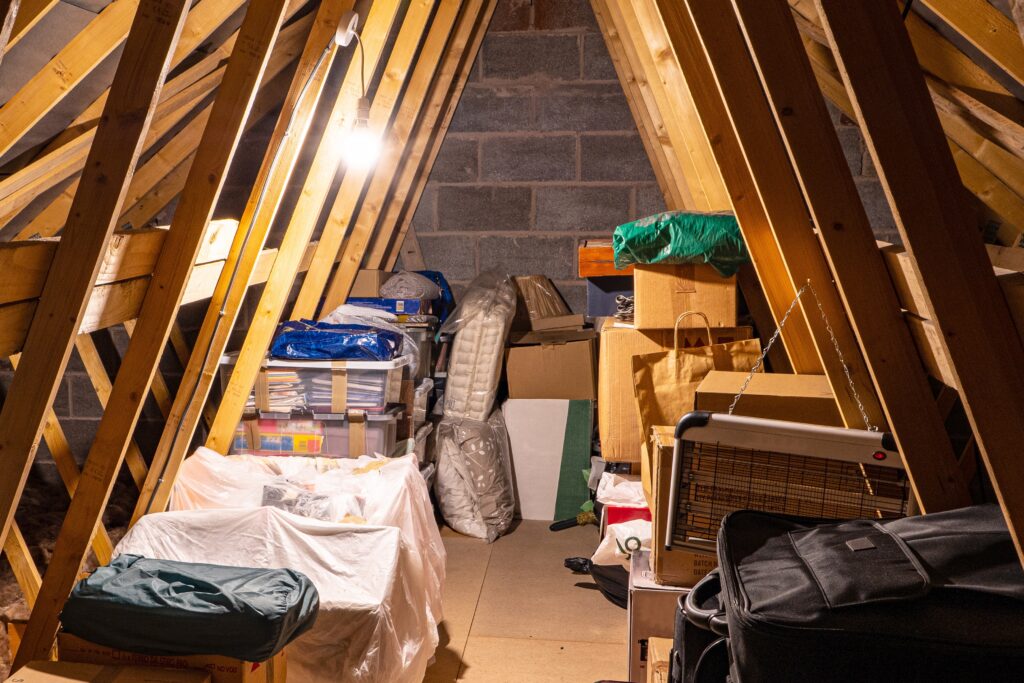
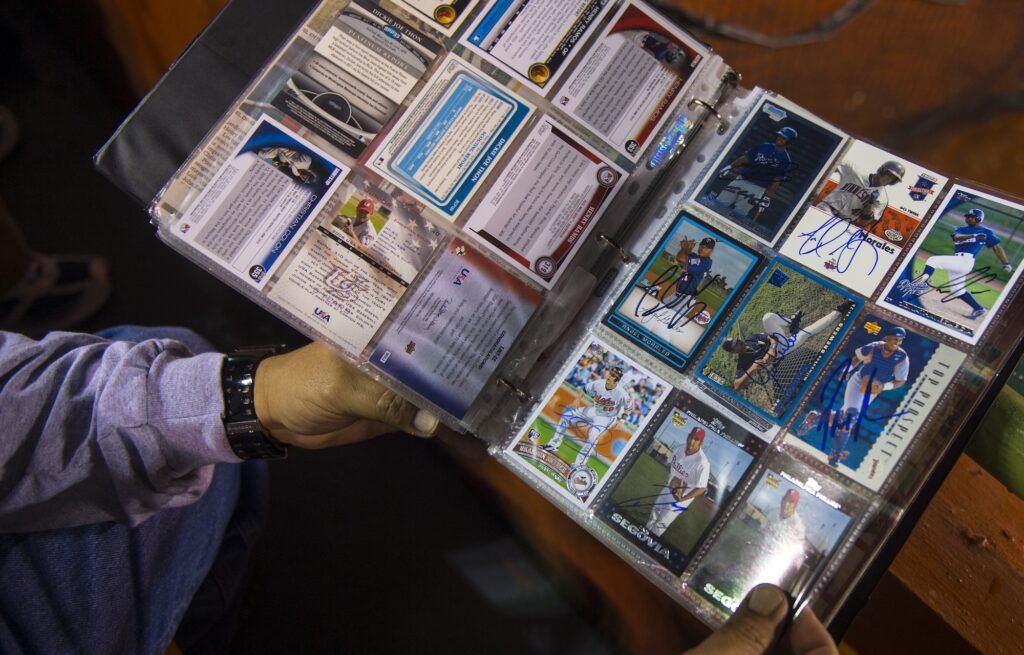
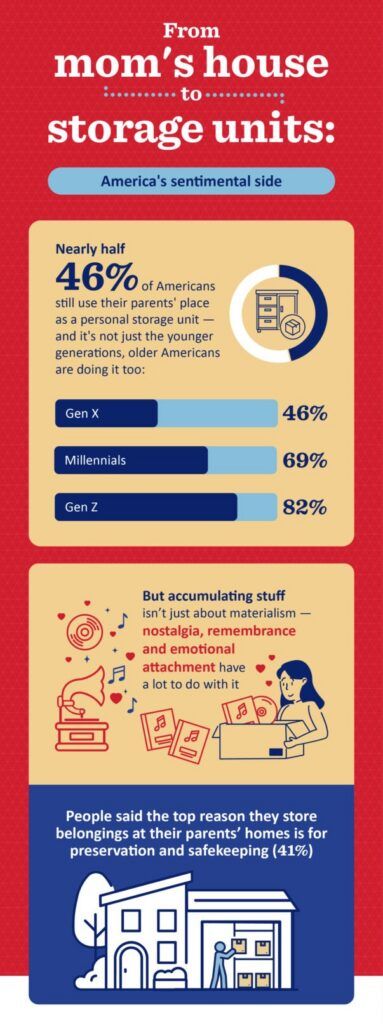
Got a Beanie Baby or baseball card collection stashed in your folks’ basement? You’re in good company. In a recent survey of 2,000 Americans, nearly half (46%) said they still use their parents’ place as a personal storage unit. And it’s not just the younger generations, either.
Alongside the 82% of Gen Z and 69% of millennials who keep some of their belongings at their parents’ home, 46% of Gen X — whose members are now between the ages of 46 and 61 — confessed to doing so as well. The survey also found that the average person using mom and dad’s house as an extra closet has around nine boxes stored there.
The study was conducted by Talker Research and commissioned by storage company CubeSmart to examine the psychology of keeping things in storage and the role that sentimentality plays.
According to the findings, for many, accumulating possessions isn’t about materialism or overconsumption: Nostalgia, remembrance, and emotional attachment have a lot to do with it.
In fact, 41% of respondents said the top reason they store belongings at their parents’ homes is for preservation and safekeeping.
In a news release, Augusto Blanco, a licensed clinical psychologist, explained the science behind this sentimentality, saying, “Research shows that sentimental objects can act as cues that help us access important life experiences, maintain a sense of continuity over time, and preserve emotional connections to things that matter to us. Letting go of an item can then feel less like discarding a simple physical object and more like risking the loss of part of a personal story.”
He continued: “Now, the tendency to keep belongings in storage for years is mostly driven by a combination of nostalgia, anticipated regret, and uncertainty about the future. People can think, ‘What if I need this someday?’ or ‘What if I regret throwing it away?’ These thoughts create a psychological cost to letting go that can outweigh the practical costs of keeping something. And so, the easiest choice is taken. Storage spaces and parents’ homes can become extensions of our emotional lives, allowing us to postpone difficult decisions about identity, change, and loss.”
Interestingly, even though they’ve had the least time to accumulate things, Gen Z (62%) was the most likely out of all age groups to feel their homes are overflowing with things, followed by millennials (59%). And men were more likely to feel this way than women (55% versus 48%).
Possibly because of this, over a third of respondents (35%) keep some of their belongings in a storage unit. And on average, people have used their unit for eight years. Sentimentality is a big player here, too. When asked about the most valuable things they keep in their units, people indicated they use them to hold on to things that have more emotional value than monetary value.
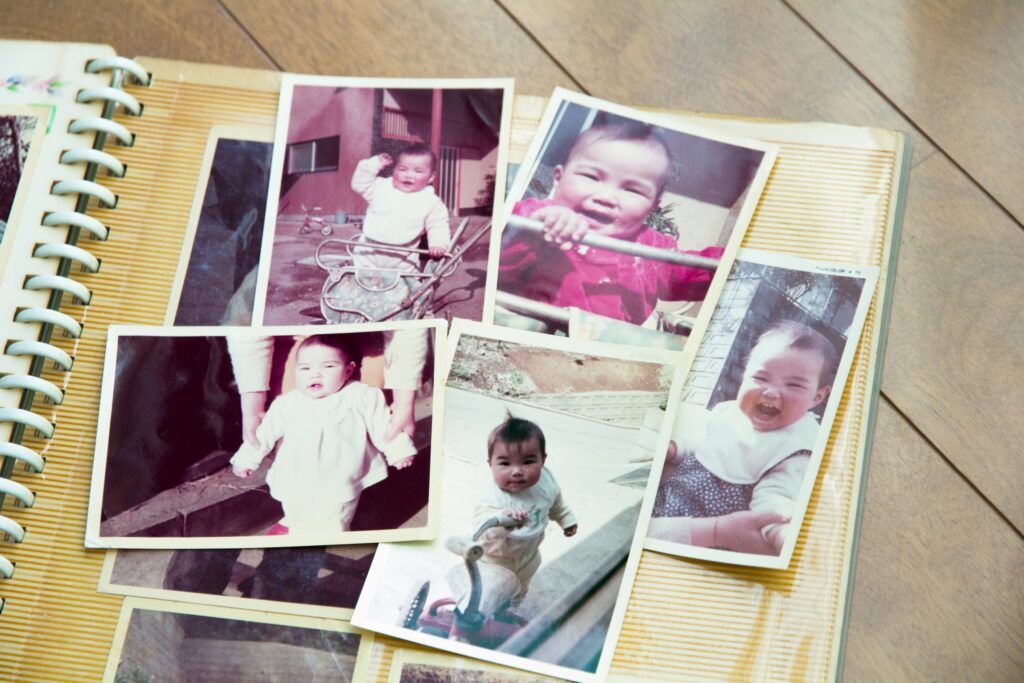
One respondent said, “In my storage unit is a box of old photos and handwritten letters. They’re not worth much money, but they hold memories and moments that can’t ever be replaced, which makes them more valuable than anything else in there.”
Research methodology:
Talker Research surveyed 2,000 Americans who have moved away from home who have access to the internet; the survey was commissioned by CubeSmart and administered and conducted online by Talker Research between Jan. 29 and Feb. 5, 2026.
To view the complete methodology as part of AAPOR’s Transparency Initiative, please visit the Talker Research Process and Methodology page.