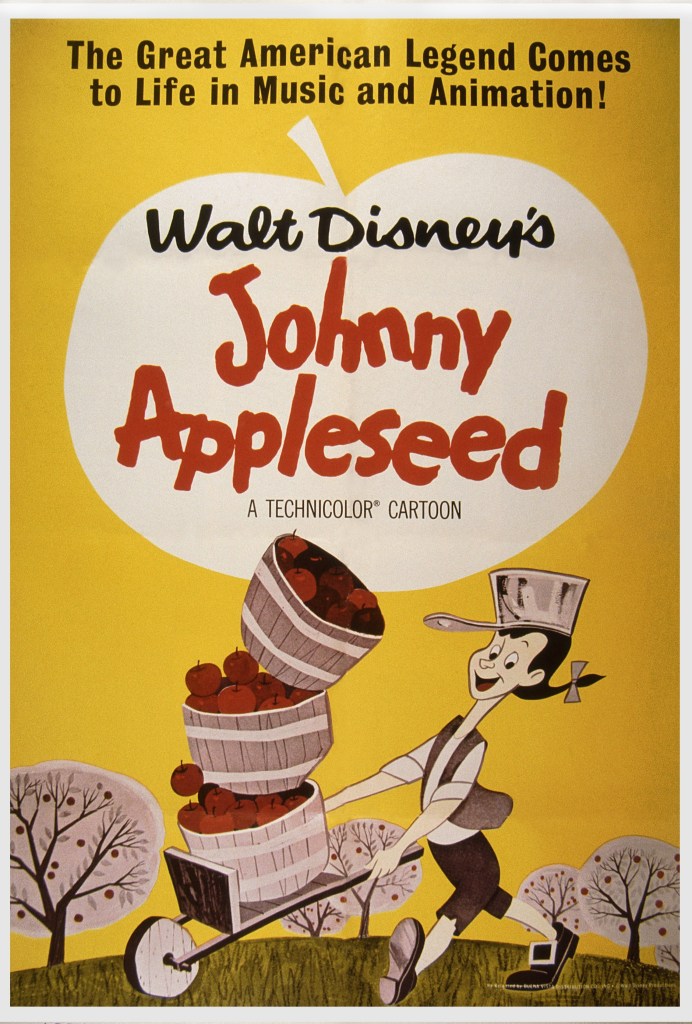
Johnny Appleseed is up there with Paul Bunyan and Davy Crockett as one of the key characters in American folklore. Most of us associate him with apple trees and the American frontier, but what exactly is the real story behind the fruit-loving figure? In celebration of today’s holiday in his honor, we thought we’d find out — and offer some tips on kickstarting your own spring garden, if you’re so inspired.
The Real Johnny Appleseed
While Johnny Appleseed is now the stuff of legends, he was indeed a real person by the name of John Chapman. Chapman was born in Massachusetts in 1774, just a year before the Revolutionary War began, and was one of 14 siblings and half-siblings. After learning how to be an orchardist from a local farmer, he commenced his famous journey westward in 1792 when he was 18 years old.

Much like his folkloric image suggests, Chapman had a reputation for sporting tattered clothing and traveling barefoot. A devout Christian, he often gave nicer garments to those who needed them. He was even known to wear and eat out of a tin hat, which may explain why many modern renderings depict him wearing a tin pot on his head. Unsurprisingly, Chapman was also a lover of nature and animals, so much so that he became a vegetarian. When mosquitoes flew into his fire one night, he said, “God forbid that I should build a fire for my comfort, that should be the means of destroying any of his creatures,” according to Treehugger.
Yet as whimsical and generous as he was, Chapman was also a shrewd businessman. While traveling as far west as Iowa, he collected apple seeds for free from cider mills and carried them in a leather bag — eventually earning the nickname “apple seed man,” and later, Johnny Appleseed. Throughout his journey, he strategically selected plots of land across numerous states, including Pennsylvania and Ohio, on which to build his many nurseries, which often secured his legal claim to the acreage.
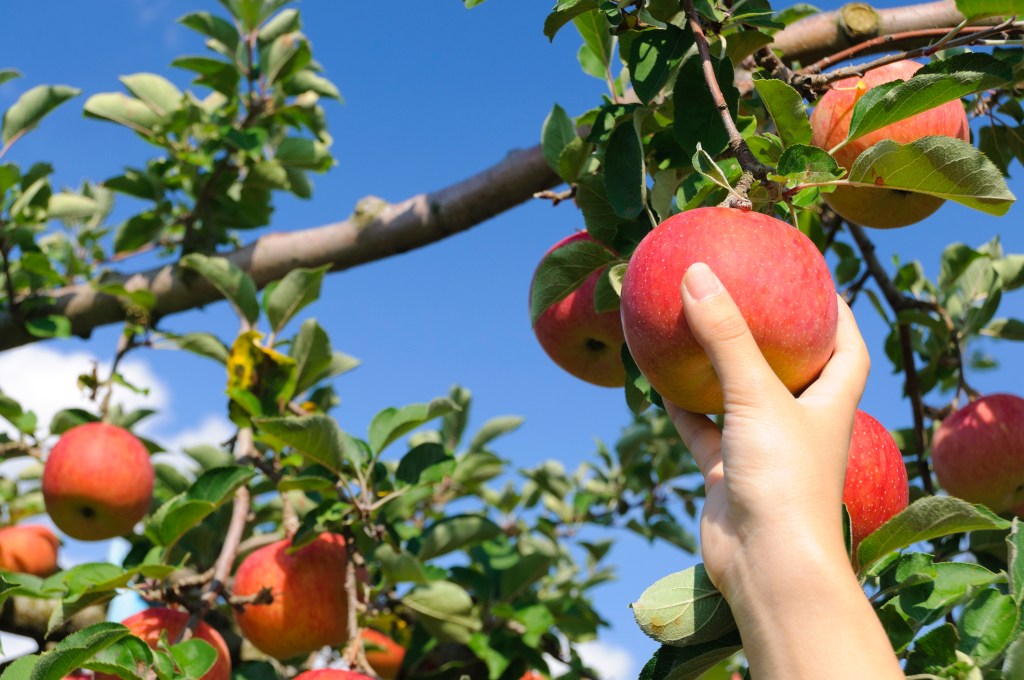
You wouldn’t want to bite into one of Chapman’s apples, though. Called “spitters,” they were tart and primarily used for making hard cider and applejack, two boozy beverages popular at the time. But they helped him rake in a fortune as he sold off his land and trees: Over his lifetime, Chapman planted across 100,000 square miles of wilderness, and at the time of his death in 1845, he owned 1,200 acres of nurseries (take a peek at his last-surviving tree).
Follow Johnny’s Lead
Though it may still be dreary outside where you live, spring is just nine days away, which makes this the perfect time to think about prepping your garden. Here are a few green-thumb goals you can get started on right now.
Get in the Zone
The plant hardiness zone, that is! The USDA’s Plant Hardiness Zone Map divides the country into 10-degree Fahrenheit increments based on their average annual winter temperatures, assigning them a numeral and either the letter “a” or “b” for each half-zone (mine is 10b, for instance). Enter your ZIP code in the search bar at the top of the map to find yours.
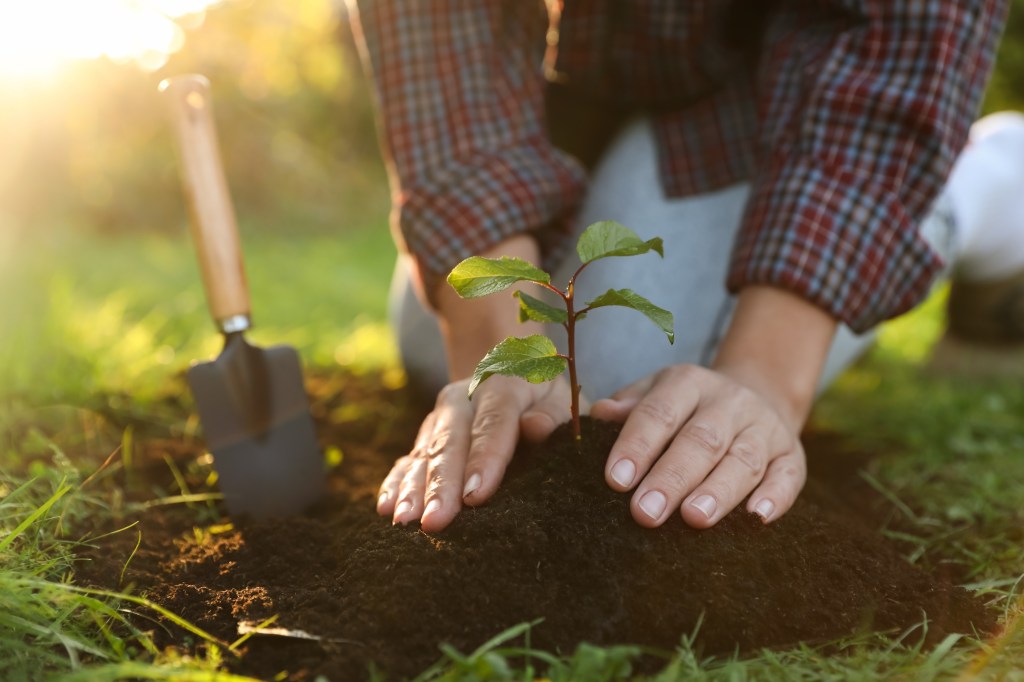
From there, you can figure out which plants are more likely to thrive in your zone during a specific month, either by researching online or checking their labels in person. Cauliflower, broccoli, and carrots are a few of the ideal choices for March planting in many warmer zones — check out a complete list here. And if the ground has thawed in your yard, now might also be a good time to channel your inner Johnny Appleseed and plant an apple tree.
Kickstart Your Spring Cleaning
It may be a little too early to start planting in your region, but you can still get your garden ready for when the sun starts to shine. Use this time to prune your trees and bushes, pull weeds when garden beds are dry, clear away dead branches and leaves, and generally ensure that your yard is all set for spring. And don’t forget about your tools: Make sure to clean and conduct maintenance checks on things like sprinklers and weeders.
Depending on weather conditions, it could also be a good month to test and prep your soil; measuring its nutrients and pH can help determine whether any adjustments are needed before planting begins (there are tools you can purchase online for this purpose). And if you’re still looking for more March garden tasks, check out this list of ideas, as well as this guide that breaks chore recommendations into plant hardiness zones.
RELATED: Planning for Spring’s Garden? Bees Like Variety and Don’t Care About Your Neighbors’ Yards