This article was originally written by Filipa Gaspar for SWNS — the U.K.’s largest independent news agency, providing globally relevant original, verified, and engaging content to the world’s leading media outlets.
A team of scientists has been hard at work at a U.K. laboratory developing a vaccine against a strain of hantavirus, the virus family at the center of the recent deadly outbreak on the MV Hondius cruise ship.
Hantaviruses are carried by rodents such as mice and rats and are most commonly transmitted by their droppings and urine. Transmission between people is rare, and the World Health Organization has said the risk to the public from the current spate of cases is low. There is no vaccine or specific antiviral treatment for infections, however, which can range from mild to life-threatening.
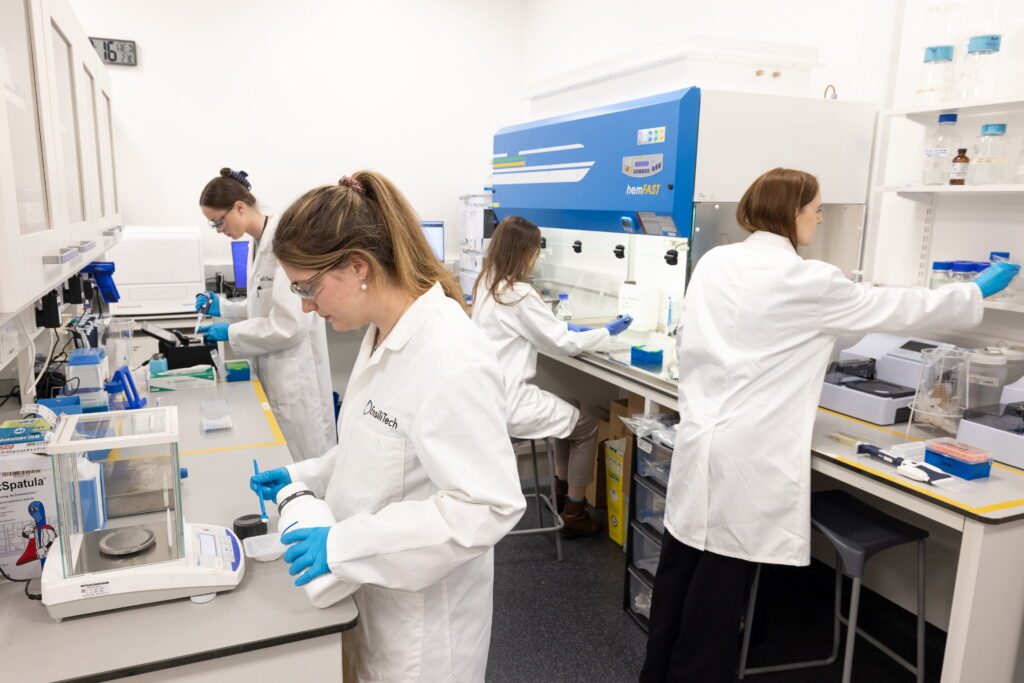
The international group of scientists say they’ve created a new antigen against Hantaan disease, a type of hantavirus, and are seeing promising early signs of its effectiveness. (For context, the strain responsible for the cruise ship cases is Andes virus.)
“This is a completely new vaccine that has now been tested in the laboratory and in animal models, indicating excellent immune response,” chemistry researcher Asel Sartbaeva told SWNS. “While more work needs to be done to bring this vaccine to public (clinical trials and approvals), this is a very promising development of a completely new and needed vaccine.”
Many vaccines can only be transported at freezing temperatures, but Sartbaeva and the team at EnsiliTech, a Bristol-based startup that spun out from England’s University of Bath in July 2022, are aiming to change that with a method called ensilication.
EnsiliTech’s ensilicated mRNA platform removes the need for cold storage and has the potential to revolutionize vaccine distribution, per the scientists, who’ve been working on the method for the past 15 years. It involves “encasing vaccines with very tiny layers of inorganic material to make them thermally stable,” Sartbaeva explained to the BBC.
She added: “This thermostabilization work is really important today because there are still countries around the world which do not have refrigerators, do not have electricity, do not have even sometimes a road to put the refrigerated vehicle on.”
RELATED: Scientists Harness “Pharaoh’s Curse” Toxic Fungus to Create an Anti-Cancer Drug