Strong bones are key to supporting our overall health as we age, storing vital nutrients and helping prevent serious injuries if we fall. And while getting enough calcium and vitamin D is critical for keeping them in tip-top shape, we shouldn’t overlook the role that exercise plays.
Bones are living tissue, constantly breaking down and being replaced. Osteoporosis causes this process to slow, so that the creation of new bone can’t keep up with the loss of old bone. As we get older, maintaining strength, balance, mobility, and coordination also becomes increasingly important.
Fitness trainer James Lewis, who has 15 years of experience in the health and wellness industry, believes in taking a holistic approach to exercise as we age.
“I’ve always encouraged people to focus on exercises that help them move well, stay strong, and feel confident in what their body can do,” Lewis told Talk to the Press, adding: “Ultimately, it’s about building a body that continues to work well for you, so you can keep doing the things you enjoy for as long as possible.”
He explained that doing weight-bearing exercises is one of the simplest ways to maintain bone health, strength, and mobility, and he noted that they don’t require a gym membership.
“Everyday activities, such as walking, climbing the stairs, gardening, and carrying the shopping bags, place healthy stress on our bones and muscles,” said the London-based trainer, who works with clients of all ages, including care home residents. “The movement can be simple, either by taking the stairs instead of the lift, walking to the shops instead of driving, and taking standing-up breaks while working.”
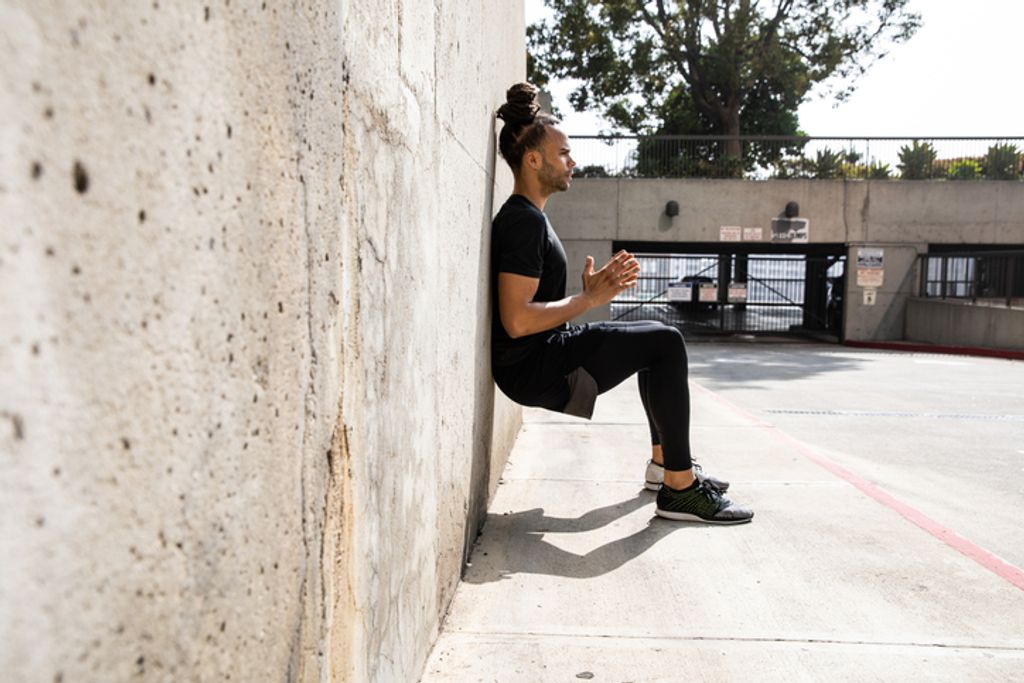
Lewis also shared five specific exercises that can be done with zero equipment, adapted to different abilities, and — when performed consistently — help older adults stay active and independent. They don’t necessitate an hourslong time commitment, either. Rather, he recommended about 15-20 minutes in total a few times a week.
Engaging in appropriate exercise routines not only helps seniors keep up their independence but also contributes to a higher quality of life. “I’m a big believer that exercise shouldn’t just be about how you look,” Lewis explained, adding: “Being strong is great, but I also want to be able to move freely, maintain a good range of motion, and have my body feel capable as the years go on.”
If you have osteoporosis or osteopenia (low bone density), be sure to consult with a health care provider before starting a new fitness routine.
Standing Side Leg Raise
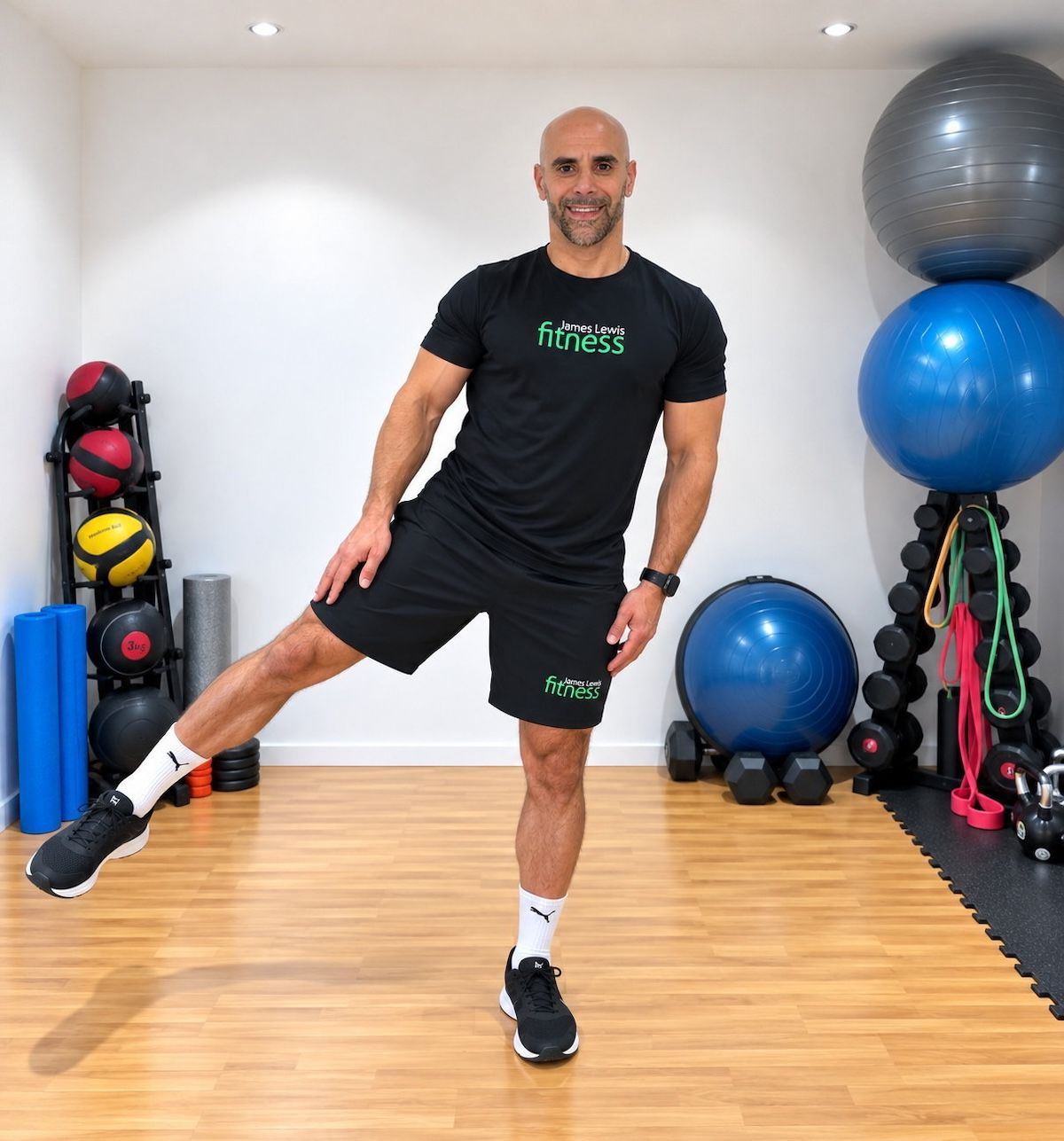
For balance and hip strength
Two sets of 8-12 reps on each side
Stand tall on one leg and slowly raise the other leg out to the side. Keep your body upright, pause, then lower with control. This is a simple way to strengthen the hips while improving balance and stability.
Bodyweight Squat
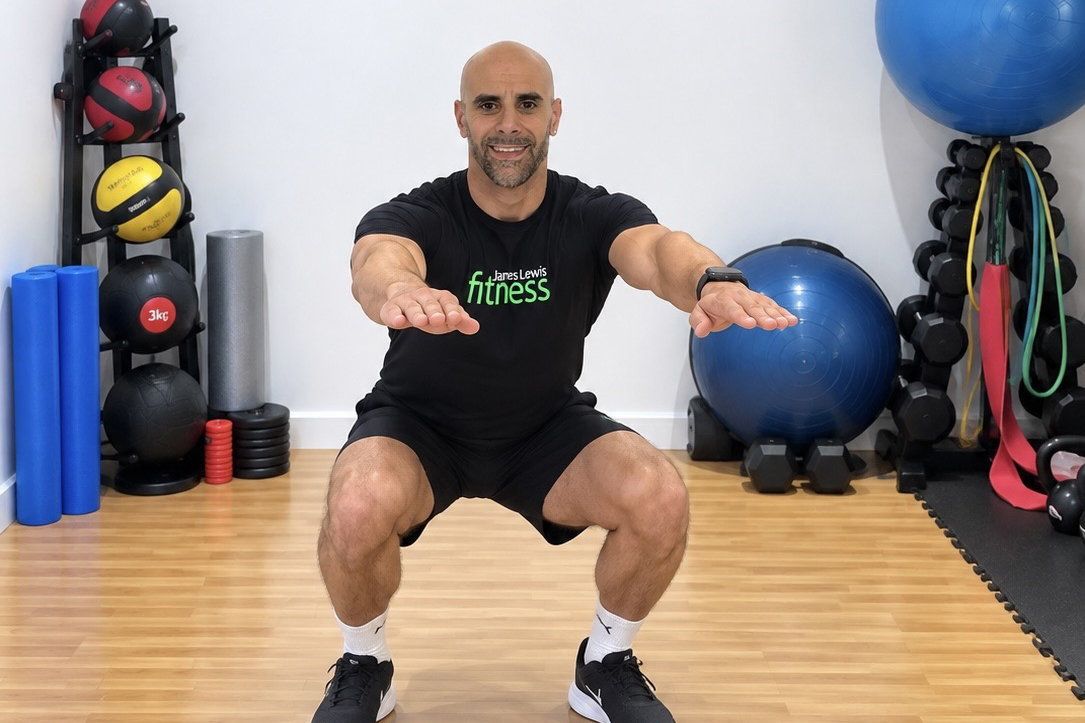
For lower body strength
Two sets of 10-15 reps
With your feet about shoulder-width apart, push your hips back and bend your knees as if sitting into a chair. Keep your heels and arms controlled. “Squats help maintain lower body strength, which is important for simple things like getting up from a chair or climbing stairs,” said Lewis.
Overhead Reach With Calf Raise
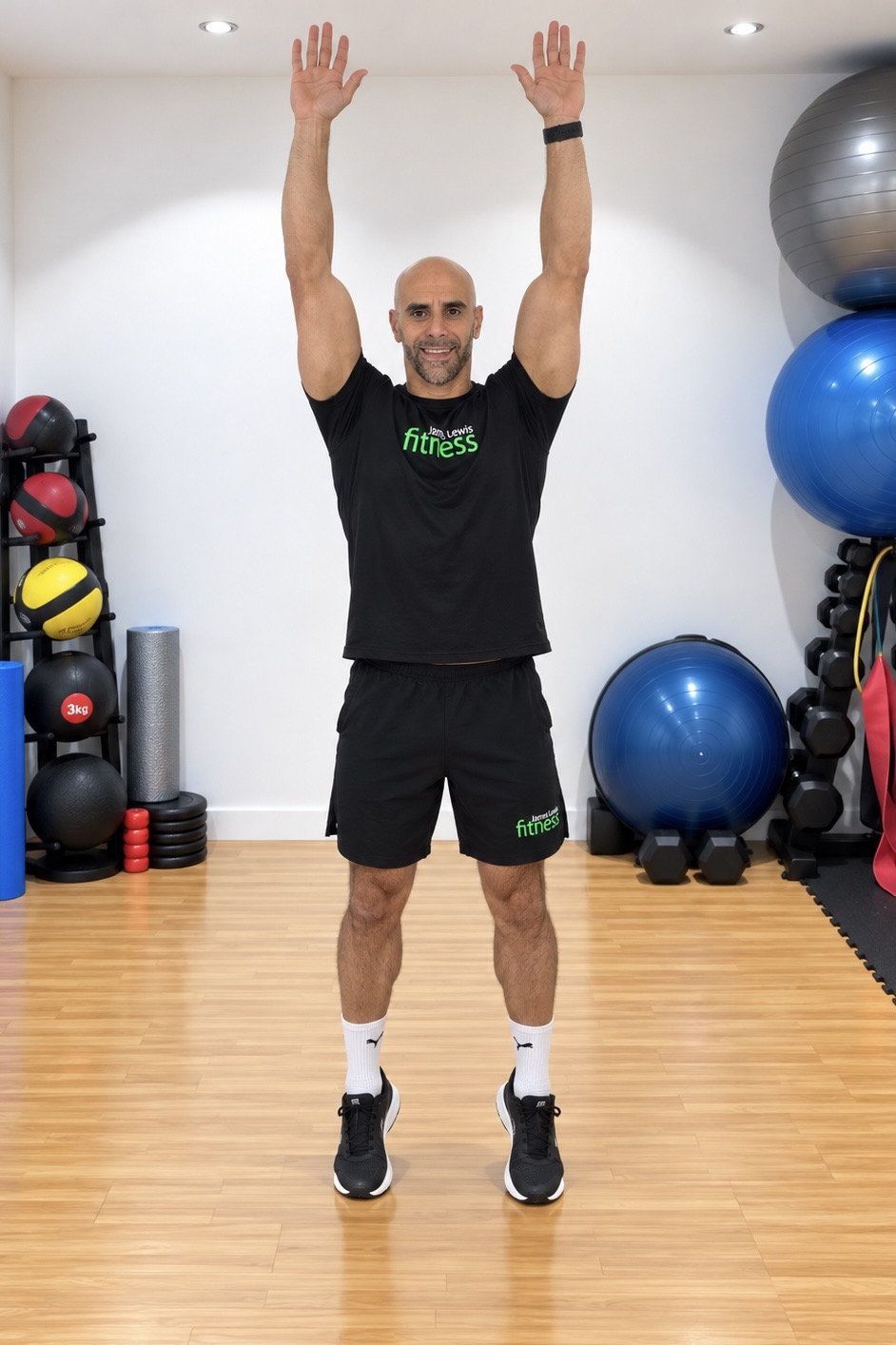
For mobility, posture, and calf strength
Two sets of 8-12 controlled reps
Stand tall and reach both arms overhead as you slowly rise onto your tiptoes. Pause briefly at the top, and then lower your heels and arms with control. This combines shoulder and upper back mobility with calf and ankle strength, while also challenging balance and stability.
Single-Leg Balance
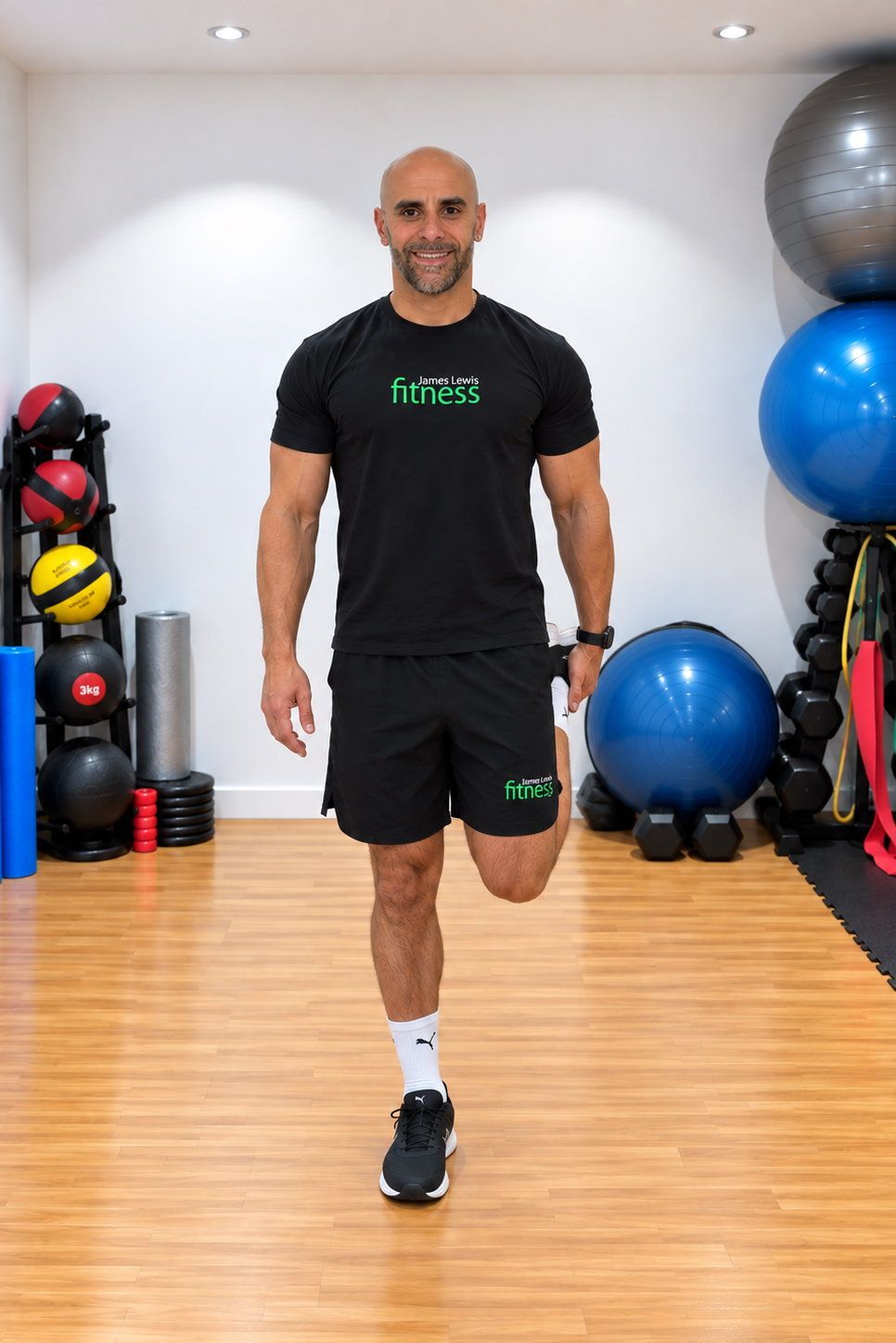
For stability and coordination
Hold for 20-30 seconds on each side, twice
Stand on one leg and lift the other foot behind you. Keep your standing knee soft and focus on a fixed point ahead. Hold, and then change sides. “Single-leg exercises challenge balance and stability, while movements such as the bird dog strengthen the core and help us control and support the body,” Lewis explained.
Bird Dog
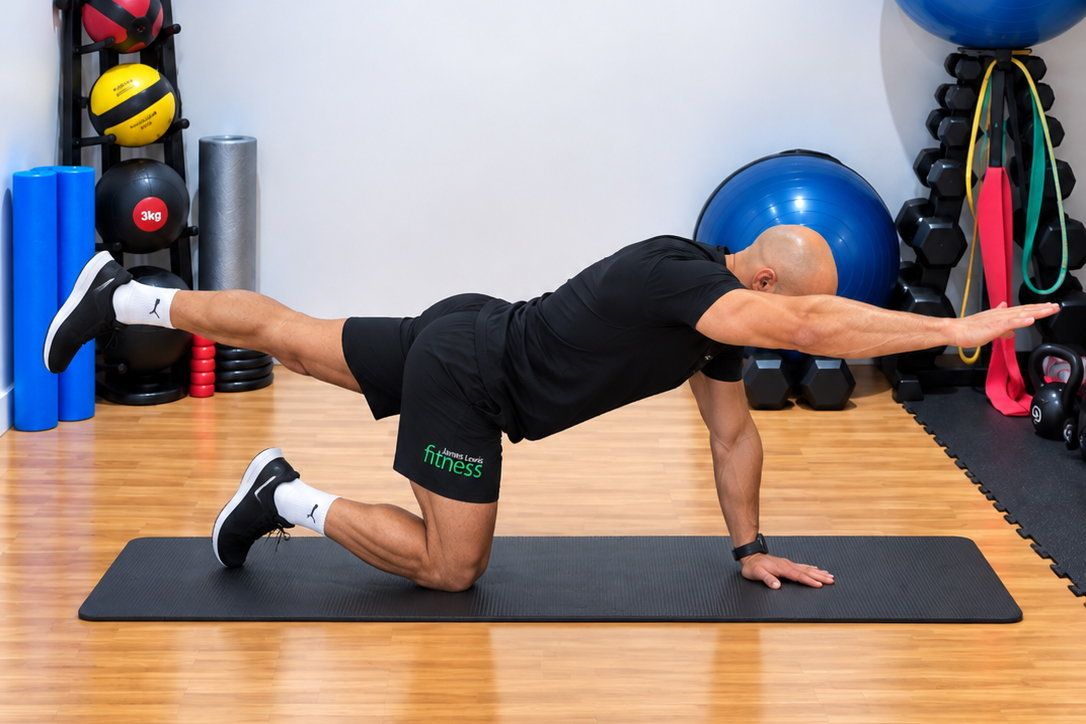
For core strength and control
Two sets of 8-10 reps on each side
Start on your hands and knees. Extend one arm forward and the opposite leg behind you, keeping your hips level and your core steady. Return slowly and switch sides. This is excellent for core stability, coordination, and controlled movement.
This article was originally written by Ben Barry for SWNS — the U.K.’s largest independent news agency, providing globally relevant original, verified, and engaging content to the world’s leading media outlets.
RELATED: The Benefits of Morning Exercise — And 5 Workouts You Can Try Today