This article was originally written by Faye Mayern for SWNS — the U.K.’s largest independent news agency, providing globally relevant original, verified, and engaging content to the world’s leading media outlets.
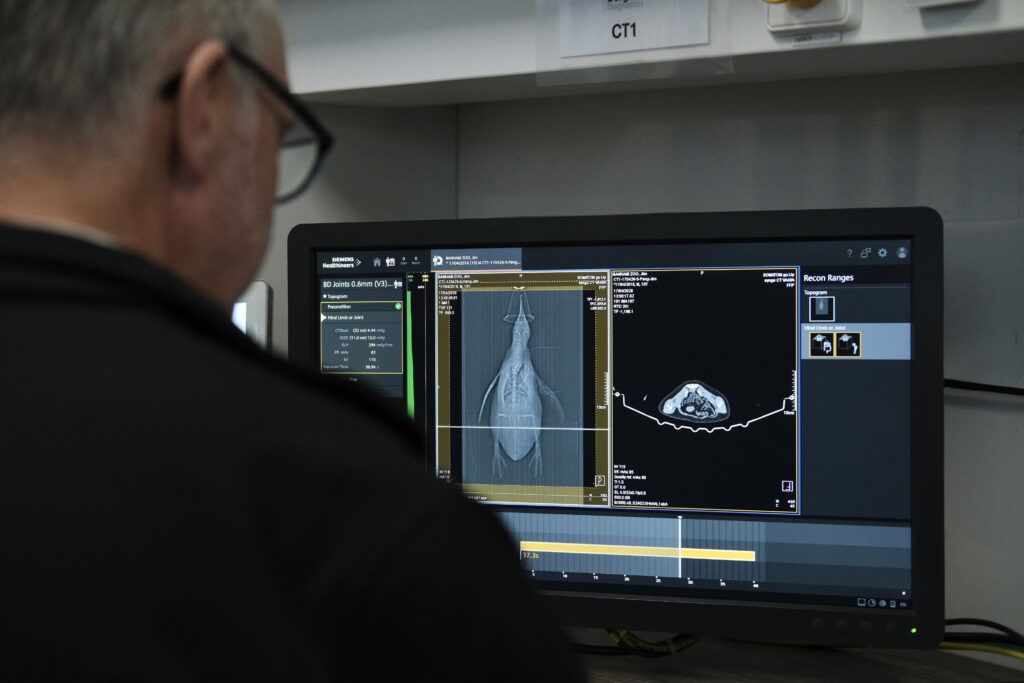
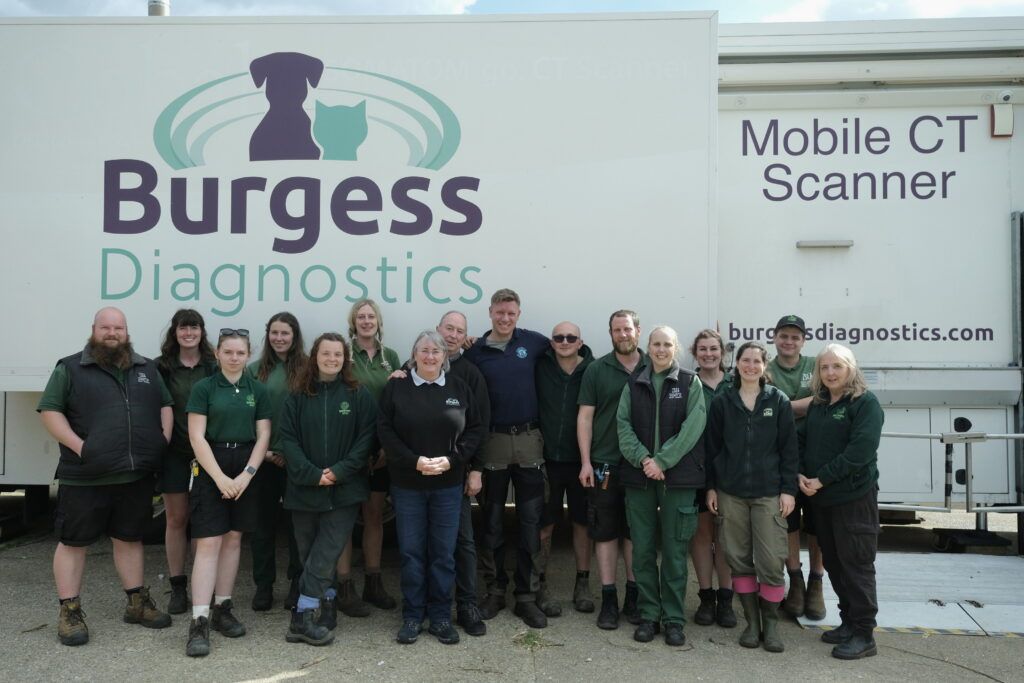
England’s Banham Zoo has massively upgraded its animal care. For the first time, it brought a specialist mobile CT scanner on-site, allowing zoo residents to undergo scans that give veterinarians a better understanding of their health.
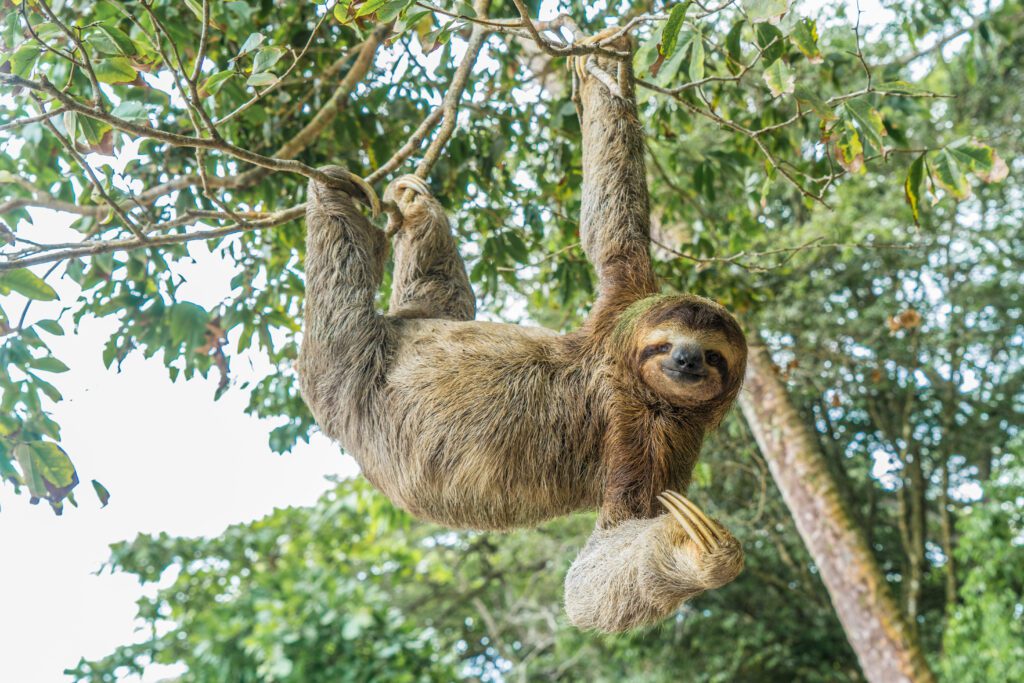
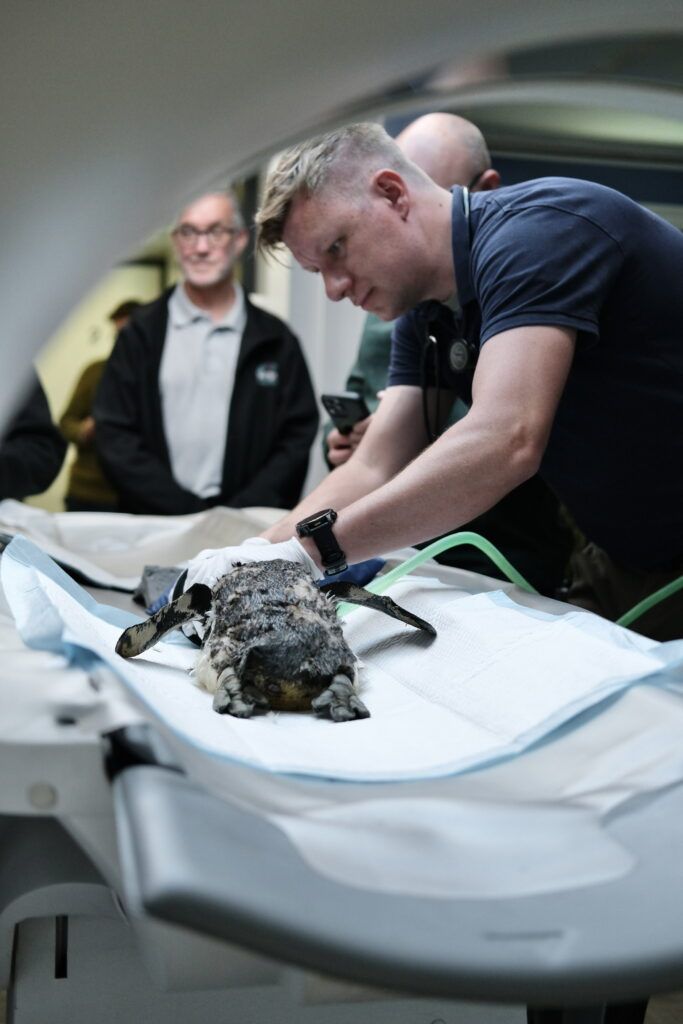
An Amur tiger named Mishka received a checkup with the scanner, as did fellow zoo residents Tana, a cheetah; Arlo, a two-toed sloth; Jim and Bob, two African black-footed penguins; Foster, a Rüppell’s griffon vulture; and Grub, a meerkat. (You can see behind-the-scenes footage from the zoo here.)
“By bringing this technology to them, we’ve been able to reduce stress, learn more about their health, and continue giving every animal the very best care possible,” the zoo wrote in an Instagram post.
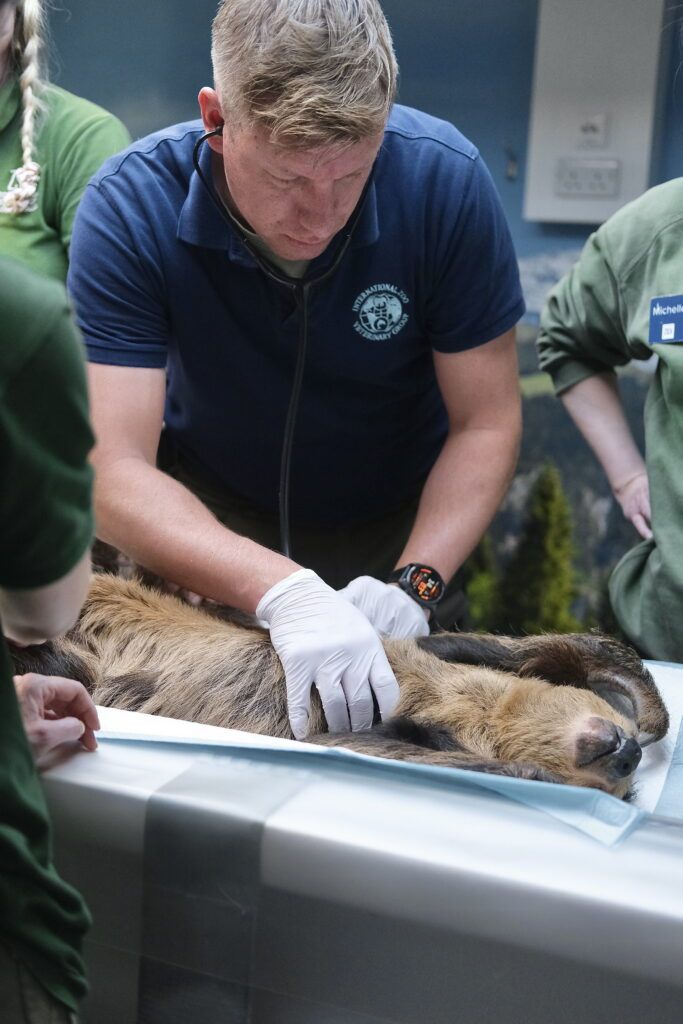
On April 17, staff used the tech to evaluate Mishka for bone or spinal problems and Arlo for anything that might be causing lethargy (more so than the average sloth). Zoo vet Elliott Simpson-Brown, with International Zoo Veterinary Group, told the BBC that the scanner enabled the team to non-invasively rule out underlying medical issues without requiring the animals to be transported somewhere unfamiliar.
“The keepers are looking after her really well,” he said of Mishka, who was sedated in her habitat before being moved to the scanner. “She’s actually currently really comfortable, so we are using this as the gold standard recheck to be able to ensure we are not missing anything else going on there.”
The results, set to be analyzed in detail by veterinary specialists, will help inform any ongoing treatment plans, flag new issues, or confirm that the animals remain in good health. “Every animal here matters, and we are constantly looking at ways to improve the care we provide,” zoo director Ross Snipp told SWNS. “Bringing a CT scanner on-site is a major step forward — it allows us to gain a much deeper understanding of health conditions and make more informed decisions about treatment and long-term well-being.”
He continued: “This isn’t just about the animals we’ve cared for today. What we learn will help build knowledge that can support conservation efforts for these species globally, which is something we’re incredibly proud to contribute to.”
RELATED: At a Scotland Zoo, 2 Baby Goats Wear Coats to Stay Warm in Chilly Weather