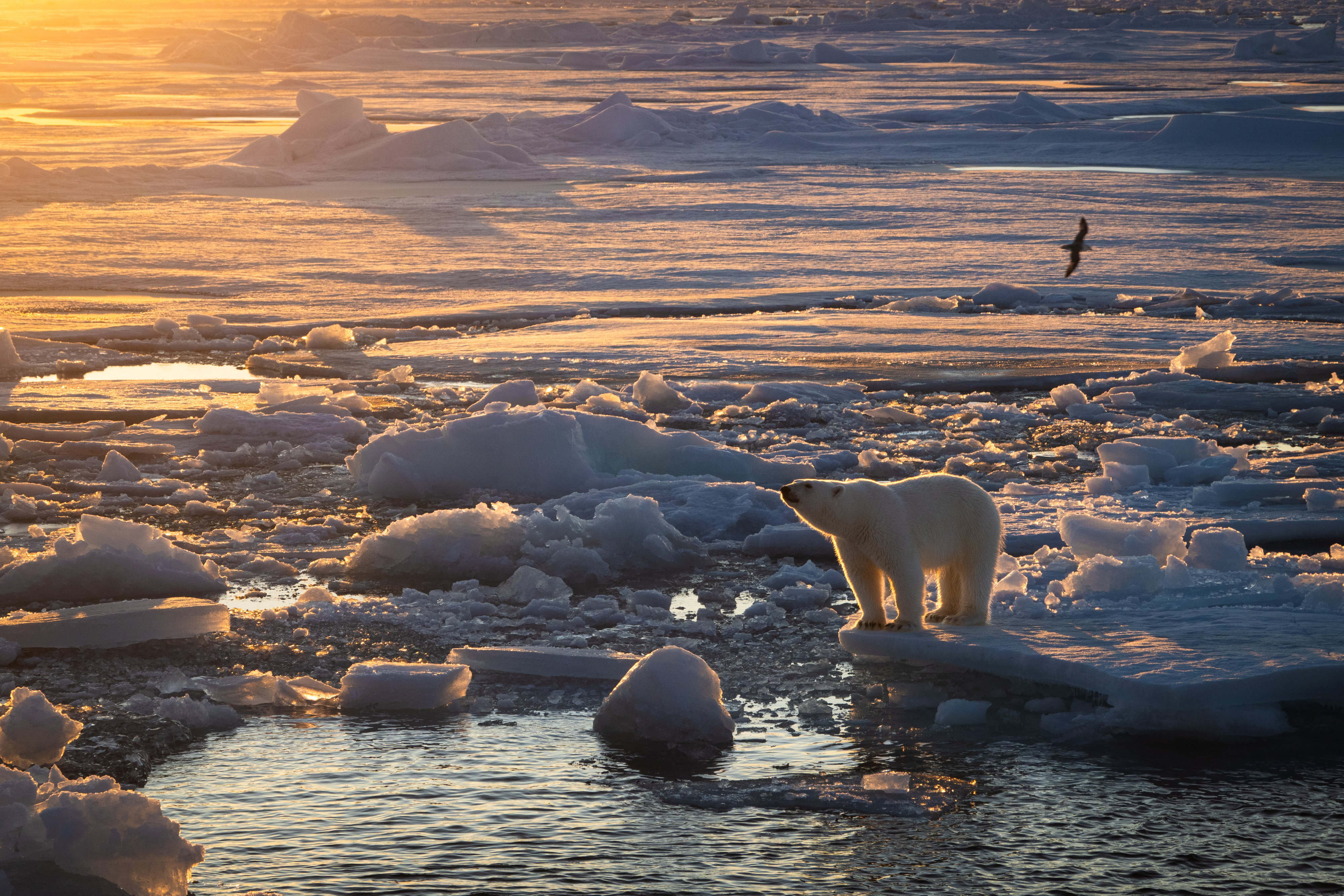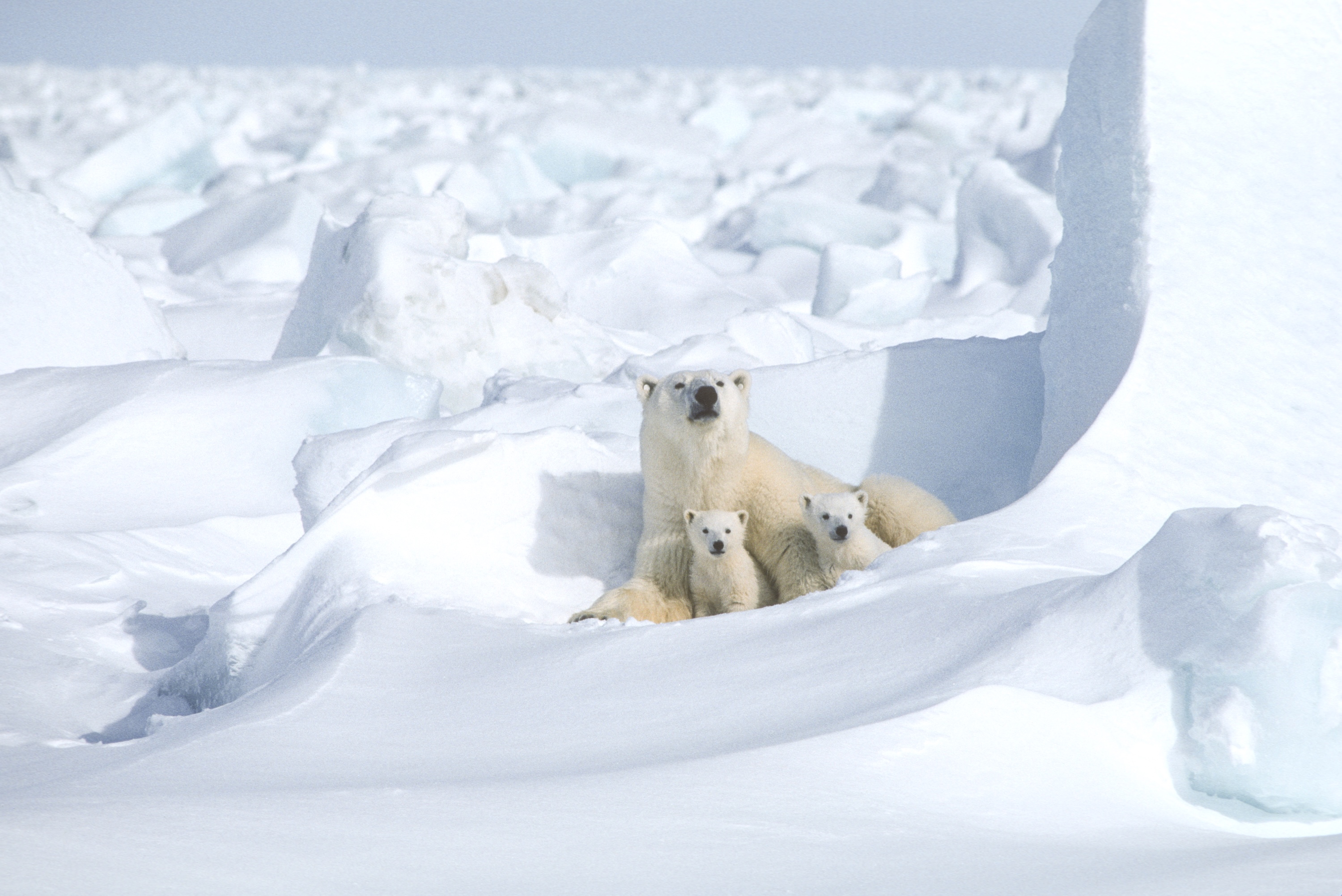
A sweet scene is currently taking place in the Arctic. Polar bear moms are cuddled up in dens with their newborn cubs, preparing to venture out onto the ice and get the serious child-rearing started. But the vulnerable youngsters — fewer than half of which may reach adulthood — need more than just their mothers’ protection. That’s why International Polar Bear Day was launched.
Hosted by nonprofit Polar Bears International and now in its 21st year, the Feb. 27 event both celebrates the species and raises awareness of its biggest threat: climate change. The overall objective is “to bring attention to polar bears and the importance of conserving their Arctic sea ice home,” Director of Science Alysa McCall told Nice News, “but we also founded the day to coincide with the time period when polar bear moms and cubs are snug in their dens.”
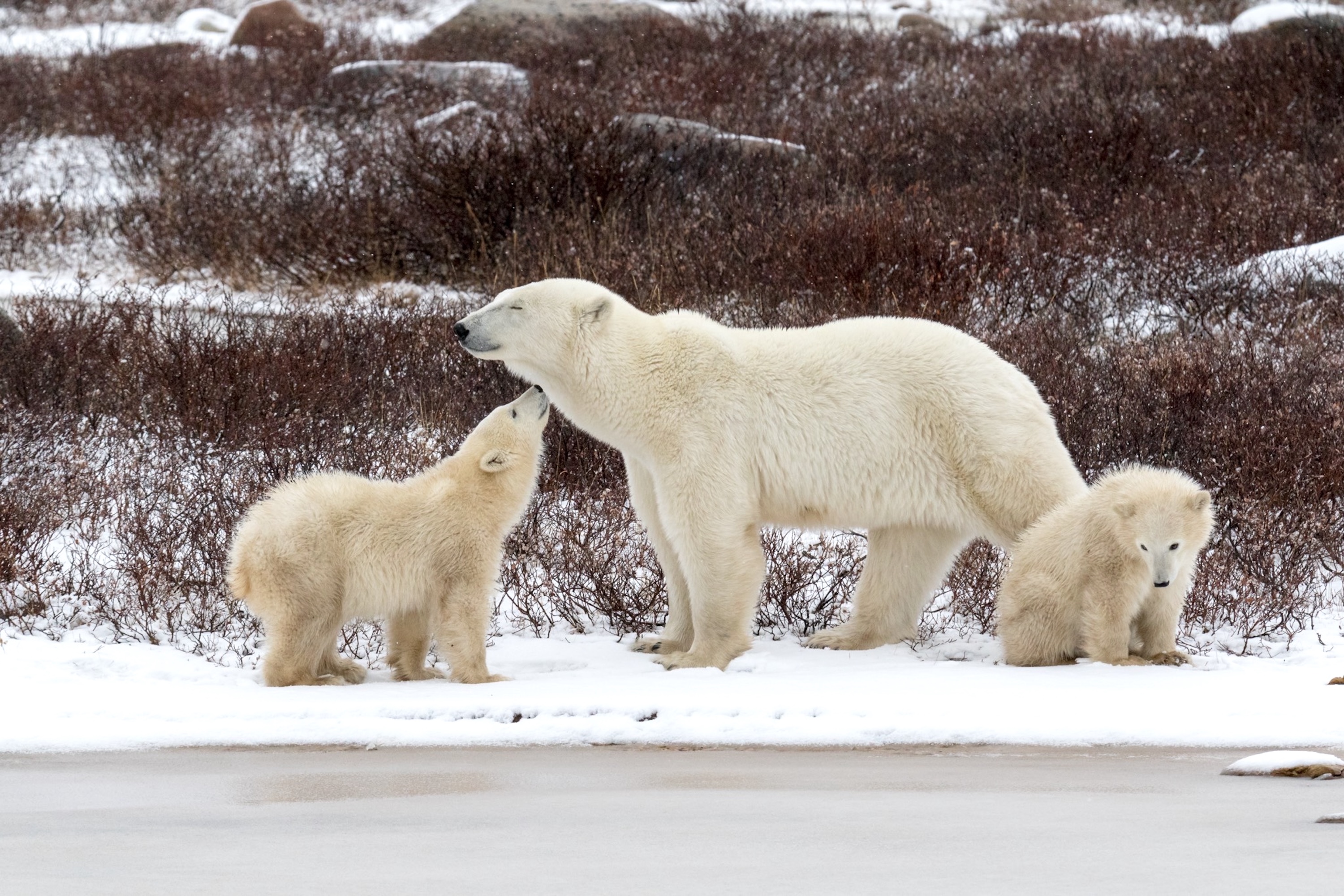
To participate, the public is invited to tune in to a live scientist chat on the nonprofit’s Facebook page today at 12 p.m. ET (a recording will be uploaded for those who missed it). You can also take action with the help of the org’s advocacy tool kit, and use the Polar Bear Tracker to track specific bears as they move along the Hudson Bay. One inspiring bear to keep an eye on is X33991 — the mom who adopted a cub this winter, a rare occurrence (follow her here).
Additionally, Polar Bear International takes the day as an opportunity to call attention to its Northern Lights Cam, a collaboration with explore.org and the Churchill Northern Studies Center in Churchill, Canada. While the live cam streams year-round, now is the ideal time for catching the glowing green phenomenon taking place overhead.
“February and March offer long, dark, clear nights that are especially good for viewing the aurora borealis,” explained McCall. “Churchill’s location under the auroral oval, a frozen-over Hudson Bay, and minimal light pollution make this one of the best times and places on Earth to watch nightly dancing light displays.”
Donating directly to the nonprofit is another great way to get involved. Along with its other scientific initiatives, the org conducts research specifically into denning mothers and their cubs, enabling conservationists to better support and protect the species as a whole.
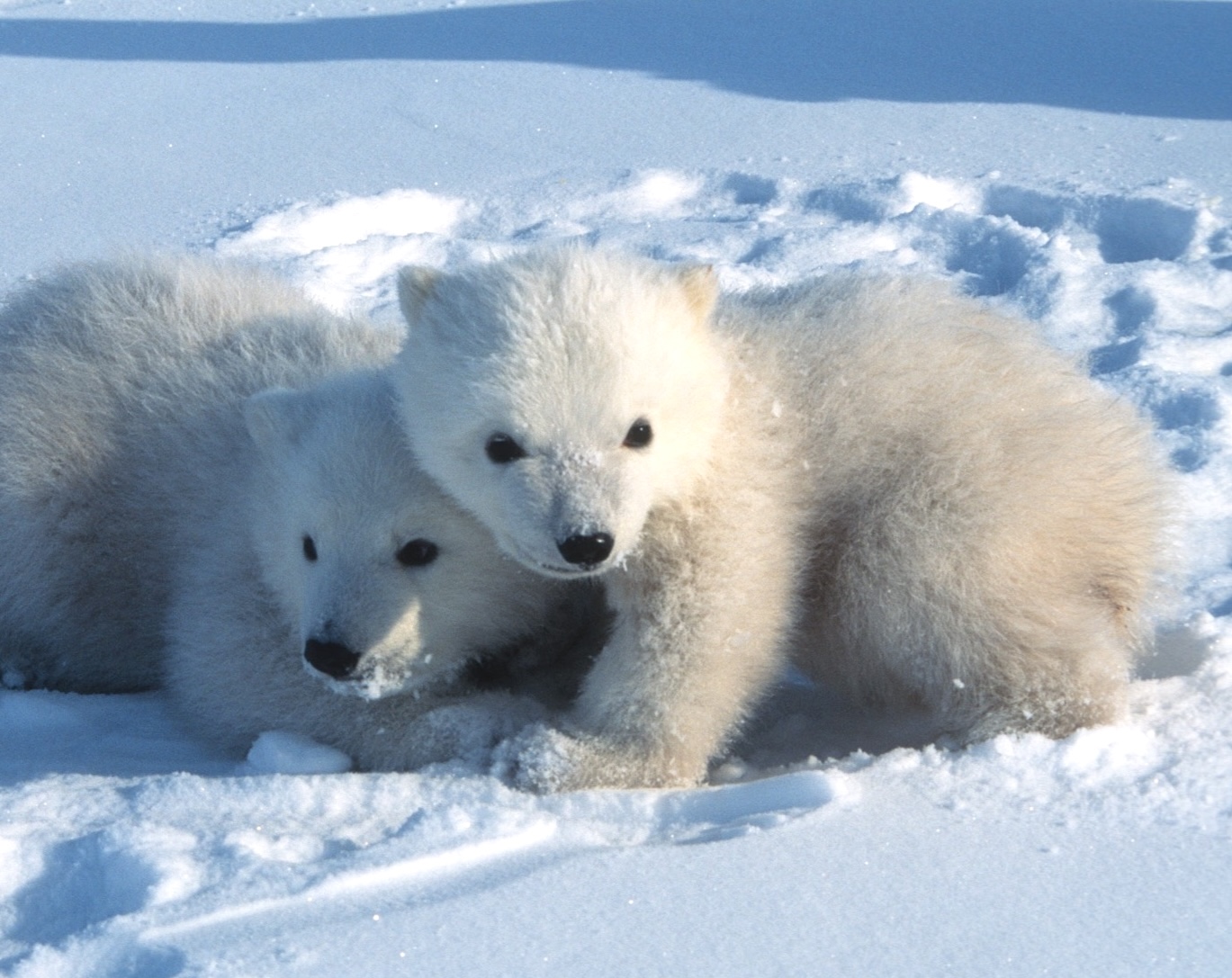
As McCall said: “In our warming world, where polar bears face enormous challenges, the survival of every single cub is critically important.”
RELATED: Svalbard Polar Bears Are Healthier Now Than 25 Years Ago, Scientists Say