This article was originally written by Stephen Beech for SWNS — the U.K.’s largest independent news agency, providing globally relevant original, verified, and engaging content to the world’s leading media outlets.
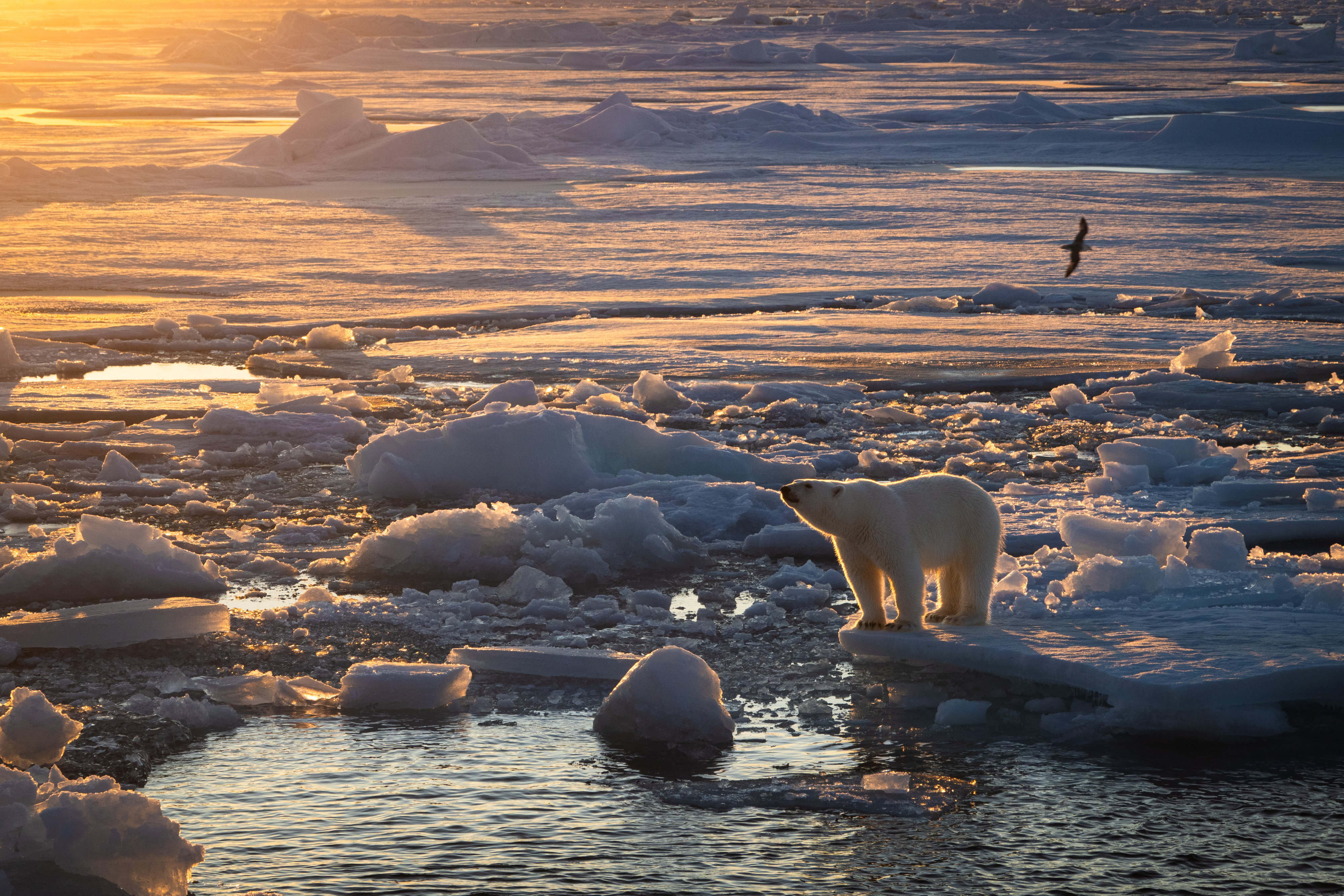
Polar bears play a uniquely crucial role in the Arctic ecosystem — and thankfully, one population in particular may be in better physical health than 25 years ago. A new study suggests that despite sea ice losses caused by climate change around the Norwegian island of Svalbard, the mammals’ fat reserves have increased.
Previously, scientists recorded that the temperature in the Barents Sea region, which lies southeast of Svalbard, has gone up by as much as 3.6 degrees Fahrenheit per decade since 1980. And since 2006, polar bears have been classified as vulnerable on the IUCN Red List. But the Barents Sea population has remained relatively stable since at least 2004, when a census counted about 2,650 individuals. So a research team at the Norwegian Polar Institute looked into the reasons for the population’s constancy.
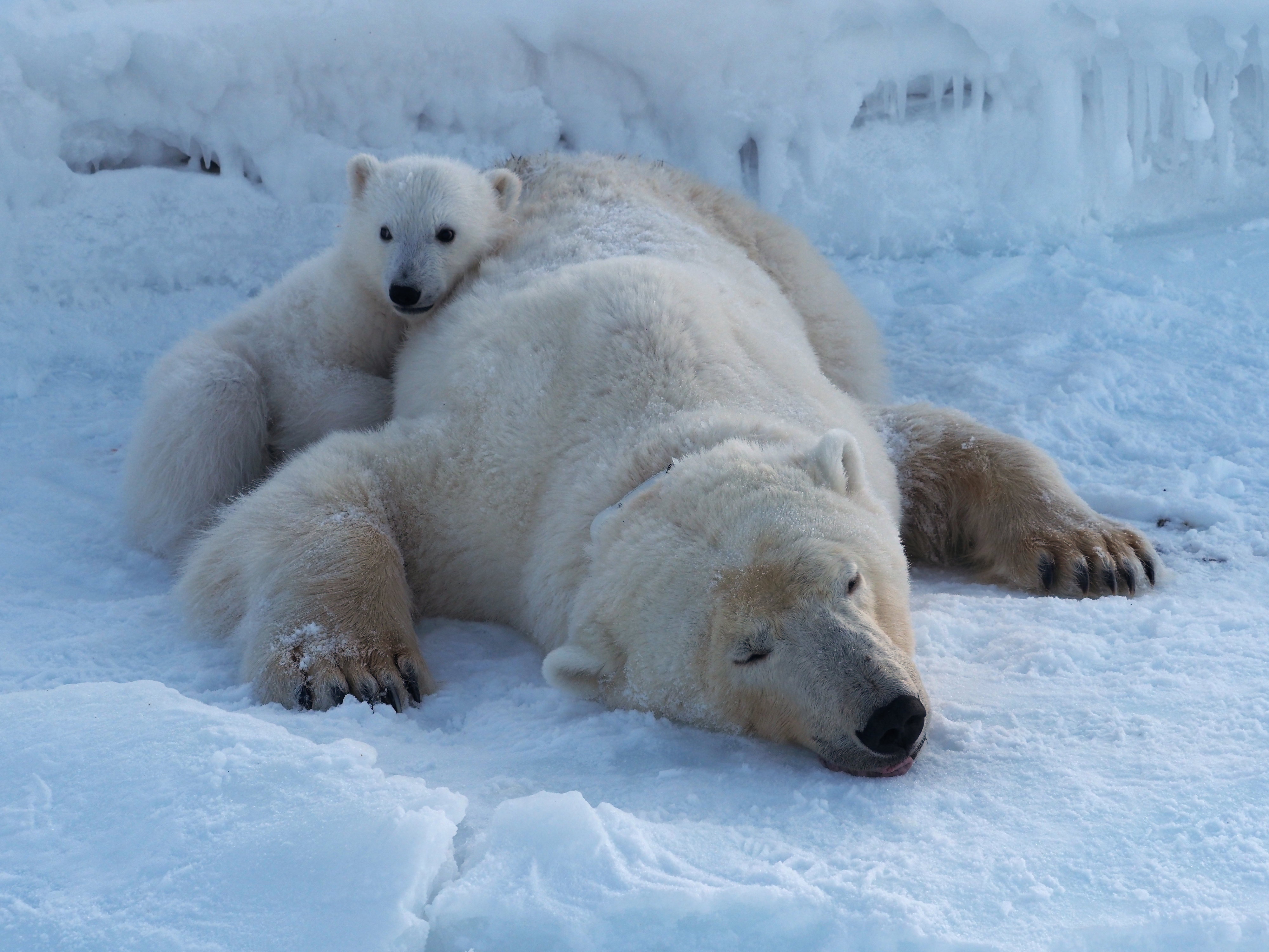
They used data from 1,188 body measurement records of 770 adult polar bears taken on Svalbard between 1992 and 2019. The researchers looked at changes in the bears’ body composition index, or BCI — an indicator of fat reserves and body condition — compared to the number of ice-free days in the Barents Sea region across the 27-year period. After the year 2000, the animals’ mean BCI increased, even though the number of ice-free days went up by about 100 at a rate of around four days per year.
That increase could be credited to the polar bears eating land-based prey like reindeer and walrus, whose populations have grown due to recent hunting protections. The researchers also believe that the bears may be hunting certain prey, like ringed seals, more efficiently, as sea ice loss has forced them onto smaller areas of ice.
“They’ve always been able to do the best of the situation and find new ways to do things,” lead author Jon Aars told The New York Times of the polar bears.
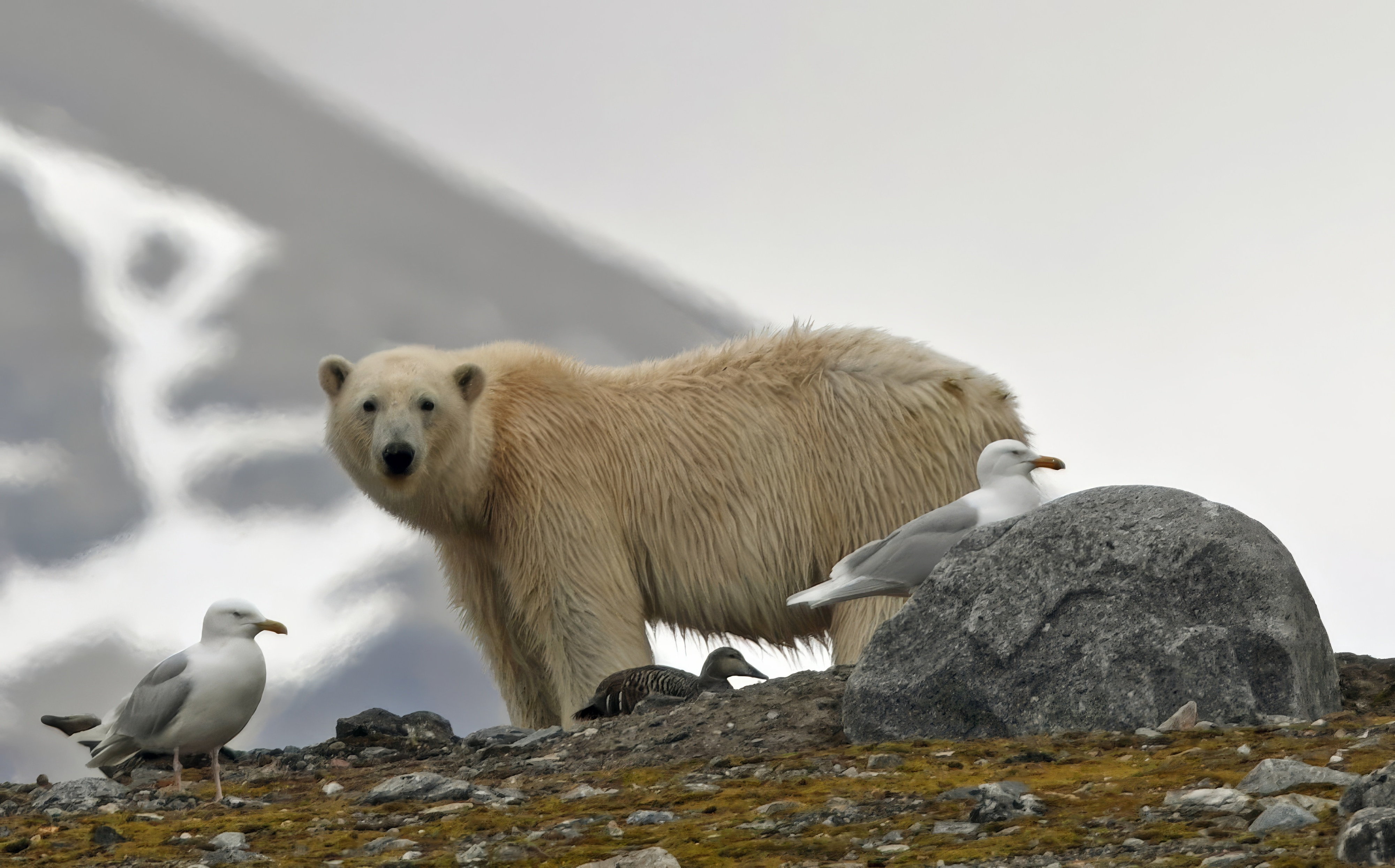
The team acknowledged in the study, though, that if sea ice levels keep declining, the distances between polar bear hunting grounds may continue to increase, causing longer swimming trips that are “energetically demanding.” Aars told the Times: “There will be a line, and when it’s crossed, we will see polar bears starting to lose weight and getting more problems surviving and reproducing.”
However, the recent findings have defied Aars’ expectations, a hopeful sign for the polar bears’ future. “When I started, if you asked me what do you think will happen, I would assume they would be struggling and they would get leaner, skinnier, and maybe you would see effects on reproduction and survival,” he said. “That was wrong.”
RELATED: Polar Bears Are the Stars of These Adorable Conservation Livestreams