For most, granola is simply a snack, enjoyed atop a morning bowl of yogurt or when the midday munchies hit. For refugees working with Beautiful Day, though, it’s a pathway to a better life. By teaching these individuals to make and package granola, the Rhode Island-based nonprofit helps equip them with the skills they need to find steady employment.
Eighty million people are displaced worldwide, according to Beautiful Day. Many U.S. refugees face significant challenges integrating into civilian life: minimal transferable skills, potential trauma from their home countries, and the inability to speak English well. A survey from the U.S. Department of Health & Human Services found that from a 2022 sample of refugees, only 42% rated their English proficiency as “well” or “very well.”
“If you were a nomadic camel herder from Somalia, you’re probably not going to be able to do that job here in the [U.S.],” Rebecca Garland, Beautiful Day’s associate director, told The Brown Daily Herald. She added that the refugees she works with “are not the kinds of people who are going to be able to get jobs in four months after the federal [assistance]” ends.
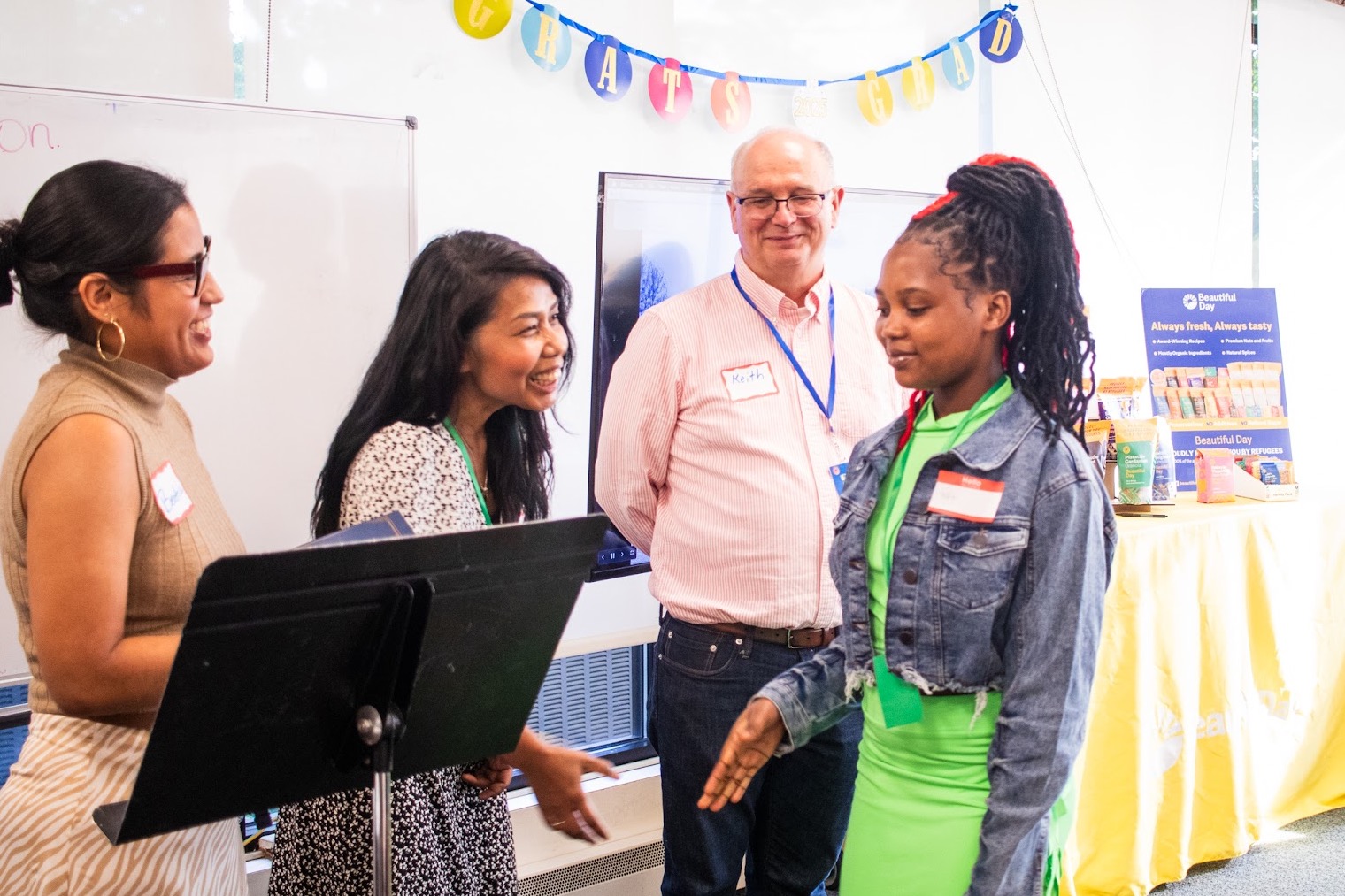
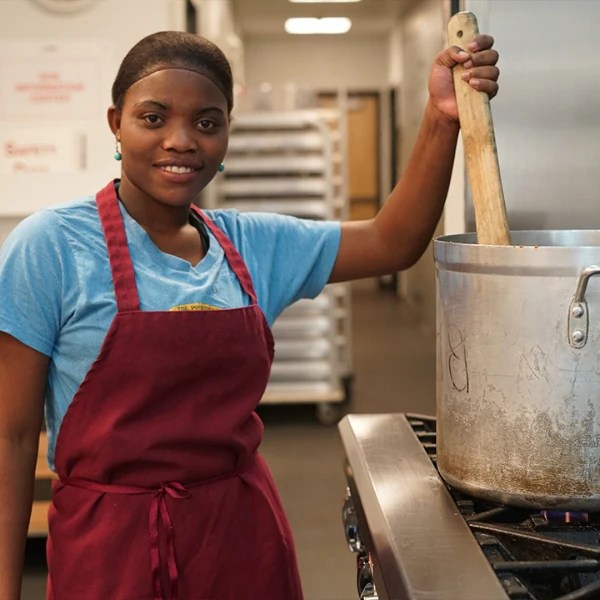
So through its Kitchen/Production Program, Beautiful Day pays adults to work in its Providence kitchen for four months, preparing and packaging granola as well as other specialty foods. This helps teach them English along with essential job and life skills, like confidence and teamwork, with resounding success: Over 70% of graduates have found permanent employment. Since Beautiful Day became a nonprofit in 2012, it’s trained more than 400 refugees from 14 countries, Garland told The Providence Journal in a September interview.
“Beautiful Day is not an ‘us-them’ endeavor. We’re in it together,” Executive Director Keith Cooper explained to Nice News. “We’re providing job training, job skills, and an introduction to the American workplace culture. Our trainees, who are mostly recent arrivals, bring determination and grit, an eagerness to learn, and a critical need to get a job. The result is pretty fun.”
The organization also has an option for younger refugees, who often encounter similar struggles with English as well as difficulty acclimating academically and socially. During its nine-month-long Youth Program, participants ages 15-18 first take a job readiness class. Then, they can practice their new skills in the kitchen or at farmers markets.
“Refugees do not set out to be fearless. But every time a new cohort begins one of our programs, I’m amazed all over again by what extraordinary people they are,” Cooper wrote in a 2024 annual report. “Our whole staff team feels lucky to do this work. It brings out the best in us.”
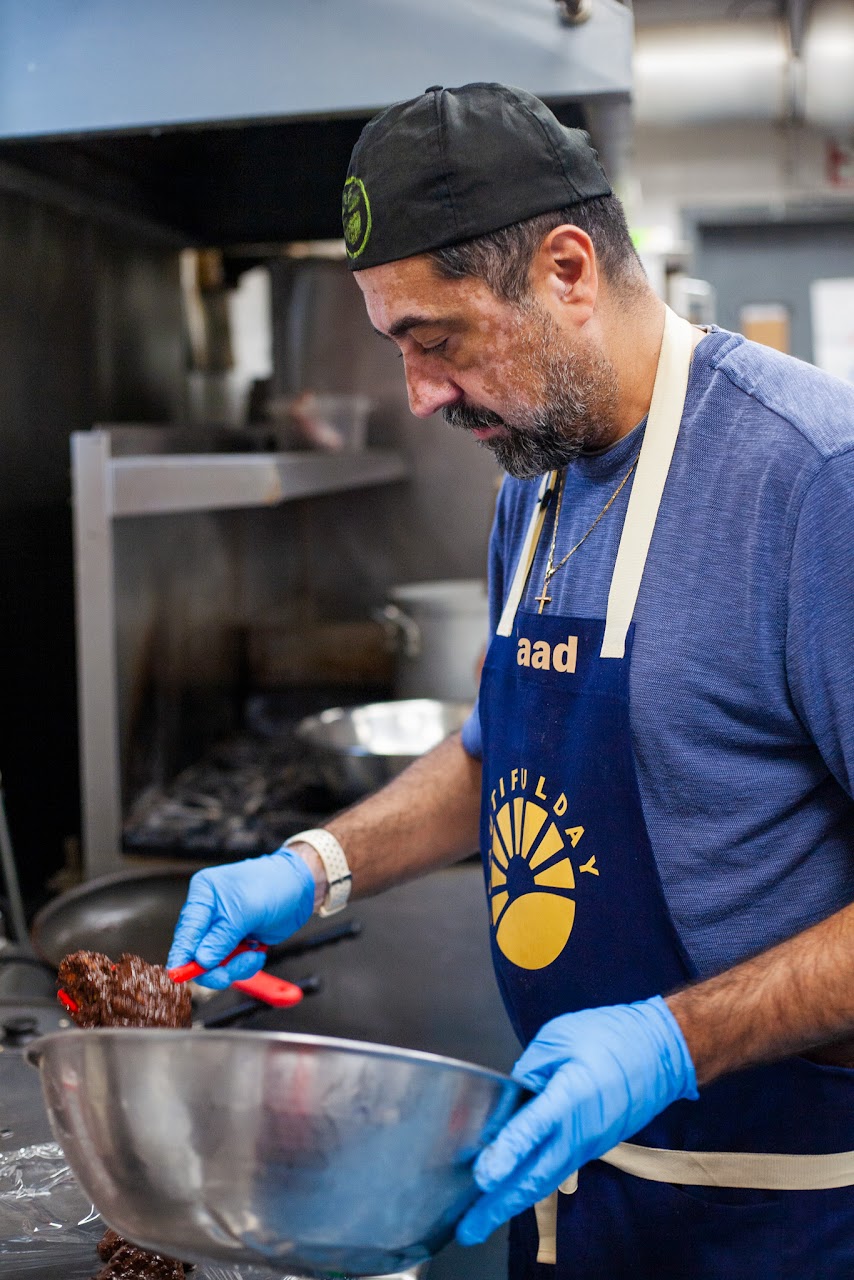
And why granola? It’s an “ideal product” for the adult program, the nonprofit explains on its website: “Making it is fairly labor intensive and involves many steps that can be taught through gestures with minimal English.” The gourmet bags and bars are available in a selection of flavors, including Pistachio Cardamom, Bourbon Pecan, and Bananas Foster. They can be purchased at farmers markets throughout Rhode Island and several stores on the East Coast, as well as through Beautiful Day’s website.
A by-product of the training programs is the beautiful community they create. Weekend farmers market sessions, during which adult refugees also sell granola, foster relationships between fellow trainees and customers — some of which have led to job offers. And this year, Beautiful Day began hosting weekly meals with staff and trainees.
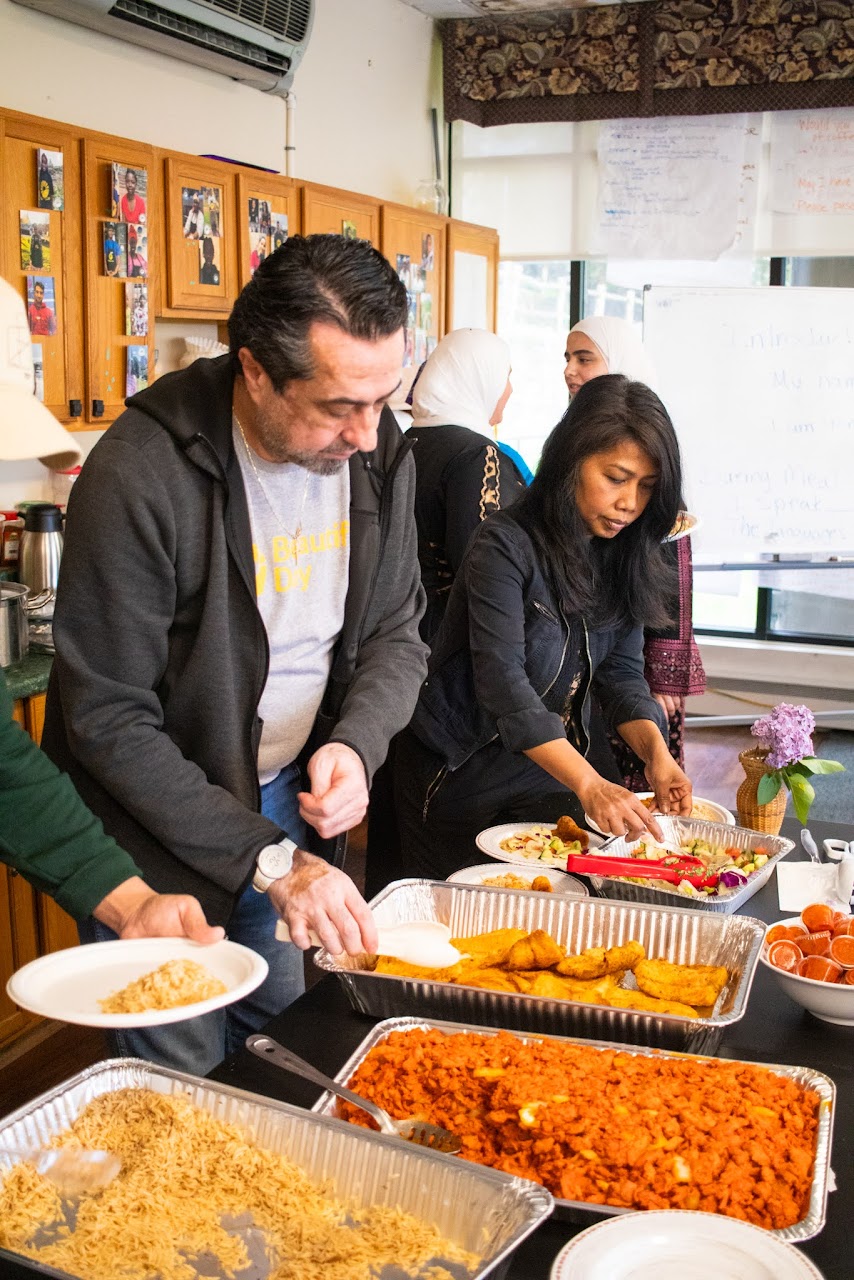
“We’re running a business. We’re baking a lot of granola. We’re out in the community selling it,” Cooper told Nice News. “This year we’ve set aside an hour every week to share a meal together — to enjoy each other’s company, learn about each other’s cultures, and practice English by answering a question. It’s a moment of discovery. There’s always a lot of laughter.”
RELATED: The Nonprofit Making Ikea-Style Flat-Pack Homes to House Refugees