When Sarah Shelke was 13 years old, a close teenage family member was diagnosed with depression. It was the first time Shelke witnessed mental health struggles in the real world, and her natural instinct was to educate herself. Within months, she’d enrolled in psychology classes at a community college.
“That was really where my idea for advocating for mental health accessibility came from,” Shelke, now 18, told Nice News, noting that her loved one “faced a lot of financial barriers and also cultural stigma to seeking help.” The daughter of South Asian immigrants, Shelke explained that, as can often be the case with families who move to the U.S., working hard was a top priority — accessing resources like therapy was not.
Her newfound understanding inspired her to create Mind4Youth, which began as an educational Instagram account when Shelke was 14. Today, it’s one of the world’s largest 100% youth-led nonprofits focusing on teen mental health, particularly for teens of color.
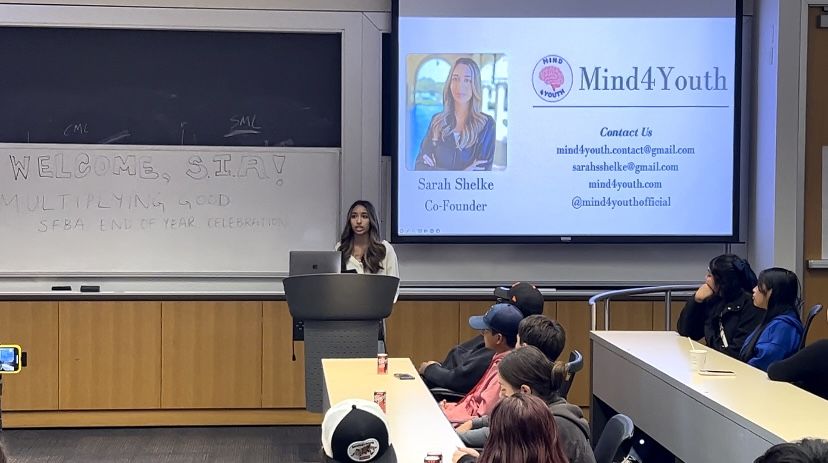
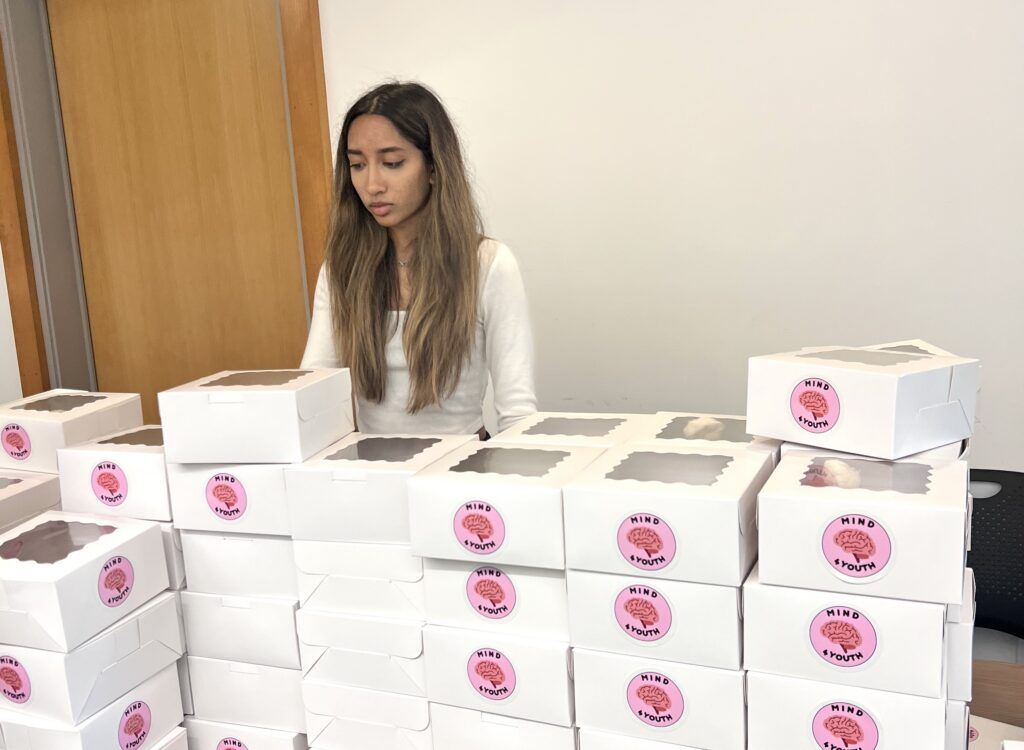
Mind4Youth has around 171 chapters in over 70 countries. Initiatives include providing self-care and “heart-care” kits to youth in homeless shelters and foster care, offering free therapy sessions, creating “kindness posters” to nurture compassionate environments in schools, and more. One program called ArtCare invites volunteers to design handmade cards, jewelry, or other crafts at home and send them in for recipients in need of TLC.
The nonprofit being run by teens is a key part of the organization’s success, per Shelke. “I think young people might feel like there’s a big difference when they have to speak to professionals who are a lot older than them,” she said. “They might not really feel like they can relate to them. And so I think by being a youth-led organization, we have a unique sense of connection with the people that we’re trying to help.”
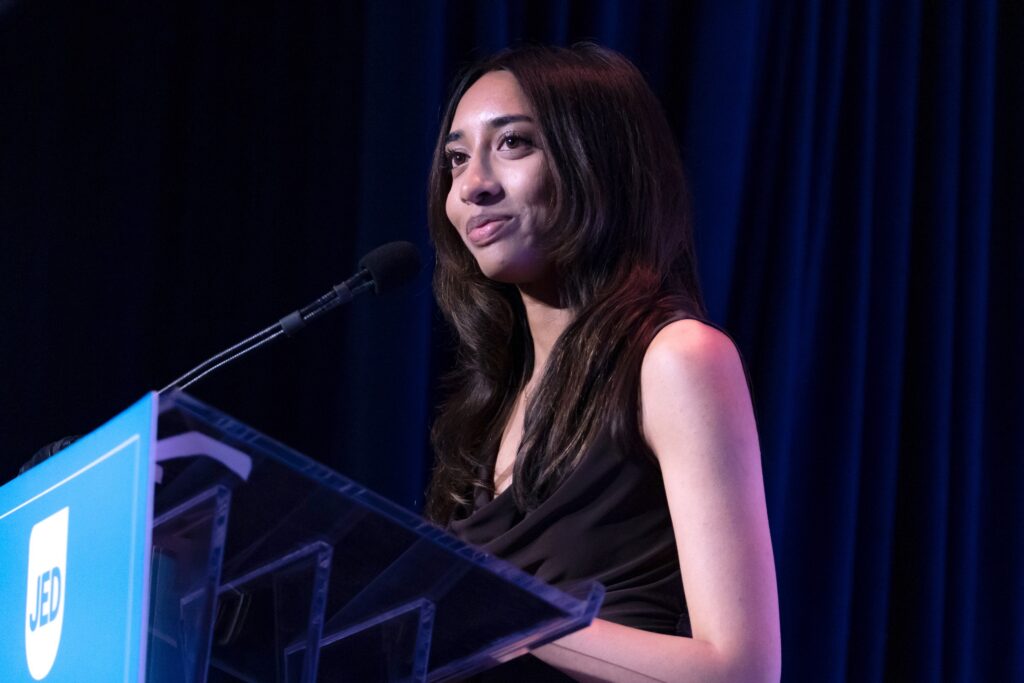
Last month, Shelke — who recently graduated high school in Cupertino, California — was honored for her work by The Jed Foundation, a national nonprofit that helps protect teens’ mental health. Each year, the foundation selects two recipients for its Student Voice of Mental Health Awards, recognizing one high school student and one college student who have advocated on behalf of their peers and school systems. Each awardee receives a $3,000 scholarship. This year’s college recipient is Kyra Wagner, a Spelman college rising senior from Nashville.
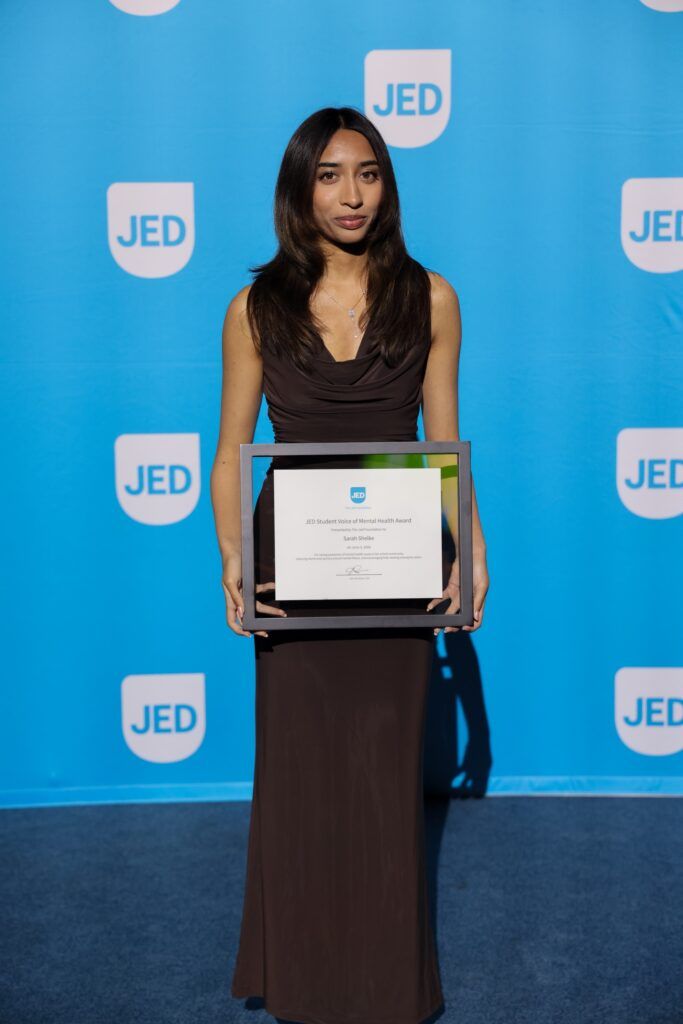
Shelke, who’s headed to UC Berkeley to study economics and neuroscience, has admired the foundation since starting her own advocacy work. She shared that whenever she needed statistics for grant applications or to simply learn more about mental health, that’s where she turned.
“The JED Foundation is where I would actually look for those kinds of resources,” she said. “And so it feels like a bit of a full circle moment with that.”
She continued: “I think [the honor has] also opened up a lot of doors and opportunities for me because especially being a young leader, it’s hard to have established credibility, but by being recognized by a very reputable organization, I think that it’ll definitely help me reach more young people and partner with adults and other companies having this award and moving forward.”
Her advocacy has made a difference closer to home as well. “Mind4Youth has had a really great impact in my family,” Shelke said, explaining that the more she scaled the org, the more involved her loved ones became in her work, attending in-person events and assembling kits alongside her. “I’ve seen it also just directly impact them as well. So they’ve become more open to the conversation around mental health.”
When we asked if there was anything else Shelke wanted to add as our interview wrapped up, she was quick to respond. “If I had to just leave kind of a message to young people, it would be to not feel alone or isolated,” she shared, adding: “And just to reiterate, your feelings are completely valid, and so I wouldn’t feel embarrassed if you did have to seek help or talk to someone.”
She noted that teachers, coaches, counselors, or any other trusted adult can be a good choice if a teen is unwilling or unable to speak to their parents about their mental health — though she recommends they consider giving the latter a try if possible. “I know it can be sort of an uncomfortable conversation to begin with, but eventually I think it is also sometimes important to just tell them what’s going on and see if they can help you as well.”
RELATED: Team Sports Can Improve Kids’ Mental Health, Study Shows