This article was originally written by Stephen Beech for SWNS — the U.K.’s largest independent news agency, providing globally relevant original, verified, and engaging content to the world’s leading media outlets.
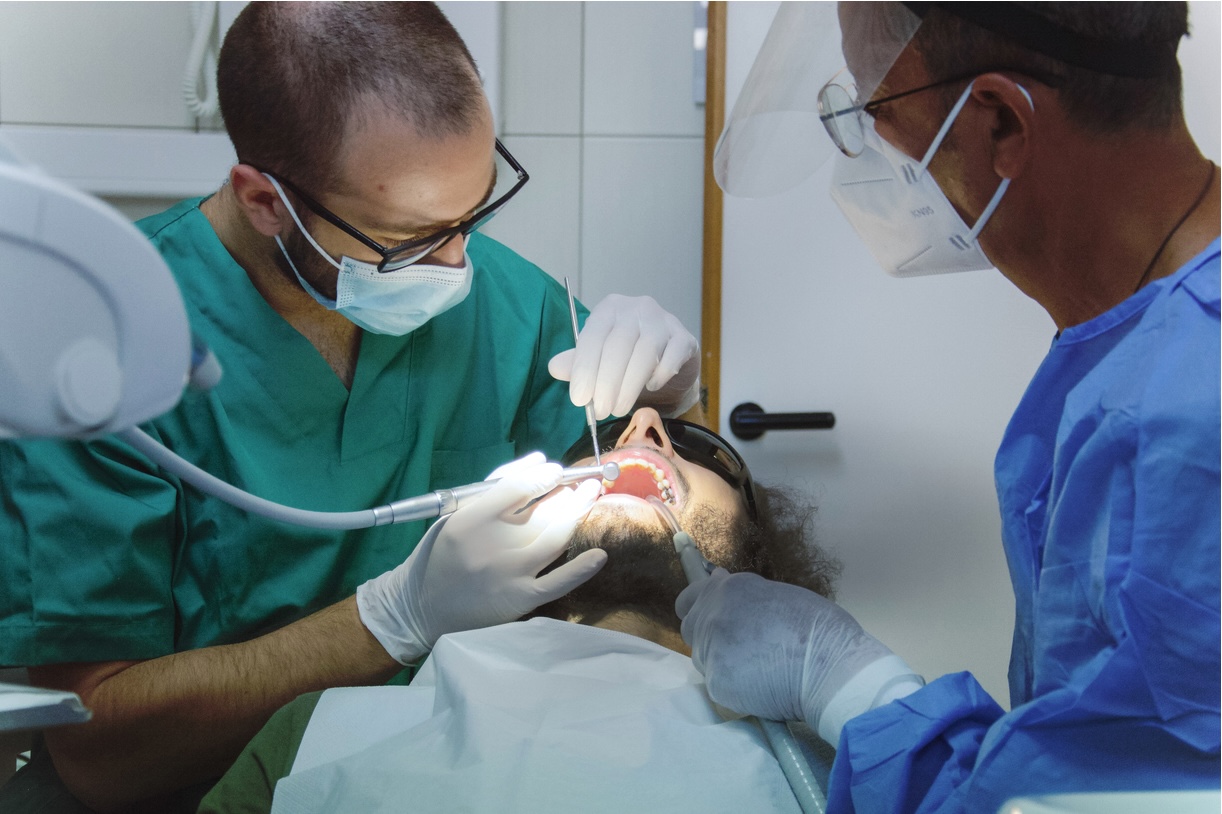
Thanks to local anesthesia, it’s typically not painful to get a cavity filled — but that doesn’t mean the process is stress-free. The loud, shrill whining sound of the dental drill in your mouth can be anxiety-inducing even if you can’t feel the device. What’s more, the fear this noisy tool evokes hinders some people from getting the procedures they need to maintain good dental hygiene.
But one dentist is out to change that. Tomomi Yamada, an assistant professor at the University of Osaka’s Graduate School of Dentistry, is on a mission to reduce patient anxiety by developing quieter dental drills. On Dec. 2 at the Sixth Joint Meeting of the Acoustical Society of America and the Acoustical Society of Japan in Honolulu, Yamada presented research that could pave the way for more peaceful dental experiences.
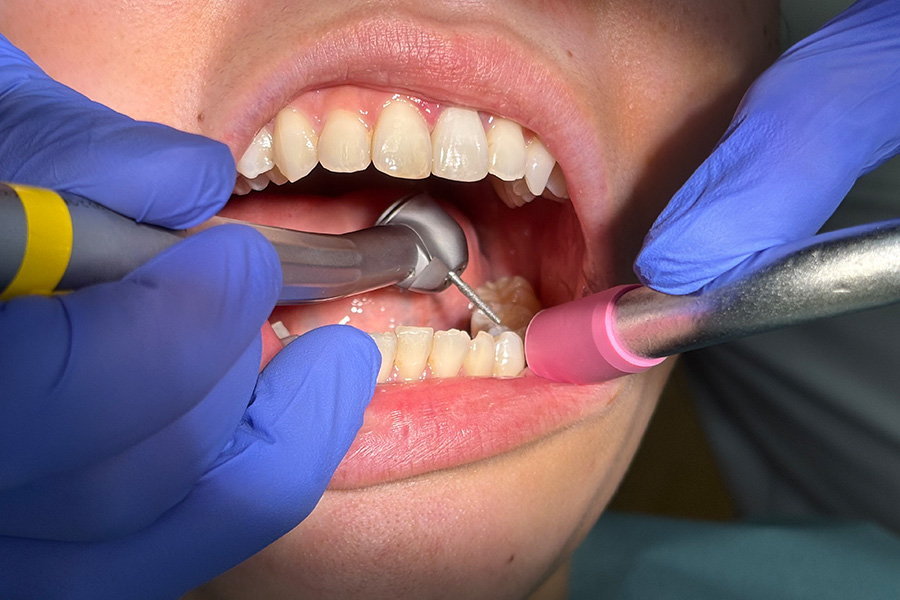
She has witnessed patients exhibit fear of getting in the dentist’s chair (also known as odontophobia or dentophobia) firsthand. So Yamada and her co-authors decided to study the aeroacoustics of dental drills to try to pinpoint where the anxiety-triggering sounds were originating and design new, less noisy instruments.
“Originally, I was doing research on dental materials, but I realized that almost no one — not even dentists — was tackling this sound problem scientifically,” Yamada said in a press release.
Using Japan’s flagship supercomputer, the team conducted large-scale aeroacoustic simulations. They analyzed the internal and external airflow of the dental drill, which is powered by compressed air, rotates at around 320,000 revolutions per minute, and can generate high-pitched sounds reaching nearly 20 kilohertz. From there, they were able to visualize how air moves through and around the drill to create the noise.
Their findings? “Our research showed that just making the drill quieter isn’t enough to make the sound less unpleasant,” Yamada said. “What really matters is improving its sound quality.”
After doing additional testing on the psychological effects of the dental drill on children and adults, the research team also determined that the younger listeners perceived the sounds as louder and more unpleasant. “This indicates that children’s fear of dental sounds is not merely psychological but also physiological in nature,” Yamada explained. “Children truly hear these sounds differently, so their fear of dental treatment is a genuine sensory response, not just imagination.”

Based on these takeaways, Yamada and her colleagues are working on minimizing the drill’s noise while maintaining its performance by optimizing its blade geometry and exhaust port. Eventually, Yamada hopes to get the dental industry to adopt the new technology, noting that achieving a balance between the device’s performance and safety will be crucial.
She added: “Moving forward, we hope to work with dental manufacturers through industry-academia partnerships, progressing toward commercialization after completing the necessary regulatory and durability testing.”
RELATED: New AI Tool Can Identify “Invisible Cancer” During Brain Surgery: Study