A shy fish, fuzzy plant in the sunflower family, and bird that blends in with volcanic rock were among the 72 animal, plant, and fungi species newly identified by the California Academy of Sciences in 2025. The result of a collaboration between over a dozen Academy scientists and international contributors, the list spans six continents and three oceans.
The timid fish, dubbed Plectranthias raki, was found 400 feet below the surface during an expedition to the Maldives. “Raki” means “feeling shy to confront people” in the local language, Dhivehi — and though it lived up to its name, ichthyology curator Luiz Rocha was able to spot it due to its unexpected coloring.
“Color is usually the first clue that tells us we’re looking at something new, and this fish stood out immediately,” he said in a press release. “Most Plectranthias species have bold vertical bars, but this one has distinct light red blotches instead, which made it unmistakable even in the low light of the twilight zone.”
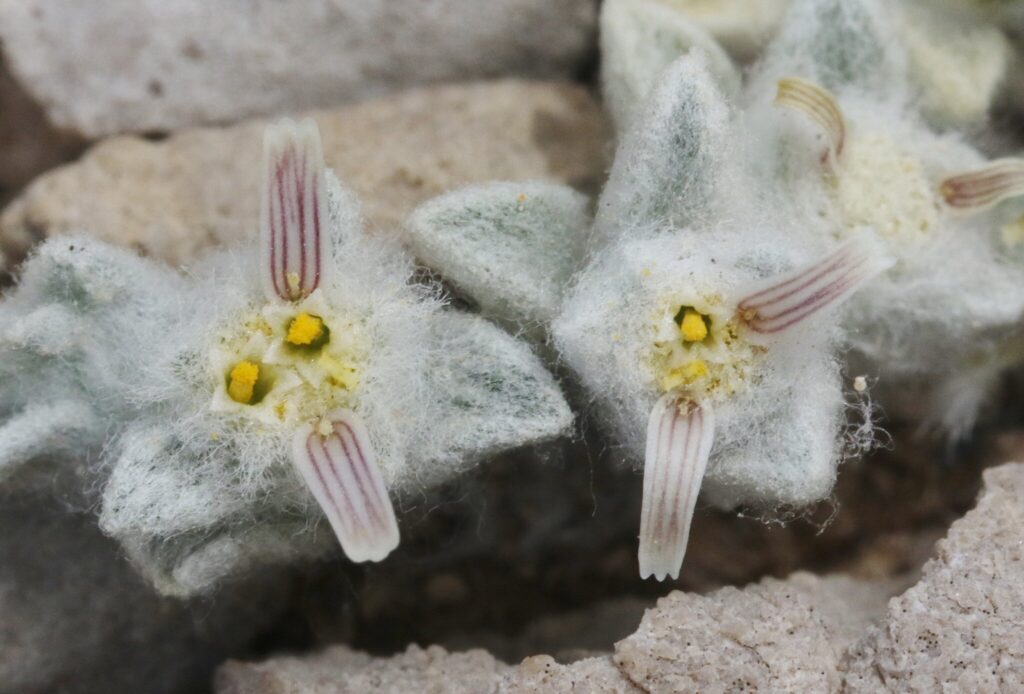
The newly described sunflower — the wooly devil (Ovicula biradiata) — marked the first discovery of not only a new species but also a new genus in a U.S. national park in nearly 50 years. Found by botany curator Isaac Lichter Marck in Texas’ Big Bend national park, it was identified with the help of the community science platform iNaturalist.
What botanists refer to as a “belly plant,” meaning “a small, discreet plant that can only be properly observed by lying on the ground,” the wildflower doesn’t resemble its sunflower relatives: It has distinctive maroon-marked florets and furry white foliage and was confirmed as belonging to the sunflower family through DNA testing. It blooms after rain, peeking out between the parks’ pale rocks.
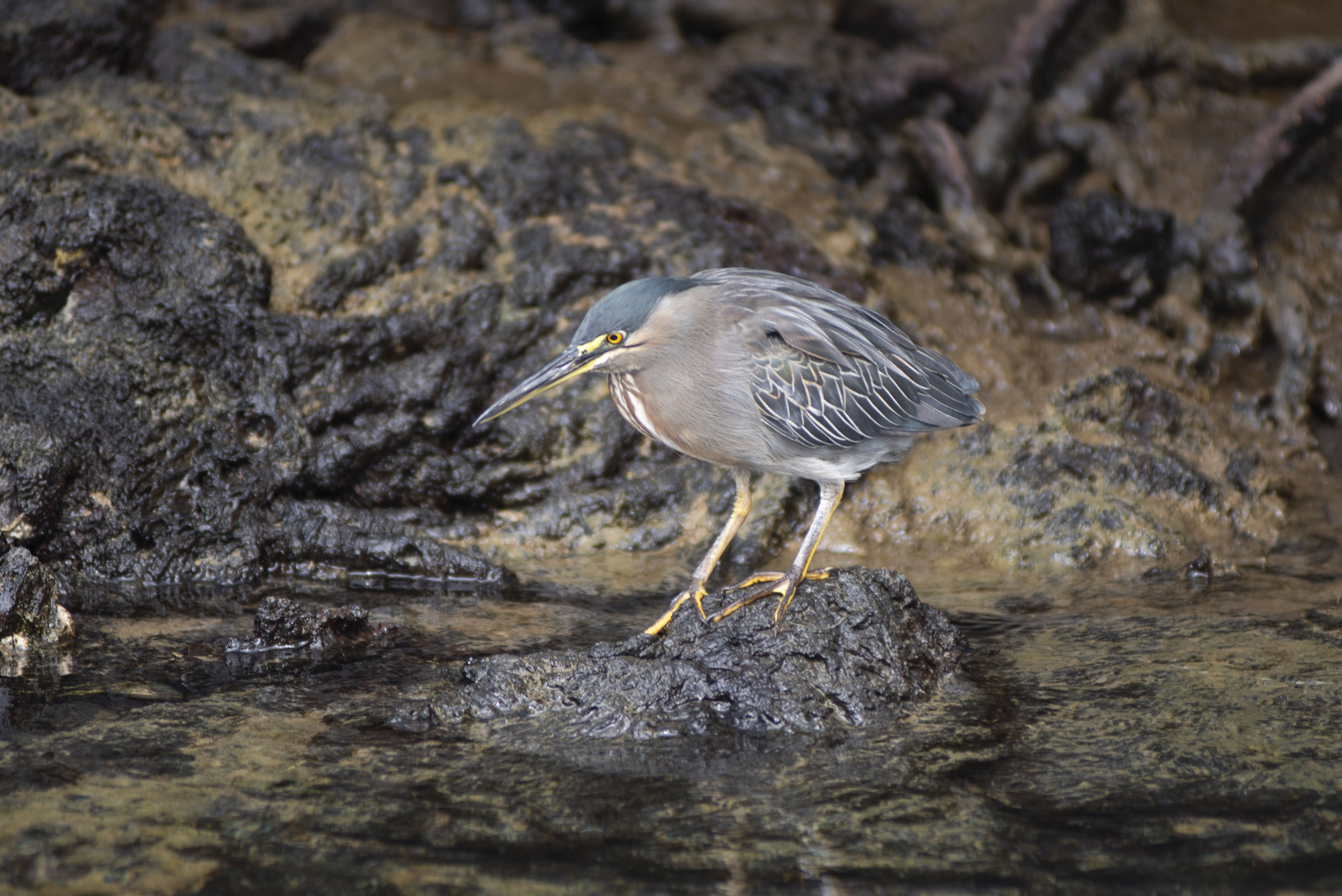
Over in the Galápagos, the formal description of a type of heron has solved a longstanding mystery. Now identified as the Galápagos lava heron (Butorides sundevalli), the bird was previously thought to be a subspecies of the South American striated heron, but genetic analysis confirmed it’s a species all its own.
“The lava heron is a common sight across the Galápagos archipelago, yet its evolutionary origins have puzzled scientists for more than a century,” explained Ezra Mendales, who authored a study on the bird. He noted that the avian’s dark gray plumage serves as camouflage against the archipelago’s volcanic rocks, adding: “While variations in color across populations have complicated its classification, it shows that evolution is still actively shaping this species to match different local habitats.”
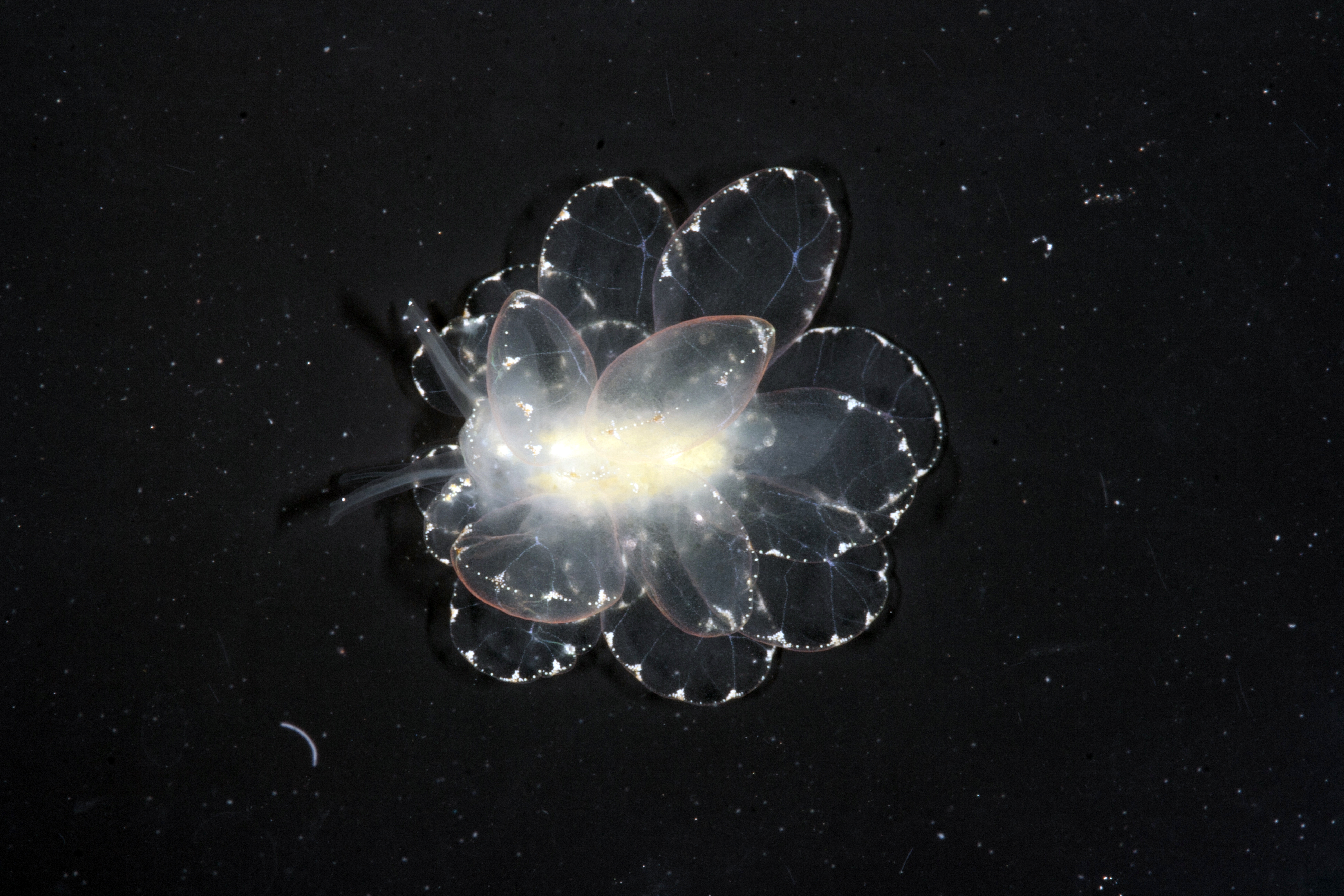
Cyerce basi
Other species include a “stunning opalescent sea slug” (Cyerce basi) and a deepwater cardinalfish found 2,000 feet beneath the surface of the ocean off the coast of Cuba. In the latter case, the specimen studied was collected nearly 30 years ago, but was only formally described in 2025.
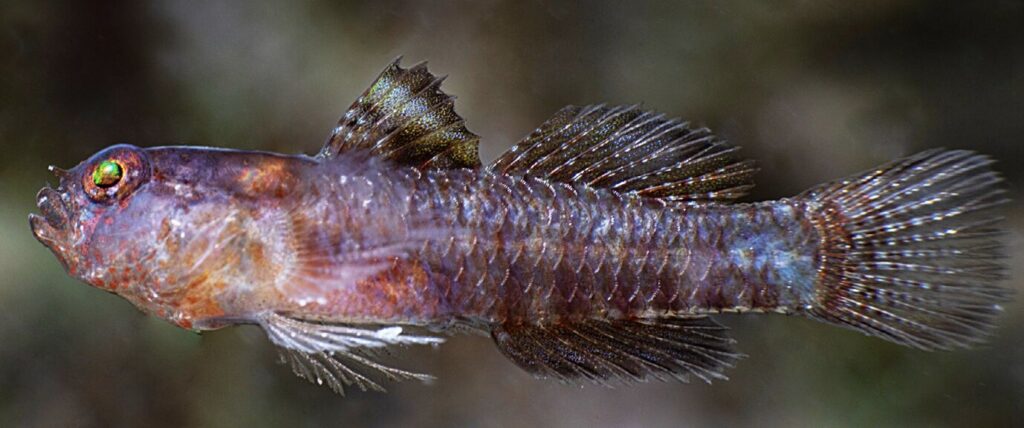
Eviota vader
Another fish on the list, a species of dwarfgoby, takes its name from Darth Vader, because it’s the darkest of its kind. The tiny Eviota vader — dwarfgobies are typically less than 1.8 centimeters long — was found in the volcanic fjords of Tufi, Papua New Guinea.
Per Chief of Science Shannon Bennett, all of the findings are significant steps forward in aiding conservation efforts. “Each newly described species adds a crucial piece to the puzzle of understanding how ecosystems function and adapt under increasing pressures,” she said. “By formally documenting new species and adding them to our scientific collections, we strengthen our ability to not only conserve what remains, but actively regenerate ecosystems in a rapidly changing world.”
RELATED: Tiny New Species of Snail With Unusual Shell Named After Picasso