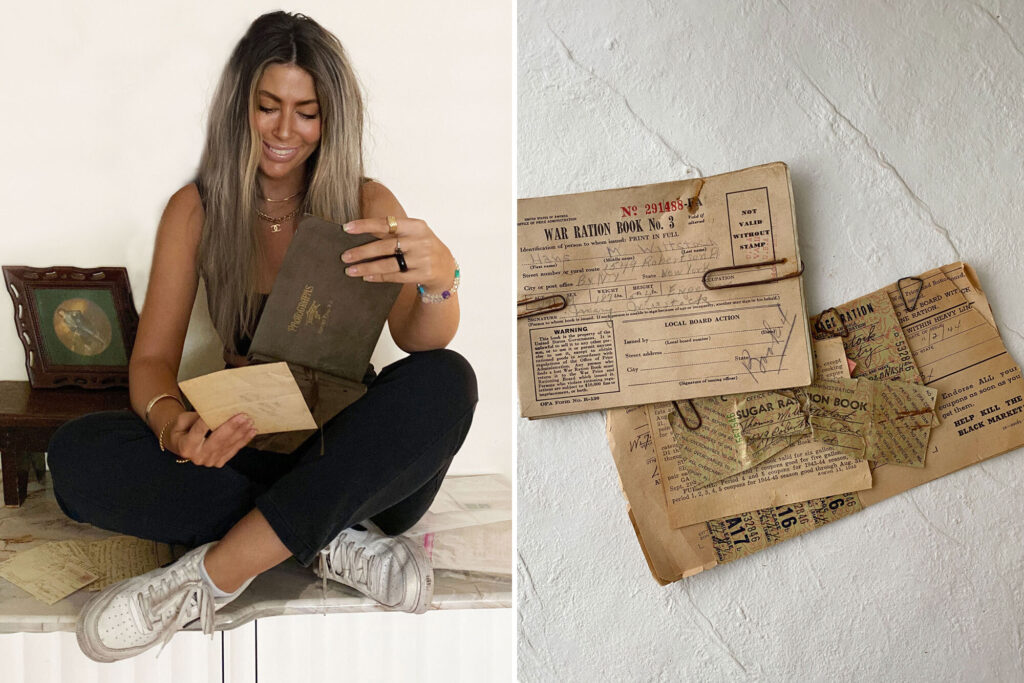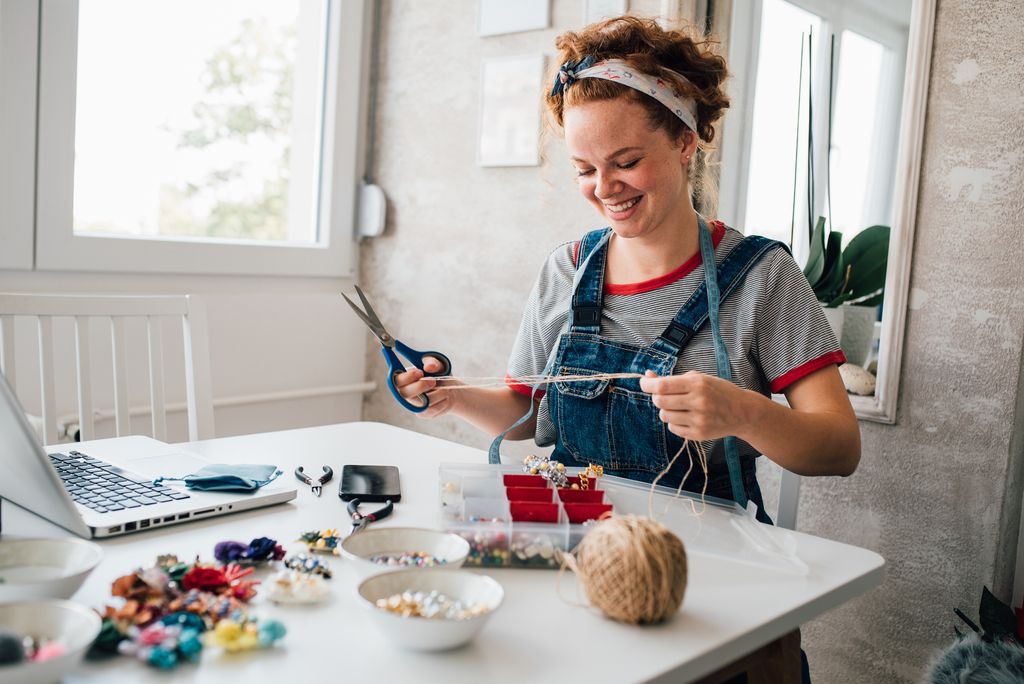
When was the last time you tried something fun without worrying about the outcome? We’re often taught that in order to reap the benefits of a new activity, we need to do it consistently. Yet as helpful as habits can be, dabbling — or engaging in activities sporadically just for the pure enjoyment of it — can actually be just as valuable.
Dabbling is freeing for the same reason it’s scary: While it requires you to release perfectionism, it can also invite a multitude of mental health benefits that come from simply trying. Karen Walrond knows this well. She’s the author of In Defense of Dabbling: The Brilliance of Being a Total Amateur, and she told Nice News over email that dabbling helped her embrace “intentional amateurism,” or the cadence of returning to an activity she loved over and over, “without regard to productivity, profitability, or perfection.”

To discourage herself from falling back into old attitudes surrounding achievement, Walrond identified a host of reasons dabbling is worth pressing past the initial discomfort — read on to learn why it’s worth dipping your toe into a fresh endeavor from time to time.
Carefree Activities Invite Compassion
When we mess up at something new, it takes effort to be kind to ourselves instead of jumping to self-criticism. Dabbling expands our self-compassion, Walrond said, which may lead to lower stress as well as increased happiness and resilience. It can also help you embrace mindfulness by challenging you to stay in the moment, opening the door to potential benefits like reduced anxiety and depression, along with short-term memory improvement.
While habits can help us progress and improve, they can also keep us stuck doing the same activities. Walrond notes that testing new waters gives us permission to play, pushes us out of our comfort zones, and enhances our wonder and awe. The latter may not sound like a tangible health pro, but The New York Times reported on research suggesting that experiencing awe can relax our nervous system, release oxytocin (“the ‘love’ hormone that promotes trust and bonding”), slow our heart rate, and deepen our breathing.
And according to Leigh Steere, co-founder of a management research firm, being a beginner can also help us become more empathetic toward others. “Dabbling is a willingness to be a student, a non-expert,” she told Fast Company. “From that place, we are observant and develop more understanding for other viewpoints. We become more tolerant with and attuned to ‘beginners.’”
Plus, returning to a student mindset can help us reconnect with ourselves. Dabbling “reminds you who you are,” clinical psychologist Alice Boyes wrote for Psychology Today. “Karaoke reminds you that you’re playful, knitting that you’re creative, theater that you’re sophisticated, volunteering that you’re generous, and trivia that you’re competitive.”
As an added benefit, many of these pros may extend into other areas of our lives. “When we find this avocation, we often discover that it allows us to practice several of these attributes at the same time, and this practice allows us to access these traits (like curiosity and mindfulness and self-compassion) more easily in our regular, more stressful lives,” Walrond said.
Dare to Dabble
The best part about dabbling? You can start anytime, anywhere — and there’s very minimal commitment required (in fact, that’s kind of the point). To find the right activity for you, Walrond suggests reflecting on what you loved to do as a kid: “Is there an activity that you couldn’t get enough of that you’d love to return to? Take a moment in your journal and write the words, ‘I’ve always wanted to …’ and then fill in the blank.”

And to overcome that intimidating feeling that comes with doing something for the first time, invite along a friend with the same interests. “I became a scuba diver because an acquaintance approached me, saying she wanted to learn to dive and wanted me to join her,” Walrond said. “There’s something wonderful about trying something new with someone who’s equally unfamiliar with the activity — learning together can be an incredibly bonding experience.” If you don’t have anyone in your life who fits the bill, signing up for a class just might foster connections with other newbies.
Of course, you can also enjoy intermittent solo endeavors. For a less formal approach, keep a running list in your phone’s notes app of activities you’ve tried and enjoyed. Whenever you need a little boost of fun or a routine shakeup, you can easily revisit a long-lost hobby. Many activities Walrond suggests — everything from “French cooking to pottery” — can be enjoyed year-round, but seasonal sports (like skiing), annual events (like making apple pie on Thanksgiving), and occasional rituals (like board game night) also work well here.
And while dabbling is all about testing out new hobbies here and there, you may just find something along the way you’d like to return to often. “What resulted is the discovery of a few passions that I’ve incorporated into my life on a regular basis,” Walrond said. “In so doing, I’ve learned that having a hobby returns us to ourselves; cultivating intentional amateurism is a self-compassionate, self-transcendent way to live.”
RELATED: On the Hunt for a Hobby? Here Are 31 Activities to Try
When you buy books through our links, Nice News may earn a commission, which helps keep our content free.