When the last animal of its kind dies, more is lost than that species alone: Earth is a vast interconnected web of ecosystems, and biodiversity is its lifeblood. Akin to the idea of a butterfly flapping its wings in Brazil and setting off a tornado in Texas, a specific type of butterfly flapping its collective wings for the final time can have much further-reaching consequences than one might consider.
That’s why conservationists are dedicated to saving the many fascinating, beautiful, and unique creatures that are currently at risk. Thankfully, nature is resilient, and when we work with it instead of against it, environmental success stories abound — including species returning from the brink of extinction.
Keep reading for seven conservation wins worthy of celebration, but keep in mind that nearly all the animals mentioned are still in need of support to continue their comebacks. To put these recoveries into context, the conservation statuses referenced follow the seven categories created by the International Union for Conservation of Nature, or IUCN, for its Red List of Threatened Species: extinct, extinct in the wild, critically endangered, endangered, vulnerable, near threatened, and least concern.
Guam Rail
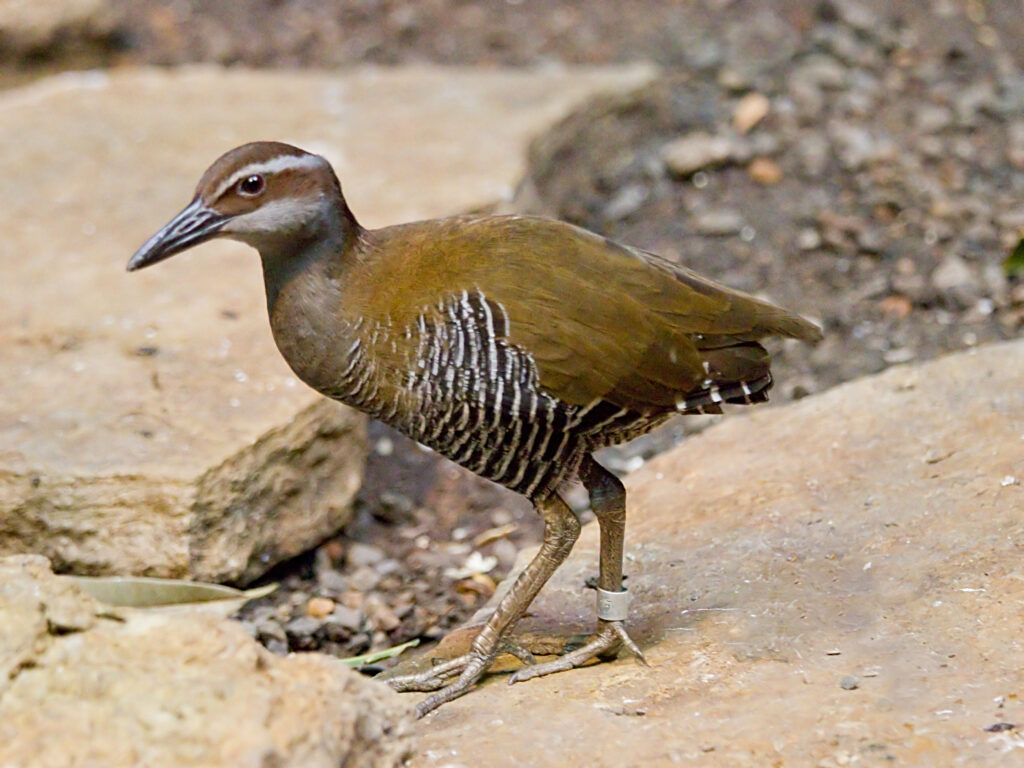
The Guam rail can’t fly, but it sure can run. The small, high-speed avian species evolved to efficiently tear through marsh grass and underbrush, and its population once numbered around 60,000-80,000. Called “ko’ko’” by locals, the birds experienced a dramatic decline when the invasive brown tree snake was accidentally introduced via military cargo ships coming to Guam following World War II.
The population was so decimated that in 1994, the IUCN classified the bird as extinct in the wild. But conservationists had already gotten to work. Captive breeding programs were established the decade prior, and scientists released those birds on the nearby islands of Rota and Cocos, monitoring them over the ensuing years.
Their efforts paid off: In 2019, the bird was officially downlisted by one degree to critically endangered, making it only the second bird at the time (after the California condor) to have recovered after being marked extinct. Today, its population is listed as “increasing.”
Przewalski’s Horse
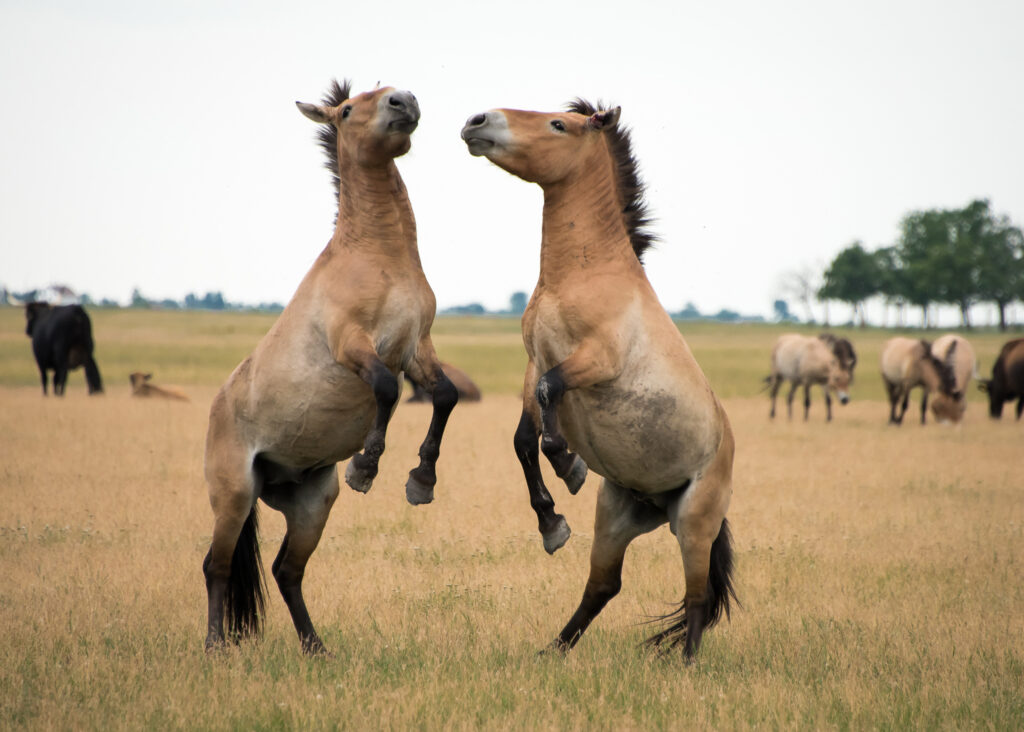
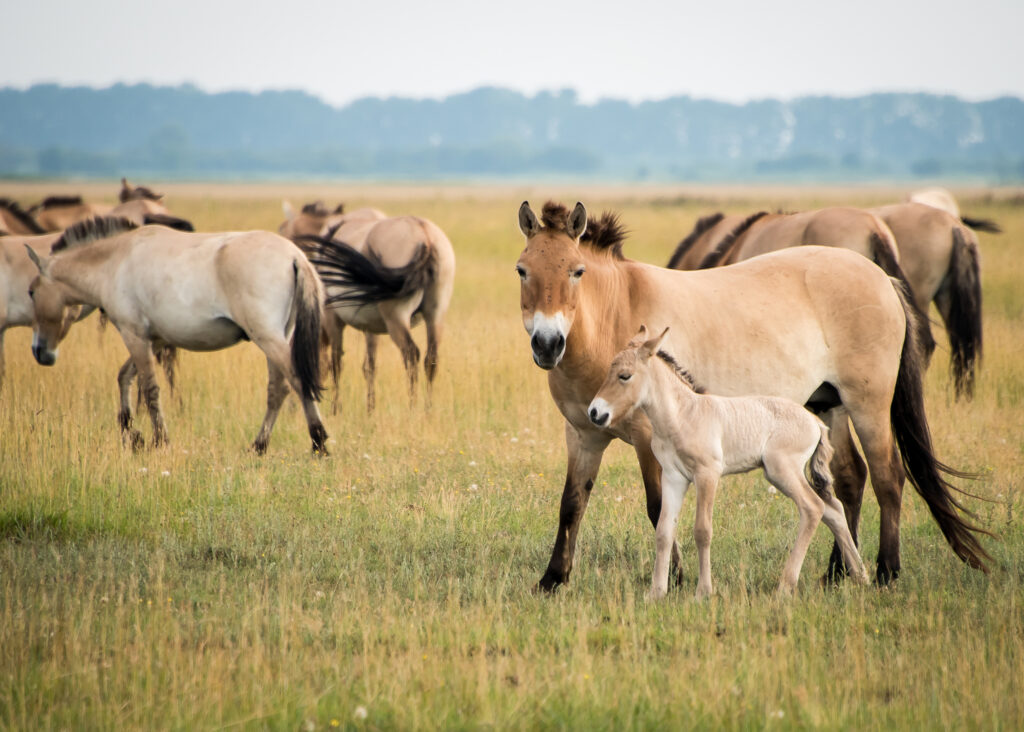
Photos of majestic wild horses galloping across vast plains are beautiful to look at, but did you know most don’t actually showcase true wild horses? The subjects are typically feral populations of domesticated horse breeds, like mustangs. In fact, the only true wild horses left today are Przewalski’s horses, and it’s thanks to conservationists that the species survives.
These small, stocky beauties once lived throughout Europe and Asia, but environmental changes, competition with livestock, and land cultivation caused them to move east, and they eventually all ended up in Mongolia’s Gobi Desert. The small population continued to decline, and by the 1960s, they were considered extinct in the wild.
Captive breeding programs had been established, however, and beginning in the 1990s, individuals were reintroduced in five sites — three in Mongolia and two in China. In 2008, the IUCN downlisted the Przewalski’s horse to critically endangered, and in 2011, to endangered. Today, the nonprofit Revive & Restore is working on rebuilding genetic diversity in the species through strategic cloning, as all living individuals are descended from just 12 horses.
Giant Panda
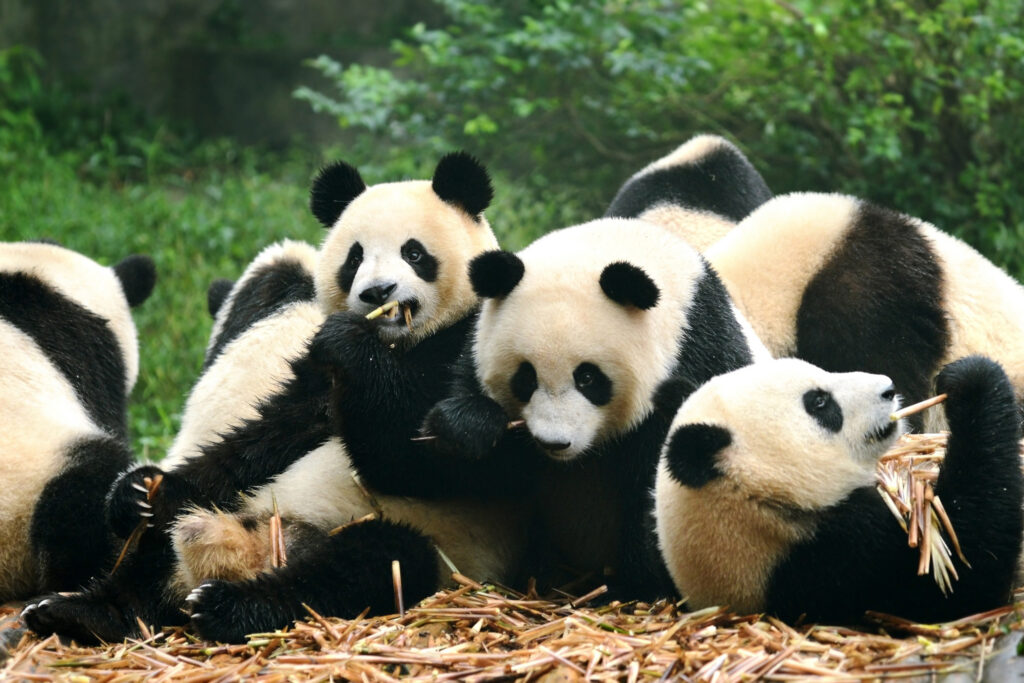
Giant pandas, beloved icons of the animal world, have been the subject of “one of the most intensive, high-profile efforts to recover an endangered species,” per the IUCN.
Found in bamboo forests across several mountain ranges in south central China, the species experienced a 50% population decline between the 1970s and 1980s due to habitat loss and poaching. A series of legal actions by the Chinese government, including the 1988 Wildlife Protection Act, which banned poaching, and the 1992 establishment of a panda reserve system, was put into place to prevent the species’ demise.
Those efforts, along with the continuing work of conservationist organizations like the World Wildlife Fund, have paid off: In 2016, the IUCN changed the status of the giant panda from endangered to vulnerable.
Green Sea Turtle
If you’ve never watched footage of green turtle hatchlings making their way to the ocean for the first time, do yourself a favor. The largest hard-shelled sea turtle species, green turtles were endangered for decades due to threats like fishing nets and longline hooks, habitat loss, marine vessel collisions, plastic pollution, disease, legal and illegal harvesting, and climate change.
While these threats still remain, numerous legislative protections and community conservation efforts have resulted in a major win for the migratory reptiles, which live in temperate waters worldwide. Global populations have increased by 28% since the 1970s, and in 2024 the IUCN downlisted them dramatically — all the way to least concern.
Atala Butterfly
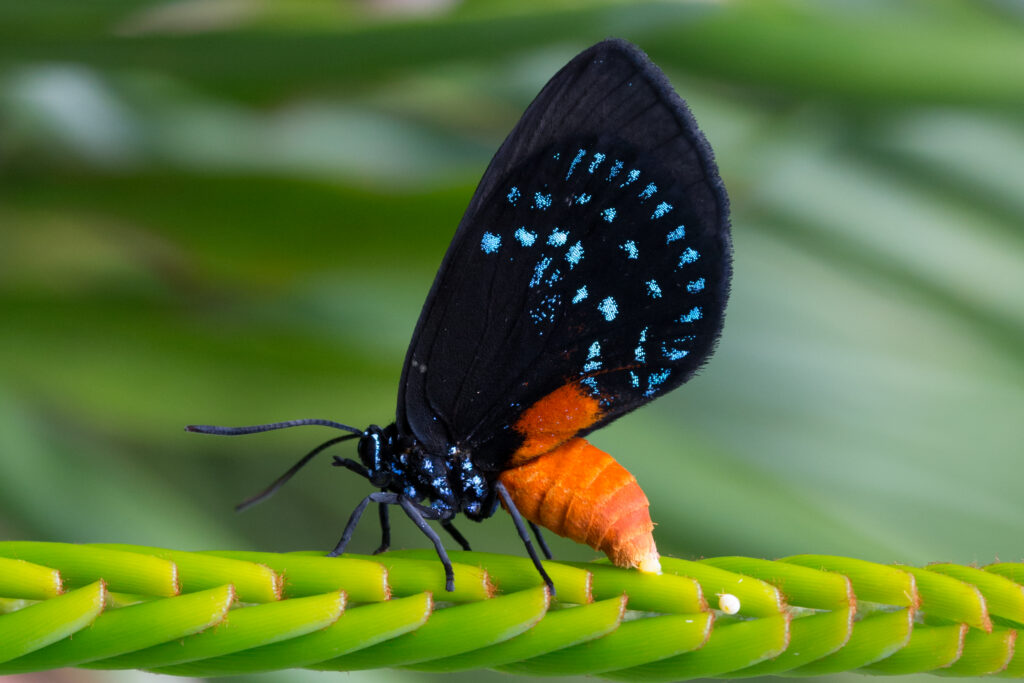
One of the prettiest on this list, the atala butterfly abounded in Florida in the 19th century, but overharvesting of its favorite food and host, the ancient coontie plant, decimated its numbers. It was believed extinct from 1937 until 1959, when a small colony was discovered in southeastern Florida.
While captive breeding programs have been established to revive the population, the true key to the species’ comeback — the iridescent butterflies are now abundant enough that they’re even considered pests in some gardens — is the resurgence of the coontie plant in Florida landscaping.
Northern Elephant Seal
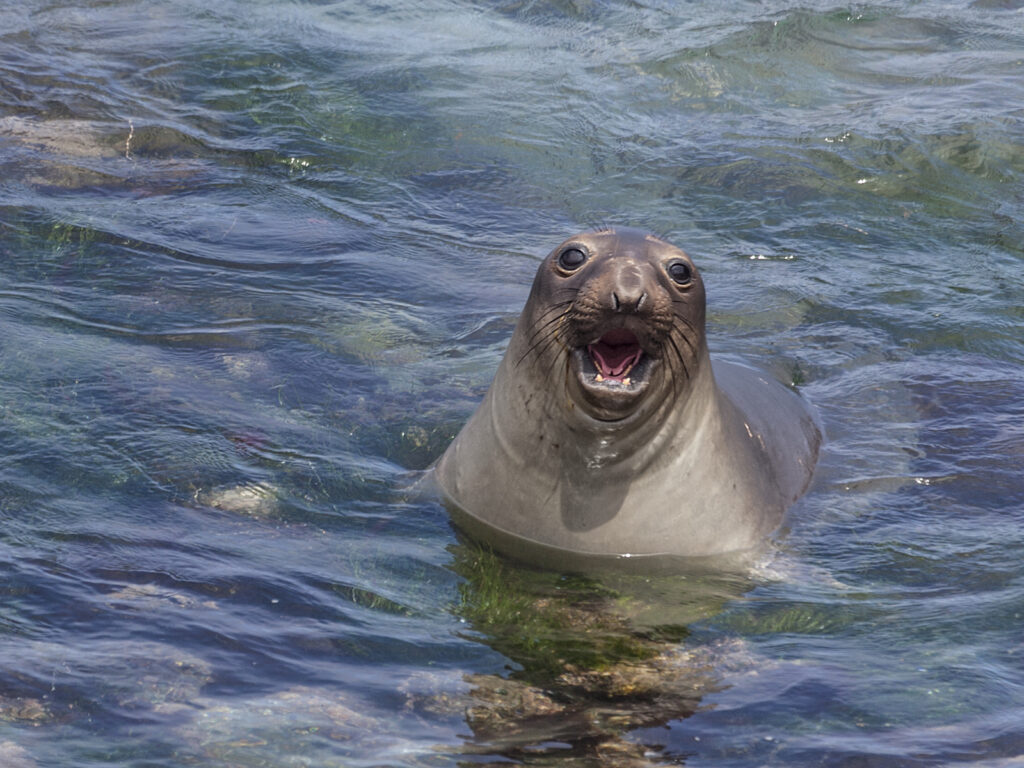
These rather goofy-looking marine mammals are native to the coastal waters of California and Mexico. Hunted relentlessly for their blubber (which was used for oil) in the 19th century, the subspecies was declared extinct in 1884. A few years later, in 1892, members of a Smithsonian expedition located a small population of surviving seals on Guadalupe Island near Mexico — and killed several of them to take as museum specimens.
In a bid to save the remaining individuals, the Mexican government banned elephant seal hunting in 1922, and the U.S. followed suit soon after. The species made a remarkable recovery in the following decades, increasing by about 6% in population size each year, per the National Park Service, from fewer than 100 to an estimated 150,000 today.
Grand Cayman Blue Iguana
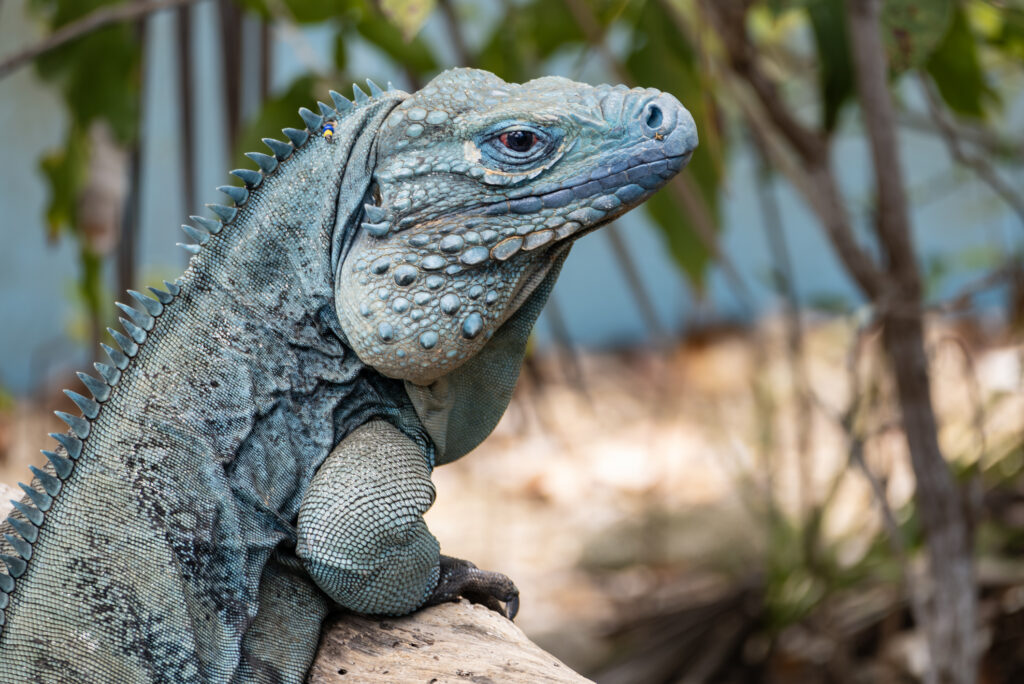
Last but not least, we have the gorgeous Grand Cayman blue iguana, which can grow to over 5 feet in length and live as long as 40 years in the wild. They’re endemic to the Grand Cayman islands, and though still at risk, the lizards are considered “an ongoing conservation success story,” per the International Iguana Foundation.
The species had been in decline for decades due to predation by feral cats and dogs, trapping, habitat loss, and other threats, with numbers dwindling to under 25 by 2002. But thanks to a captive breeding and reintroduction program set up by The National Trust for the Cayman Islands, the iguanas are slowly but surely crawling — er, bouncing — back. The IUCN downlisted the species from critically endangered to endangered in 2012, writing, “With ongoing conservation work, we anticipate the wild population will rise to 1,000 iguanas and stabilize within the next three generations.”
RELATED: Fender’s Blue Butterfly, Once Thought to Be Extinct, Is No Longer Listed as Endangered