With so many buzzy wellness techniques to choose from these days, one with “drainage” in its name may not seem especially appealing. But dive a little deeper into lymphatic drainage, and you’ll find that in addition to being good for your body, it just feels good to practice on yourself.
Manual lymphatic drainage, or MLD, targets the lymphatic system, a collection of organs, tissues, and vessels that work as part of your immune system to distribute a fluid called lymph, which supports many essential bodily functions. Lymphatic drainage originated as a way to help those with lymphedema, a disease that leads to swelling when your lymphatic system isn’t working correctly, but anyone can deploy it to help them feel their best.
“Manual lymphatic drainage is a specialized technique designed to stimulate the lymphatic system, helping the body eliminate excess fluid, toxins, and waste,” Flavia Morellato, manual lymphatic drainage specialist and president of the UK Association of Dermatofunctional Physiotherapy, told Nice News in an email.
We consulted Morellato about the benefits of lymphatic drainage and how to perform at home — dive into her advice and learn some techniques to try below.
Benefits of Lymphatic Drainage
Lymphatic drainage is meant to serve a specific purpose: It transmits lymph that’s become stuck in parts of your body — often leading to swelling — toward your lymph nodes, where germs and harmful cells are filtered out. While a doctor might recommend it to help treat conditions like fibromyalgia and rheumatoid arthritis, there are several signs of a congested lymphatic system you can spot on your own.
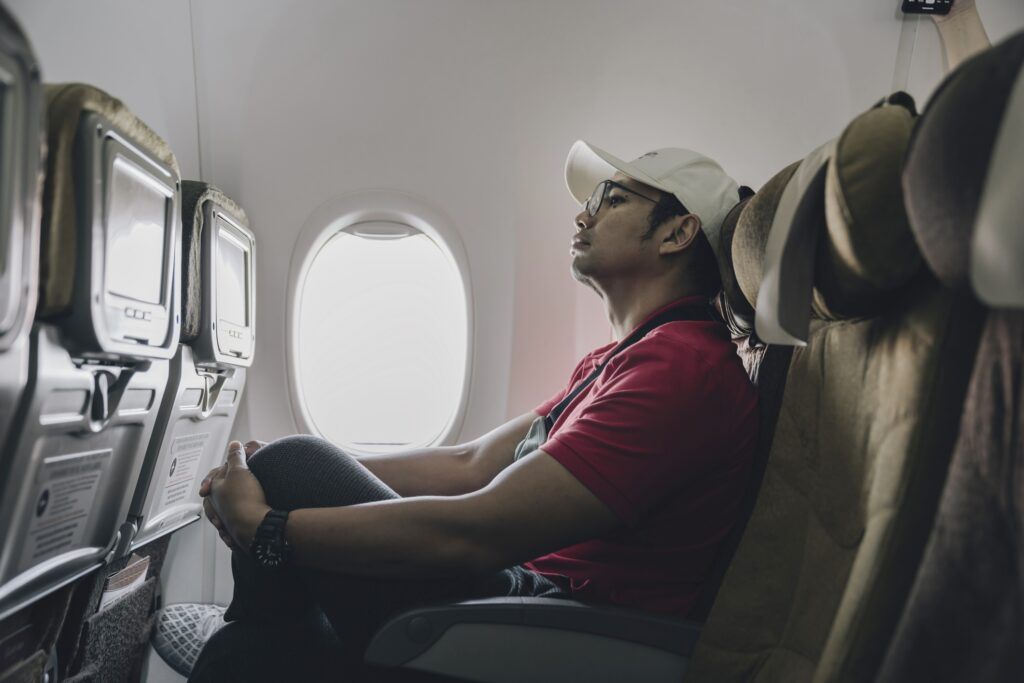
“A congested lymphatic system often presents through bloating, fluid retention, puffiness (especially in the face), heavy legs, dull or inflamed skin, [or] fatigue,” Morellato said. Recovering more slowly than usual after travel may also indicate lymphatic inflammation, which could be caused by long periods of sitting or altitude changes that lead to fluid retention.
If you’re struggling with any of these symptoms, lymphatic drainage techniques may help provide some relief. “Key benefits include reducing swelling and water retention, improving circulation and skin quality, supporting post-surgical recovery, and promoting an overall feeling of lightness and well-being,” Morellato said.
For healthy people, lymphatic drainage typically doesn’t have a significant impact, UCLA Health noted. However, one small study showed that it lowered systolic blood pressure in healthy individuals, while another found that abdominal MLD promoted relaxation in people under psychological stress, suggesting it may have calming effects.
Techniques to Try
Dry Brushing
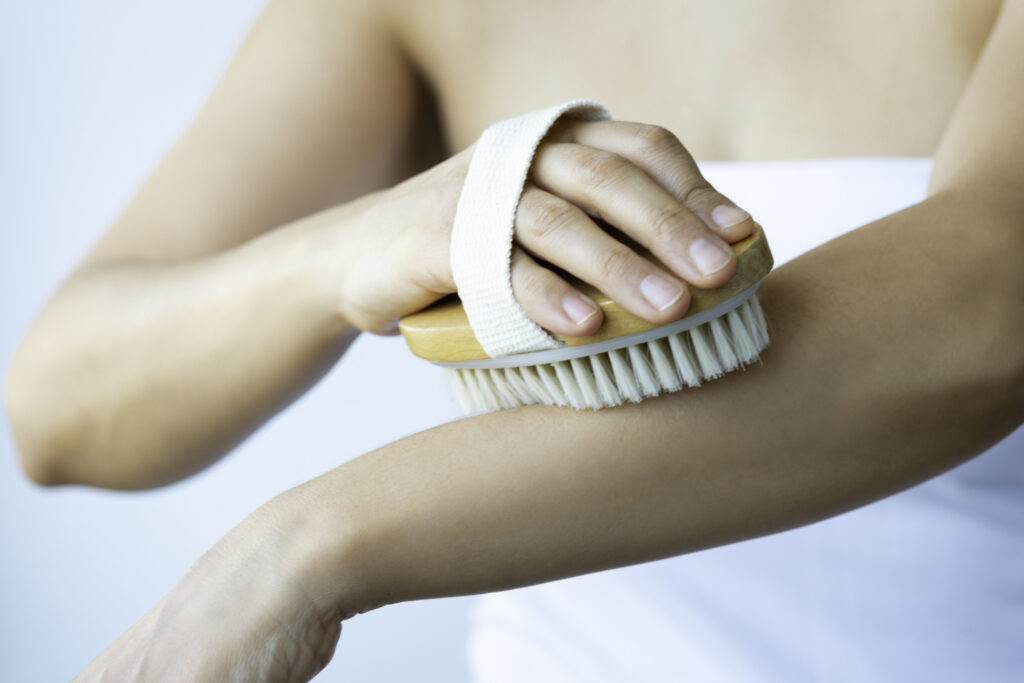
Another wellness technique that’s entered mainstream Western culture, dry brushing is a gentle way to support your lymphatic system, per Morellato. With roots in Ayurveda, the method involves using a dry brush with stiff bristles in specific motions on dry skin.
As dermatologist Shilpi Khetarpal told the Cleveland Clinic, not only can dry brushing help remove dead skin, but it also “helps detoxify your skin by increasing blood circulation and promoting lymph flow [and] drainage.” Keep in mind that not all skin should be dry-brushed — for instance, refrain from using the technique over moles or sunburns.
Here are a few steps to kickstart your dry brushing practice:
- Take a brush with firm bristles and, using long strokes, begin brushing upward from your feet or ankles.
- Brush the rest of your skin in wide, circular motions (covering your arms by moving toward your armpits after completing your lower body), only brushing each section a few times to prevent irritation. Use lighter pressure over thinner skin and more sensitive areas.
- Take a cool shower and moisturize your skin afterward.
Check out more details here, and click here to learn about dry brushing your face, but always consult your medical provider to figure out if the practice is right for you.
Compression
Compression socks have received a glow-up from younger generations, meaning there’s all the more reason to try them to encourage lymphatic flow. Socks and other garments, like sleeves and boots, are tools used in compression therapy, a treatment that can help increase circulation and reduce swelling.
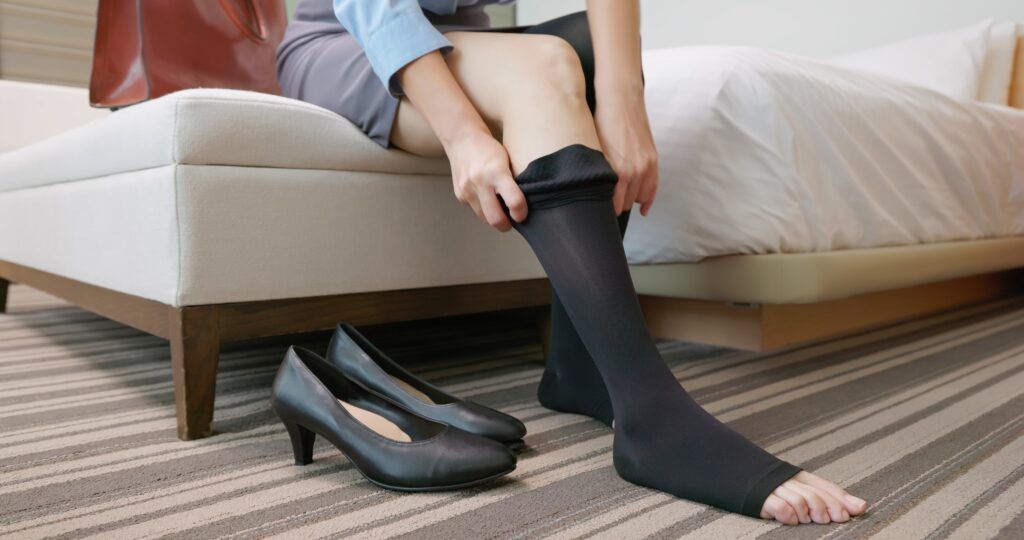
Like MLD, compression boots were initially created for lymphedema patients. “It works by sequentially inflating and deflating chambers that move blood and lymphatic fluid back toward the heart, reducing fluid build-up and promoting faster recovery,” Gilad Jacobs, chief innovation officer at recovery technology company Hyperice, told British Vogue. Many of these products can be purchased online, but those that provide more intensive compression may require a prescription.
Gentle Massage
An MLD massage from a professional is likely the most effective way to reap the benefits, but that doesn’t mean at-home versions aren’t helpful. For a self-massage, Morellato recommends “gentle stimulation of the main lymph nodes (often referred to as the ‘big six’), and light self-drainage movements directed towards these areas.”
The big six are located on your collarbone, upper neck, armpit, abdomen, and groin, and behind your knees — you can learn more about them here. Before attempting a lymphatic massage on yourself, however, it’s a good idea to consult a professional so they can show you the proper technique. For instance, unlike some forms of massage, oils and lotions are best avoided, and pressure should remain light. Once you’re ready to get started, here’s a step-by-step guide on performing a lymphatic massage on yourself.
Simple, Supportive Habits
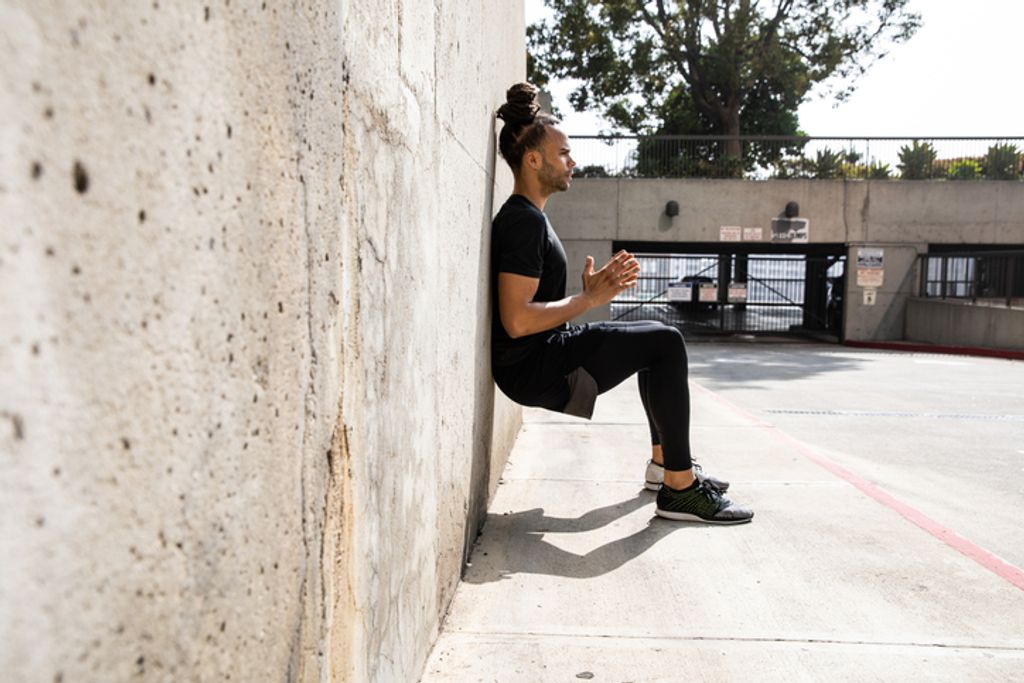
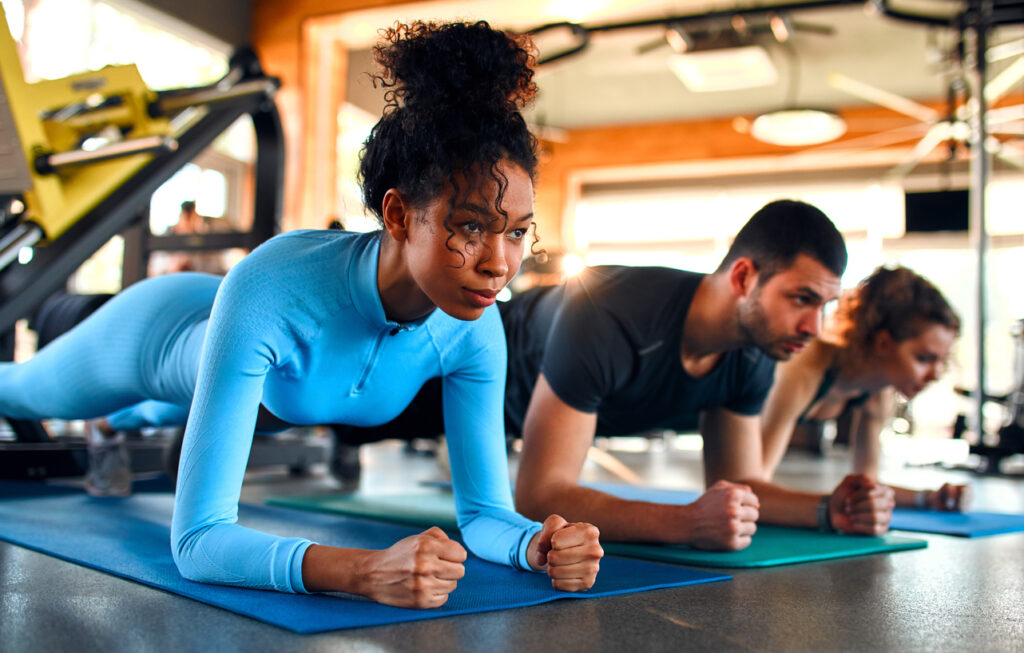
According to Morellato, a few basic self-care practices, including staying hydrated, elevating your legs, and moving your body daily, can help support your lymphatic system. “Movement is essential for lymph propulsion,” she told British Vogue. “Prolonged sitting reduces skeletal muscle contraction and diaphragmatic breathing, directly affecting venous return and creating fluid stagnation.” Here are some exercise ideas to get you started — but if you have symptoms of lymphedema, see your doctor for more specific recommendations.
As far as hydration, the Academy of Lymphatic Studies says a common misconception is that drinking water adds to the buildup of fluids in swollen limbs. In reality, insufficient water intake can make lymphedema symptoms worse, and staying hydrated helps the lymphatic system function properly.