With the United States’ 250th anniversary just over six weeks away, it’s a landmark time for the nation — and the National Trust for Historic Preservation is honoring the milestone with this year’s list of America’s 11 Most Endangered Historic Places. Announced today, the 2026 sites reflect the Declaration of Independence’s principle that all people “are created equal.”
Among the places recognized are Alabama’s Ben Moore Hotel, California’s Angel Island Immigration Station, and Massachusetts’ Swansea Friends Meeting House. They’re all crucial parts of the American story, but they’re also suffering from things like intentional neglect, poor development planning, and deterioration. “These historic places helped define, or redefine, the nation’s fundamental values of equal opportunity, religious freedom, self-governance and voting, immigration and citizenship, freedom of expression and assembly, and equal access to justice,” a press release reads.
So to help protect them and share their stories for years to come, the org has awarded $25,000 to each site, which, along with the visibility generated from the recognition, will kickstart local efforts to save these places for good.
“This year, we honor our Declaration of Independence and the living power of its aspirations by highlighting at-risk sites where the fight for equality happened and by recognizing the heroes whose commitment, resilience, and moral courage can inspire us today to continue to build a more perfect union,” said the Trust’s CEO, Carol Quillen.
Over its nearly 40-year run, the annual list has fostered support for more than 350 historic places in the U.S., and it’s been “a highly effective tool for local advocates to raise national awareness,” per the release.
Read about the 2026 sites below (in alphabetical order by state), with descriptions provided by the org, and learn how you can help here.
Ben Moore Hotel | Montgomery, Alabama
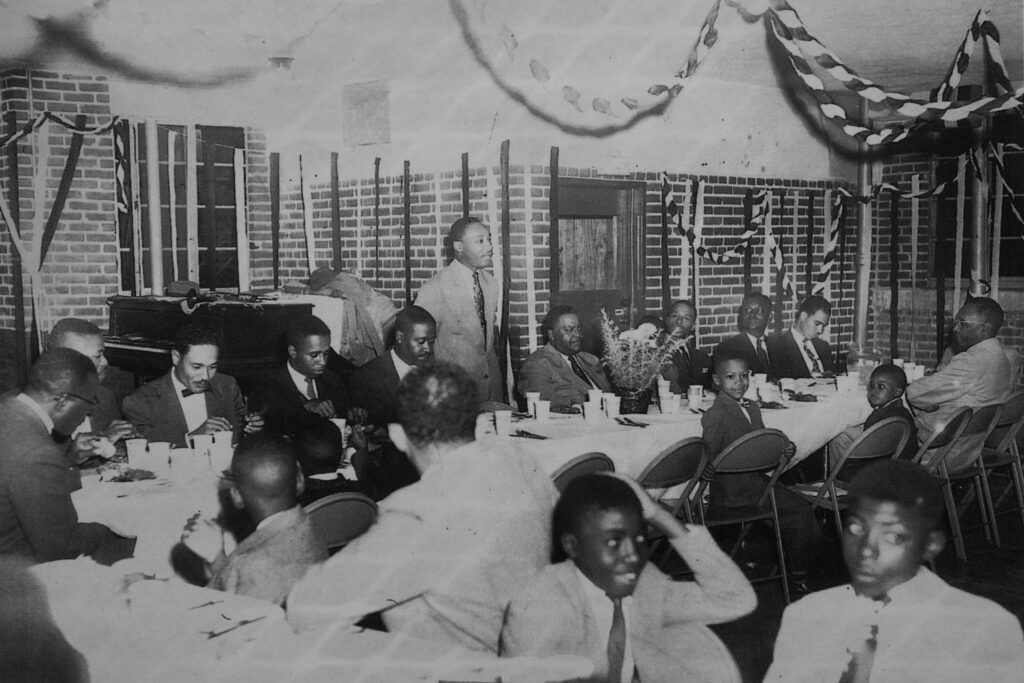
Dr. Martin Luther King, Jr. inside the Ben Moore Hotel, 1960s
“The Ben Moore Hotel was a rich cultural landmark for Black Americans living in Montgomery, Alabama, under Jim Crow, but prolonged vacancy has led to structural deterioration, and the historic Centennial Hill neighborhood is facing development pressures. The multi-story historic hotel needs a significant amount of funding, technical expertise, community engagement, and partnerships to fully restore, protect, and activate the site.”
Tule Lake Segregation Center | Modoc County, California
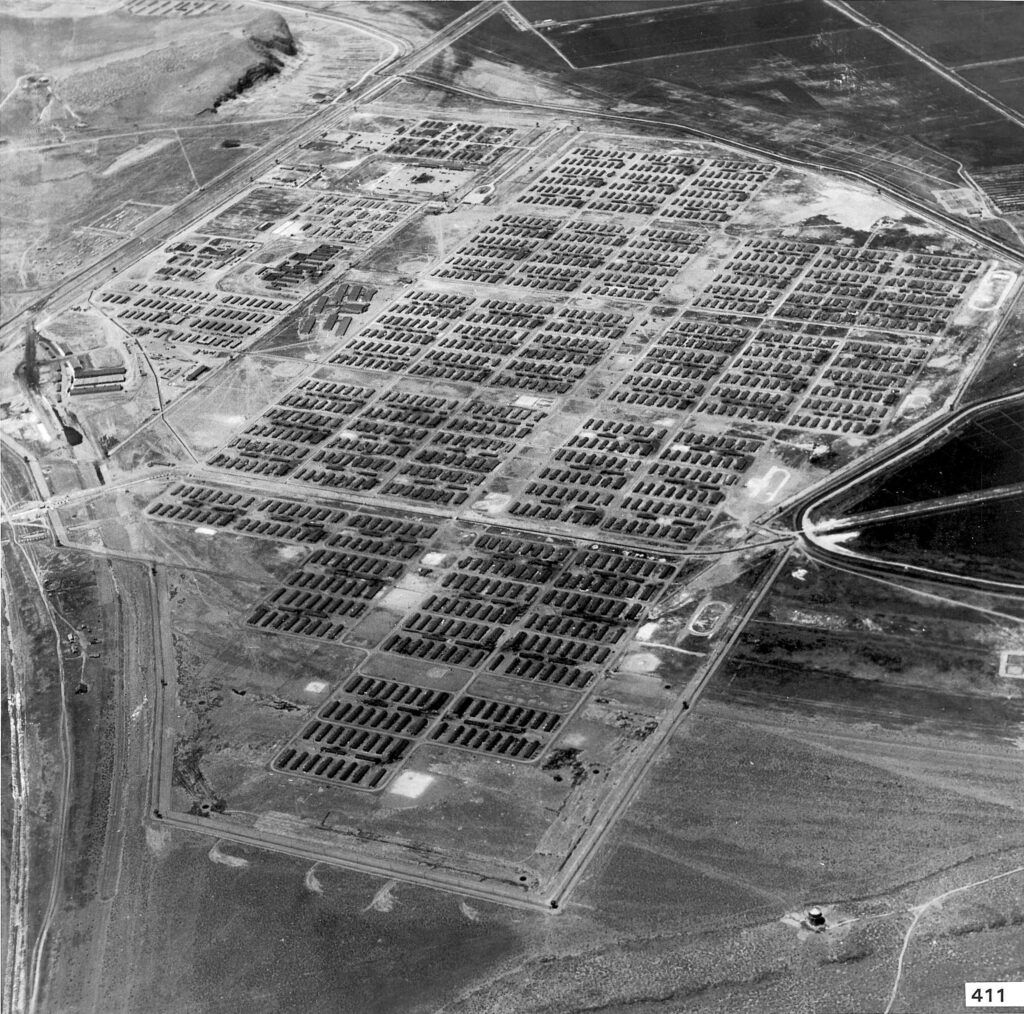
“The Tule Lake Segregation Center is a place which honors the brave contributions of Japanese Americans who fought to protect the rights of American citizenship. Once serving as a maximum-security prison for Japanese Americans who protested their unjust, race-based incarceration and deportation, the site is now a National Monument that is sacred to the survivors and descendants of those imprisoned there. Only a token 37 acres of the 1,100-acre site is protected, with the major portion at risk of permanent alteration from a proposed airfield fence construction project.”
Angel Island Immigration Station | Tiburon, California
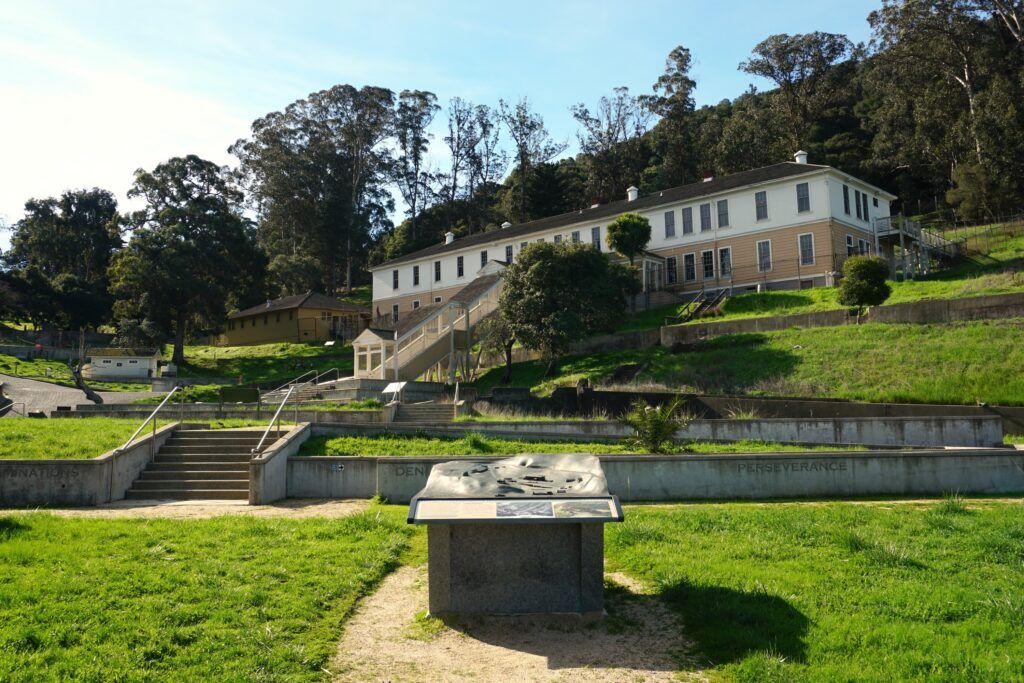
“Angel Island Immigration Station was the busiest immigration port on the West Coast, but many of those who passed through its doors, particularly immigrants from Asia and the Pacific, seeking access to America’s promises of freedom were instead subjected to unjust race-based mistreatment, including detention, interrogation, and family separation. Today, Angel Island is endangered by physical, environmental, political, and economic factors.”
Swansea Friends Meeting House | Somerset, Massachusetts
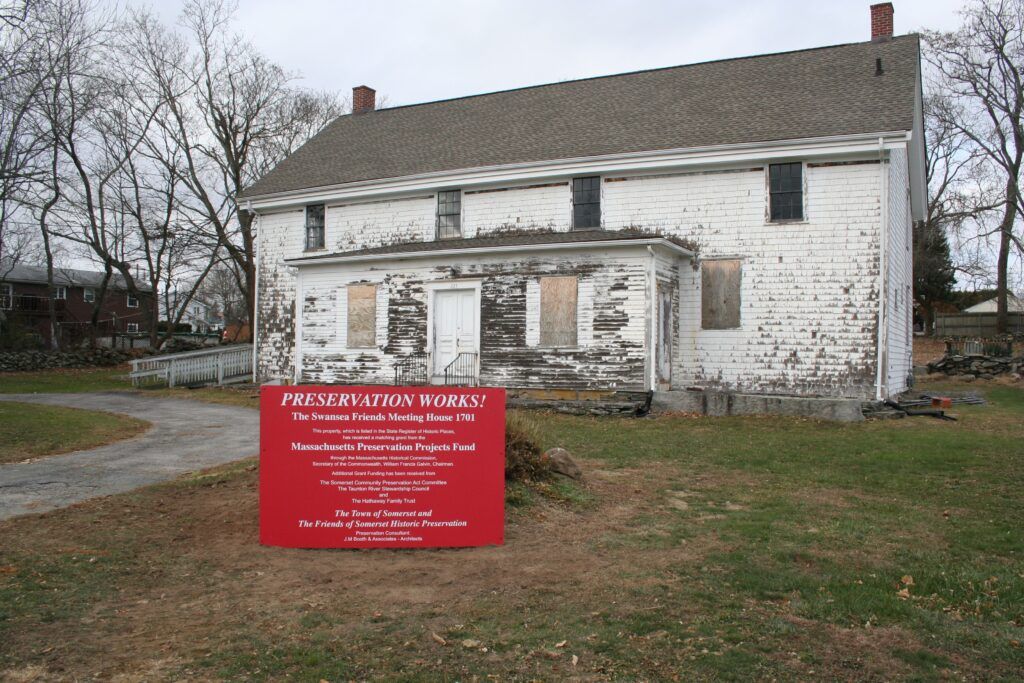
“Recognized as the oldest surviving Quaker meeting house in Massachusetts, the Swansea Friends Meeting House was built as a refuge by a congregation fleeing religious persecution and seeking a safe place to worship freely. The 1701 building has been closed to the public for years and requires significant rehabilitation. Once restored and activated, the Meeting House will serve as a community center including interpretation honoring the Quaker congregation’s contributions to our nation’s pursuit of religious liberty, the abolition of slavery, and women’s rights.”
Detroit Association of Women’s Clubs | Detroit, Michigan
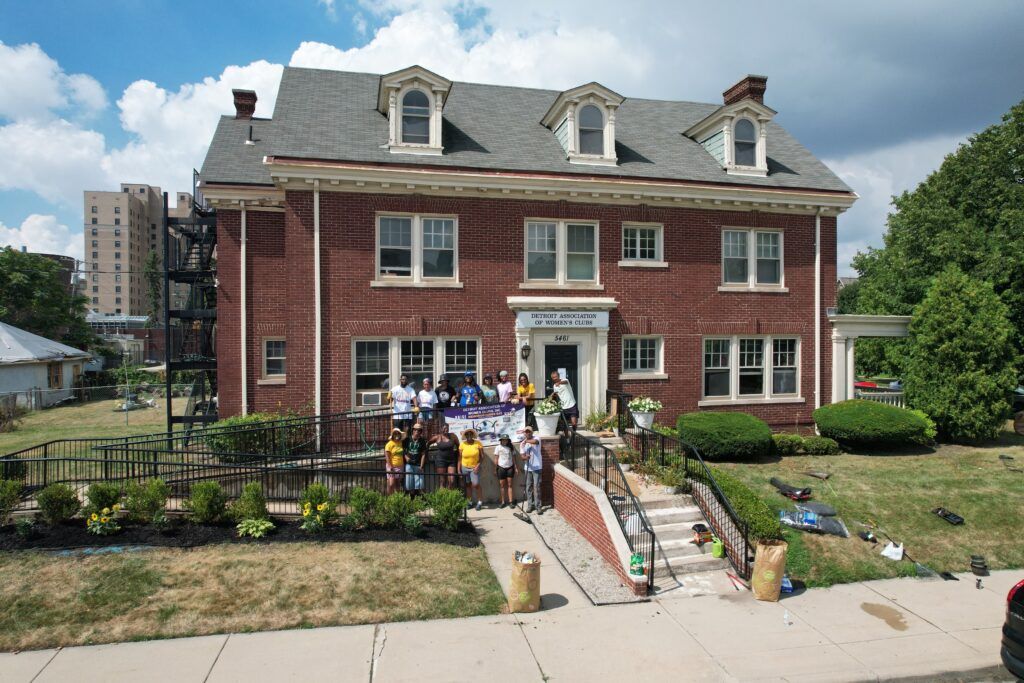
“Founded in 1921, the Detroit Association of Women’s Clubs, or DAWC, was one of the first Black organizations in Detroit to own their headquarters building, originally constructed in 1913 and later purchased by the DAWC in 1941 as a space where association members could gather and work together towards achieving the as-yet-unfulfilled vision of equality for women and Black Americans. In 2024, burst water pipes caused damage to the interior and led to closure of the building. Partnerships and financial support are needed to ensure the DAWC clubhouse is reopened to members and the public for community-serving programs and initiatives.”
Greater Chaco Cultural Landscape | New Mexico, Colorado, Arizona, Utah
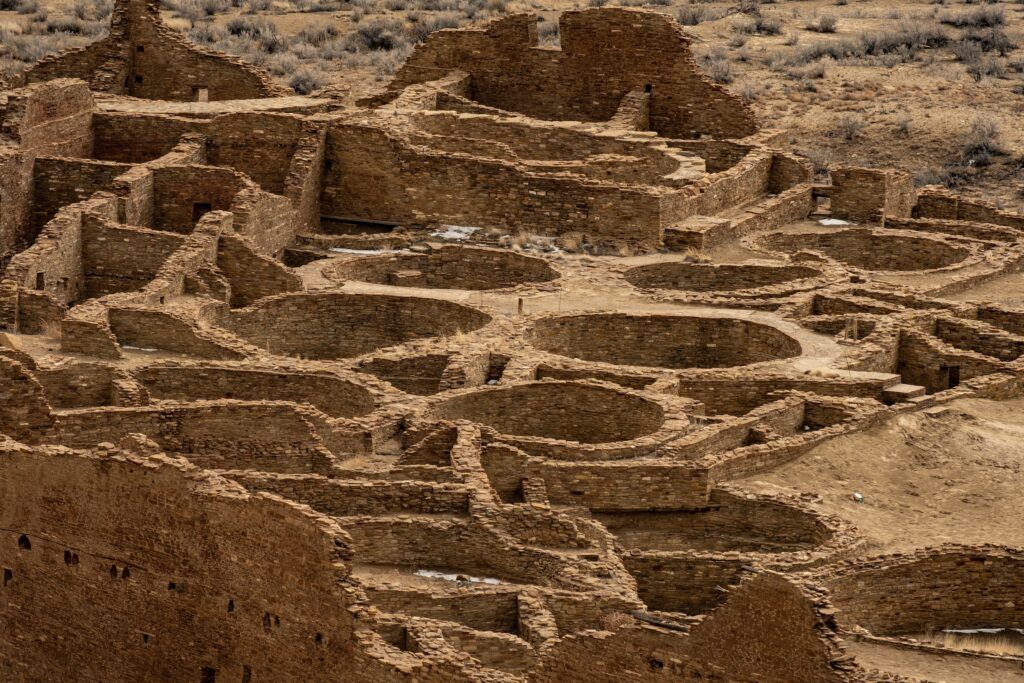
“The Greater Chaco Cultural Landscape is an ancestral homeland sustained by Pueblo and Hopi people for over a millennium. Changes to federal land policy threaten to open up significant portions of this living cultural landscape to oil and gas development. Permanent protections and robust tribal consultation are essential to protect the cultural integrity of the Greater Chaco Cultural Landscape so that it can serve as a national model for Indigenous-led stewardship, intertribal collaboration, and public education grounded in respect and consent.”
Women’s Rights National Historical Park | Seneca Falls, New York
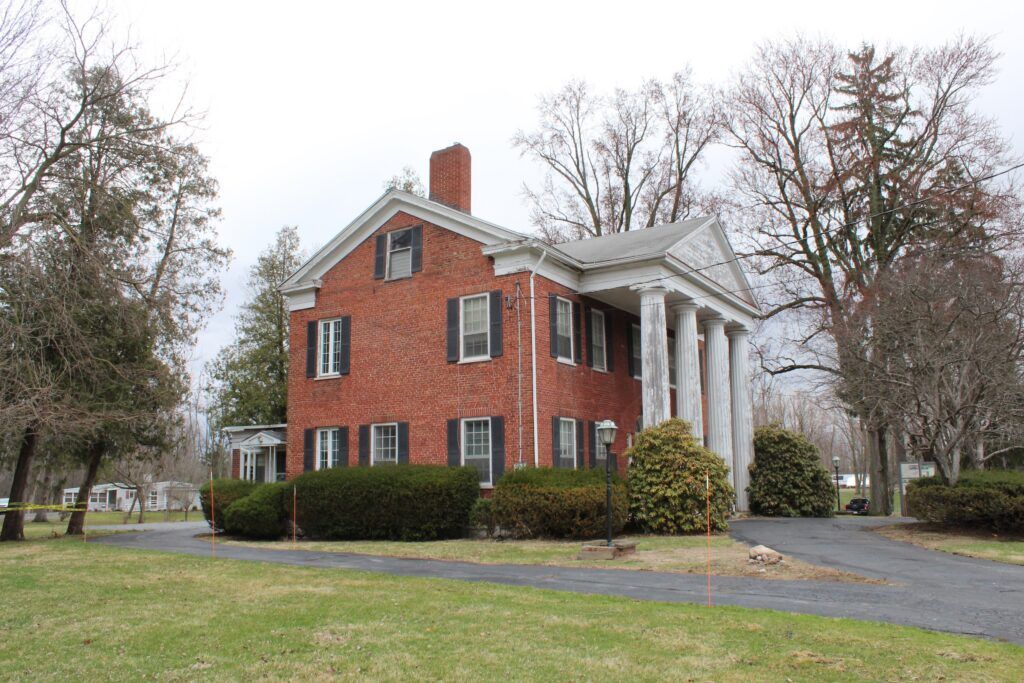
“The Women’s Rights National Historical Park connects the story of women’s rights and demand for equality to the ongoing, multi-generational fight for civil rights, human rights, and economic justice for all. As the Park faces a deferred maintenance backlog of over $10 million, additional funding and support are needed to ensure that visitors can fully immerse themselves in the history of the site, including when in 1848 the Declaration of Sentiments boldly proclaimed that ‘all men and women are created equal.'”
Stonewall National Monument | New York, New York
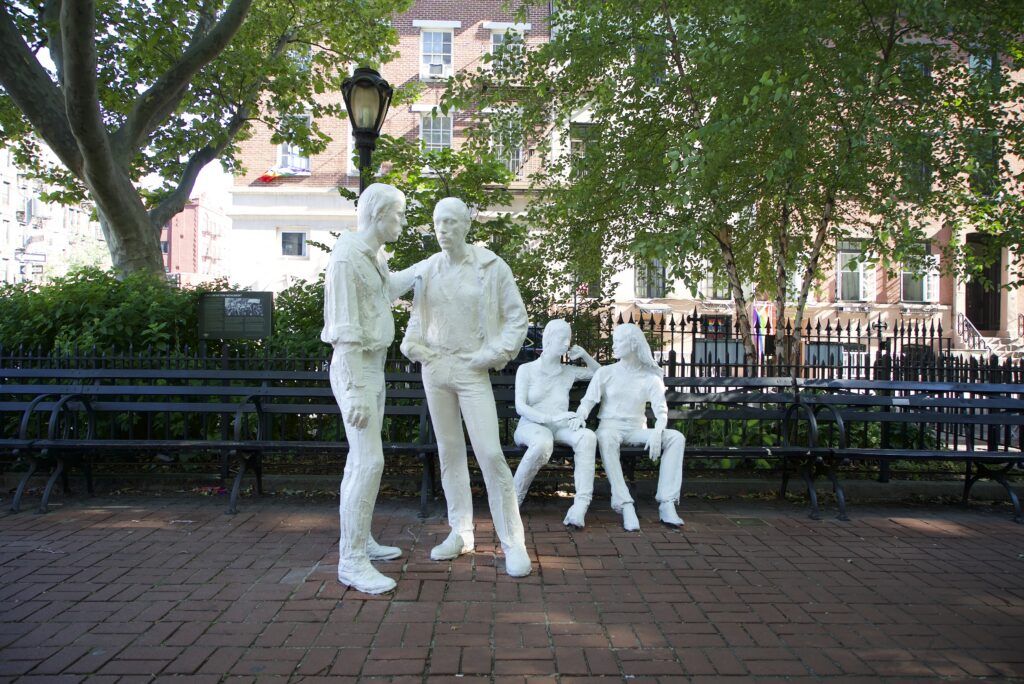
“The Stonewall National Monument is the first and only U.S. National Monument dedicated to LGBTQ+ history. It serves as a permanent and official acknowledgment that the courage and leadership shown by the LGBTQ+ community has fundamentally advanced equality in American law, culture, and public life … Sustained advocacy is necessary to ensure that the full and inclusive LGBTQ+ history of the Stonewall Uprising, including references to the participation of transgender people, remains publicly visible.”
The President’s House Site | Philadelphia, Pennsylvania
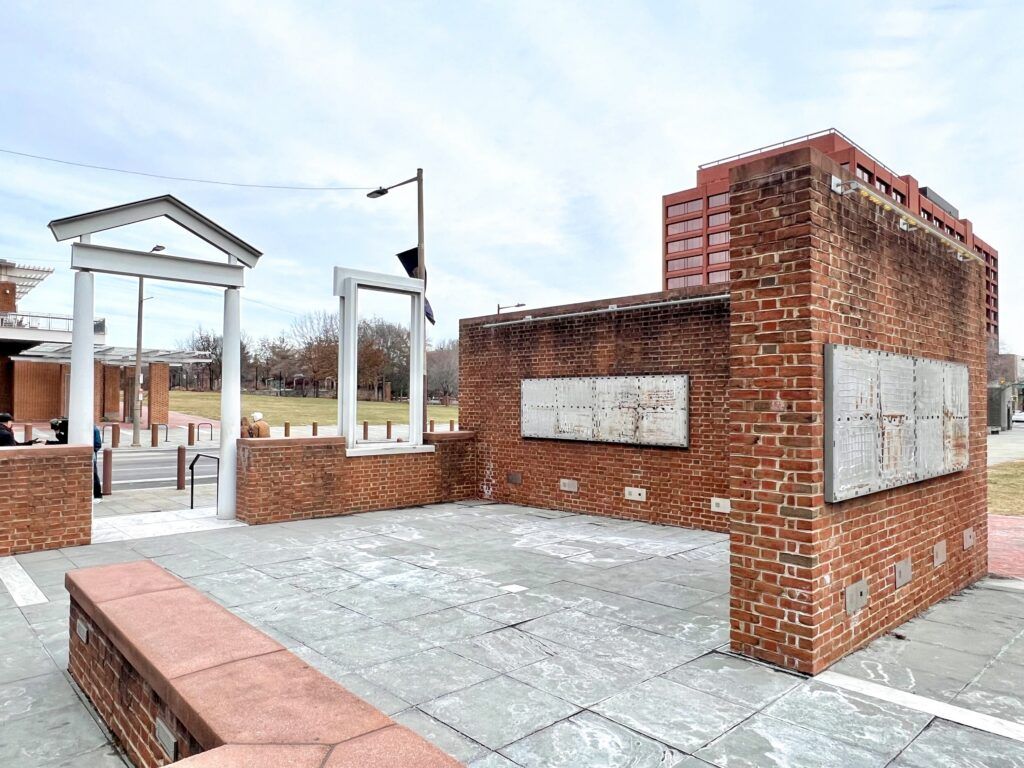
“The President’s House archaeological site was the location of the nation’s presidential executive mansion from 1790 to 1800. Presidents George Washington and John Adams lived here, and President Washington enslaved nine Africans here whose labor sustained his household, including Ona Judge and Hercules, who resisted slavery by self-emancipating from this site.”
Hanging Rock Revolutionary War Battlefield | Heath Springs, South Carolina
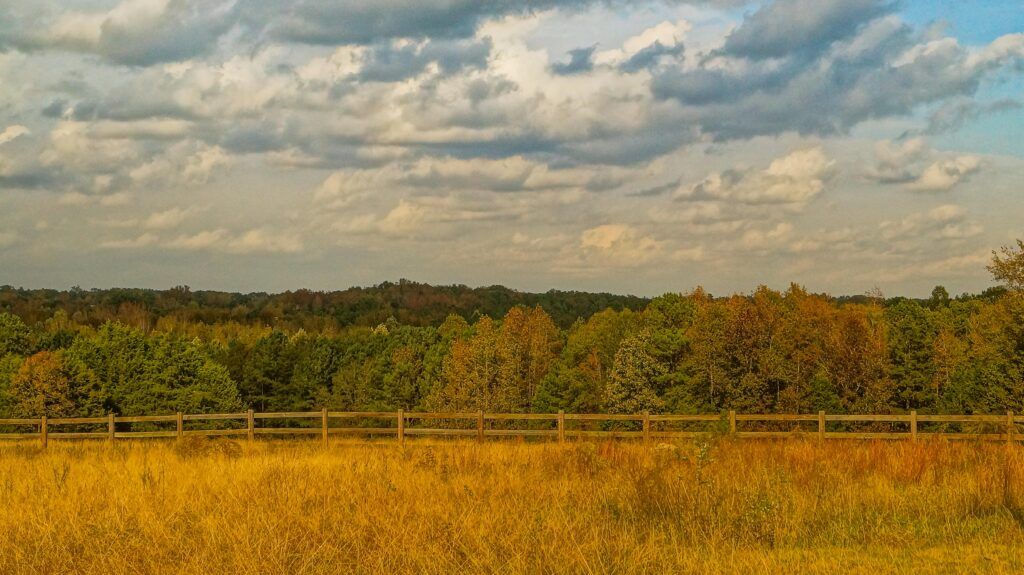
“The Battle of Hanging Rock was a key engagement in the Revolutionary War and is considered a Patriot victory that helped boost morale at a dark time in the Southern Campaign, ultimately weakening British control in South Carolina. Revealing a great divide, neighbors — both Patriot and Loyalist — fought one another over loyalty, land, and self-government, each with distinct stakes in survival and autonomy.”
El Corazón Sagrado de la Iglesia de Jesús | Ruidosa, Texas
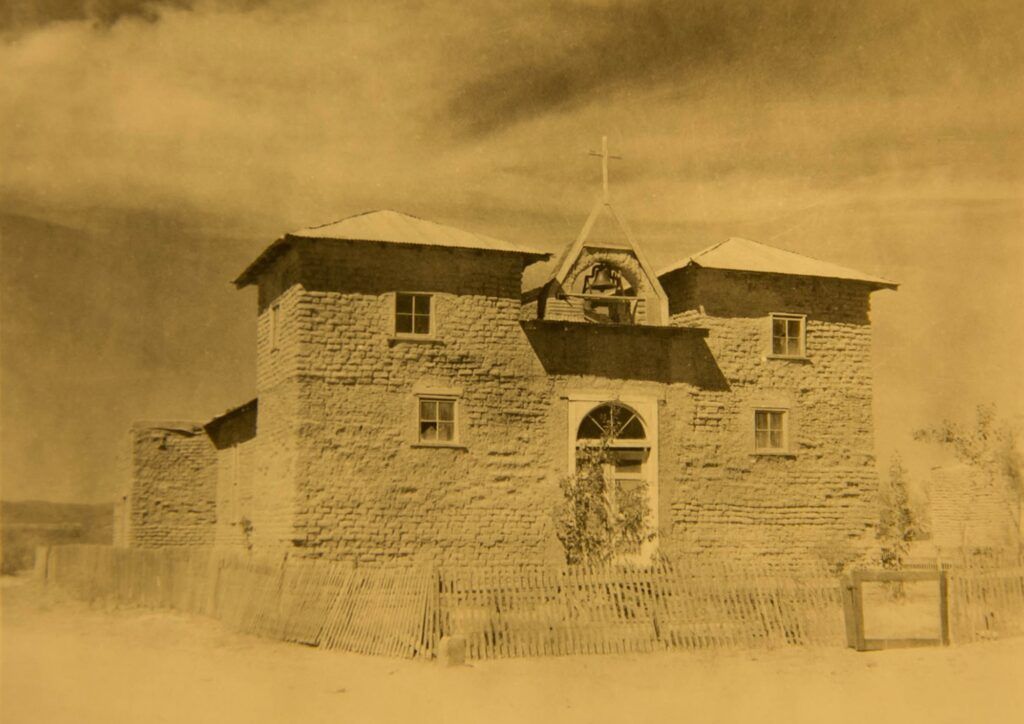
“Completed in 1915, El Corazón Sagrado Church was a place of refuge and prayer for Mexican and Mexican American farming communities on both sides of the international border along the nearby Rio Grande River. Vacant since the 1950s, the church’s traditional adobe construction has been stabilized with leadership by a nonprofit friends group, but more work is needed to reactivate the building as a community hub.”
RELATED: This List of America’s “Most Endangered Historic Places” Is Helping to Save Them