This article was originally written by Ottilie Von Henning for SWNS — the U.K.’s largest independent news agency, providing globally relevant original, verified, and engaging content to the world’s leading media outlets.
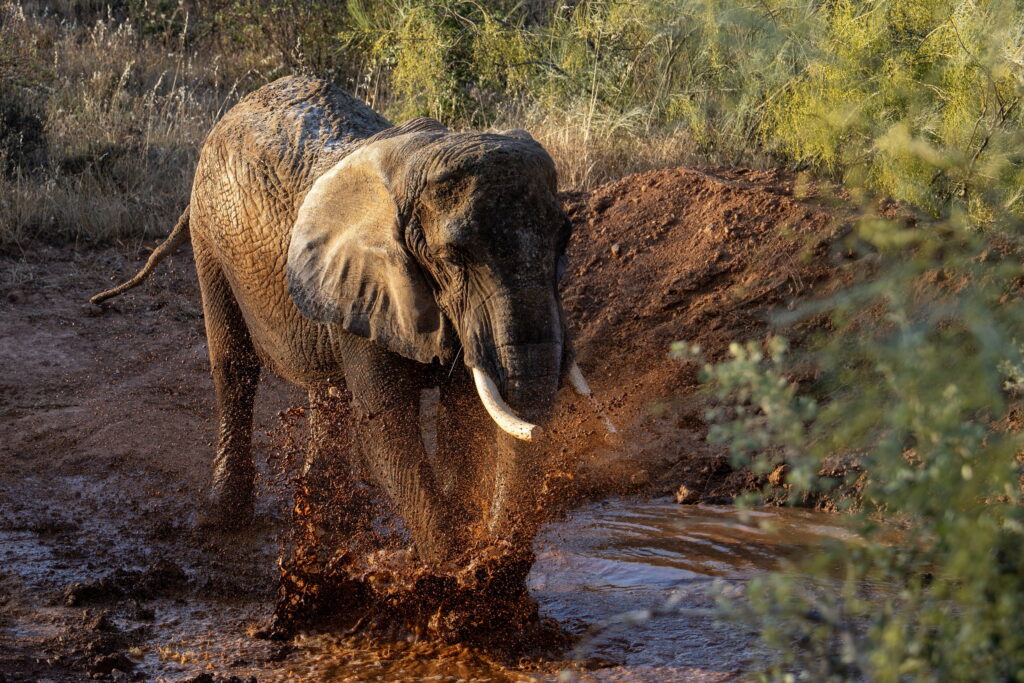
After 40 years of performing, the last circus elephant in Portugal can now be found splashing in mud puddles, foraging for food, and otherwise enjoying life as the inaugural resident of the country’s first dedicated elephant sanctuary.
Julie, an African elephant, was captured as a calf in the wild in the late 1980s and brought to Portugal, where she began performing in the Víctor Hugo Cardinali Circus. In 2018, the Portuguese government passed a law prohibiting the use of wild animals in circuses, legislation that went into effect in 2024.
She was then officially retired from performing and left without a clear future. Her last remaining companion, another of the circus’ elephants, had died the same year. As owner Víctor Hugo Cardinali considered options for her, Pangea Elephant Sanctuary in Alentejo reached out to offer Julie a permanent home.
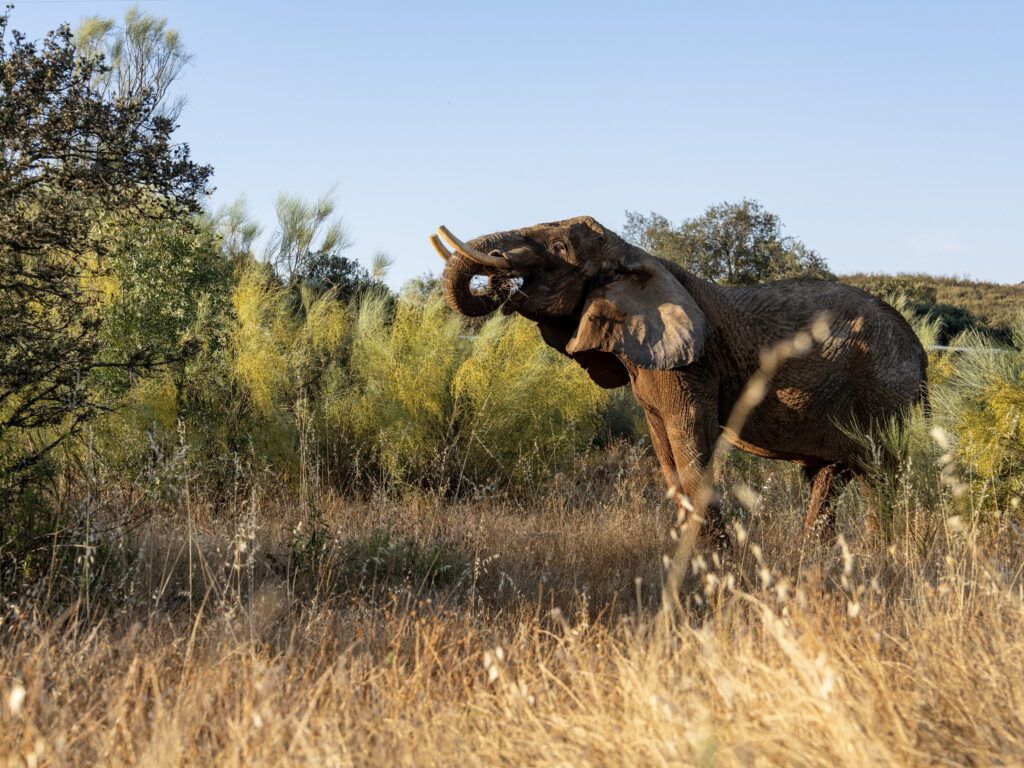
The first of its kind in Europe, the sanctuary was still being built at the time, but staff soon began coordinating Julie’s move. Fast-forward 18 months, and on June 30, Julie took a two-and-a-half hour truck ride from the circus grounds to her new habitat, becoming the first elephant to live on-site — and she settled in right away.
“Julie is the first elephant to call Pangea home, and there could be no more fitting first resident than Portugal’s last circus elephant,” Kate Moore, managing director of the sanctuary, said in a news release. “Many circuses and zoos across Europe are reaching the point where keeping elephants is no longer possible or appropriate, and they need somewhere to turn.”
In a video created by the sanctuary, Moore explained that the climate in Alentejo is remarkably similar to parts of Africa, like Zambia. “In the winters, it’s wet and it’s lush and green, and in the summers, then it is hot and dry, and it’s basically giving the elephants that seasonality, which creates that experience of a really natural life.”
The sanctuary spans 1,000 acres and aims to house 20 to 35 elephants, but has limited occupancy at this stage while more barns are added and fences constructed. Later this year, Julie is expected to be joined by Kariba, another female African elephant in her 40s who was also wild-caught and is currently living alone at a Belgium zoo.
In the news release, Cardinali said the decision to rehome Julie was not an easy one, “as she has been a member of our family for decades,” but he added that “working with Pangea on her transition to her new home was a critical factor in our deliberations.”
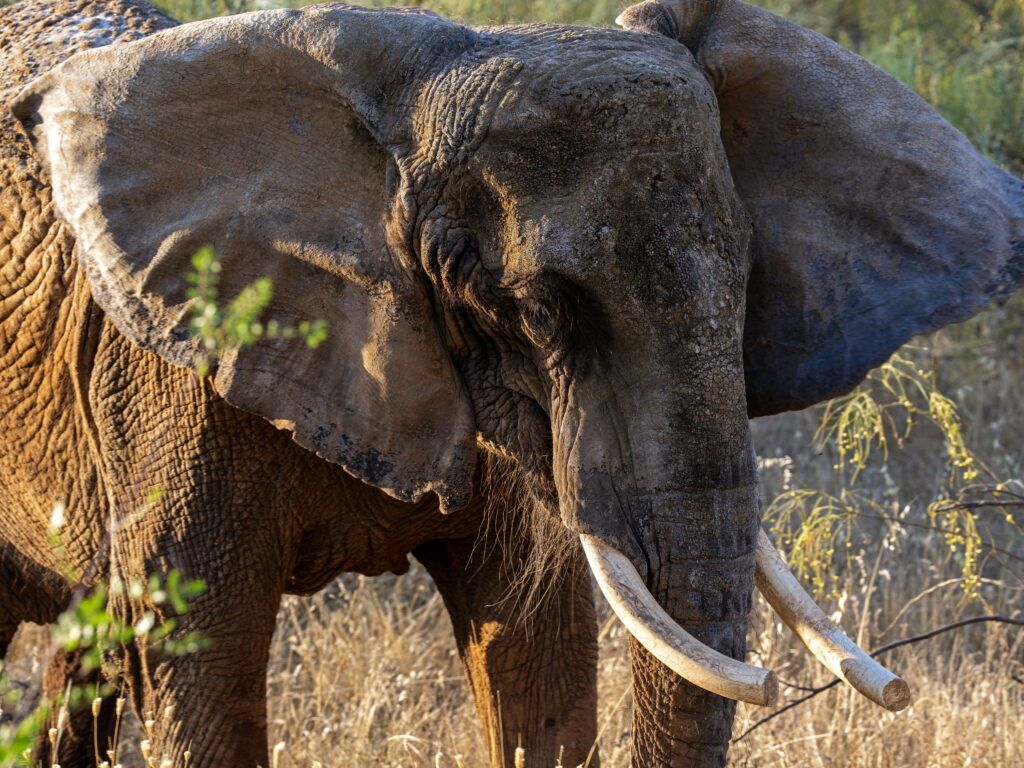
The organization’s goal is to provide a safe space for these wild animals to live out the rest of their days, without the stress of a long-haul journey back to Africa. “Our focus is now to give Julie the best possible quality of life in her time ahead,” said Moore.
RELATED: “A Landmark Moment”: World-First Elephant Vaccine for Deadly Disease Found to Be Safe and Effective