We’ve partnered with Reading Partners to help support the nonprofit’s childhood literacy initiatives across the U.S. Click here to donate to our fundraiser.
The right to vote, the right to freedom of speech, the right to due process, and … the right to read? You may not think of the ability to dive into a good book as a civil right, but one nonprofit does — and it’s changing the lives of thousands of students across the country.
Reading ability among American children has not fully rebounded to pre-pandemic levels, and achievement gaps based on demographics like income persist. In 2022, just 33% of all fourth graders performed at or above “proficient” on the National Assessment of Educational Progress; that number dipped to 19% for those who were eligible for free or reduced cost lunch.
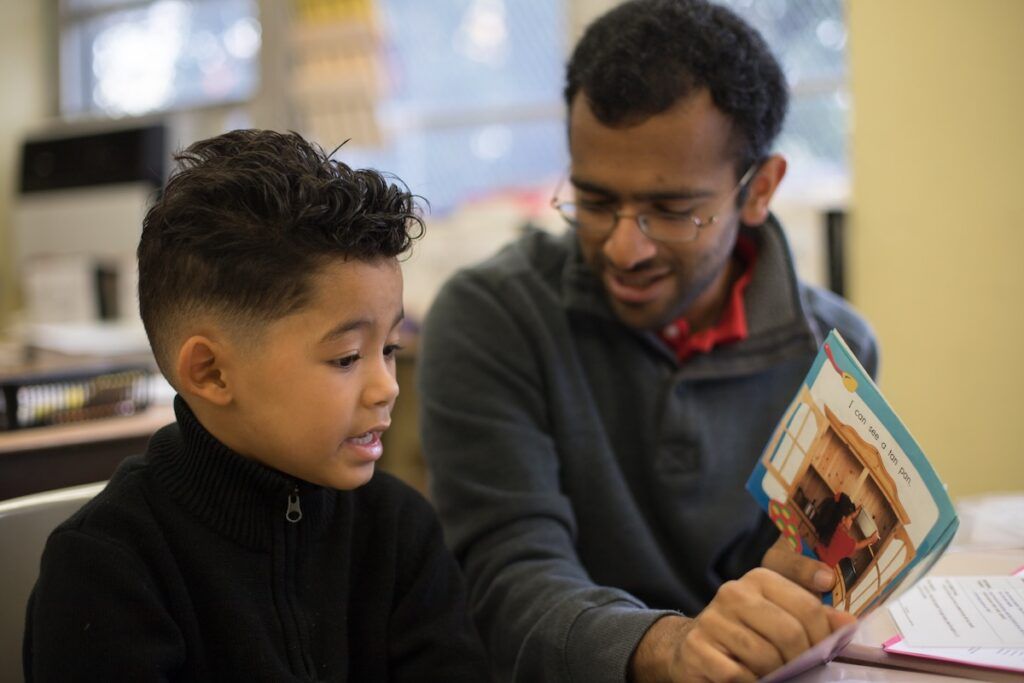
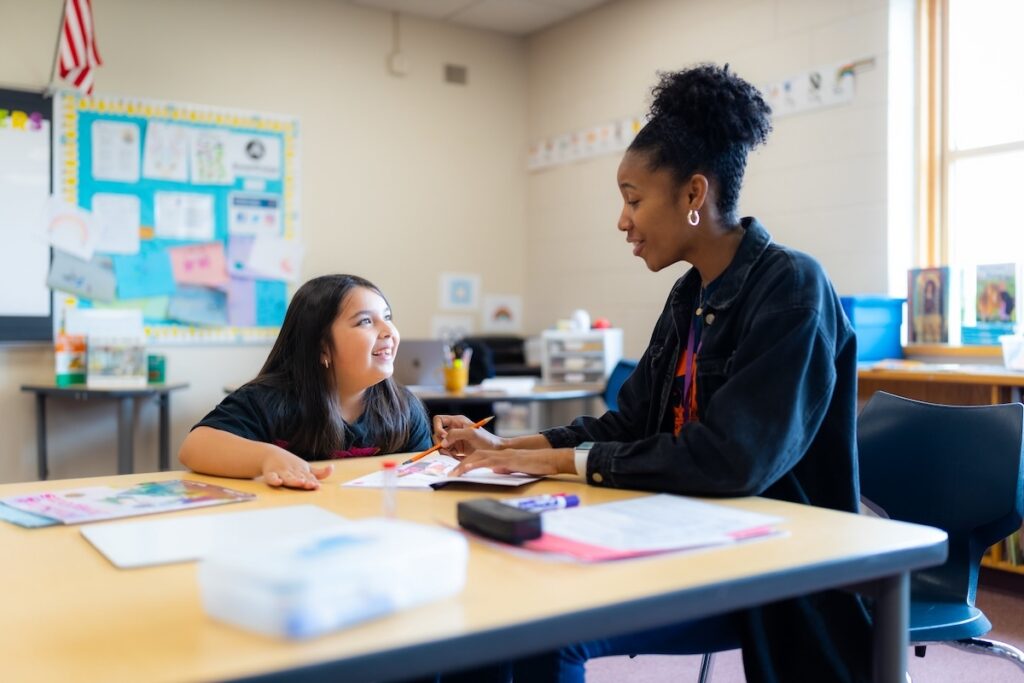
The stakes are high: Students who are not proficient readers by the end of third grade are four times more likely than their proficient peers to not graduate high school on time. So Reading Partners is stepping in, partnering with schools and communities around the U.S. to provide individualized tutoring to students who need it.
Operating on the aforementioned belief that “reading is a civil right,” the organization has mobilized over 100,000 volunteers to deliver 3.7 million tutoring sessions since its founding in 1999. And the program is working — the latest data showed that 82% of all current Reading Partners students are meeting or exceeding their end-of-year literacy growth goals.
Over the years, though, the nonprofit has evolved the way it pursues its mission. “[Reading Partners is] not afraid to make changes when things are happening in the education sector,” Diego Torres Diaz, a program manager for the Mid-Atlantic operation, told Nice News. Its “Cover to Cover” book series, for example, embodies the science of reading while also telling stories that students can see themselves reflected in.
Liz Chow, a volunteer tutor in Manhattan, has seen this evidence-based approach work time and again over seven years with the nonprofit.
“It’s just so much fun to see the little ones learn their ABCs and associate sounds with letters … bringing them to the point where they can engage with a text, learn from it, connect it to other things they’ve read, connect it to other aspects of the world that they already know about,” Chow, a retired finance professional, explained. “First you learn to read, and then you read to learn.”
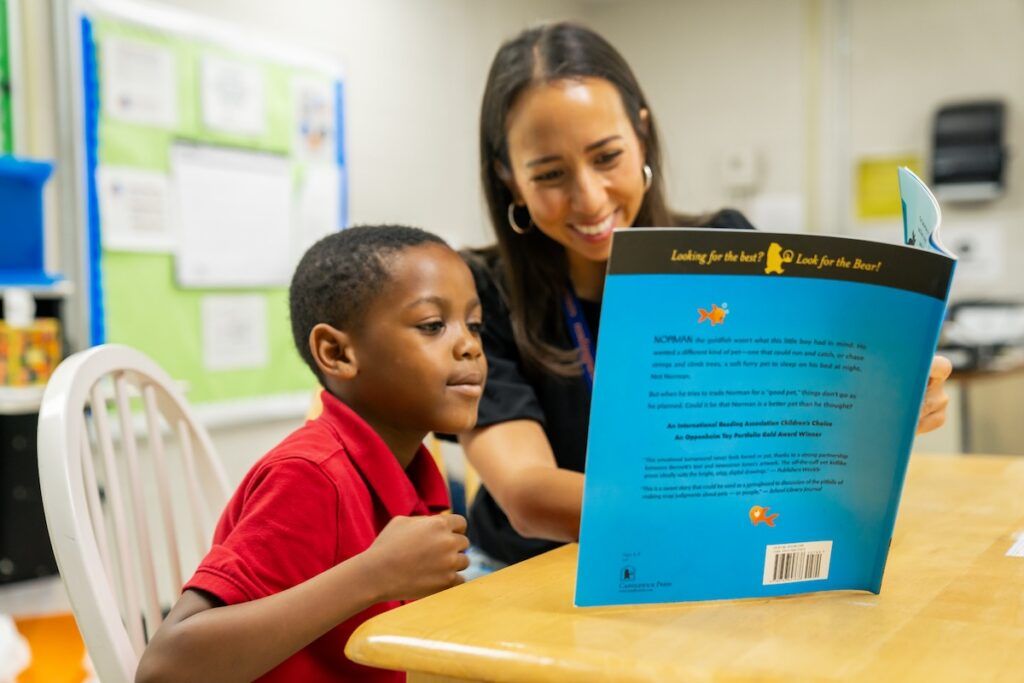
Reading Partners is also much more than teaching words on the page — the confidence instilled in students when they conquer a new challenge is unmeasurable. Chow mentioned one specific student she worked with two years ago who had recently arrived to New York from Venezuela with his family and knew very little English.
“Watching him blossom and feel more confident in his new surroundings was tremendous. And I think part of that was that he was very successful in learning something so difficult but so critically important to both his schooling and his life,” she recalled.
She noted that the tutoring process was made more effective (and more fun) by the fact that Chow herself was trying to learn Spanish at the time. “Knowing that I was learning Spanish and that we were both sort of struggling with that helped him to see that he was not alone in this world trying to learn a new language,” she said.
Cierra Rogers, a program manager in South Carolina, echoed confidence as a key outcome of Reading Partners. She emphasized that a student’s growth isn’t confined to the walls of a reading center — their teachers, parents, and even siblings take note.
“We have teachers who communicate with us like, ‘Oh yeah, they’re doing better in class. They’re confident, they’re answering questions, they’re raising their hands.’ I think that’s what sets us apart from other literacy programs,” Rogers said.
Related: A Nice News Editor’s Love Letter to Public Libraries