This article was originally written by Steve Richmond for SWNS — the U.K.’s largest independent news agency, providing globally relevant original, verified, and engaging content to the world’s leading media outlets.
Happy 80th birthday to one of the world’s busiest international airports: London’s Heathrow. The hub, which saw 49 million international seats and 84.5 million total passengers in 2025, welcomed its first travelers on March 25, 1946 — and to celebrate its Wednesday anniversary, the airport looked back on its most iconic moments over the decades.
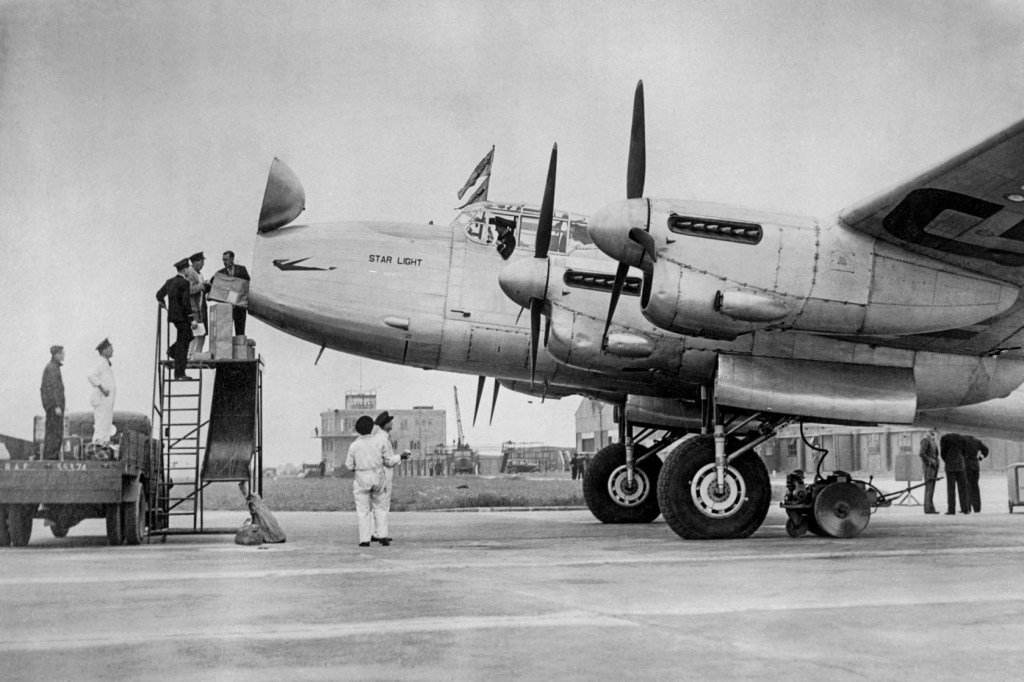
Initially launched as the “London Airport” following two years of construction, Heathrow didn’t receive its current moniker (it’s named after the ancient hamlet it was built on) until 1966. Its inaugural flight in the newly post-World War II era was a converted Lancaster bomber called Starlight that flew to Buenos Aires, and in the airport’s first year, some 63,000 passengers took to the skies.
During its eight decades of operation, Heathrow has witnessed everything from The Beatles’ return from their initial U.S. tour to England Rugby bringing home the World Cup. And alongside passenger flights, it’s become a key departure point for U.K. exports, helping British businesses connect with global markets.
“Over the last 80 years, Heathrow has been the backdrop to some of Britain’s most memorable moments — from landmark arrivals and maiden flights, to the everyday reunions that matter most,” Ross Baker, Heathrow’s chief customer officer, said in a statement. “As we celebrate this milestone, we’re proud of the role it has played in people’s lives, British culture, and the U.K. economy, and remain focused on delivering an airport that serves our customers and the nation for decades to come.”
Scroll through some of Heathrow’s most memorable moments below.
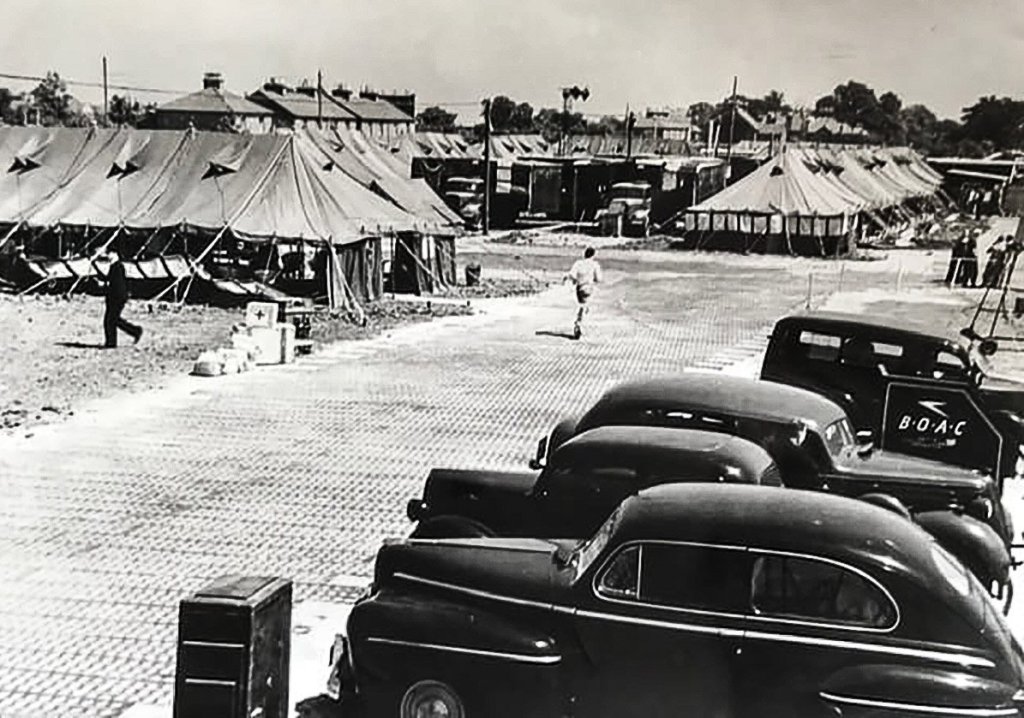
1946: Tents as terminals and first flights
Early passenger terminals were an outdoor network of ex‑military tents that were basic but comfortable and equipped with floral‑patterned armchairs, sofas, and small tables adorned with vases of fresh flowers.
However, in winter, due to a lack of heating, the tents could be bitterly cold, and in the summer, the walls were removed to allow the breeze to blow through. In these early stages, passengers walked across wooden duckboards to protect their footwear from the muddy airfield as they reached their aircraft.
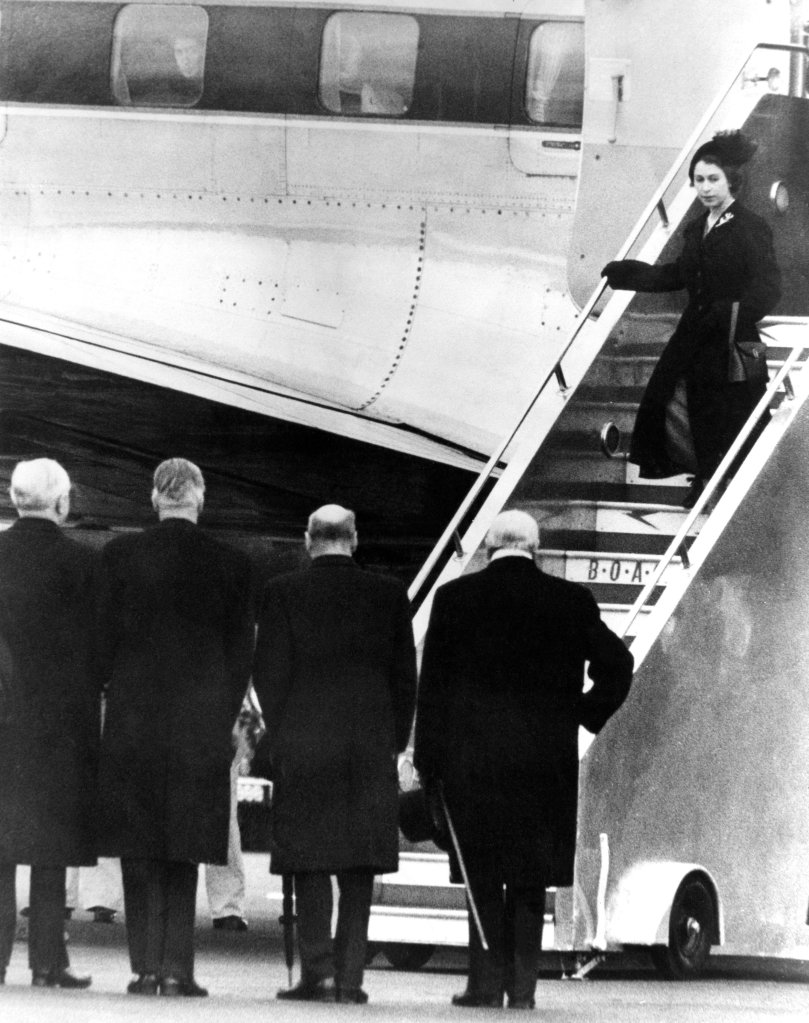
1952: Queen Elizabeth II returns home to mourn her father’s death
King George VI died on Feb. 6, 1952, while Princess Elizabeth was in Kenya on a Commonwealth tour with Prince Philip. She instantly became Queen Elizabeth II at just 25, and she and her husband cut their trip short. She was the first monarch to accede to the throne while abroad in more than 200 years.
With the remainder of the tour canceled, the queen flew back to the U.K. the following day and is seen here leaving the plane at Heathrow wearing all black. She was met at the steps of the aircraft by senior politicians and dignitaries, including Prime Minister Winston Churchill, before returning to the royal British residence Clarence House.
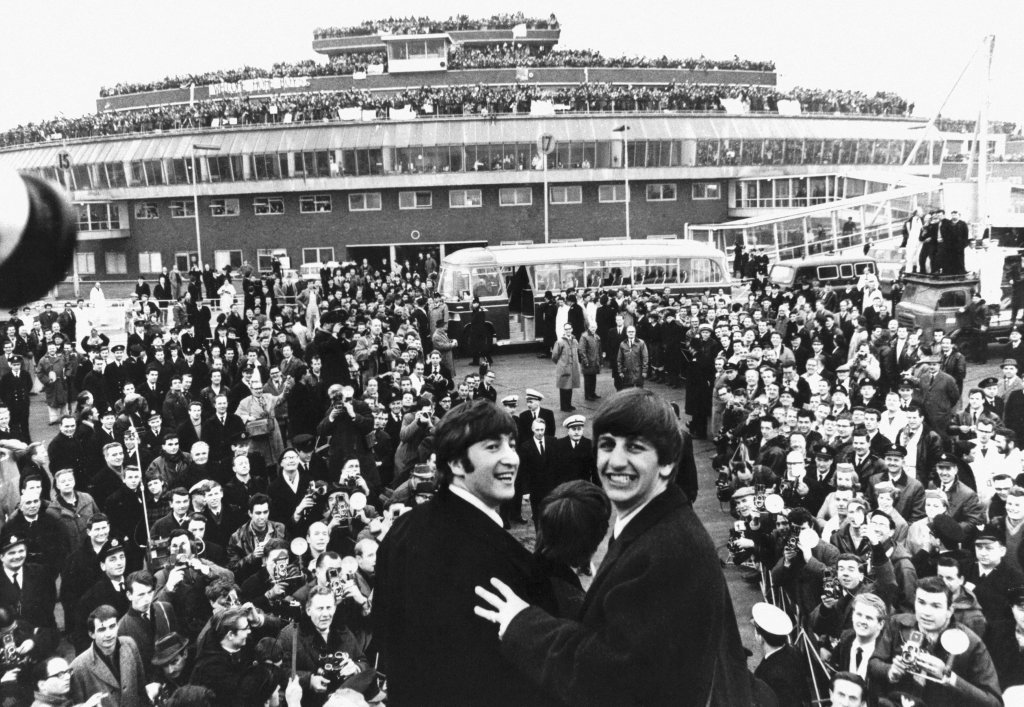
1964: The Beatles are mobbed post-American tour
Before 1964, British pop acts almost never succeeded in the U.S. — but that changed after The Beatles stepped on a flight from the London Airport.
As they boarded on Feb. 7, 1964, surrounded by thousands of screaming fans after just one U.S. No. 1 single, Ringo Starr, John Lennon, George Harrison, and Paul McCartney embarked on a tour that propelled them from U.K. heartthrobs to worldwide fame.
Their first appearance on The Ed Sullivan Show a few days later was watched by an estimated 73 million viewers, roughly 40% of the entire U.S. population at the time. By April of the same year, they held the top five positions on the U.S. singles chart simultaneously.
Their return to England on Feb. 22, 1964, was celebrated as a triumph not just for fans but for the entire country, sparking an invasion of British music across the Atlantic.
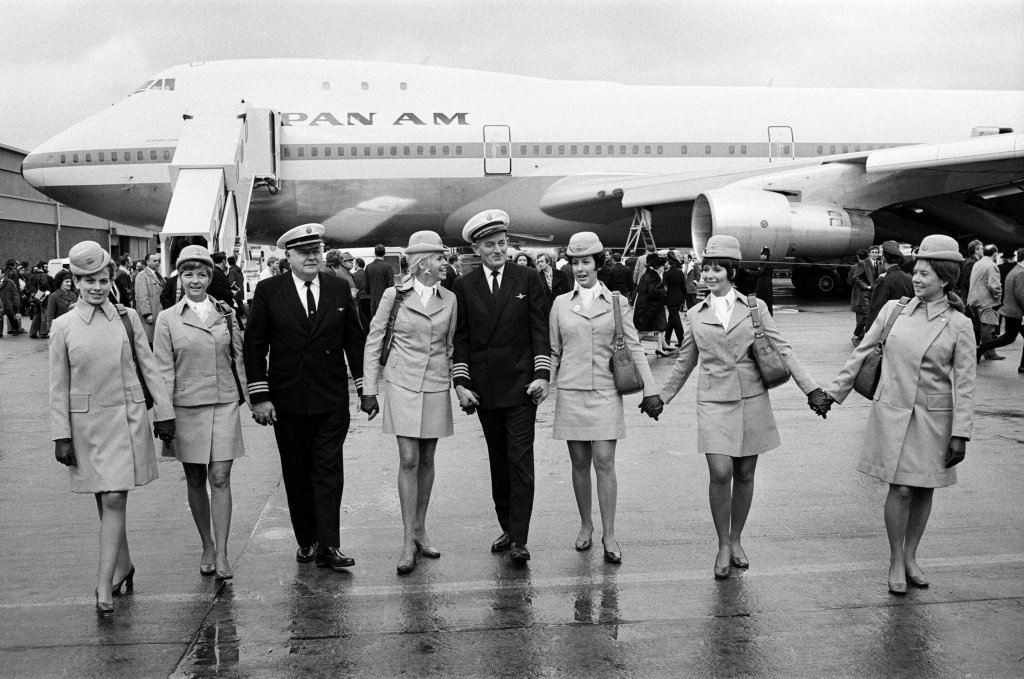
1970: Heathrow welcomes the first Boeing 747 Jumbo to Britain
The 361-passenger Boeing 747 arrived for the first time on U.K. soil in January 1970. It had a cruising speed of 625 miles per hour, cutting the travel time from New York City to London by 30 minutes.
This image shows the captain and crew walking away from the Pan Am jumbo. The 747, dubbed the “Queen of the Skies,” also revolutionized travel as the world’s first twin-aisle plane.
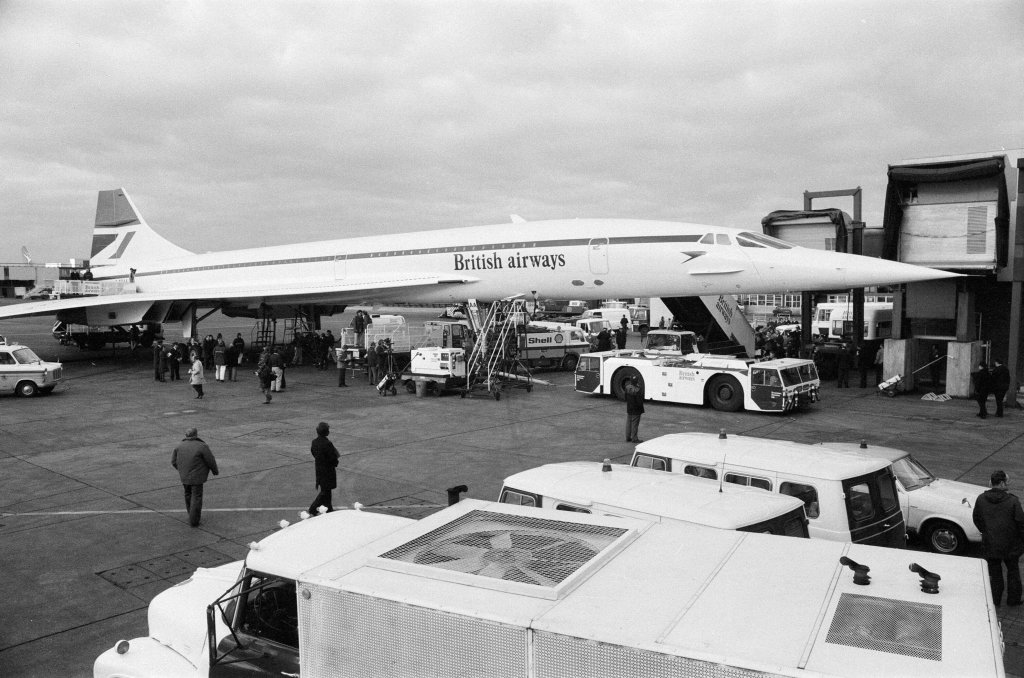
1976: Concorde commercial flights take to the air from Heathrow
On Jan. 21, 1976, seven years after Concorde’s maiden test flight, the first commercial flights took place, leaving Heathrow for Bahrain at 11:40 a.m. A simultaneous flight departed from Paris to Rio de Janeiro via Dakar, Senegal, as part of its launch.
One passenger on board the maiden commercial flight was Bob Ingham, a superfan of Concorde who saved up for three years to buy his ticket. Wearing a “sunrise” headdress and silver face paint with white and purple robes, he became a popular figure widely covered in the media. Fast-forward 47 years, and British Airways carried out the final Concorde flight from Heathrow’s Terminal 1.
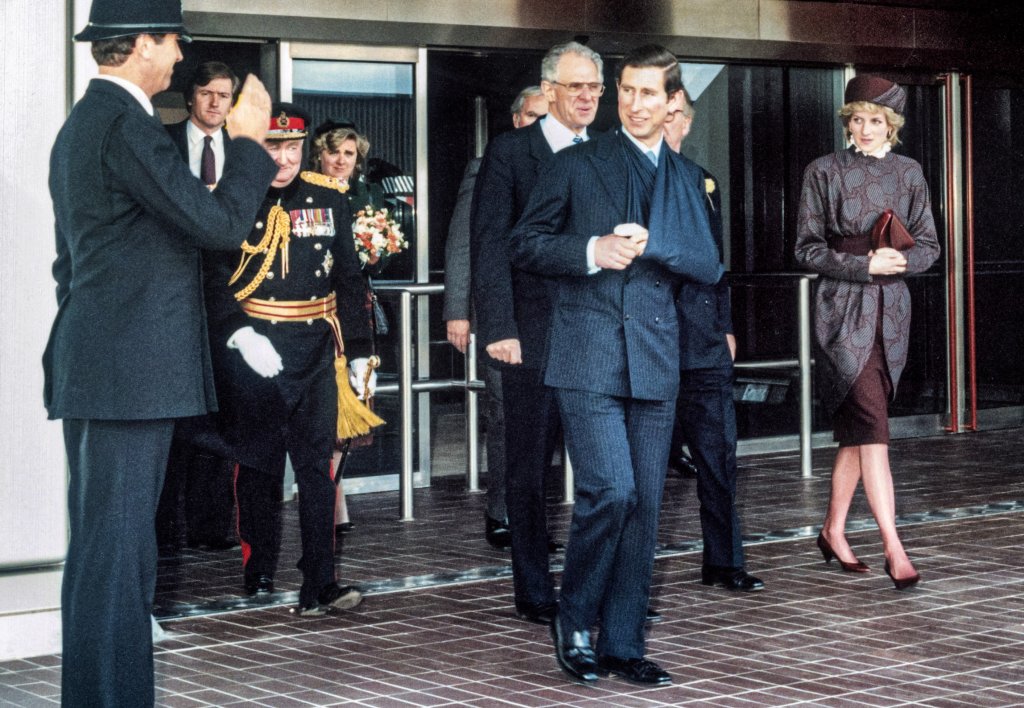
1986: Prince Charles and Princess Diana open Terminal 4
On April 1, 1986, Prince Charles and Princess Diana opened the airport’s Terminal 4. Charles had his arm in a sling following a gardening accident in which he hit and broke his index finger while hammering a stake into the ground.
As a result, he struggled to cut the ribbon, so Diana stepped in to steady the scissors and they completed the opening together. The moment attracted considerable media attention and humanized the formalities traditionally associated with the royal family.
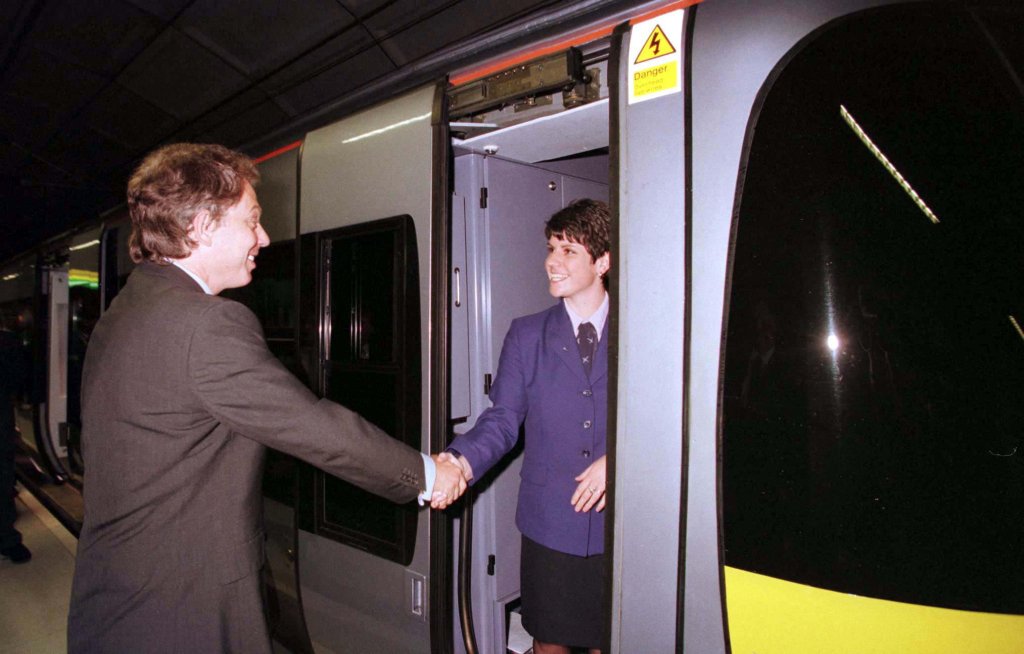
1998: Tony Blair officially opens rail link to Heathrow
Former Prime Minister Tony Blair officially opened the Heathrow Express on June 23, 1998, a new high-speed rail link between the airport and London Paddington railway station. Blair spoke to Claire Pick, the driver of the train, which was part of a privately financed $600 million project creating a 15‑minute journey from central London to the airport.
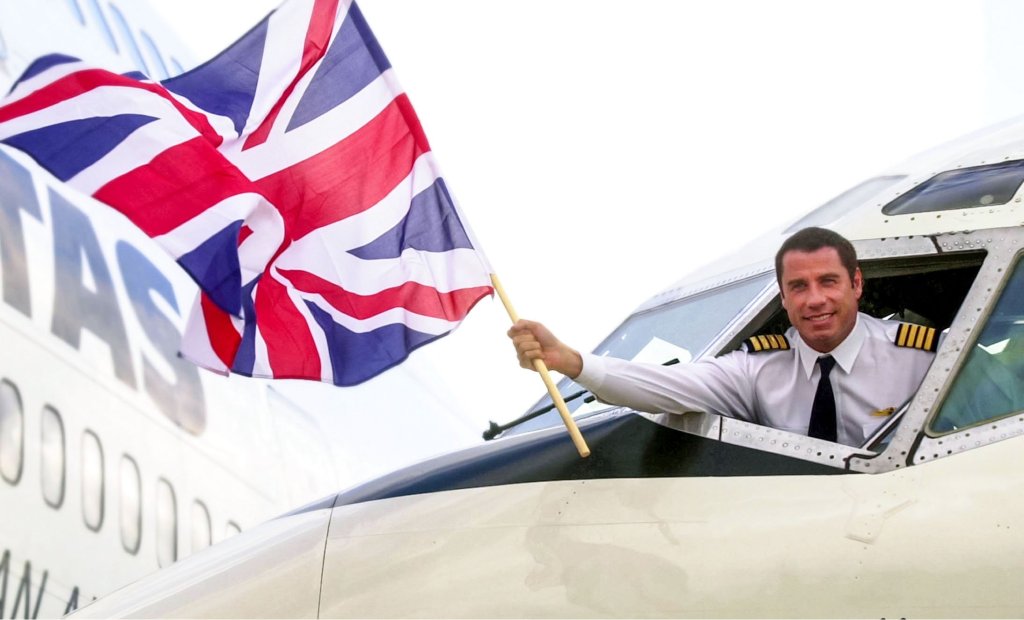
2002: John Travolta flies into Heathrow
In a campaign to rebuild confidence in airline travel following the 9/11 attacks, Hollywood actor and self-confessed “airline geek” John Travolta partnered with Qantas to fly his vintage Boeing 707, formerly of the airline, to 10 countries.
The actor said the moment he was presented with his Qantas golden wings was one of the proudest of his life, and he took as much pride in them as in his two Oscar nominations.
He was photographed from the cockpit window holding a Union Jack flag on Aug. 19, 2002, and flew more than 30,000 miles between Auckland, Sydney, Tokyo, Singapore, London, Rome, Paris, Frankfurt, New York City, and Los Angeles.
2003: England Rugby return home victorious
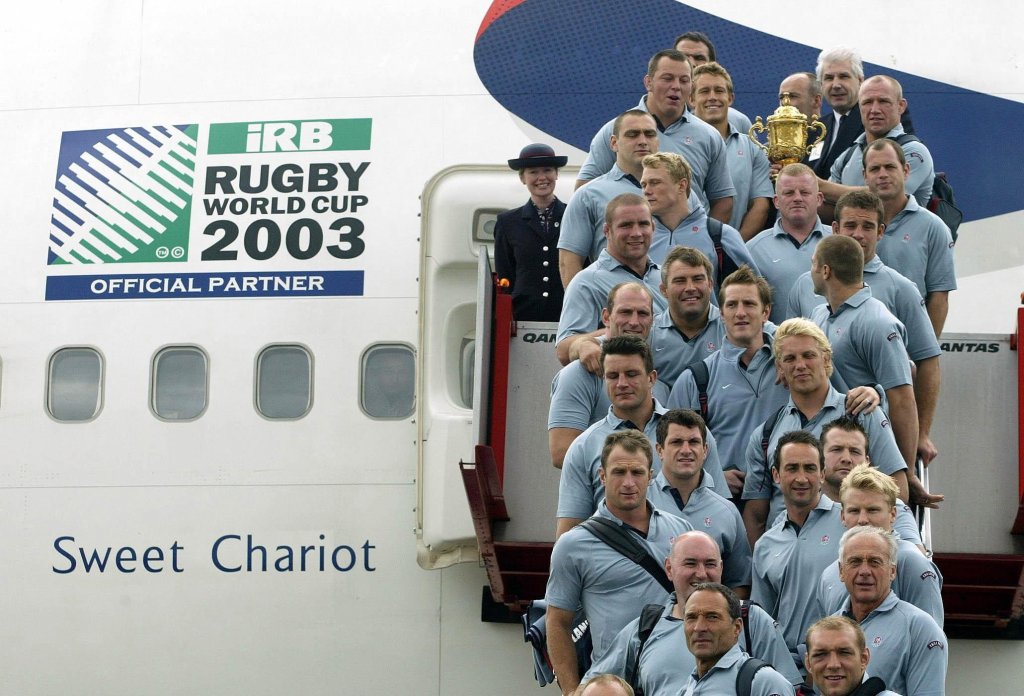
England’s victorious rugby team landed on Nov. 25, 2003, from Sydney after bringing home the World Cup following Jonny Wilkinson’s decisive extra‑time drop goal. Fans surrounded Terminal 4 to welcome them home, and crowds broke into “Swing Low, Sweet Chariot,” despite the team arriving at 4:35 a.m.
The trophy itself had its own seat reserved on the aircraft, with the win considered the country’s greatest sporting achievement since the 1966 football World Cup. Fans surrounded the team’s bus to welcome their heroes home.
2003: Heathrow becomes home to iconic movie moments
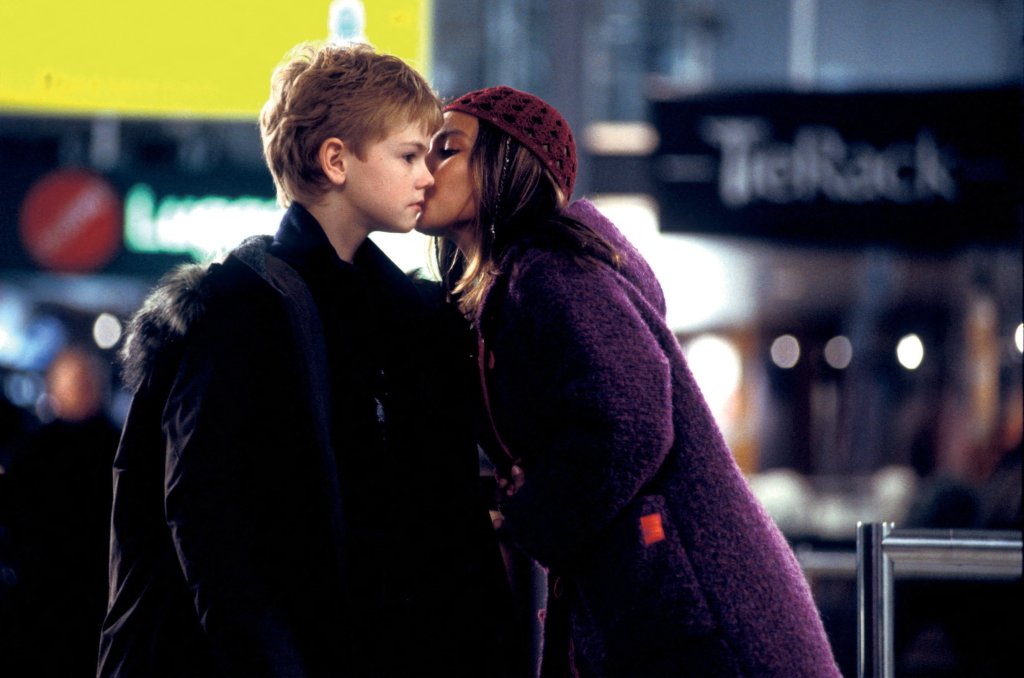
Now a Christmas classic, Love Actually filmed one of its most memorable scenes in Heathrow’s Terminal 3 building.
Featuring Olivia Olson and Thomas Brodie-Sangster as Joanna and Sam, the scene shows the pair exchanging an innocent and heartfelt moment as he chases her to say goodbye while she boards her flight home. The movie opens with shots of real travelers reuniting and concludes with a scene that reunites key characters like David and Natalie, played by Hugh Grant and Martine McCutcheon.
2008: Queen Elizabeth opens Terminal 5
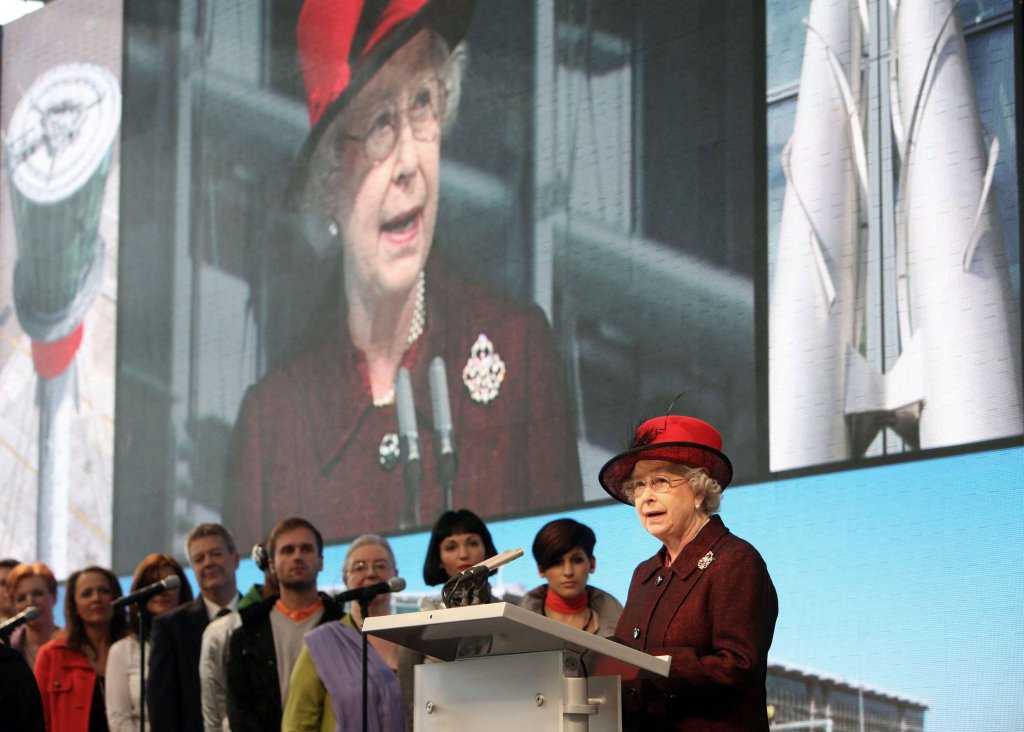
Accompanied by Prince Philip, the queen officially opened Heathrow’s Terminal 5 on March 14, 2008. She addressed 800 guests and described the terminal as a “21st‑century gateway to Britain,” declaring it “ready for business.”
To mark the occasion, a specially commissioned 30‑strong choir performed, and the terminal formally opened to passengers on March 28. Passengers would go on to vote Terminal 5 as the best airport terminal in the world for several years, cementing its reputation as a benchmark for service and design.
2013: Major milestone at Heathrow as British Airways takes delivery of double‑decker planes
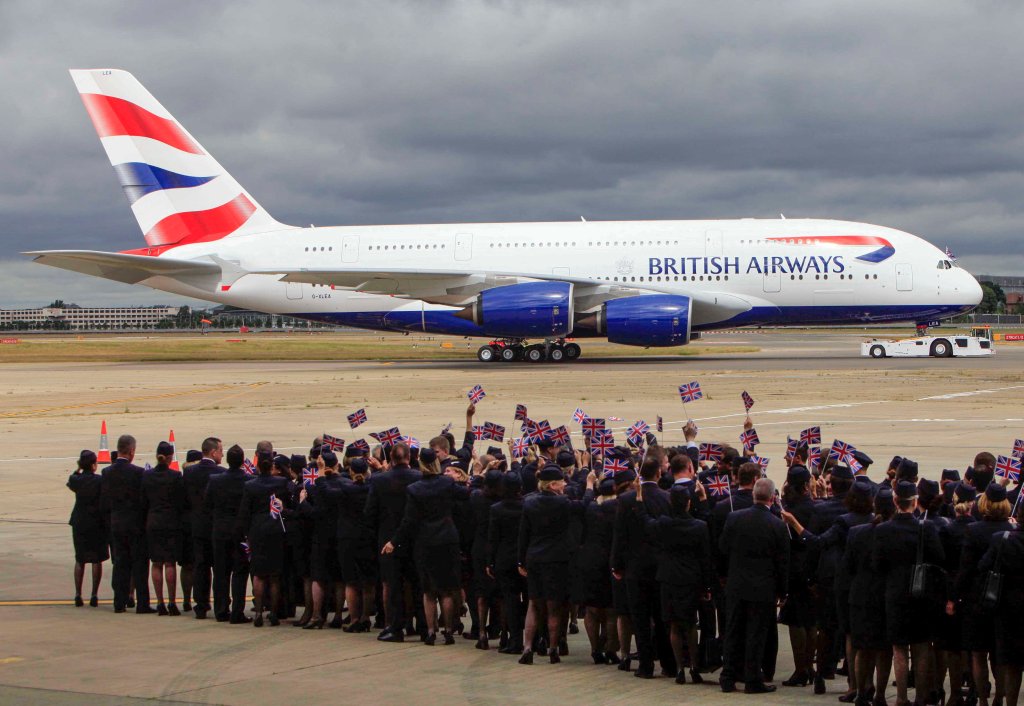
Heathrow became the home base to the Airbus A380 in 2013 as British Airways became the first U.K. airline to operate the world’s largest aircraft.
The first and only full‑length double‑deck airliner can carry 500 passengers. The airline became the first in Europe to use both the Airbus A380 and the Boeing 787 Dreamliner to carry more travelers without increasing flight numbers.
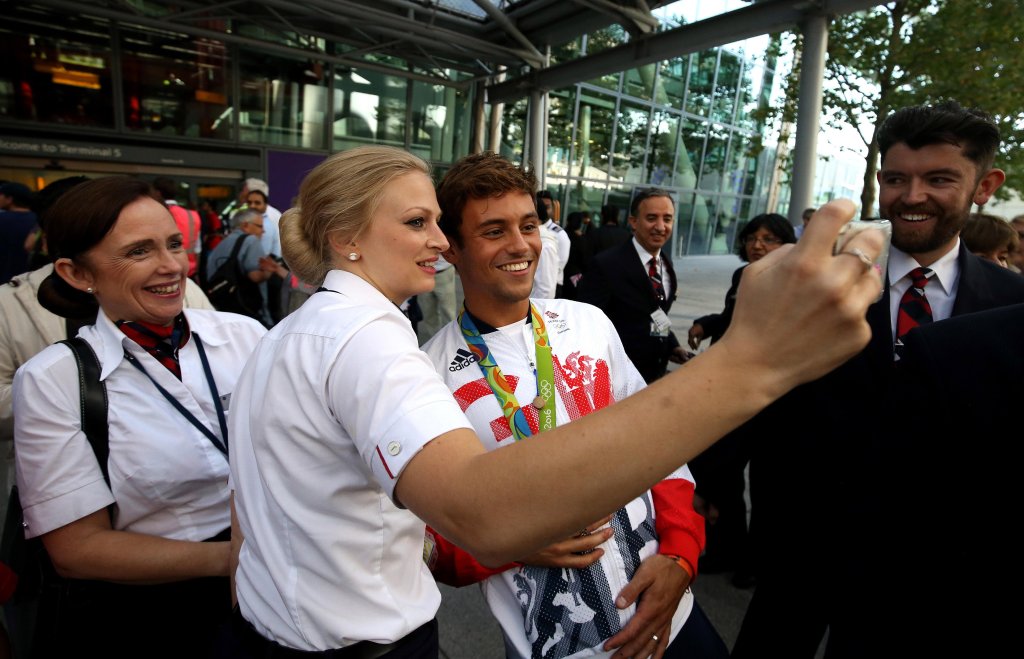
2016: Olympic heroes return home from Rio de Janeiro
Team Great Britain was the first of any Olympic team to surpass the number of medals won on home soil after hosting. They won 67 medals in Brazil’s second-most populous city, beating the 65 secured four years prior at the London 2012 games.
Tom Daley, who won bronze in the men’s 10-meter synchronized diving event, posed for pictures in Heathrow’s Terminal 5 upon returning home. Daley made his debut at the 2008 games and later retired in 2024, having secured four Olympic medals in total.
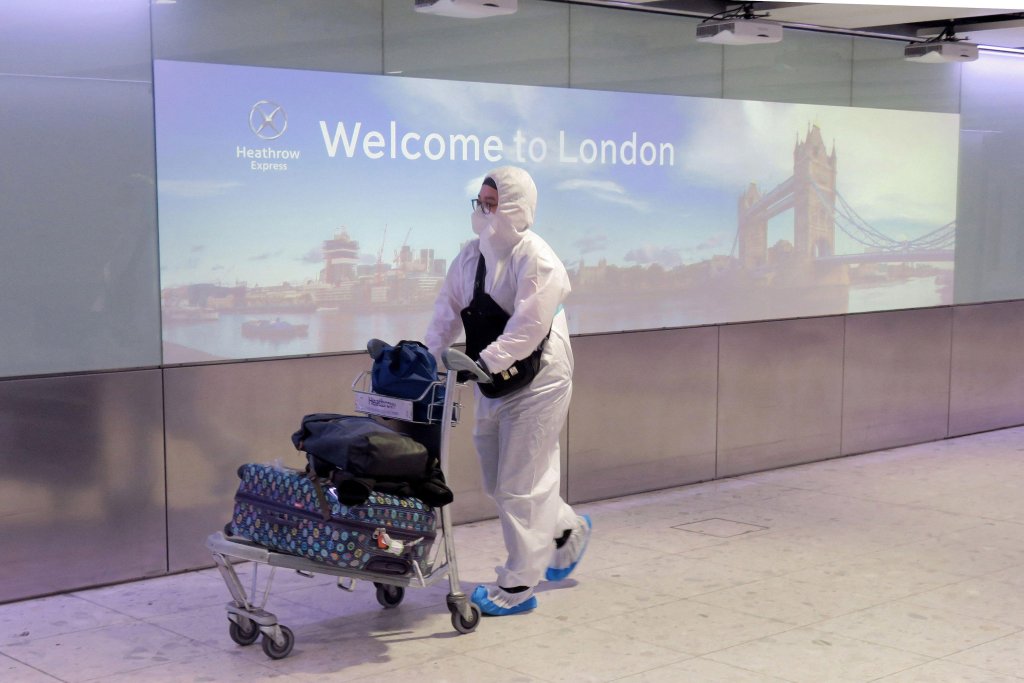
2020: Coronavirus impacts travel worldwide
Following a ban on all non‑essential travel due to the COVID-19 pandemic on March 17, 2020, the country went into national lockdown six days later, halting all travel. As a result, Europe’s busiest airport had to close its doors, operating only essential flights in and out of the country.
With restrictions largely lifted in early 2022, demand rebounded and 2024 saw a recovery to pre‑pandemic passenger levels.
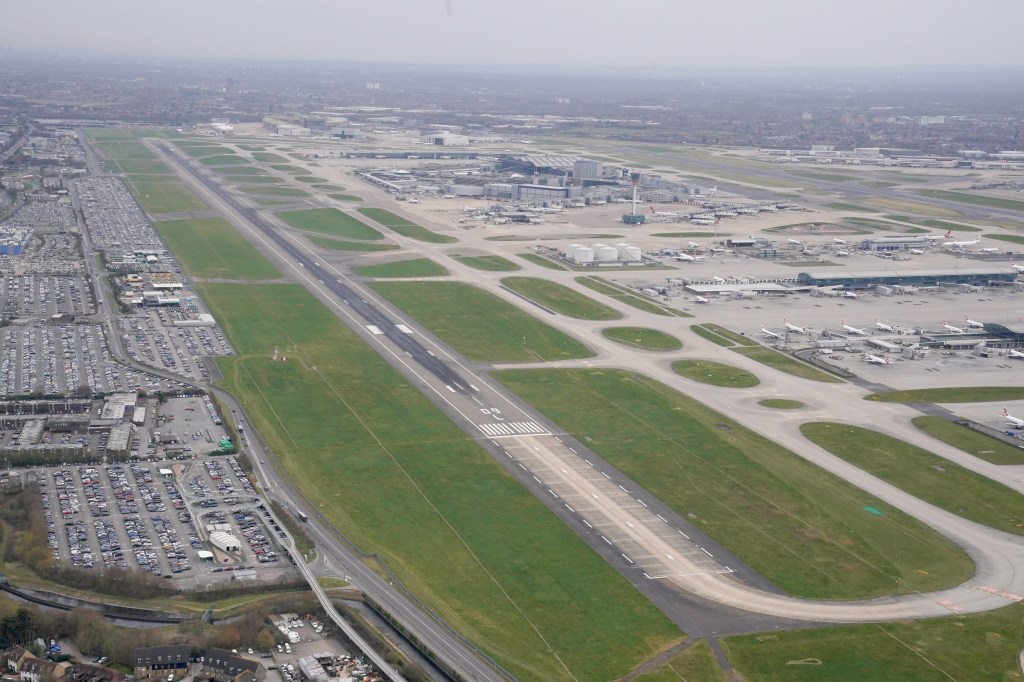
2026: Work begins on the planning application for a third runway
Following government support in early 2025 and the confirmation of Heathrow’s plan later that year, the airport approved a new investment to kick‑start work on the application for a third runway, marking a significant step forward for the U.K.’s most important growth project. Fully funded by private investors, the expansion will deliver more flights and airlines at Heathrow.
RELATED: Historic Edinburgh Airport Runway Site to Become Vibrant Community With 3,000 Homes