Imagine living in a walkable town with buildings that boast all the charm and character of a village from centuries past, but lack many of the problems — like decay, outdated systems, and toxic materials — that come with it. This may sound like something out of an architect’s utopian fantasy, but a handful of neighborhoods and towns across the world have actually brought that vision to life.
These communities tend to fall under the umbrella of New Urbanism, a design movement that began in the U.S. in the 1980s. And they aren’t limited to just featuring quaint-looking buildings: The development approach de-emphasizes cars and prioritizes walking, biking, and public transit (often incorporating Main Streets), as well as plenty of spaces for social gathering, such as parks and town squares.
The New Urbanist movement was born in response to the post-World War II increase in suburbs, with architects modeling plans in the U.S. after historic European cities. The result? Quite a few older-looking, but recently built, places that are worth a stroll. Take a look at some of our favorites below.
Brandevoort, Netherlands
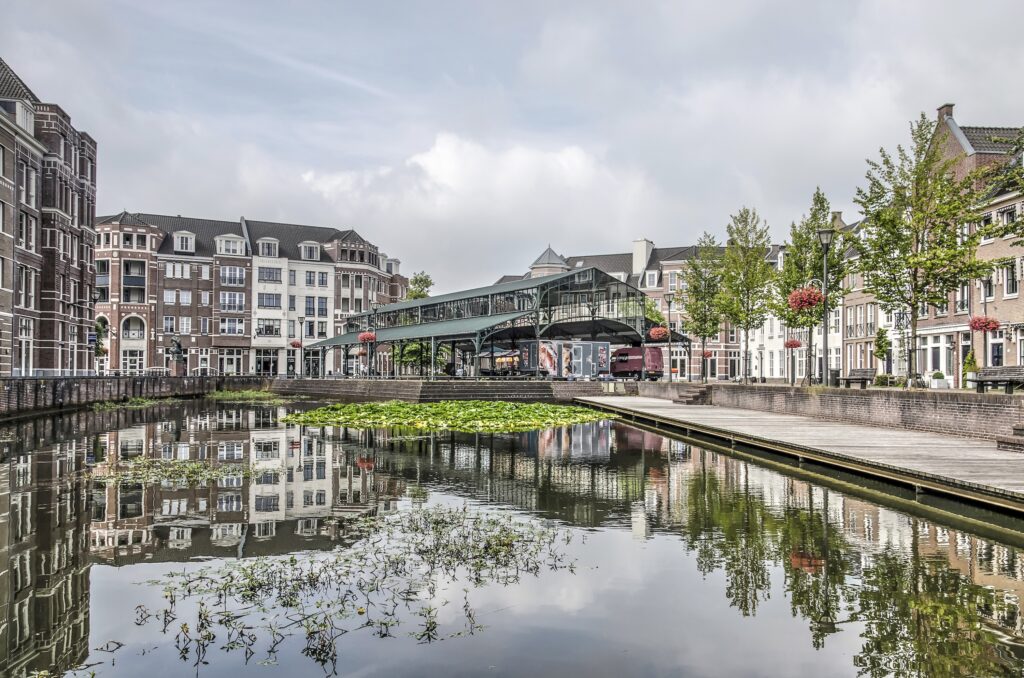
An hour-and-a-half drive south of Amsterdam lies the city of Helmond, and within it, the New Urbanist neighborhood of Brandevoort, built from the late ’90s to the 2010s — though you wouldn’t necessarily know it at first glance. It’s designed to look like a Dutch fortified town from years past, helping it to remain consistent with the rest of the North Brabant province.
Brandevoort’s buildings feature mostly red-brown brick facades and traditional sloped roofs, while an area called De Veste boasts canals and narrow streets. It places a major focus on community and practicality: Nearly 23% of its first phase is made up of social housing, according to The Aesthetic City, and it limits car access on main roads while centering walkability with areas like parks and the market square.
Heulebrug, Belgium
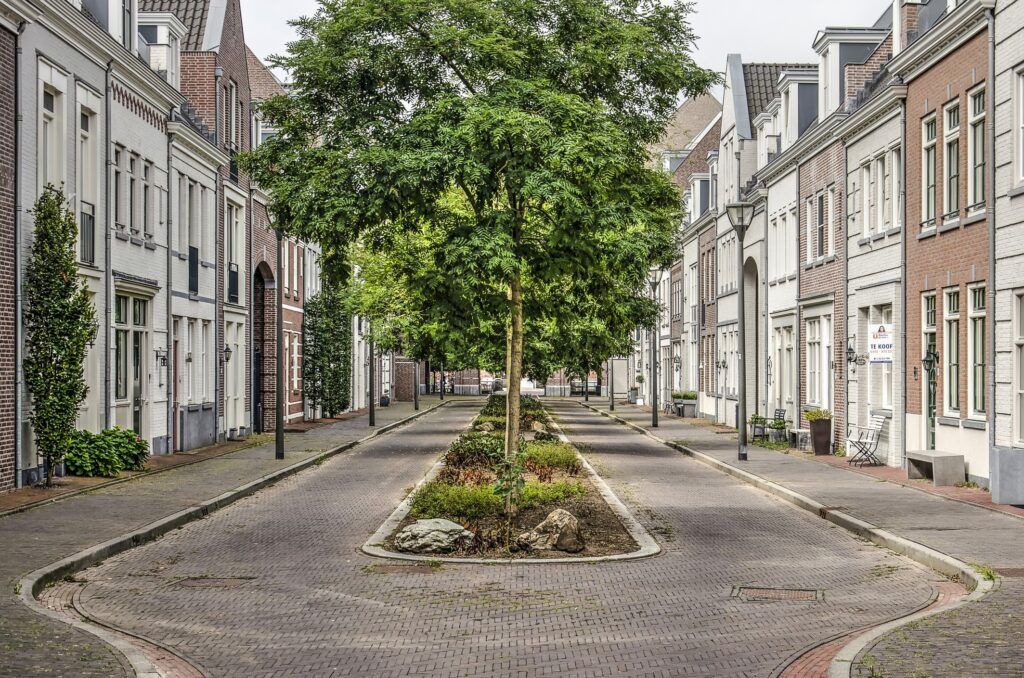
Another modern neighborhood tucked away in a historic European location, Heulebrug rests in the coastal Belgian municipality of Knokke-Heist. Designed in 1998 to be an extension of the seaside town, the neighborhood is governed by strict regulations that help it blend in with the older designs. This was partially a result of former mayor Leopold Lippens, who envisioned a traditional alternative to the locale’s newer, fancier resorts and hotels.
It only takes 10 minutes to walk across Heulebrug, but the neighborhood’s 25 acres pack in a central square, four secondary squares, green space, and a canal while keeping parking lots away from the street view. Its architecture draws from local Flemish design — particularly that of the medieval city of Bruges — with pitched roofs and classical elements, while the streets incorporate gentle curves to create an organic feel that adds to the area’s charm.
Kentlands, Maryland
The roots of Kentlands, a neighborhood in Gaithersburg, Maryland, date back to a 1723 land grant. But the 352-acre community as it exists today opened in 1988, just three years before Time recognized it with a Best of 1991 award for its design.
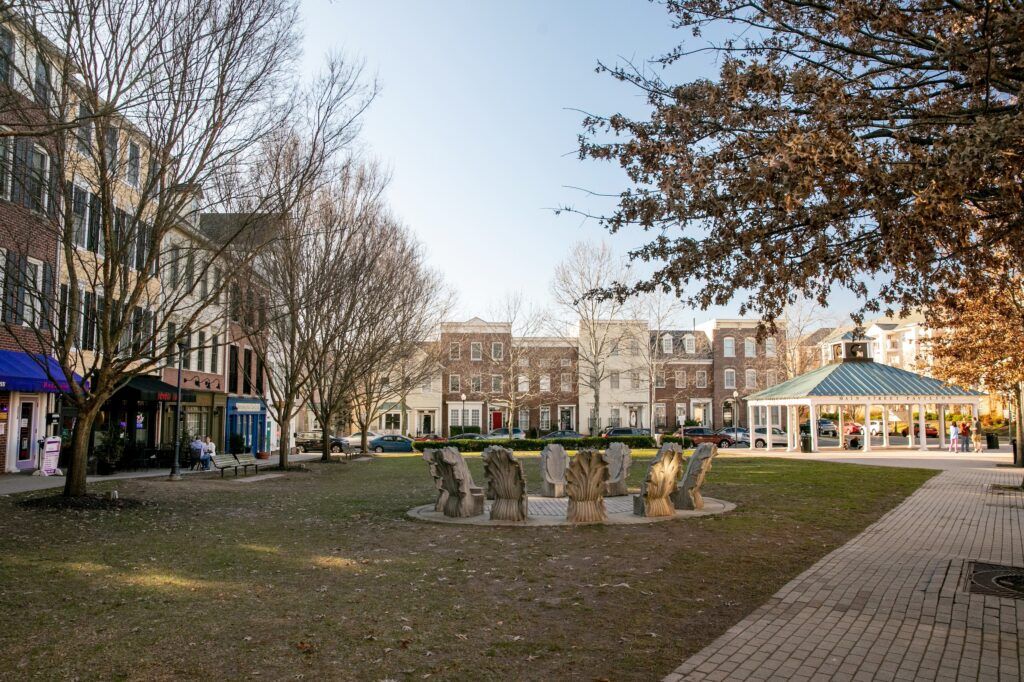
“Streets are narrow; houses are close to one another and to the street; materials and basic styles are reassuringly traditional,” the article noted. “With any luck, in Kentlands the early 21st century will be the good old days.”
You’ll find many aspects of New Urbanism in Kentlands (like walkable streets, parks, and a community focus), and it’s actually one of the first examples of the movement in the U.S. Designed by husband-and-wife duo Andres Duany and Elizabeth Plater-Zyberk, the area’s buildings include rowhouses, Georgian-style apartments, and the Kentlands Mansion, a property dating back to 1900 that’s now used for weddings and other events.
“I still have a memory of the kind of place Duany is talking about,” Kentlands investor Joseph Alfandre told Time in 1991. “It is the kind of place I grew up in, that I have always dreamed of re-creating. When I was 5 years old [in 1956 in Bethesda, Maryland], I was independent — I could walk into town, to the bowling alley, the movie theater, the drugstore. Duany just reminded me of it.”
Poundbury, England
Across the pond lies a town fit for a king — or at least, a town that’s the brainchild of one. In 1987, King Charles III (then the Prince of Wales) selected Duchy of Cornwall land in Dorset county, England, on which to build his vision: a sustainable community with traditional architecture that mirrors the rest of the county.
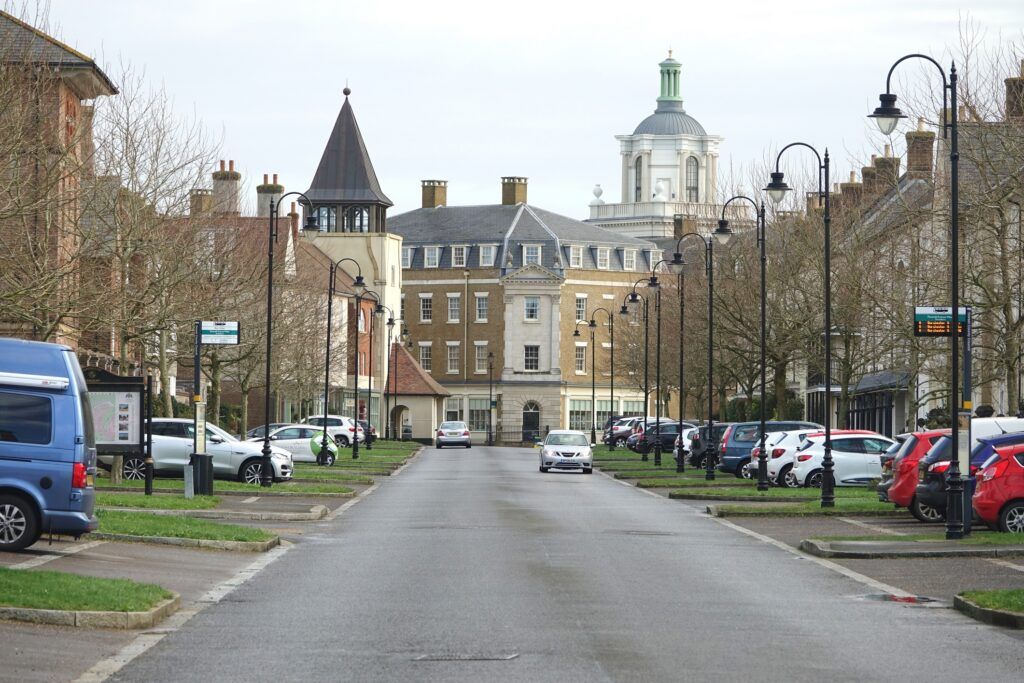
Scheduled for completion in 2027, Poundbury currently hosts about 5,000 residents, and follows a series of design principles backed by the king. Its buildings are made using local materials and include spaces that cultivate community, and public housing integrates well with private homes. All its neighborhoods are within a five-minute walk from the town center, and it hosts the U.K.’s first full-scale anaerobic digester, which generates enough renewable energy to power 100,000 homes in the summer.
The town has its critics; some question if it actually reflects public input rather than solely royal influence. But to the king, it’s been a resounding success. According to the town’s website, he previously said: “When I set out on this venture, I was determined that Poundbury would break the mold of conventional housing development in this country, and create an attractive place for people to live, work, and play … it is now a thriving urban settlement alongside Dorchester.”
Seabrook, Washington
In 2004, married couple Casey and Laura Roloff began building a new seaside community in Washington that featured buildings with character. Today, the town of Seabrook, located about a three-hour drive from both Seattle and Portland, Oregon, is a prime example of New Urbanism.
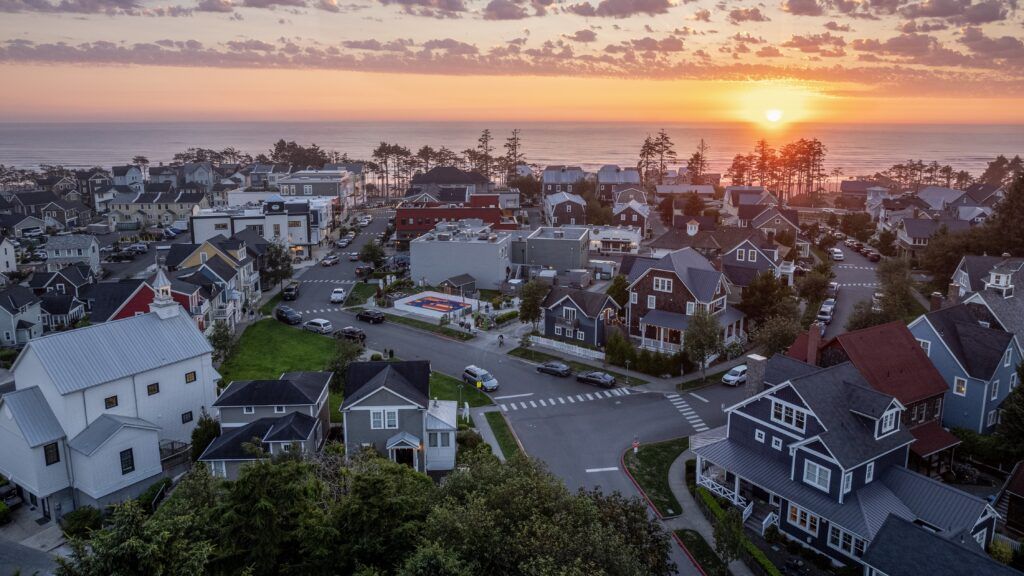
Cars take a backseat to bikes and walkable trails, most of which lead down to the beach, and the town is bursting with family-friendly activities and community spaces. Third places like these are “extensions of your living room, extensions of your yard,” Casey told Business Jet Traveler. “Instead of having the big yard, we have shared spaces that we maintain as a common area, and we meet each other and run into each other, and kids run into each other.”
Vacation rentals feature quirky names like “Porpoise of Life” and “Kelp Wanted,” and Seabrook boasts plenty of architectural variety, which Casey said was intentional. “The reason we like to travel to old towns and walk through old cities is that there’s so much variety in the housing and the architecture,” he explained, adding, “Variety is what creates a great pedestrian experience, because you can see a lot of different things, rather than just seeing the same thing over and over.”
RELATED: 10 Fascinating Ghost Towns to Visit Across America