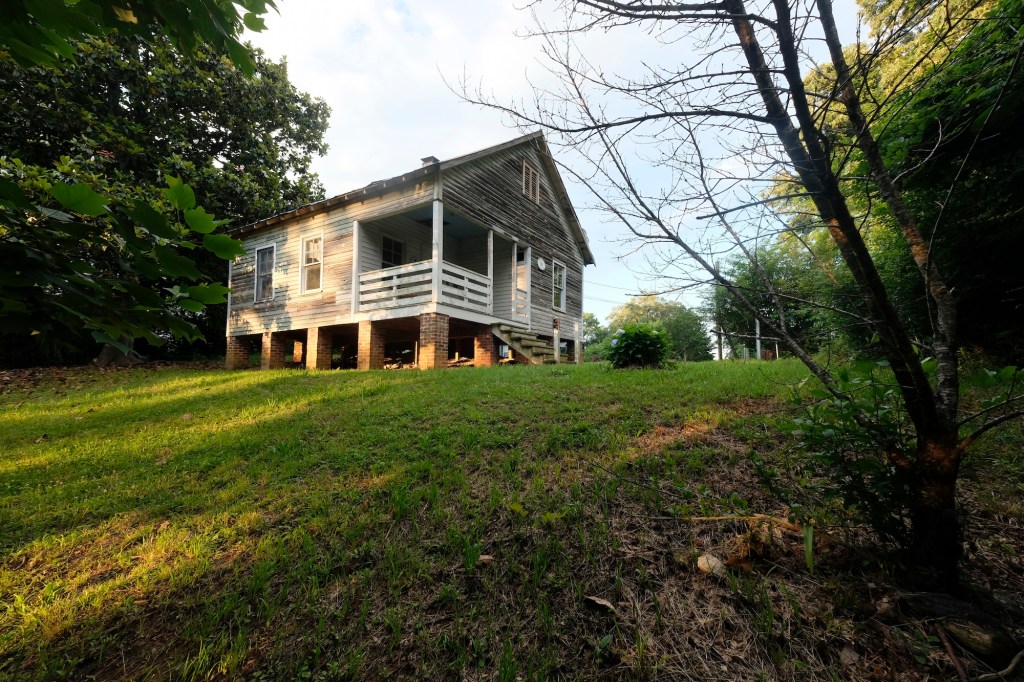
The childhood home of iconic singer and civil rights activist Nina Simone has been fully restored — and one day, you may be able to visit it yourself. Located in Tryon, North Carolina, about two hours west of Charlotte, the house had fallen into disrepair and was facing potential demolition until it was purchased by Daydream Therapy, LLC, a collective of Black artists that began renovations in June 2024.
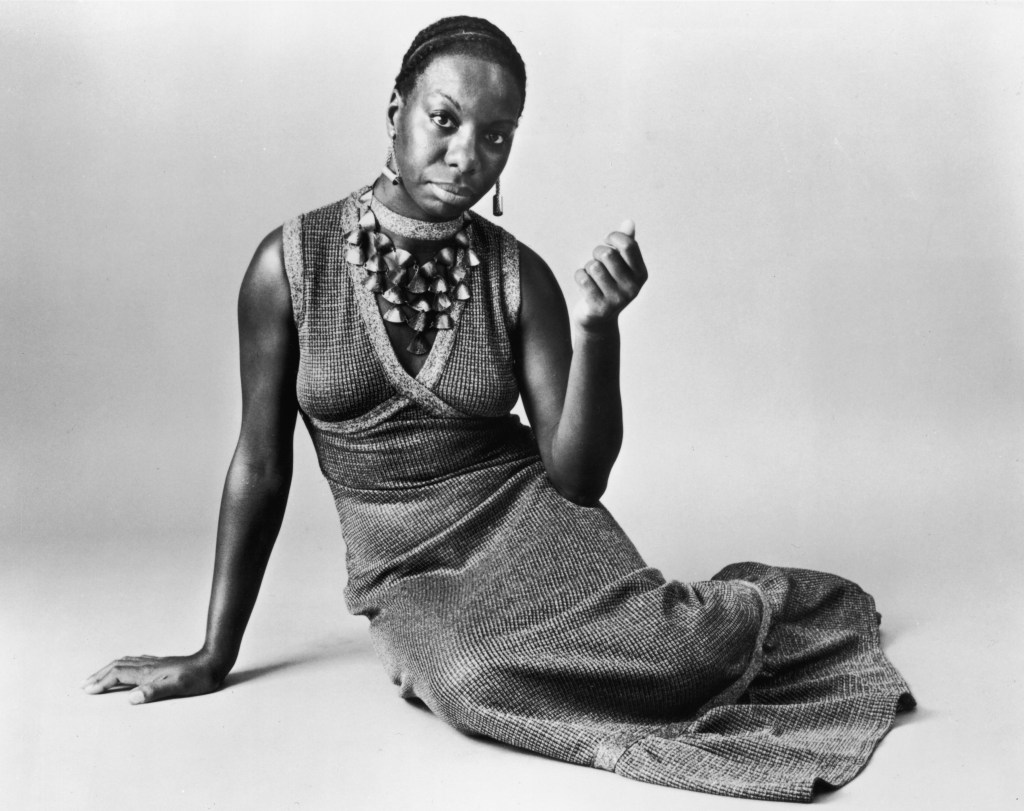
Simone, who died in 2003, left behind a legacy of hit songs, many of which were intertwined with her activism. For instance, she wrote her popular tune “Mississippi Goddam” after hearing the news that four Black girls were killed in a church bombing in 1963. Just months before, Simone said that the murder of NAACP activist Medgar Evers was “the match that lit the fuse” of her civil rights songwriting, per Picturing Black History.
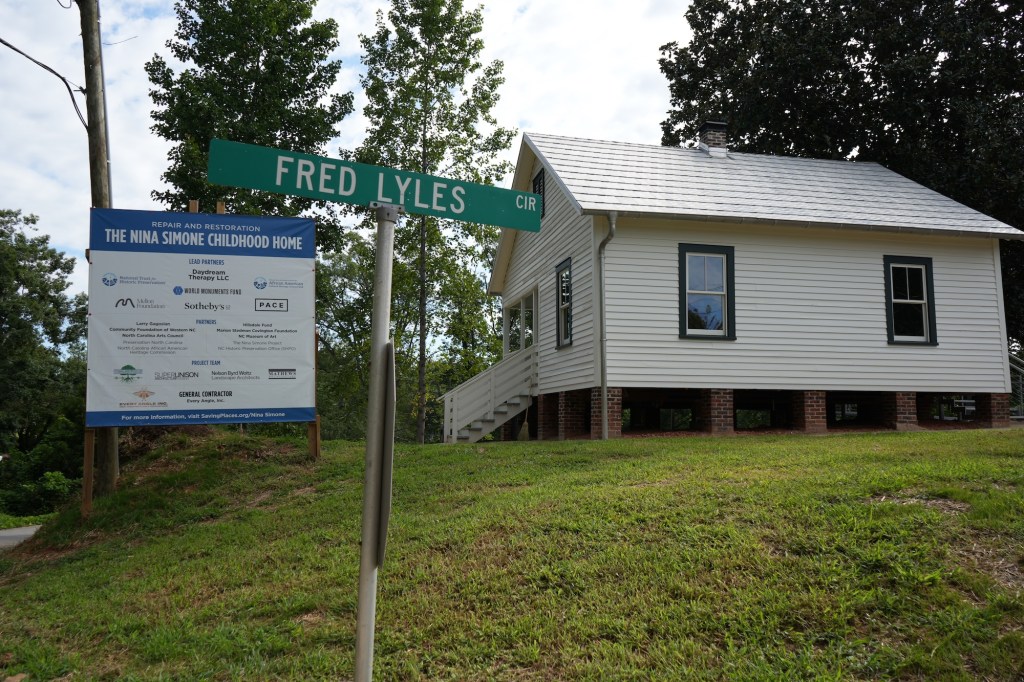
“Restoring Nina Simone’s childhood home is about more than preservation — it’s an act of respect and imagination,” Adam Pendleton, one of the artists, said in a news release. “This small house in Tryon holds a vast legacy, a place where Nina first dreamed and began to shape the voice that would change the world. The completed restoration is a testament to the many people — artists, preservationists, and local voices — who united to share Nina’s courage and creativity with future generations.”
The 650-square-foot, three-room clapboard house was built in the early 1900s and is where Simone lived from her birth in 1933 until 1937. It’s also where her talent initially blossomed. Born Eunice Waymon, she began taking piano lessons at a young age from Muriel Mazzanovich, a local music teacher who noticed Simone’s talent while she accompanied the community choir.
An early demonstration of her activism followed a few years later. In 1943, when the South was still segregated due to Jim Crow laws, an 11-year-old Simone was set to perform her first recital at the Tryon Library. After her mother and father were told to give up their front-row seats to white audience members, Simone refused to play until they were reseated.
For her brother Samuel Waymon, an award-winning composer who helped with the project, preserving the house is a way to honor Simone’s legacy and Black history in America. “Black history is the backbone of American history. The restoration and preservation of Nina’s birthplace is Black American history, of which I too am a part,” he said in the release, adding: “Preserving our home preserves the piano lessons, the joy, the discipline, and the discovery of her gifted talent all recorded in those walls.”
The restoration was more than a decade in the making. In 2016, Daydream Therapy, LLC — composed of artists Pendleton, Rashid Johnson, Ellen Gallagher, and Julie Mehretu — purchased the home for $95,000 as its future was up in the air. “I realized that the someone to spring into action, the someone to do something, was me,” Pendleton told Architectural Digest.
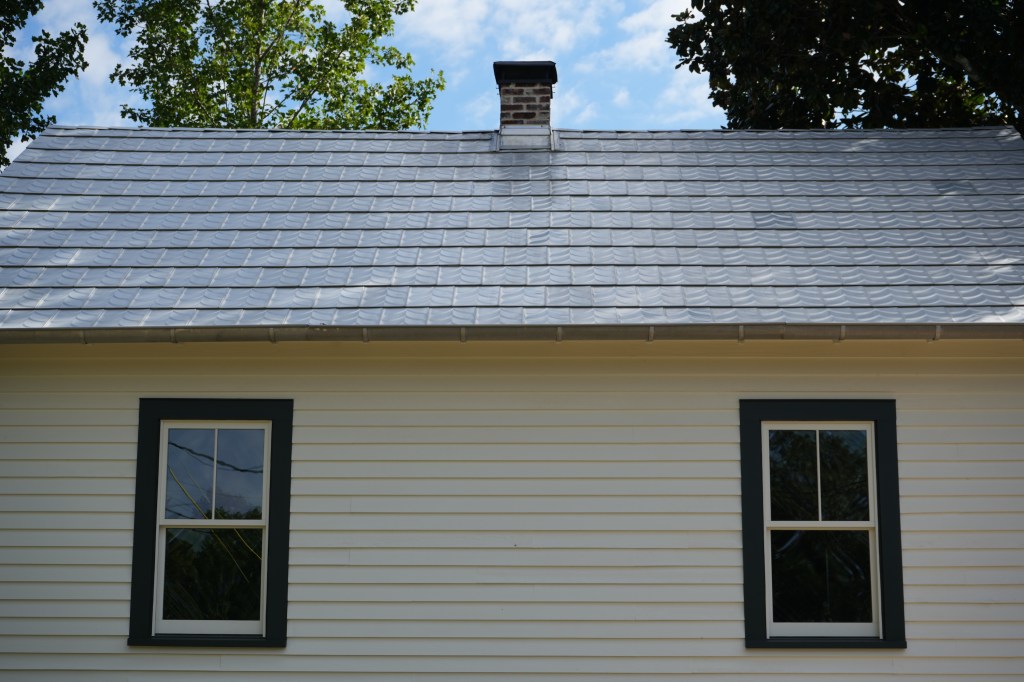
They then partnered with the African American Cultural Heritage Action Fund, a division of the National Trust for Historic Preservation, to launch the restoration efforts, which began with protecting the home through a preservation easement in September 2020 and fundraising over $5 million. Renovations included copying and replacing stamped tin roof shingles, refinishing original pine walls and floors, and repainting the porch ceiling in haint blue — a hue believed by some descendants of enslaved Africans in the South to ward off evil spirits, per AD. A nearly 100-year-old Magnolia tree called “Sweetie Mae,” which has stood on the property since Simone was a young girl, was also preserved.

While the home won’t reopen as a traditional house museum, the Fund said it will eventually “serve as a historic place to inspire visitors and artists,” showcasing Simone’s childhood and the place where she discovered her talent. Those who would like updates on the project can subscribe to the Nina Simone Childhood Home email list.
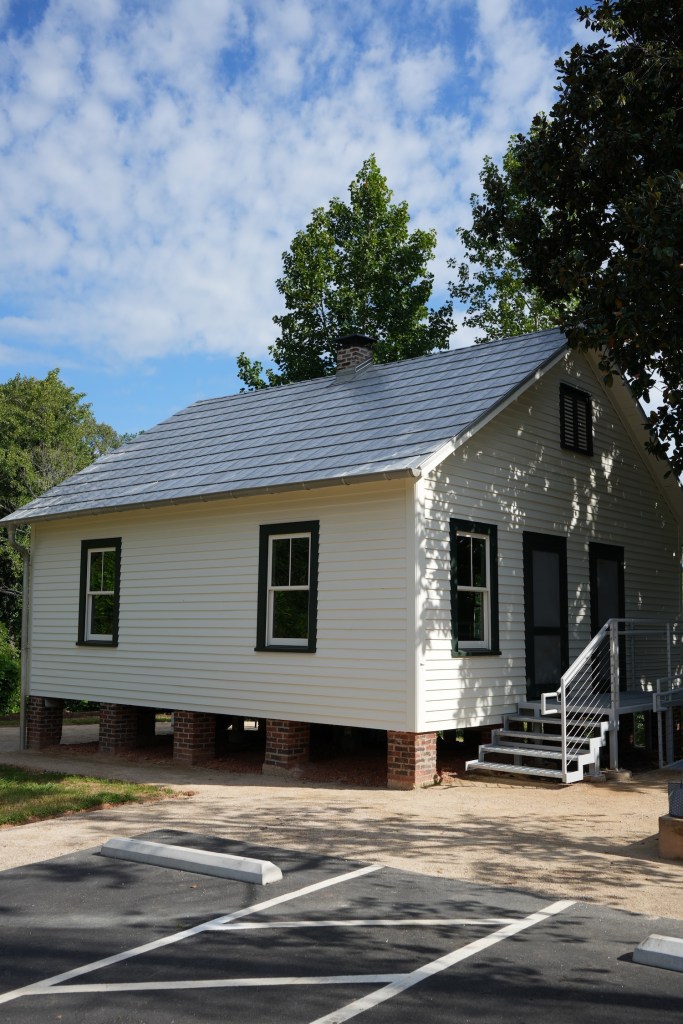
“Physical spaces carry memory in a way that transcends words,” Johnson said in the release. “Nina Simone’s Childhood Home isn’t just a structure, it’s a vessel of her spirit, her struggle, and her genius. Preserving it gives us a place to return to. It reminds us that creativity, resistance, and beauty are born somewhere real, in rooms, on porches, in the intimacy of lived experience.”
RELATED: How a Community Saved a 100-Year-Old Florida Hotel, a “Symbol of Hope” for Black Americans