A married California couple has made it their mission to photograph all 40 wild cat species on Earth — and they only have one more to go. The stunning images serve to raise awareness about the animals, many of which are vulnerable or endangered.
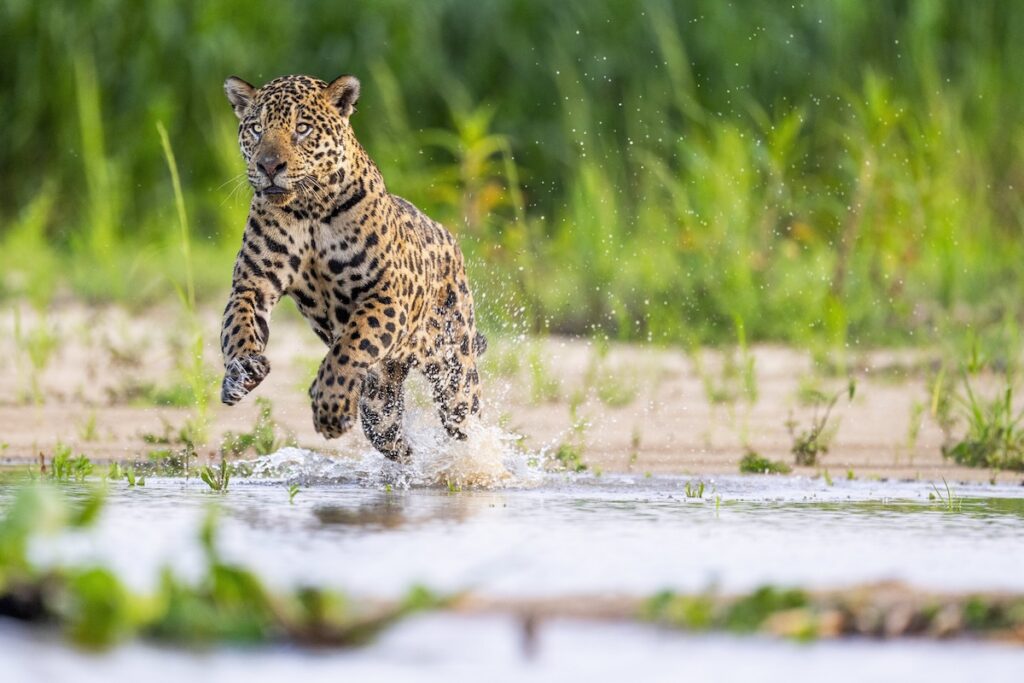
So far, Sebastian Kennerknecht and Rachel Tobias have traveled to 33 countries across five continents and photographed 39 species in the Felidae family, often using camera traps in forests, deserts, and grasslands where the elusive cats roam.
The San Francisco-based duo has captured images of a cheetah in Tanzania, a tiger in India, and an ocelot in Panama. The only species they have yet to cross off the list is the northern oncilla, found in Central America. It’s a rarely seen animal, and one of smallest wild cats in the Americas.
Kennerknecht, 41, has been photographing cats since college: He studied ecology at the University of California, Santa Cruz, to understand animals and became particularly interested in bobcats. Tobias, 37, grew up loving wildlife and was always drawn to the ocean and photography. The two met online, and they instantly connected over their love of nature. Fittingly, their first date was searching for bobcats.
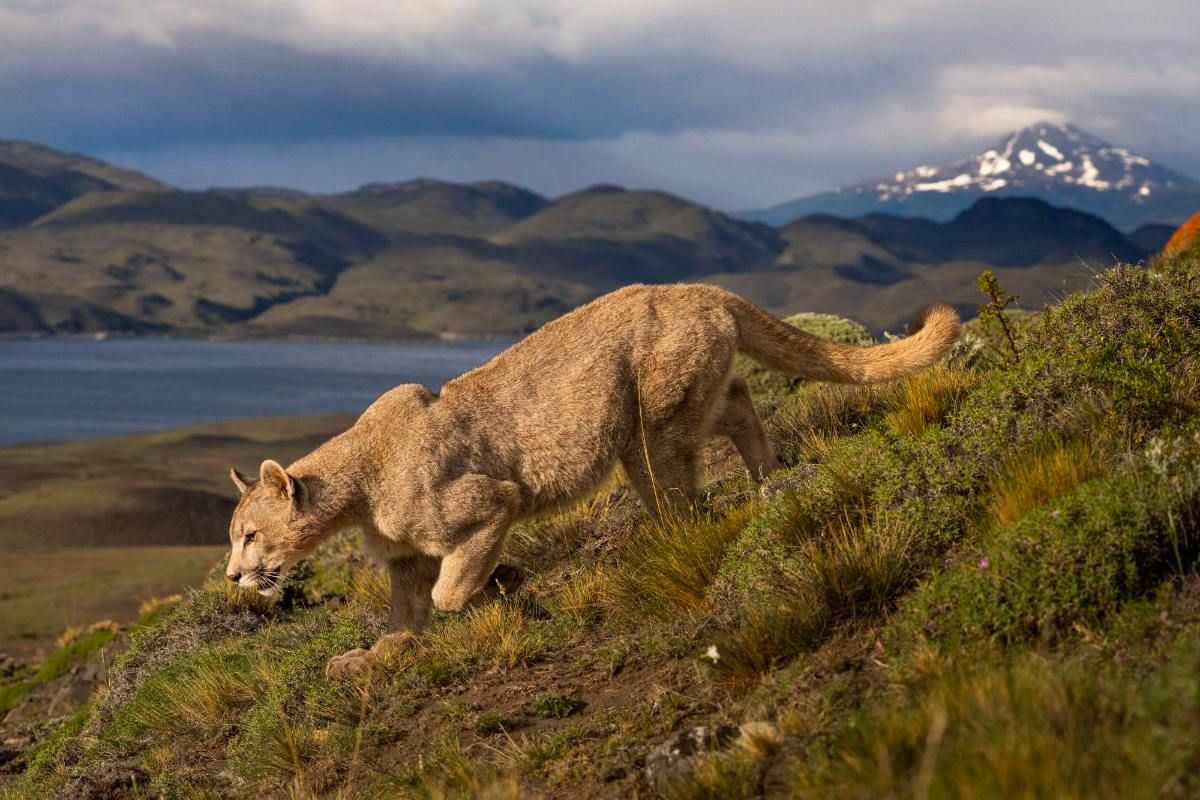
In 2024, Kennerknecht realized he had photos of 30 of the world’s wild cats, so he and Tobias decided to go for the full 40. In addition to photography, the couple run cat expeditions together, taking out small groups to observe the felines in their natural habitat and learn how to photograph them.
They’ve raised hundreds of thousands of dollars through their work. One photo of a Borneo Bay cat brought in $120,000 for conservation efforts, and they collected around $70,000 per year for five years to protect lion species in Zambia’s Kafue National Park. They are partnered with Panthera, the world’s leading wild cat conservation organization.
Kennerknecht told Talk to the Press that the couple’s work is “99% frustration and 1% joy,” noting that they’ve seen elephants crush their expensive camera traps, insects get into them, and humidity fog up lenses, rendering images unusable.
“We set up a studio in the forest,” Tobias explained, adding: “In Malaysia, we set up six traps; we had to sleep in the jungle full of bugs and carry 60 pounds of gear.”
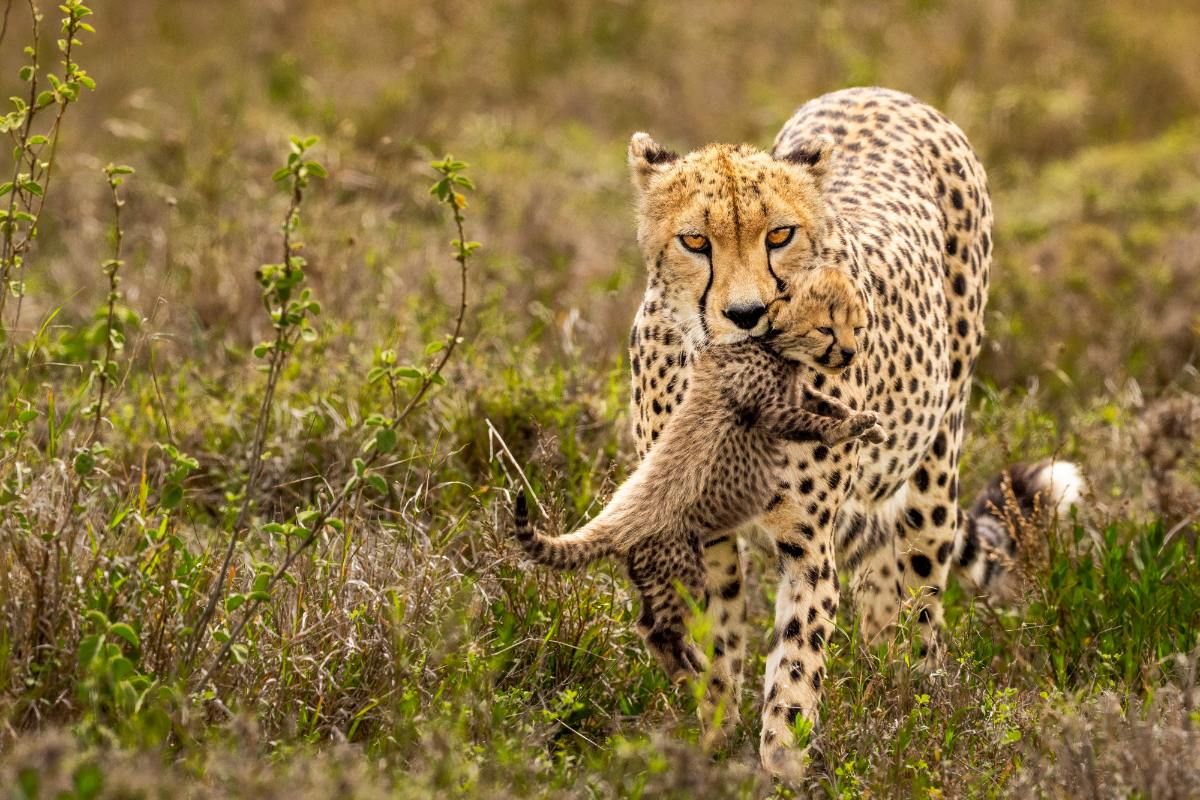
Despite the project’s challenges, the couple is dedicated to ethical photography. They don’t use any bait or lures to attract the cats towards the cameras, so they can observe their natural behavior. “It’s much more successful for telling a story about the species,” said Tobias. “Telling a story between the viewer and the animal is really powerful for conservation.”
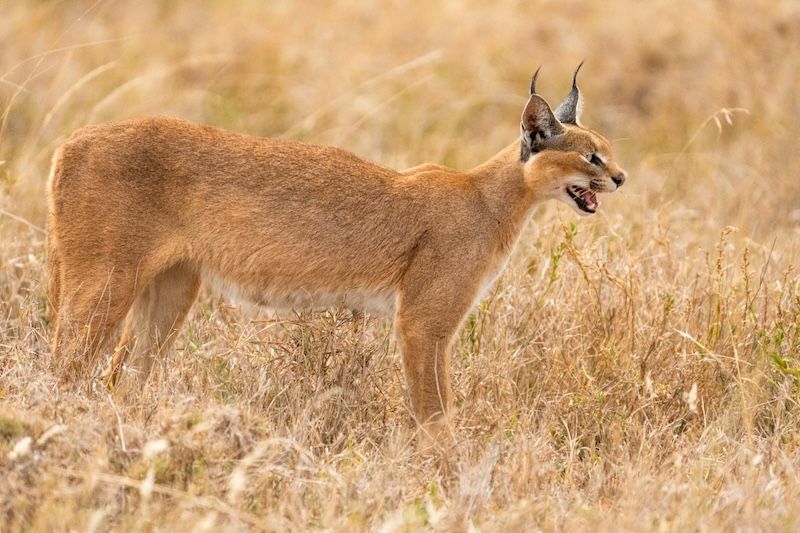
A large part of their aim is to introduce the world to the 33 small wild cat species that are relatively unknown, so more can be done to protect them. “If you protect small cats, you protect big cats,” she added. The pair also wants to prove humans can coexist with big and small wild cats.
“There are lots of human activities that might negatively impact cats without people knowing,” Tobias said. “People want to protect natural spaces and help with coexistence.”
In Paraguay at the time of this writing, the team has had camera traps set up since April to capture the northern oncilla, with a ground crew frequently checking on them, but the cat has remained elusive.
“It’s been pretty incredible,” Kennerknecht said, “but measuring local awareness has been tough.” They’ve set up billboards in areas with wild cats, featuring pictures of the local cats with the slogan, “I’m your neighbor.”
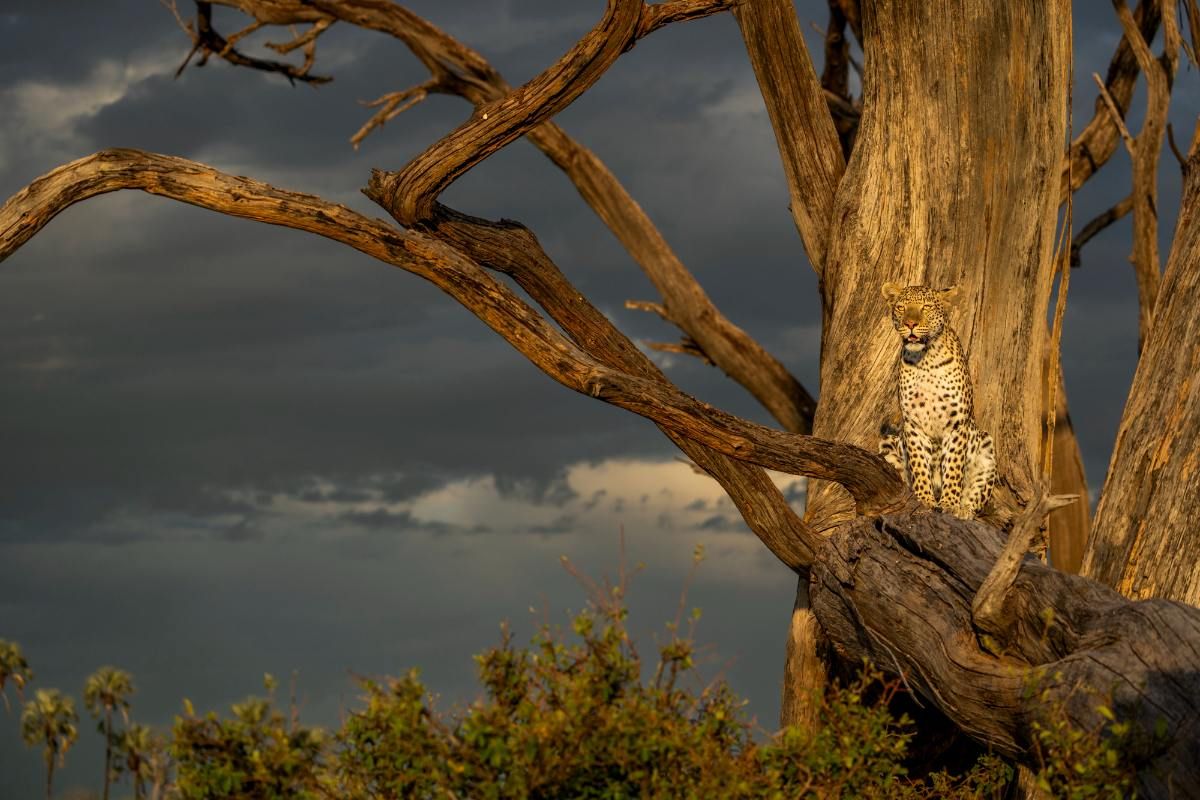
As for their favorite species, Kennerknecht said his is a bobcat, as that’s the feline that launched his photographic journey in Santa Cruz. But for Tobias: “There’s nothing more beautiful than a female leopard.”
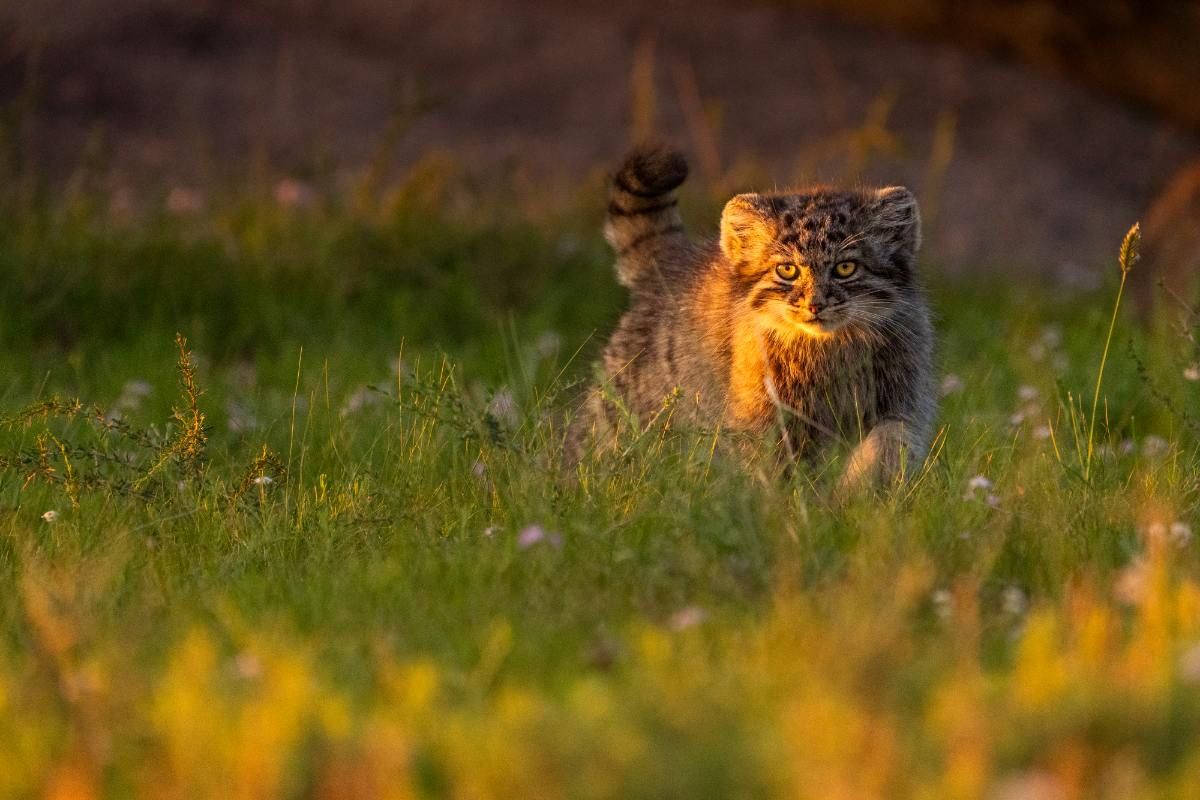
Below are the cats they’ve photographed so far:
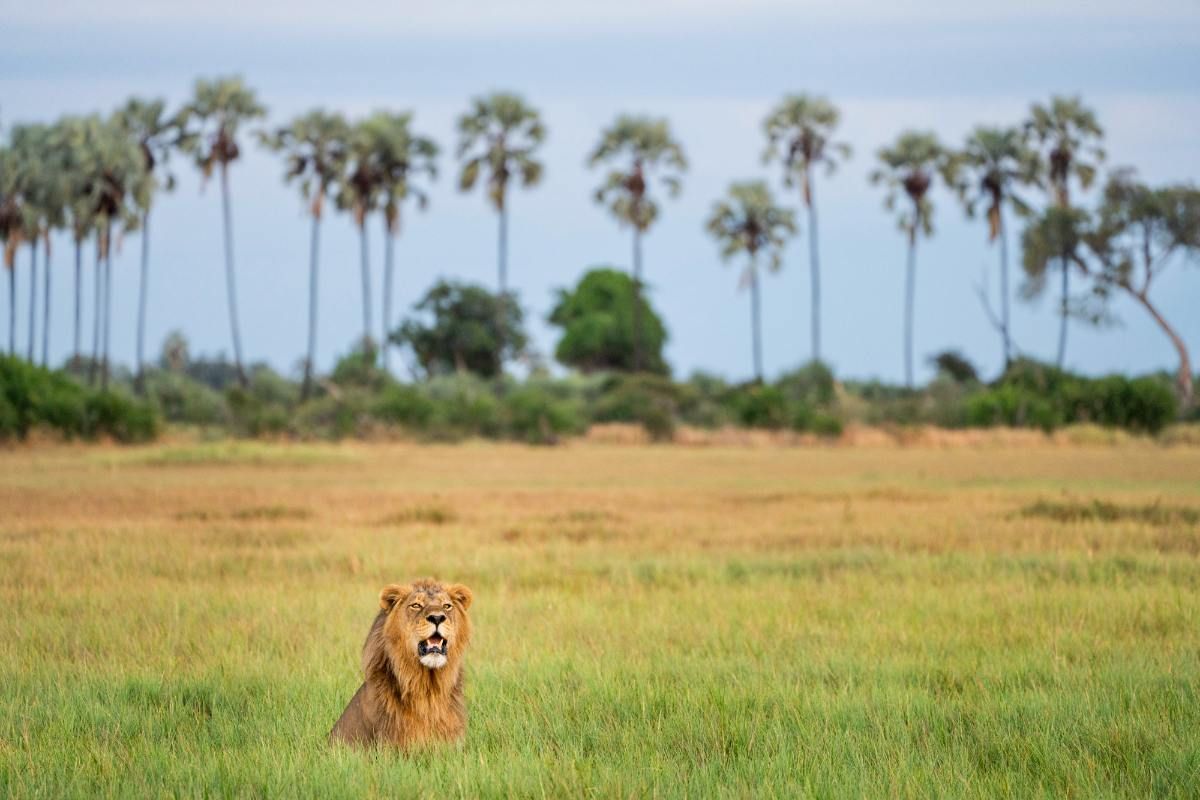
- Lion — Zambia
- Jaguar — Brazil
- Tiger — India
- Snow Leopard — Kyrgyzstan
- Leopard — Zambia
- Mainland Clouded Leopard — Malaysia
- Sunda Clouded Leopard — Malaysia
- African Golden Cat — Uganda
- Caracal — Yemen
- Serval — Tanzania
- Geoffroy’s Cat — Argentina
- Southern Oncila — Brazil
- Andean Mountain Cat- Argentina
- Pampas Cat- Bolivia
- Ocelot — Panama
- Margay — Panama
- Marbled Cat — Malaysia
- Borneo Bay Cat — Malaysia
- Asiatic Golden Cat — Indonesia
- Bobcat — U.S.
- Canada Lynx — Canada
- Eurasian Lynx — Kyrgyzstan
- Iberian Lynx — Spain
- Mountain Lion — Chile
- Cheetah — Tanzania
- Mainland Leopard Cat — Malaysia
- Sunda Leopard Cat — Malaysia
- Flat-Headed Cat — Malaysia
- Rusty-Spotted Cat — India
- Fishing Cat — Thailand
- Pallas’s Cat — Mongolia
- Jungle Cat — India
- Sand Cat — Western Sahara
- Black-footed Cat — South Africa
- European Wild Cat — Spain
- Afro-Asiatic Wild Cat — Botswana
- Chinese Mountain Cat — China
- Jaguarundi — Location Unconfirmed/South America
- Güiña — Location Unconfirmed/Chile/Argentina
This article was originally written by William Ormes Roder for SWNS — the U.K.’s largest independent news agency, providing globally relevant original, verified, and engaging content to the world’s leading media outlets.