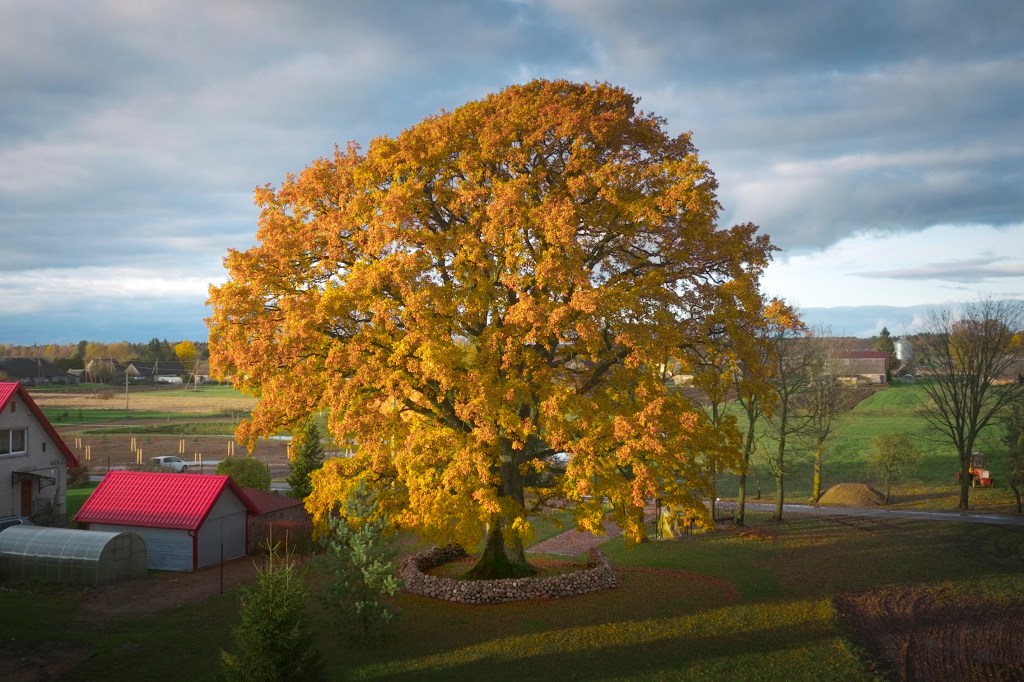
Four hundred years ago, a tiny common oak seed sprouted in the Lithuanian village of Rukai. Over the centuries, it’s grown into a towering tree — withstanding frigid winters, providing shade on warm summer days, and serving as a place of respite in its community, though it largely remained unknown to the world. Today, that tree finally got its due when it took the grand prize in the 2026 European Tree of the Year contest at an award ceremony in Brussels.
Called the Oak of Laukiai, the tree was initially honored by the Laukiai people a year ago, when they rallied to restore its surroundings and celebrate its strength. That transformation helped it win the hearts of voters in the contest, which highlighted the cultural significance of 12 trees across Europe to determine the one with the most interesting story. “The contest is not looking for the most beautiful tree, but for a tree with a story, a tree rooted in the lives and work of the people and the community that surrounds it,” a press release reads.
The 15th edition of the competition, a collaboration between the Environmental Partnership Association and European Landowners’ Organization, involved more than 200,000 voters. It also introduced a “tree points system” that factored the population of each country into the scoring, which helped increase fairness across the board.
“Old, magnificent trees are like silent pillars of our time,” said Michal Wiezik, a Member of European Parliament who oversaw the ceremony. “They stand firm where the world around them changes in a fast and unpredictable gallop. In their rings lies the memory of the landscape and of society, reminding us all that true stability does not arise from haste, but from patient and quiet growth. When we care for them, we are not only protecting nature, but also our own ability to stay rooted in unsettled times and to remember all the days that have shaped our present.”
See the rest of the finalists below — ranked in descending order by their total number of tree points — along with their stories, courtesy of the contest.
Old Wild Apple Tree, Slovakia | Species: Wild Apple Tree
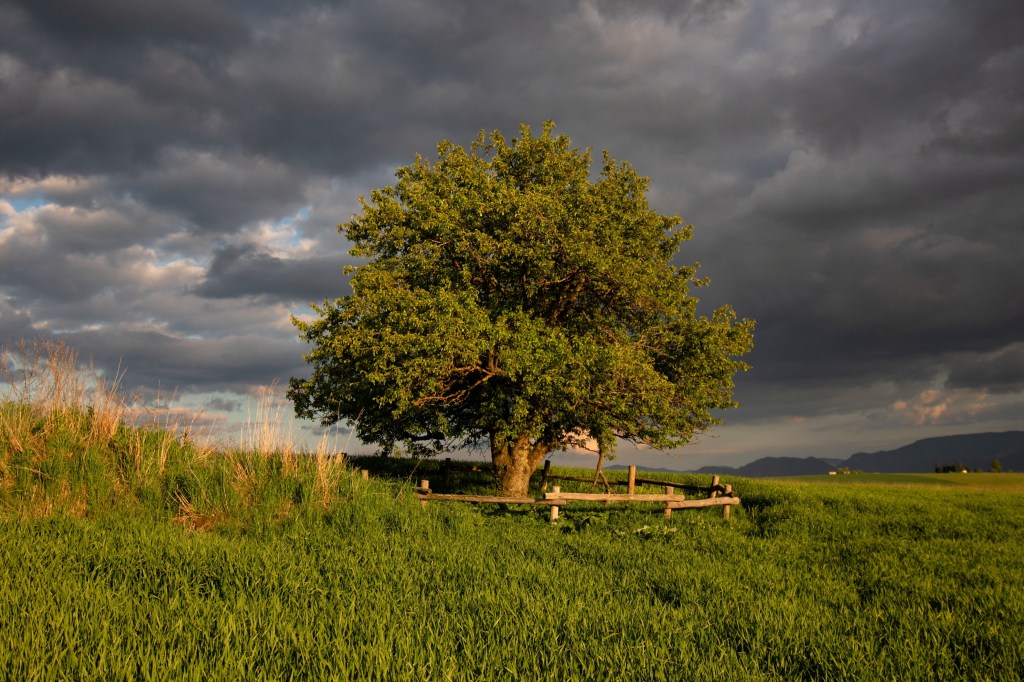
“At the very end of the field, meticulously cultivated by generations of villagers, grows an apple tree — an inconspicuous but remarkable one. For more than 150 years it has defied wind, rain, snowstorms, and heat waves in difficult conditions at an altitude of 2,281 feet. Quietly, from a place called Diel, it watches over the village below — a silent observer of its joys, troubles, and changes. This is a place, where you suddenly feel like you’re part of something bigger.”
Crooked Tree, Poland | Species: White Elm
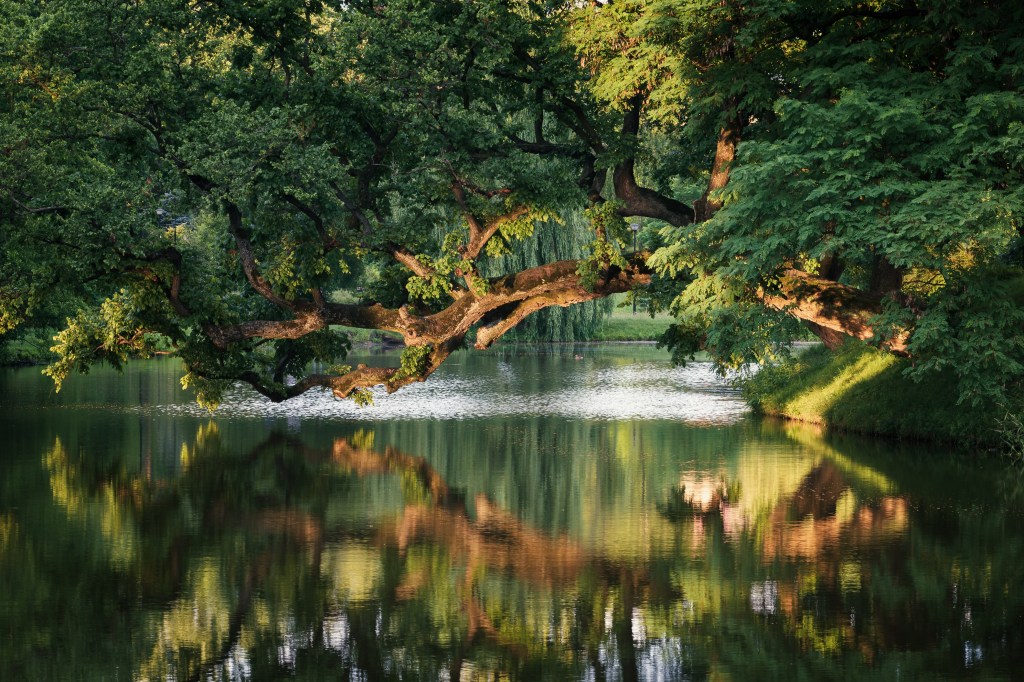
“The Crooked Tree rises above the moat on an island near the former castle of the Szydłowiecki and Radziwiłł families. Its unusual shape comes from its location, forcing it to lean toward the water. For years it was a silent witness to friendly meetings and youthful romances. Its trunk served as a natural bench for children and teenagers. Today, only ducks rest quietly on its trunk, and nature has taken over from people.”
Linden of Sacrifice, Latvia | Species: Linden
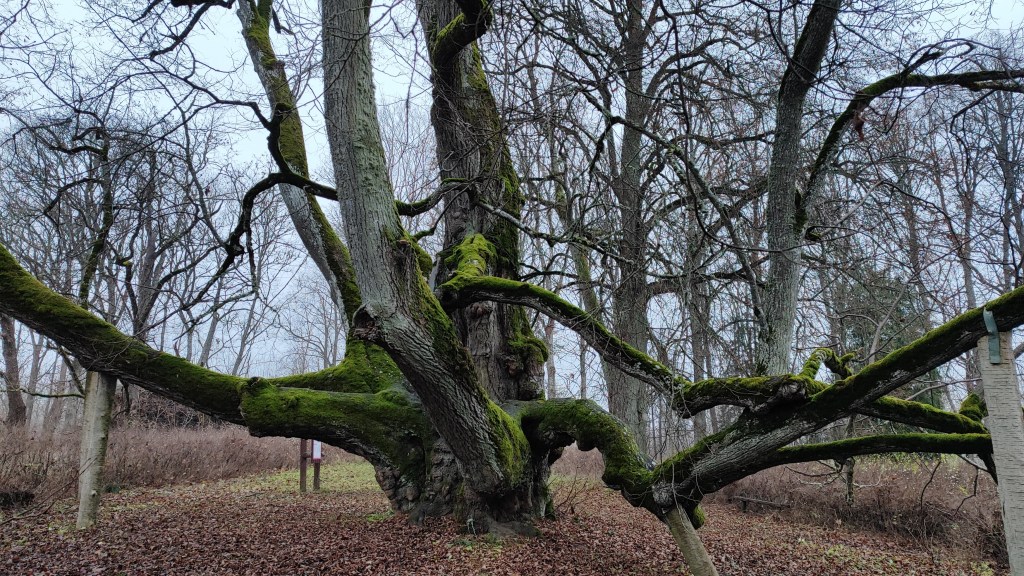
“For generations, the linden of Valdemārpils has been the thickest linden tree in the Baltics. Legends tell it has served as an ancient cult tree for centuries; its estimated age is 400–500 years. The linden’s mighty branches bend to the ground as well as rise to the sky, creating a sanctuary or art gallery filled small sculptures and knick-knacks. Being inside, you may grasp the tree’s centuries-old vitality, with cracks in the wood appearing like mythical spirits from ancient fairy tales.”
Kostrena Oak Tree, Croatia | Species: Oak Tree
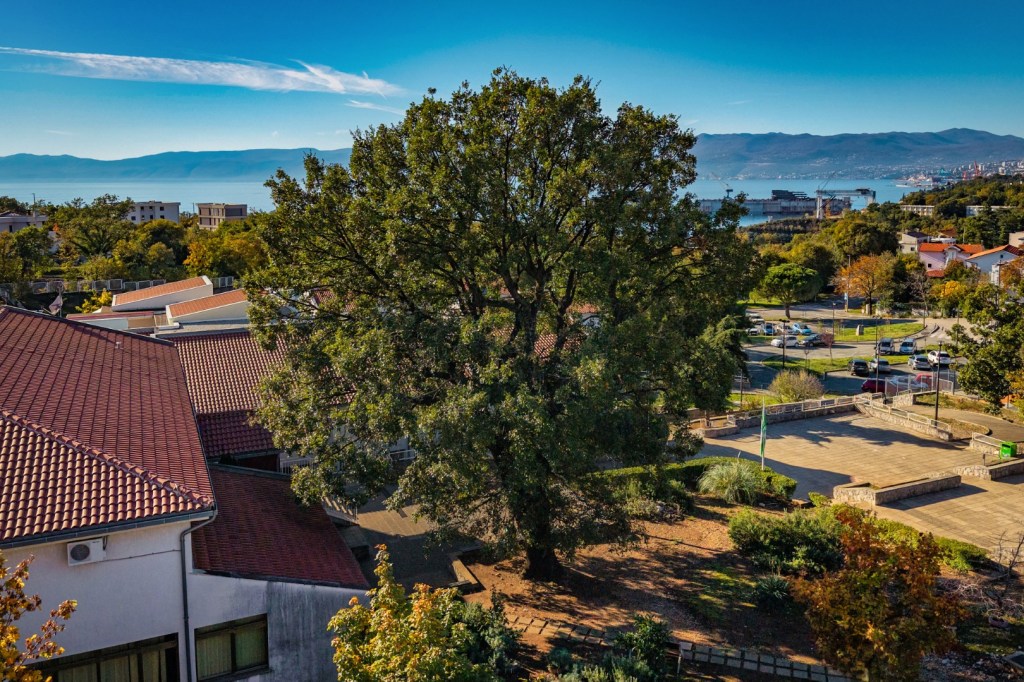
“The Kostrena oak tree watches over Kvarner bay whispering the tale of its 250 years — of rulers and people long gone, generations of sailors and families written in its core. This proud guardian still keeps vigil by the school doors, its crown shielding all, awaiting generations to come.”
Cedro de Runa, Portugal | Species: Mexican Cypress
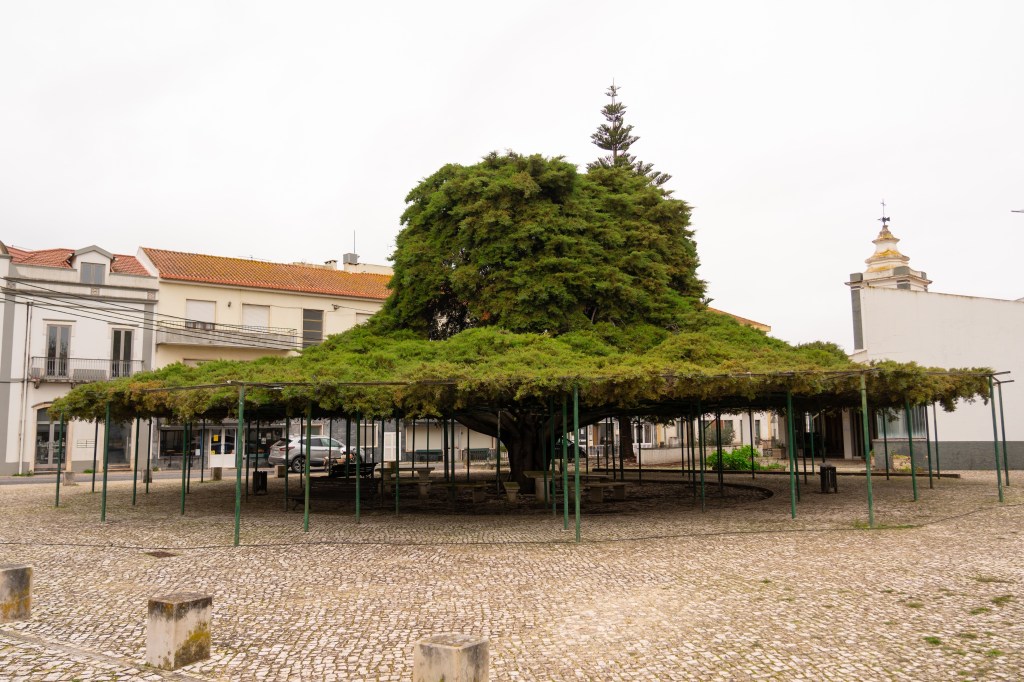
“Planted in the early 1950s by Mr. Alfredo, the Cedar Tree of the Church of Runa, now about 75 years old, is an essential part of local history and identity. Initially fragile, it was carefully protected by its planter, surviving against all odds. It has witnessed departures, returns, celebrations, and silences, becoming a meeting point for all the people of Runa. Today, it deserves to be recognized as a symbol of the village of Runa and the municipality of Torres Vedras.”
Oak of Prince Ulrich, Czech Republic | Species: Common Oak
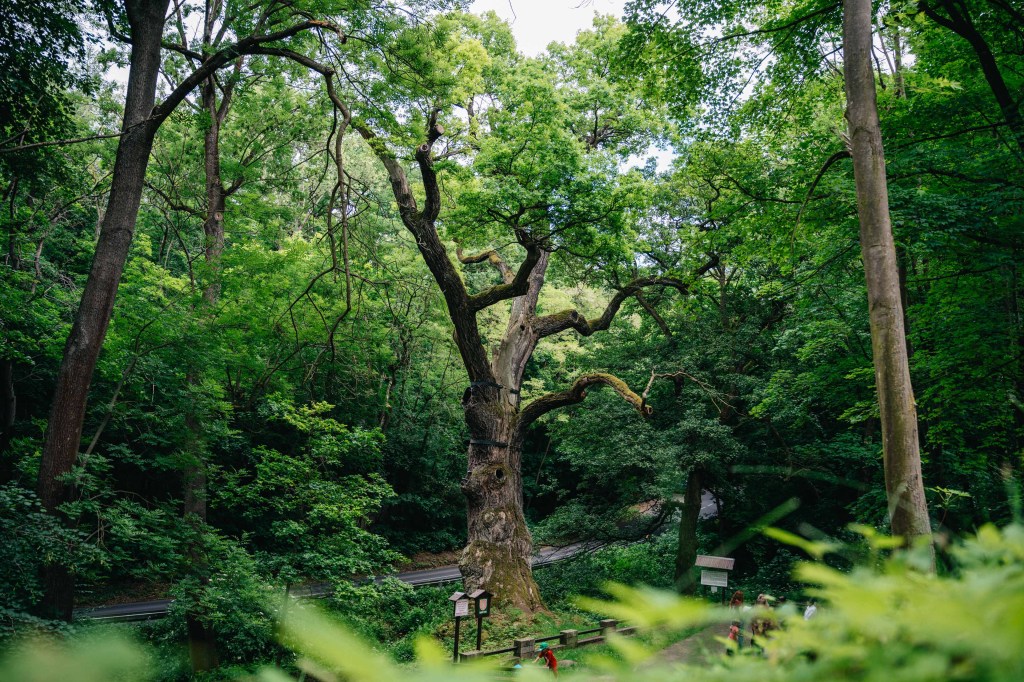
“This oak is among the oldest trees in the Czech Republic, said to be 1,000 years old. Now a protected heritage tree, it has survived two separate fires, in 1993 and 1995, and continues to watch over the children of the nearby forest kindergarten. According to legend, Prince Ulrich once rode through these woods and saw a young peasant woman, Božena, washing clothes by a stream beneath the oak. He fell in love at first sight and later married her, making her a princess.”
Tree of Memories, Hungary | Species: London Plane Tree
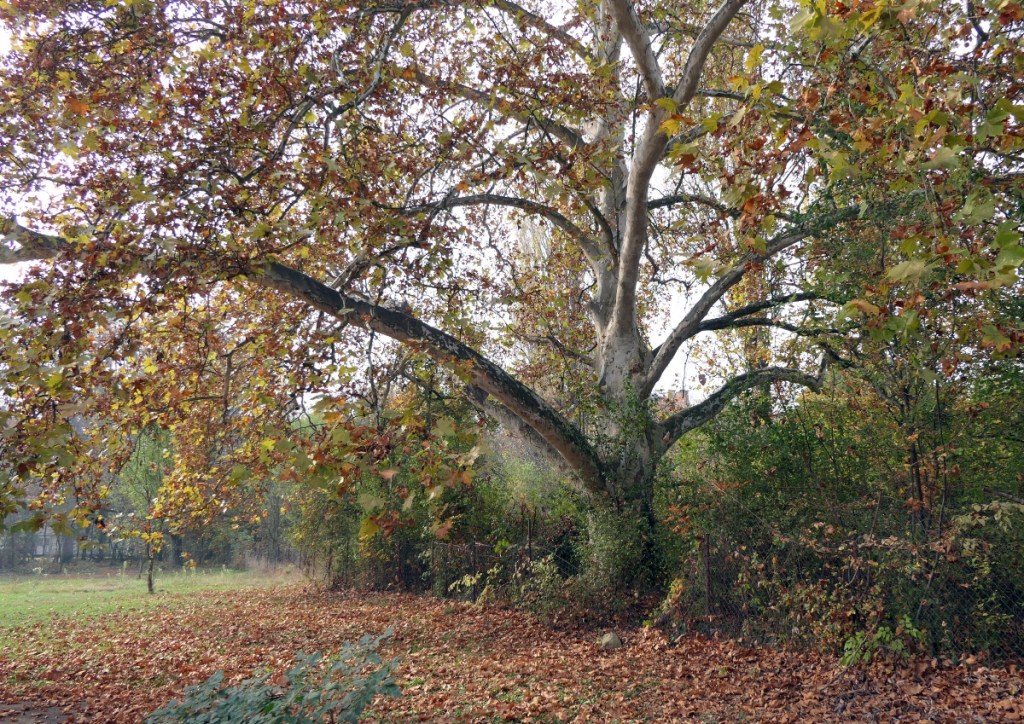
“For more than 150 years, I have guarded the stories of the Gerla manor. In my shade a count once told tales to his grandchild; children played, loves were born, dreams took shape. I have watched generations grow, heard laughter and silence, and the whisper of changing times. Today I still stand here — the great plane tree of Gerla — the Tree of Memories, a living link between past and present. Stand beside me, and you will feel all that I have preserved through the centuries.”
Ancient Ginkgo of St-Hilaire, France | Species: Maidenhair Tree
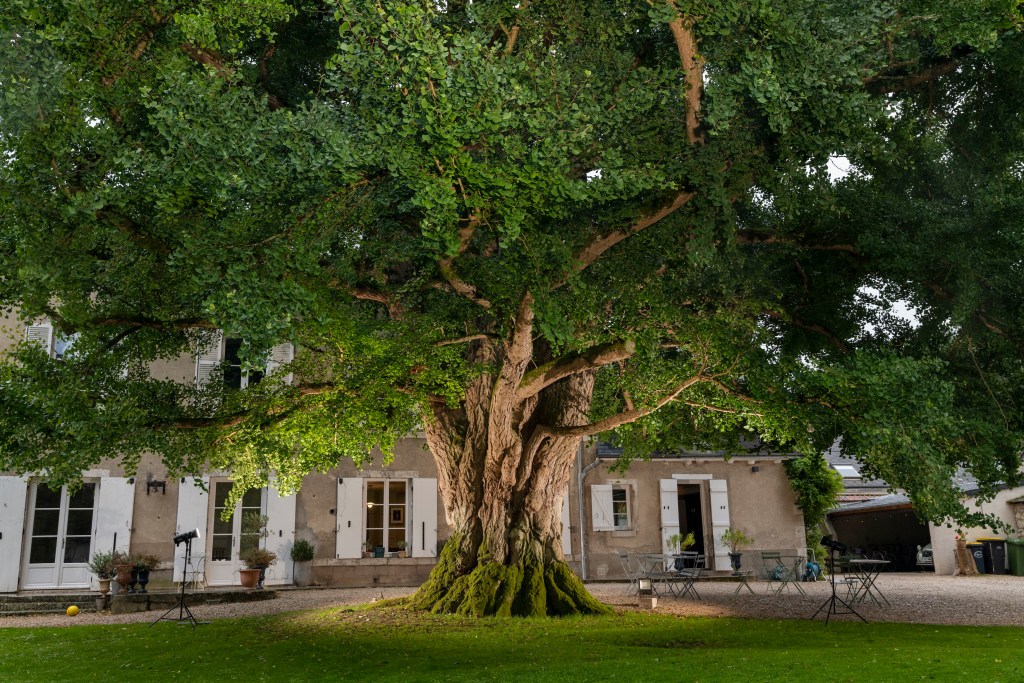
“Our special host, an impressive secular Ginkgo, soul of the place, welcomes you with its large trunk and bright canope. Love at first sight for owners and guests. At fall, golden fan-shaped leaves catch the sun, mirrored by a wide carpet of gold. This species, traditionally planted in Chinese monastories, is unique, present before the Jurassic era, it survived atomic bomb and can thrive over thousand years. We wish long life to this golden beauty, rare in France, bringing serenity to the site.”
Ledeboerpark Giant Sequoia, Netherlands | Species: Giant Sequoia
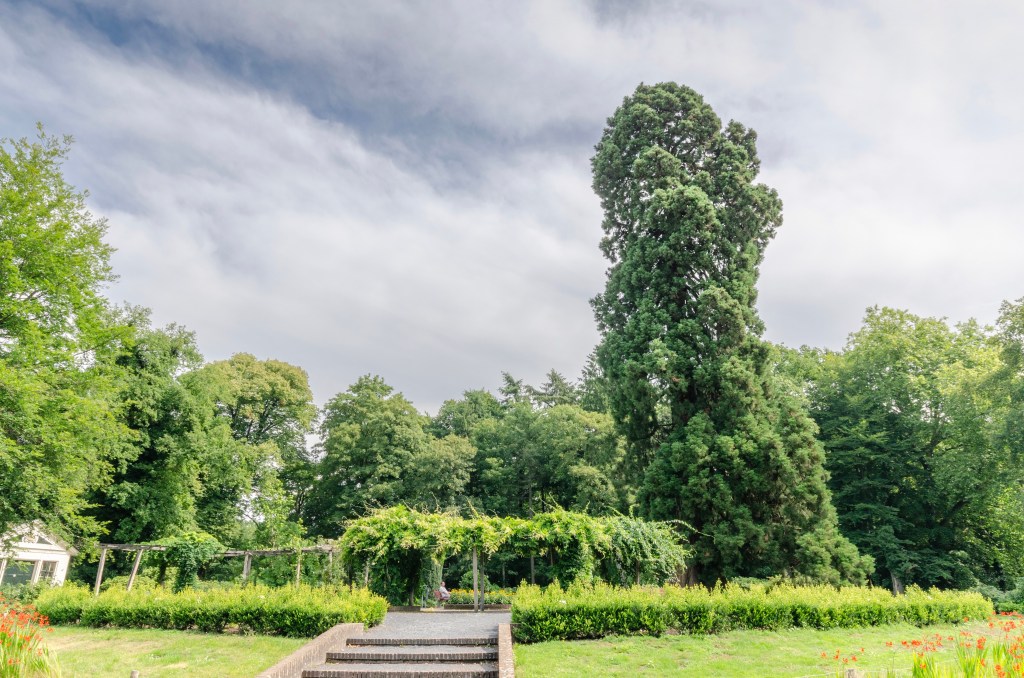
“The oldest Sequoiadendron giganteum in the Netherlands is presently the giant sequoia in Abraham Ledeboerpark in Enschede. The enormous conifer connects the city’s industrial past and present. During the ice ages, the giant sequoias disappeared from the landscape and were reintroduced to northwestern Europe in the mid-nineteenth century as a symbol of wealth and power. A hundred years after being planted by wealthy manufacturers, people of all ages cherish the remarkable tree.”
Sophora From Prymorsky Park, Ukraine | Species: Japanese Sophora
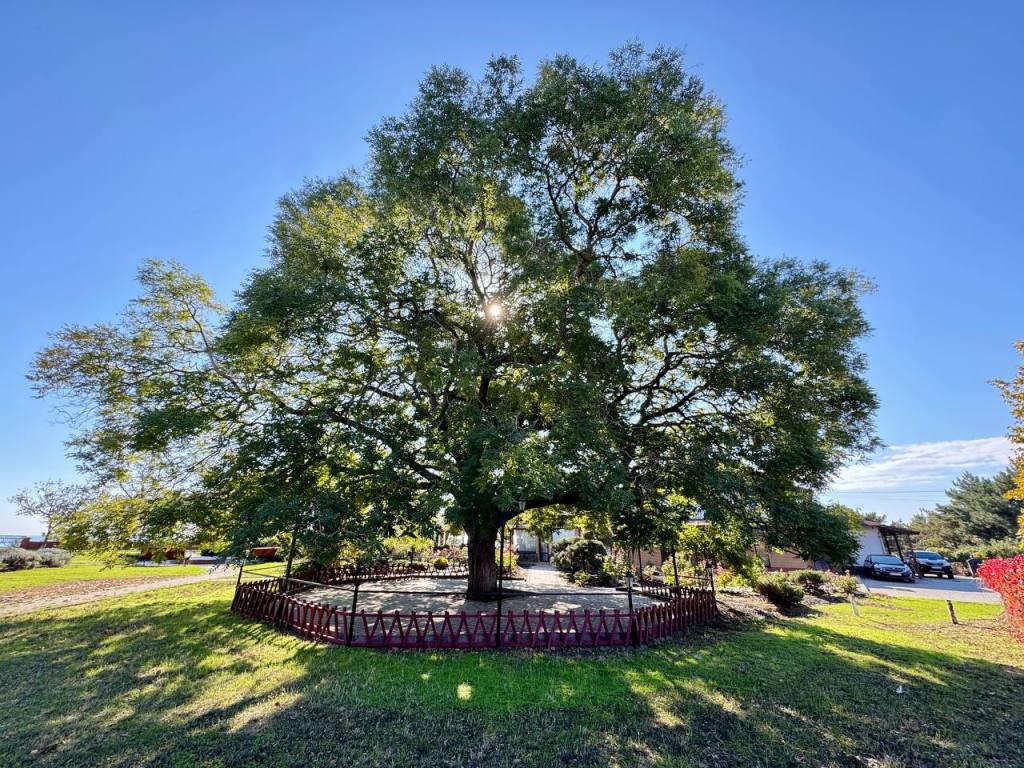
“Japanese sophora, a living legend of Chornomorsk, is a symbol of resilience and power of life. It not only provides oxygen — it gives a sense of home, stability, and connection between generations. Every leaf on this tree is a memory — a piece of the city’s history that lives in the heart of community. In its honor, the city has launched an initiative to plant 99 young sophora trees so that its life will continue in new trees, parks, and memories with a long and wonderful future.”
The Argyle Street Ash, Scotland | Species: Common Ash
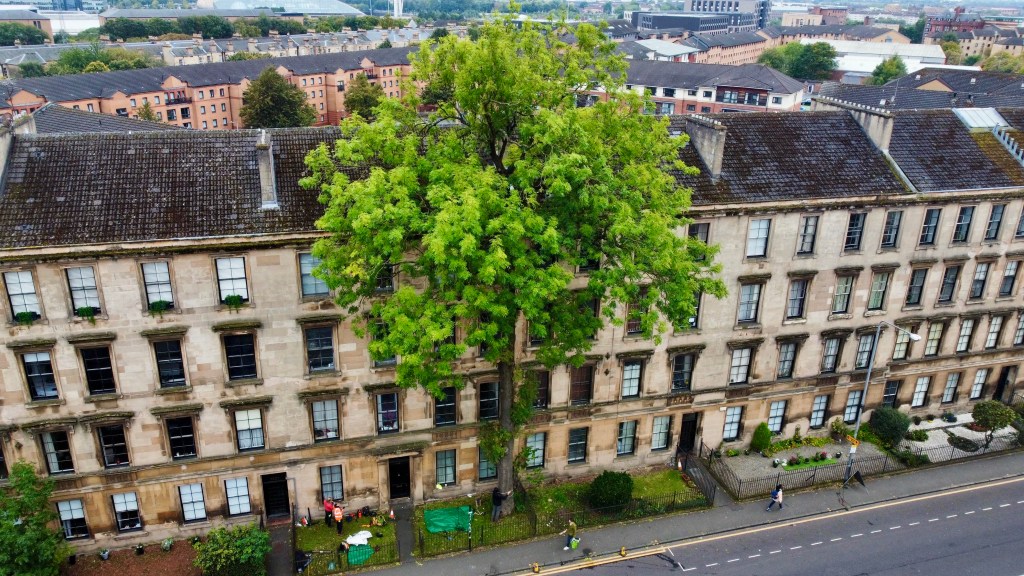
“Rising unexpectedly from the heart of a dense city street, Glasgow’s Argyle Street ash is around 170 years old and 82 feet tall. It has endured industrialization, wartime bombing, urban redevelopment, and now ash dieback disease — yet it continues to live.
This is a tree that was never planned, never planted, and never removed. It survives because generations chose to let it remain.
Loved by its community and standing alone in an unforgiving urban environment, the Argyle Street ash is a powerful symbol of resilience, patience, and coexistence — showing what can happen when nature is given space to endure.”