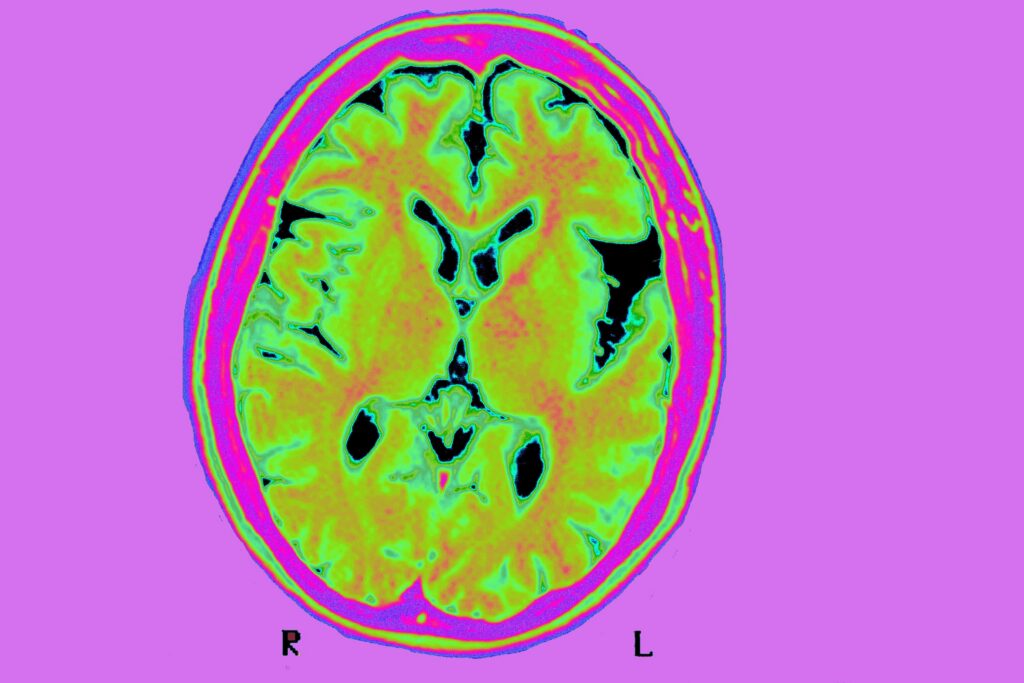
The World Alzheimer Report 2026 contains some encouraging news about the devastating neurodegenerative disorder, namely that we’re on a path to making Alzheimer’s a treatable condition.
“After decades of investment in research, we stand on the cusp of a giant leap forward at the intersection of innovation in diagnostics, treatments, and risk reduction,” Chris Lynch, the acting CEO of Alzheimer’s Disease International, wrote in the report, released Monday. He added:
“Never before has there been so much focus, investment, and hope in dementia research.”
Already, certain drugs (donanemab and lecanemab) have shown promise in slowing the progression of Alzheimer’s — and research is underway to find out if early treatment for high-risk individuals can alter the disease course before symptoms even develop. The report also flagged the potential for tailoring medical treatments to specific patients within the next five years.

“The mood across the research community is infectious,” it stated. “Alzheimer’s disease is no longer universally described as untreatable; instead, it is increasingly viewed as a condition for which earlier diagnosis, better understanding of disease biology, and a wider range of interventions may collectively improve outcomes.” This optimistic shift comes at a pivotal time, as the number of people living with dementia is projected to surpass 139 million by 2050.
Neurologist Campbell Le Heron agreed that the report signals a shift in mentality about the disease, away from something “that we can’t do anything about,” he told Radio New Zealand. He added: “These trials are showing us that we can potentially do something about it, at least in certain situations.”
The report also noted that, in addition to the drugs created specifically for Alzheimer’s, more research is being undertaken to explore the prospect of repurposing different medicines for treatment. “More than a third of dementia drugs currently in the pipeline were originally developed for other conditions,” it reads, citing atomoxetine as an example, a drug used to treat ADHD and formerly sold under the brand name Strattera. In a Phase 2 trial, scientists investigated “whether it could slow cognitive decline in people with mild cognitive impairment or early Alzheimer’s disease, with mixed results.”
Overall, “dementia is being recast not as a gradual decline towards an inevitable loss of cognition,” the researchers wrote, “but as a continuum that might be interrupted or slowed, enabling many more years with a good quality of life.”
RELATED: High Schooler Identifies 2 FDA-Approved Drugs as Potential New Alzheimer’s Treatments