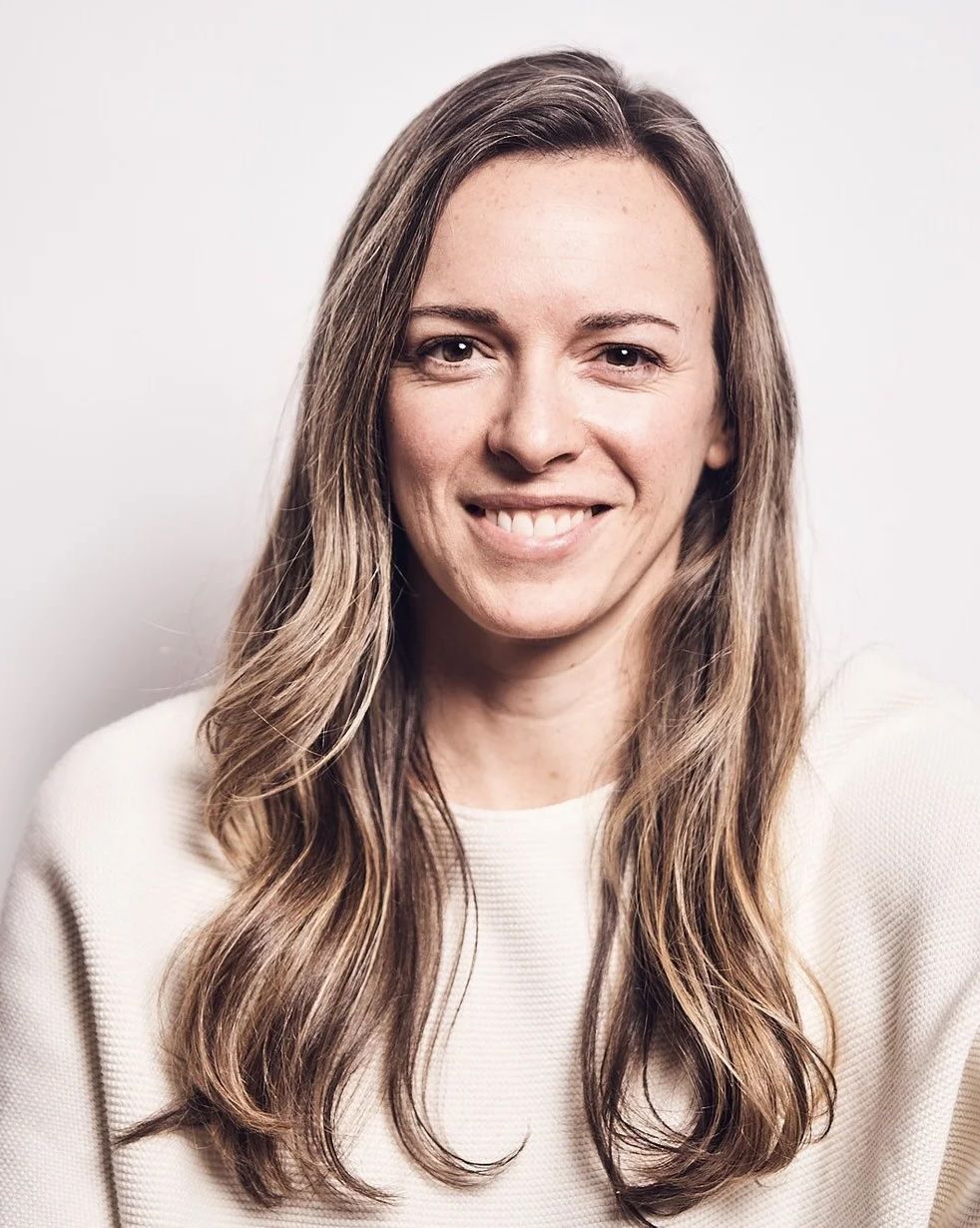
Jessica Jackley is the CEO of VOW for Girls, a nonprofit working to end the international child marriage crisis. She contributed this op-ed in honor of International Day of the Girl on Oct. 11.
I have three sons and was really coming into my own as a boy mom when I became pregnant with our fourth child several years ago. My husband, Reza, and I wanted to be surprised, so we didn’t want to know the gender until the moment they were born. It was a girl!
Soraya joined a family that was already loud, where everyone excelled at taking up space. She learned to use her voice early, to ask for what she needs. She’ll interrupt a dinner table debate about when homework needs to be finished or what dessert options are offered (or anything else) to announce it’s her turn to talk. She’ll flat-out veto a movie all three brothers have agreed on and hold her ground until someone plays one of her favorites instead.
She has a very strong sense of what is right, what is fair, and will not back down until she gets everyone else’s buy-in, speaking with the confidence of a lawyer closing a case. While I could jump in and help negotiate these moments, I love to watch and let her lead.
Those small moments are, I’ve come to believe, exactly where empowerment is — or isn’t — built.
I think about what empowerment looks like not just in my own family, but in others around the world, especially in my work with VOW for Girls. My career began at Kiva, the nonprofit lending platform I started after becoming deeply inspired by the empowered women I met: women running businesses out of tiny stalls and one-room shops across the world, women who’d been extended something as simple as a small loan and, with it, the chance to make their own decisions about their own lives.
What struck me wasn’t the money. It was what happened to a woman’s posture, her voice, the way she spoke about her future, once someone had trusted her with a choice.
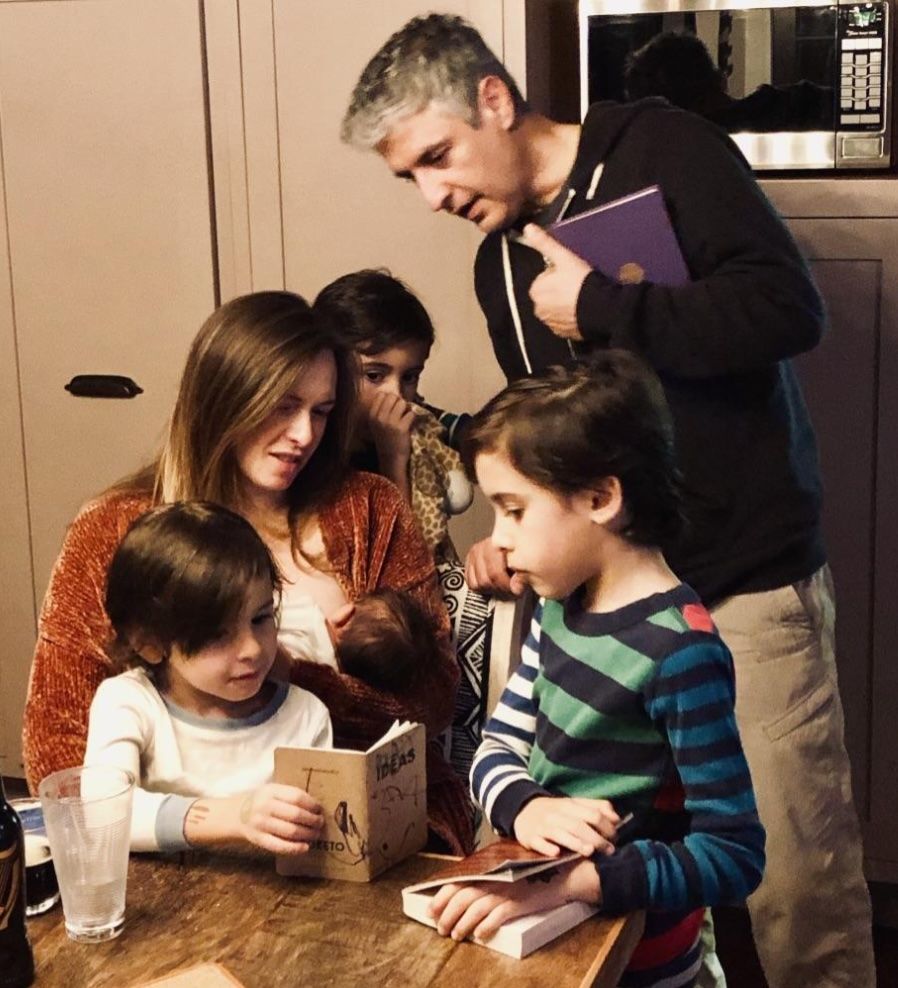
The author with her family shortly after the birth of her daughter
That’s the thread that connects my 6-year-old daughter at my kitchen table to a girl in a village VOW supports through our partner, Girls First Fund: Empowerment isn’t a personality trait some girls are lucky enough to have. It’s something built deliberately, and it can be buttressed or knocked down by the adults around her.
Thanks to my time working in this space, and my experience as a mother, three essential building blocks for raising empowered young women became clear to me:
Start with education. Not just access to a classroom, though that matters enormously, but an education that teaches a girl to expect a future for herself, one where she’s the author of it, not a bystander. Every year, 12 million girls become child brides before they turn 18, most of them pulled out of school to do it. That’s not just a lost diploma. It’s a foreclosed sense of what’s possible. I’ve heard this directly from the girls our grantee partners work with that the moment school stopped being a given is often the moment everything else narrowed too.
Then confidence. This one is built in tiny repeated doses, not grand speeches. It’s whether a girl is asked her opinion and then actually listened to. It’s whether she’s allowed to struggle with something in front of you without you swooping in. With my sons, I let this happen almost by instinct. With Soraya, I’ve had to be more intentional, to let her wrestle her older brothers when they’re playing keep-away, to let her get frustrated putting on her own shoes instead of doing it for her, to ask her what she thinks before I tell her what I think. Confidence isn’t the absence of failure. It’s the accumulated evidence, over thousands of small moments, that you’re capable and your voice counts.
And finally, freedom. This is the one that’s hardest. For so many girls around the world, freedom isn’t abstract — it’s the option to stay a child, to finish school, to choose if and when and whom to marry, to walk somewhere without fear. But freedom shows up in smaller forms everywhere, including in my own home: the freedom to disagree with your older brothers, to change your mind, to want something different than what’s expected of you.
The same ingredients produce a self-assured girl wherever she is growing up. The barriers just look different from an opportunity gap in one place to a survival gap in another. But the girl on the other side of those barriers wants the same thing. She wants to be trusted with her own life.
This International Day of the Girl, I will keep coming back to Soraya, and to every girl I’ve met through this work who reminds me of her: full of opinions, occasionally stubborn, absolutely certain she has something important to say. My job, and I’d argue all of ours, isn’t to hand her confidence. It’s to keep making room for her to build it herself, one small trusted decision at a time. Multiply that by millions of girls, and you get a much better world, for all of us.