Recommendations are independently selected by our team but may result in a commission to Nice News which helps keep our content free.
Plants have been proven time and again to do wonders for our well-being: Studies show they may help reduce stress, boost moods, and even improve focus. Just looking at them can feel like taking a deep breath.
But alas, not every space is gloriously drenched with bright, indirect light that’s optimal for plant growth. That doesn’t mean you have to forgo plants in shady spaces, though. The key is finding a good fit. As a horticulturist once told me, choose a plant for the space, not a space for the plant.
Below are a handful of low-maintenance green friends that don’t demand being in the (spot)light. By nature, they can tolerate — and even flourish in — dim corners, hallways, and nooks and crannies near north- or east-facing windows.
Keep in mind that even the most resilient plants often require trial and error. “Every green gurl that didn’t thrive left you with wisdom to grow from,” Christopher Griffin, aka Plant Kween, wrote in the caption of a video. “Each lesson strengthens that green muscle, helping you to care better, try again, and nurture with more confidence.”
Note: Always remember to check plant types for toxicity to pets and children before bringing them into your home.
Snake Plant
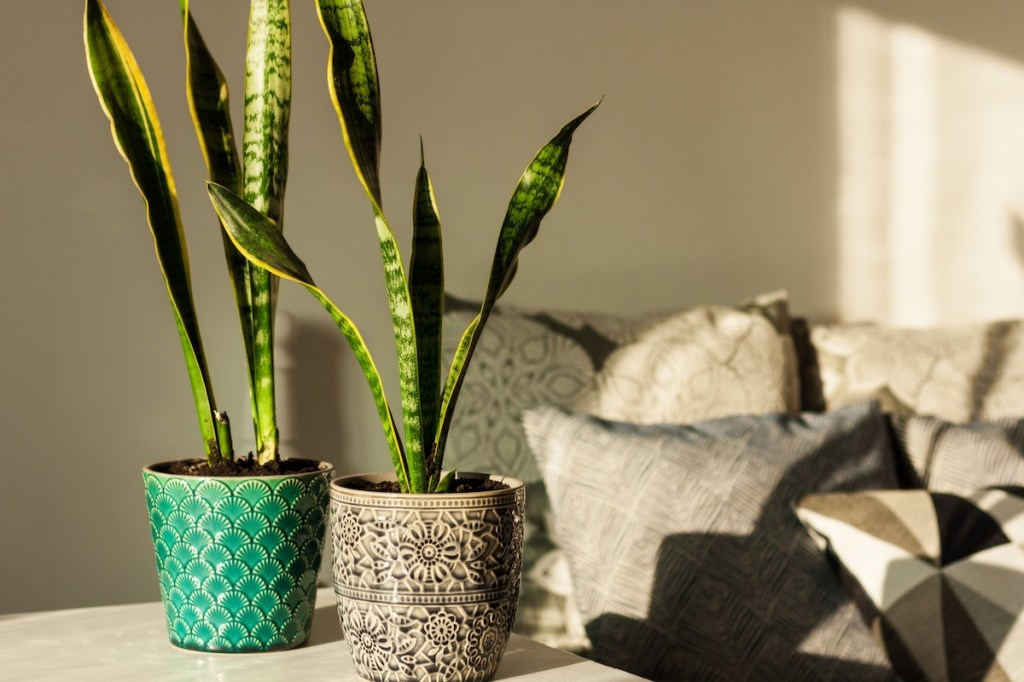
Armed with fleshy, sword-like leaves, the snake plant, also playfully called mother-in-law’s tongue, is about as indestructible as houseplants come. The striking succulent is impressively tolerant of low-light spaces and even stretches of neglect, so much so that overwatering is one of the few ways to harm it. It’s generally advised to let the soil dry out completely between waterings (typically every 2-8 weeks).
ZZ Plant
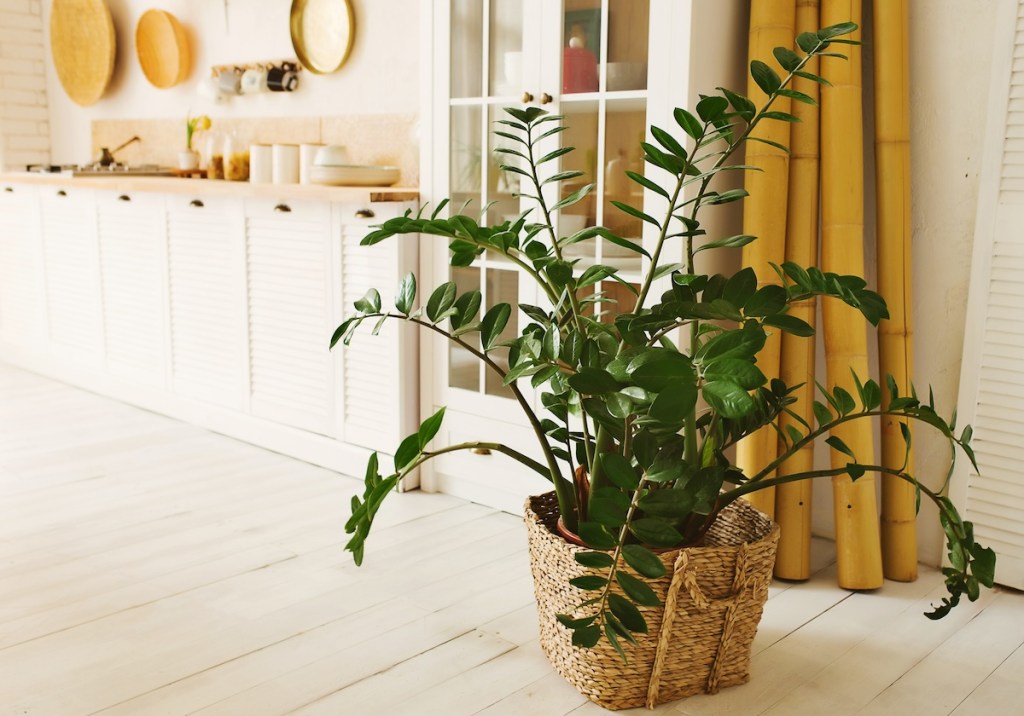
The trusty ZZ is nicknamed the eternity plant for a reason. Native to eastern Africa, the resilient plant stores H2O in its potato-like underground rhizomes, meaning it’s capable of withstanding scant waterings. It’s also able to tolerate other less-than-perfect conditions, including low light.
Golden Pothos
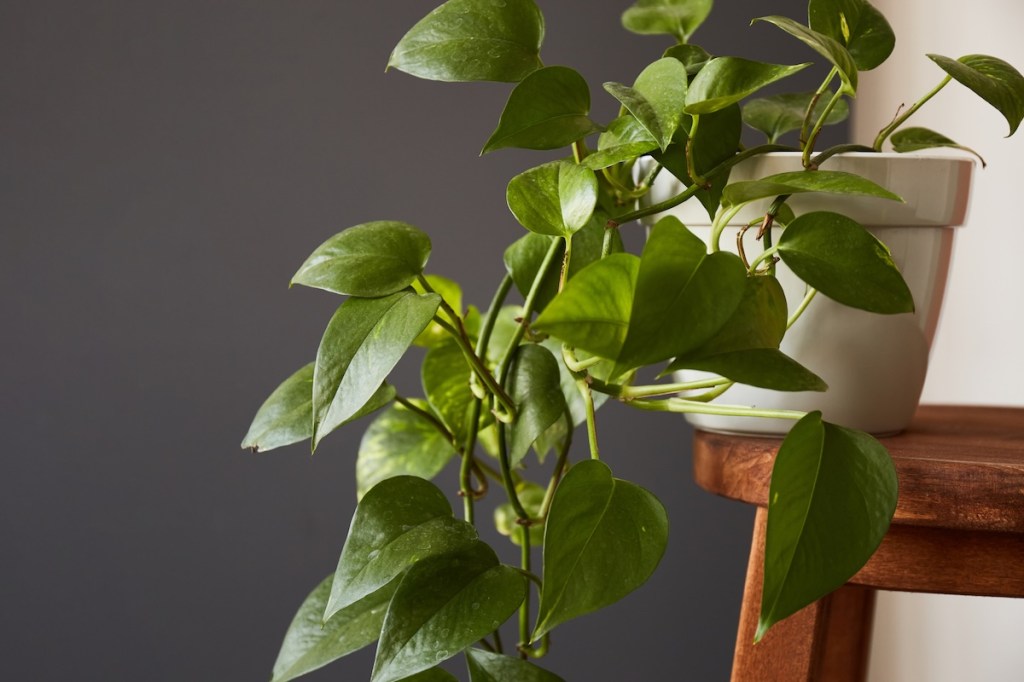
Golden pothos, also called devil’s ivy, is low-maintenance, versatile, and often found on lists of plants that are nearly impossible to kill. Plant purveyor The Sill even nicknamed it “the MVP of hanging plants.” While it prefers bright, indirect light, the plant is forgiving enough to still grow slowly and steadily in low-light spaces. Tip: The vines can reach up to 8 feet, so place it somewhere with ample room — say atop a bookshelf or cabinet, or hanging from a ceiling so it can sprawl out.
Peace Lily
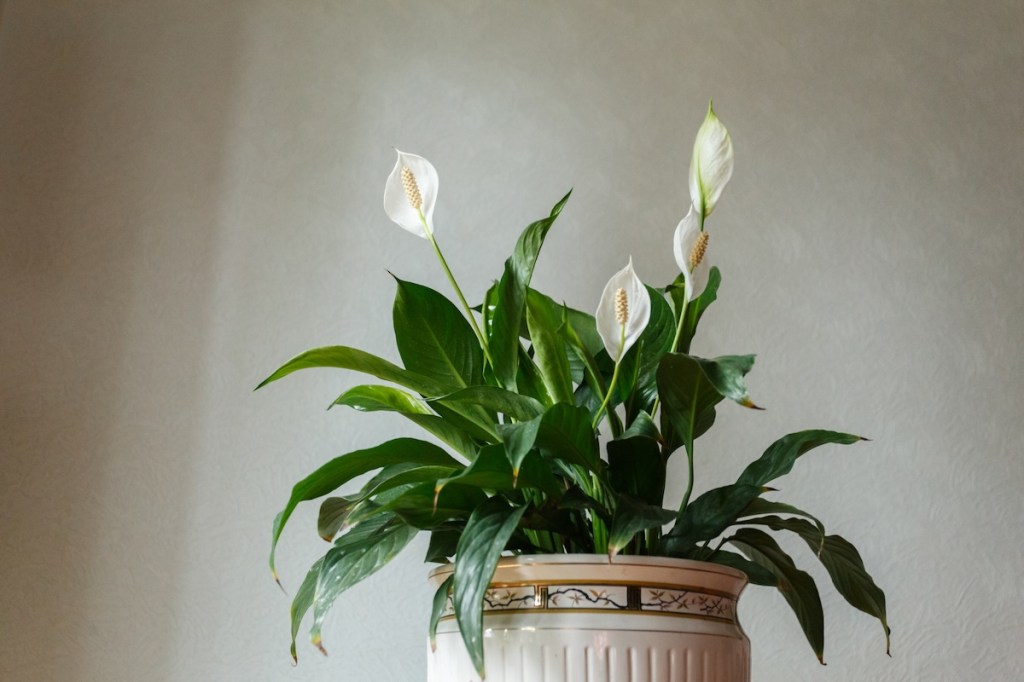
Hailing from the tropical rainforests of Colombia and Venezuela, the peace lily is primed to flourish in shady conditions. It’s also a particularly communicative plant. The leaves droop when it’s thirsty and then usually perk back up quickly after a drink. Fun fact: The white “flowers,” which are actually specialized leaf bracts called spathes, are said to symbolize peace and tranquility.
Spider Plant
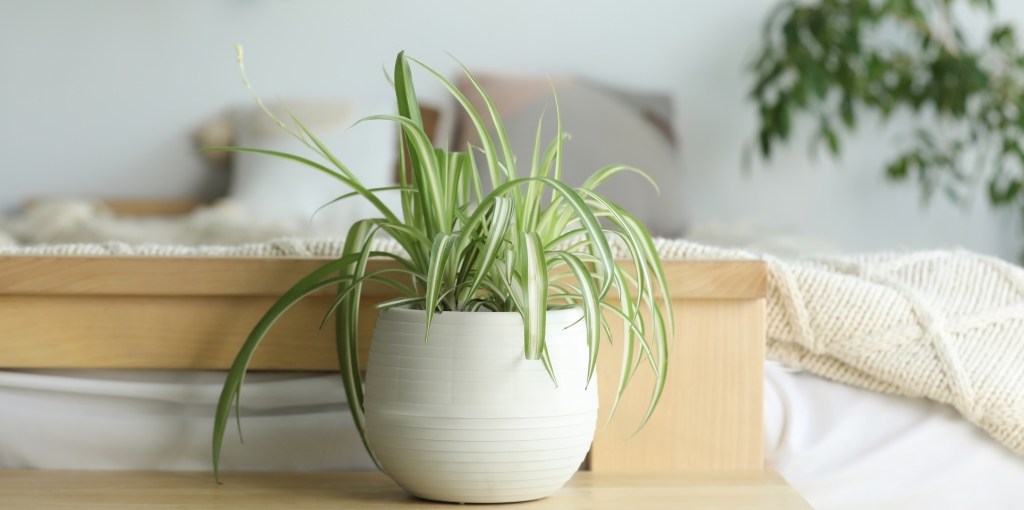
Spider plants check a lot of boxes: They’re nontoxic to pets, beginner-friendly, and easy to propagate. The main plant sends out long, skinny stems (called stolons) that arch out like spider legs. At the end of each one dangles a little baby plant called a “spiderette” that can be snipped off to grow on its own. While they do best in bright, indirect light, they can also tolerate medium to low light.
Air Plant
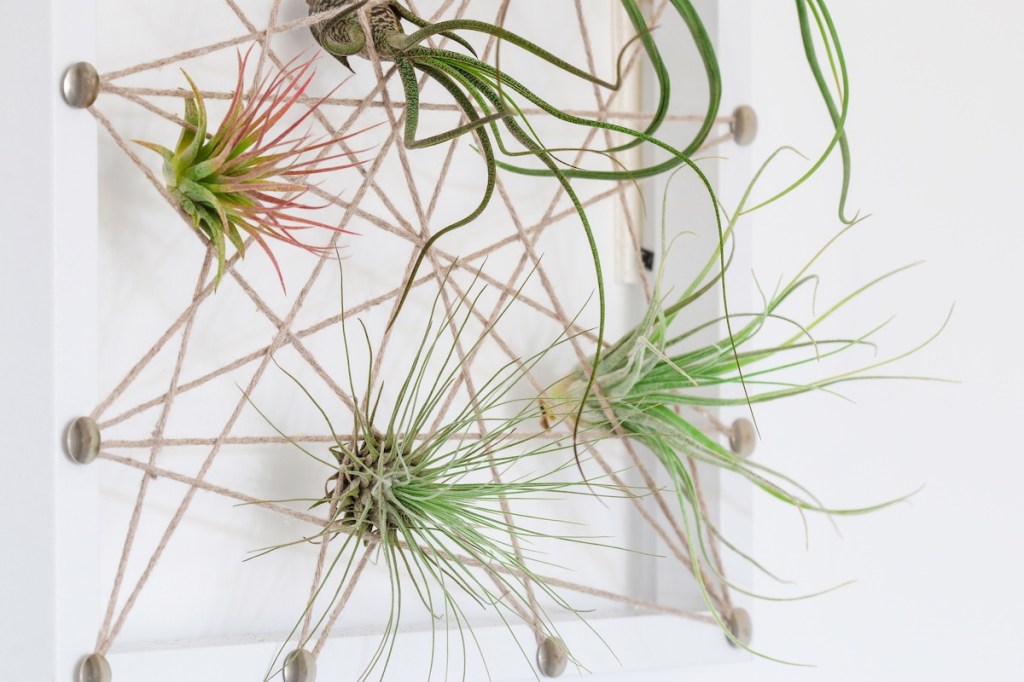
These epiphytic gems — native to forests and deserts in the southeastern U.S. and throughout Latin America — absorb moisture and nutrients directly from air and water through scales called “trichomes” on their leaves. Offering all the airy whimsy with very little effort to keep alive, they can do well in low-light spots like bathrooms and kitchens, or on shadowy shelves. And while they don’t technically need a pot, they look pretty adorable in one.
Other Plants That Can Survive in Low Light
- Cast Iron Plant
- Bamboo
- Chinese Evergreen
- Prayer Plant
- Dragon Tree
- Bird’s Nest Fern
- Philodendron
- Parlor Palm
- Anthurium
- Peperomia
RELATED: Make Your Home Happier With These Dopamine-Inducing Decorating Tips