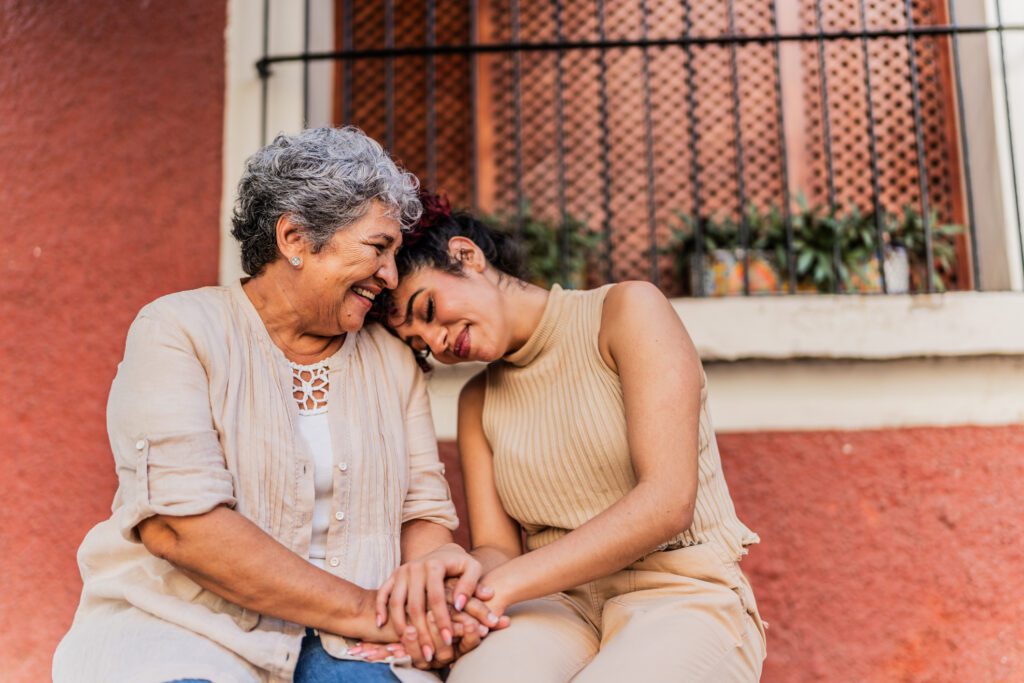
“My grandmothers cooked, if it was a good day or a bad day, if they were happy or if they were sad, they cooked. They loved on people with food,” Gary LeBlanc told Nice News on a phone call from Portsmouth, Virginia in mid-April. The career restaurateur and hotelier, whose family hails from New Iberia, Louisiana (“real Cajun country,” he called it), has built a life around feeding people. It’s a passion. It’s “part of my DNA,” the 69-year-old said.
That’s how he found himself signing up to volunteer with food service organizations in New Orleans after Hurricane Katrina in 2005. And it’s why what he saw being served to those affected by the disaster upset him so much. Speed was prioritized over safety, as were the meals being cheap and easy to mass-produce. The food “just wasn’t excellent,” LeBlanc explained, and he thought it should have been.
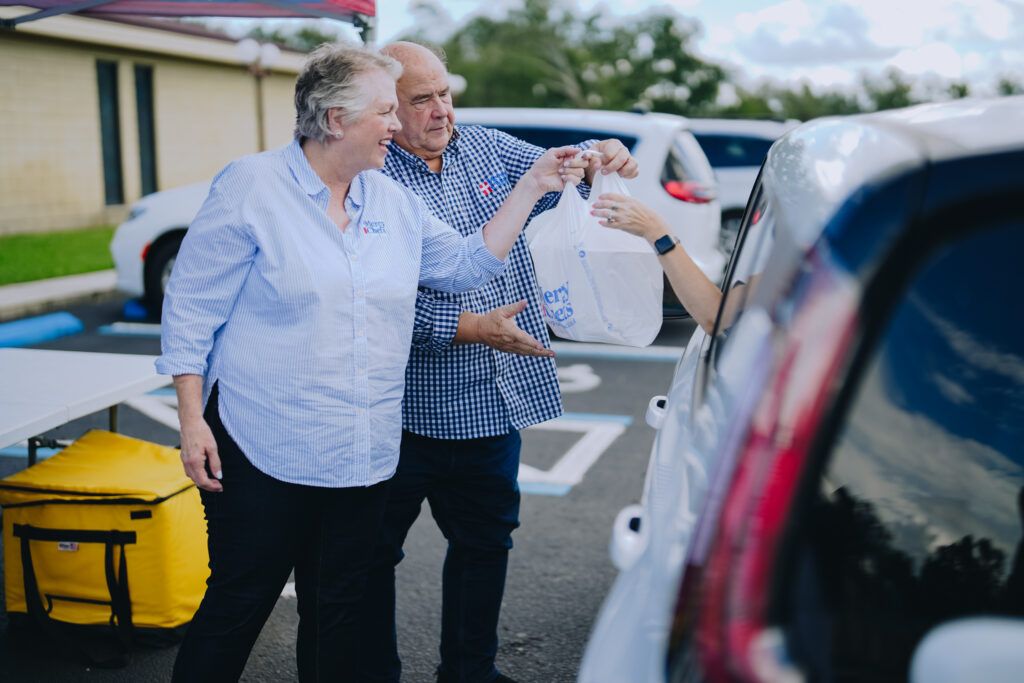
Gary and Ann LeBlanc
“It’s what people deserve. Nobody should be fed a bad meal,” the grandfather of seven shared, adding, “If it’s important to go feed somebody, it’s important to go feed them in the very best way that you can. It creates dignity. It creates comfort for many people.”
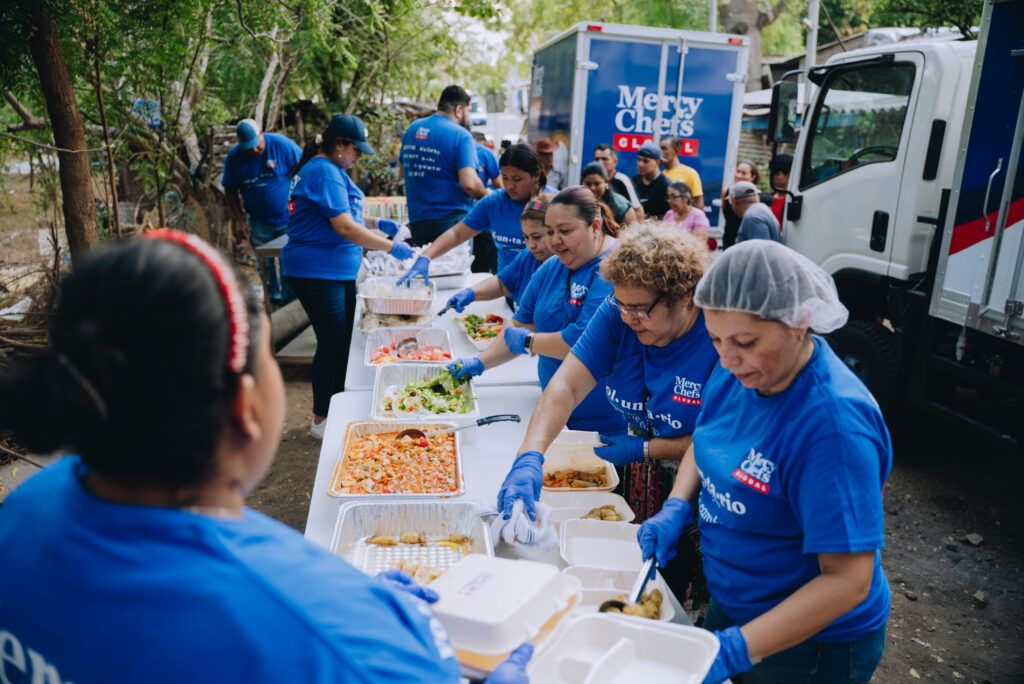
The following year, LeBlanc and his wife, Ann LeBlanc, co-founded Mercy Chefs, a nonprofit serving professionally made, restaurant-quality meals to disaster victims and individuals experiencing food insecurity. In the two decades since, the org has served over 35 million meals across the U.S. and in 42 countries.
Mercy Chefs is powered by LeBlanc’s strong faith system, and he created it after receiving “an audible call from God” telling him to feed people. From there, he hit a little bit of a roadblock: “I went and told my wife that I had had a God call,” he said, chuckling. “And she said until she had a God call, it wasn’t gonna happen.” Two of the couple’s five kids were under 7 at the time.
Once Ann — who had experience in the nonprofit world — got on board, the operation was off and running, withLeBlanc cooking solo off a barbecue grill out of an old RV. “I’d load the kitchen, I’d drive it across the country, I’d unload it and set up, I’d buy the groceries, I’d write the menus, I’d cook the food, I’d clean up, I’d pack it back up, and I’d drive it back home,” he recounted.
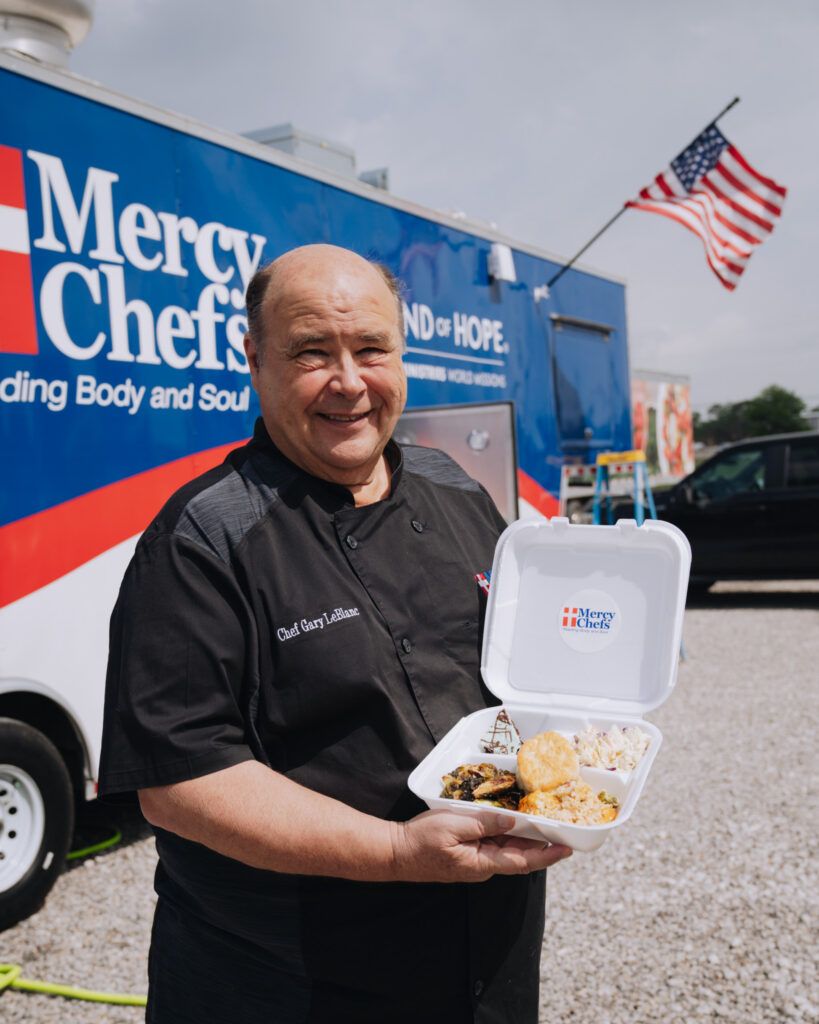
Over the following years, with the help of private donors and volunteers, the couple built up Mercy Chefs. Its first overseas response was in Haiti following the 2010 earthquake. Mercy Chefs now has weather watchers and experts on its team, so it can mobilize at a moment’s notice. LeBlanc’s goal is for crews to be on the ground within 24 hours of an incident.
Often the first responders are the first people the nonprofit feeds. “They’re so often forgotten in these storms,” he said, “and they’ll work for weeks without a hot meal.”
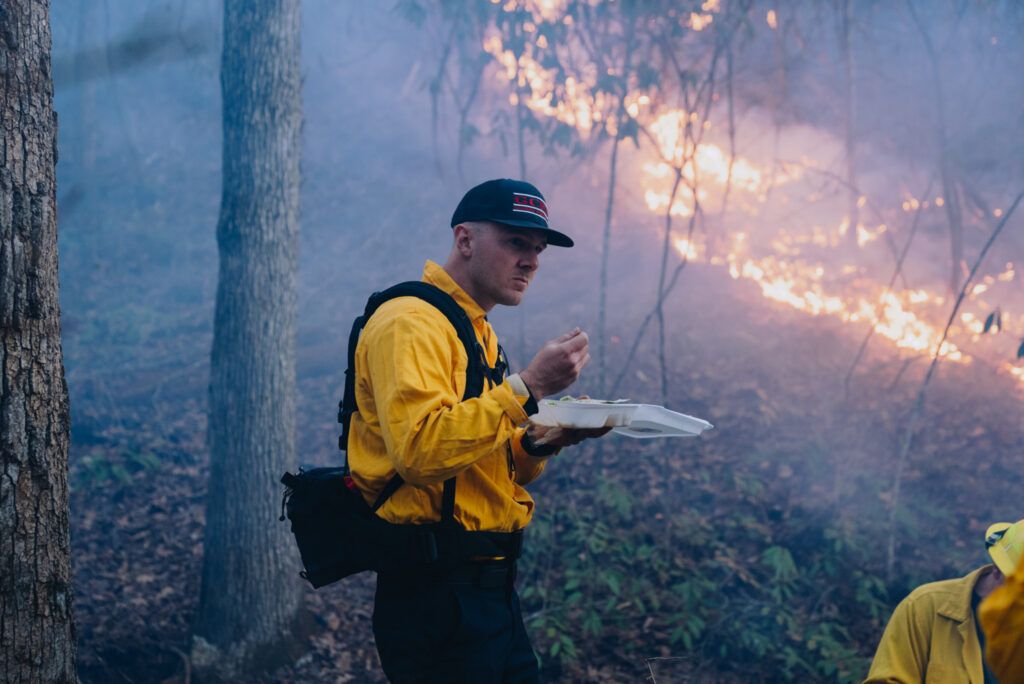
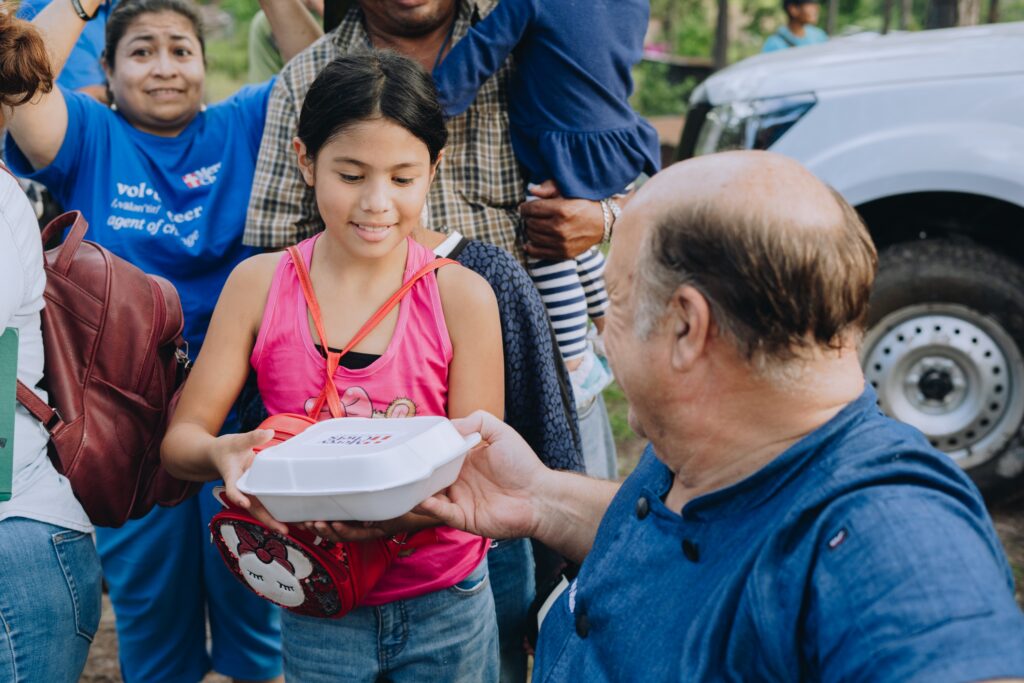
LeBlanc loves watching people open their to-go containers, expecting a cold, slapped-together sandwich and instead finding a “gorgeous pork loin with handmade mashed potatoes, fresh green beans — not canned green beans, fresh green beans — and a roll,” he said, noting that the nonprofit bakes its breads and makes its desserts on site. “Those are the moments that I live for.”
Today, the org has deployed between 300 and 400 responses, serving around 4 million meals annually. “It’s always very emotional. It’s always very personal,” said LeBlanc. And there is always more to be done: “For every one person that I feed, I see two more that I can’t get to, and it eats my heart,” he shared. “I can’t tell you how much that drives me.”