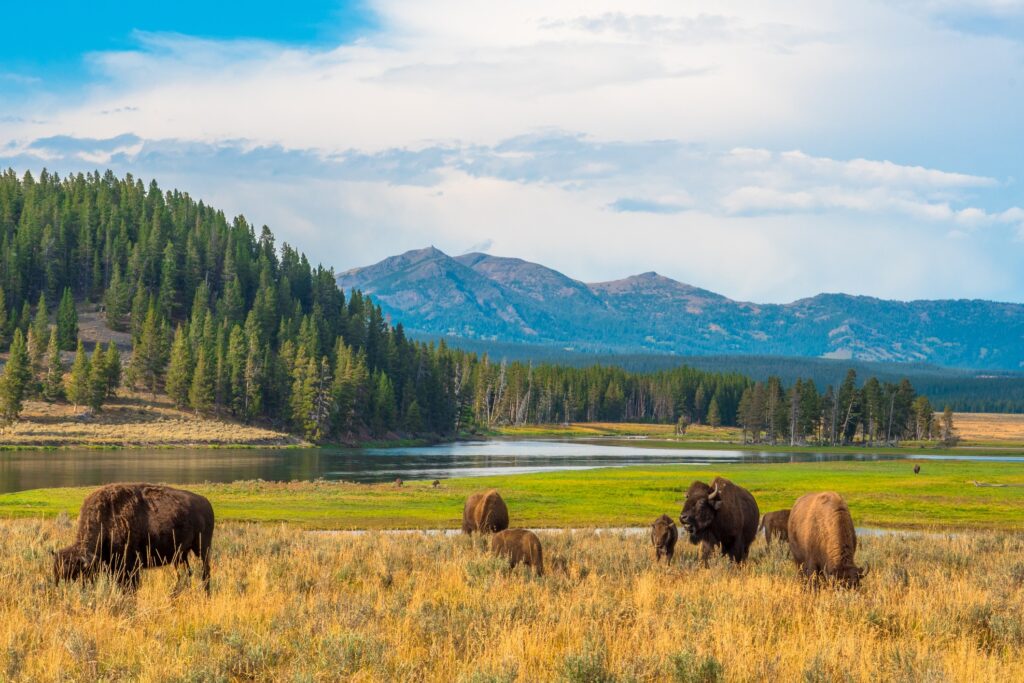
Most Americans know that there were 13 original U.S. states, but what about the first 35 national parks and monuments? Back in 1916, the Department of the Interior already managed these spots — which included Yosemite, Mount Rainier, and Wyoming’s Devils Tower — but on Aug. 25 of that year, President Woodrow Wilson signed legislation officially uniting them under the National Park Service.
Now, 110 years later, the NPS encompasses 433 sites spanning over 85 million acres in all 50 states, including the 63 national parks. It’s celebrating its milestone birthday during National Park Week, which kicked off yesterday and runs through Aug. 30. On Tuesday, the official anniversary, any parks that normally charge entry fees will waive them for U.S. residents, allowing as many visitors as possible to enjoy the week’s festivities taking place across the country.
These sites “tell the story of the United States — from the battlefields where the nation was forged, to the landscapes that shaped our identity, to the historic sites that honor the people and events that built the country,” National Park Service Comptroller Jessica Bowron said in a news release.
Join us as we take a hike all the way back to the late 19th and early 20th centuries to share some of our favorite notable facts about U.S. national parks in their infancy.
Buffalo Soldiers Were Among the First Park Rangers
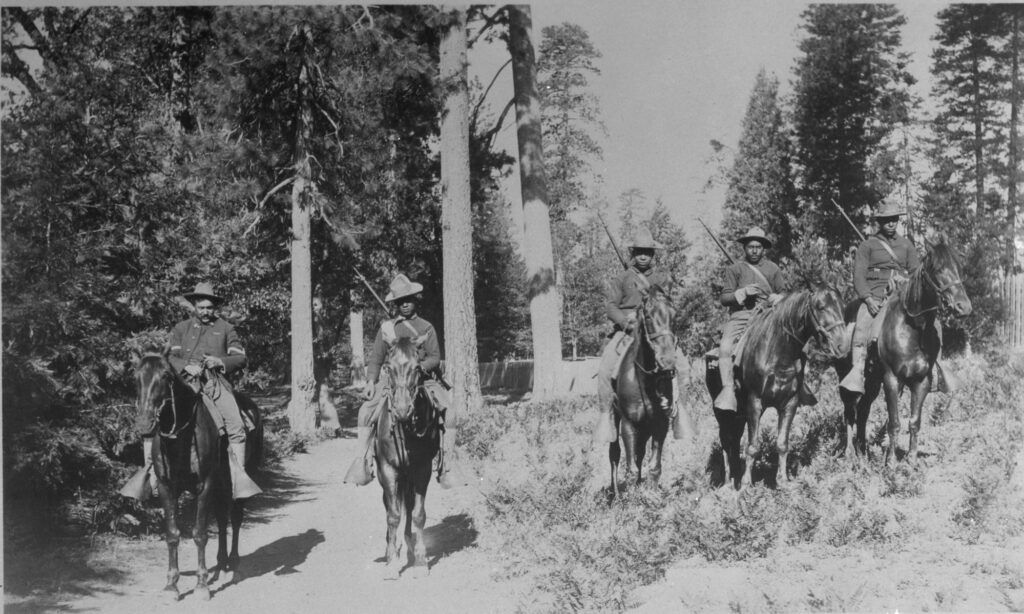
Some of the country’s first park rangers were Buffalo Soldiers, African Americans who served in all-Black U.S. Army regiments starting in 1866. When Yellowstone and several other national parks were being established near the end of the century, the Department of the Interior quickly realized they needed protection.
“Farmers and herders would just come in and run roughshod over the land,” historian Brian Shellum told History. “The farmers knew the trails into the Sequoia long before anybody else, so they would graze their sheep and damage the natural resources.”
So the U.S. Army stepped in as park rangers for Yosemite and Sequoia National Parks between 1891 and 1913, and the 24th Infantry became the first regiment of Buffalo Soldiers to take on the role when they began serving at Yosemite in 1899. In 1903, Captain Charles Young, the highest-ranking African American U.S. Army officer at the time, also became the first African American to be named the acting superintendent of Sequoia National Park.
Yellowstone Named the World’s First National Park
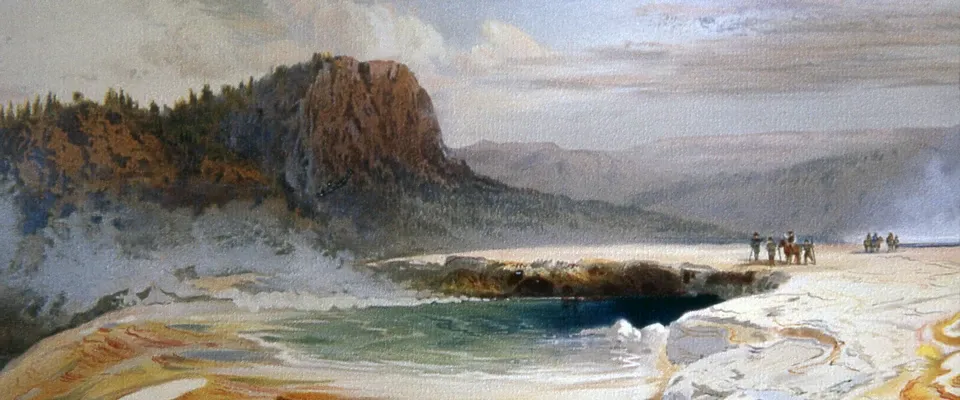
Yellowstone is often called the first national park in the world (although Mongolia’s Bogd Khan Uul National Park may hold claim to that title instead). Thanks to photos and artwork demonstrating the area’s splendor that captured Congress’ attention, President Ulysses S. Grant signed the Yellowstone National Park Protection Act on March 1, 1872, protecting it from “settlement, occupancy, or sale” and designating it as a public park. The creation of the NPS decades later provided much-needed authority to enforce regulations against troublemakers like poachers and vandals.
Human presence there may date back more than 11,000 years, however — and for thousands of years before the national park designation, the site hosted Great Plains, Great Basin, and Plateau Native American groups. Today, the NPS recognizes 27 tribes associated with Yellowstone.
The NPS Won an Award Before It Existed
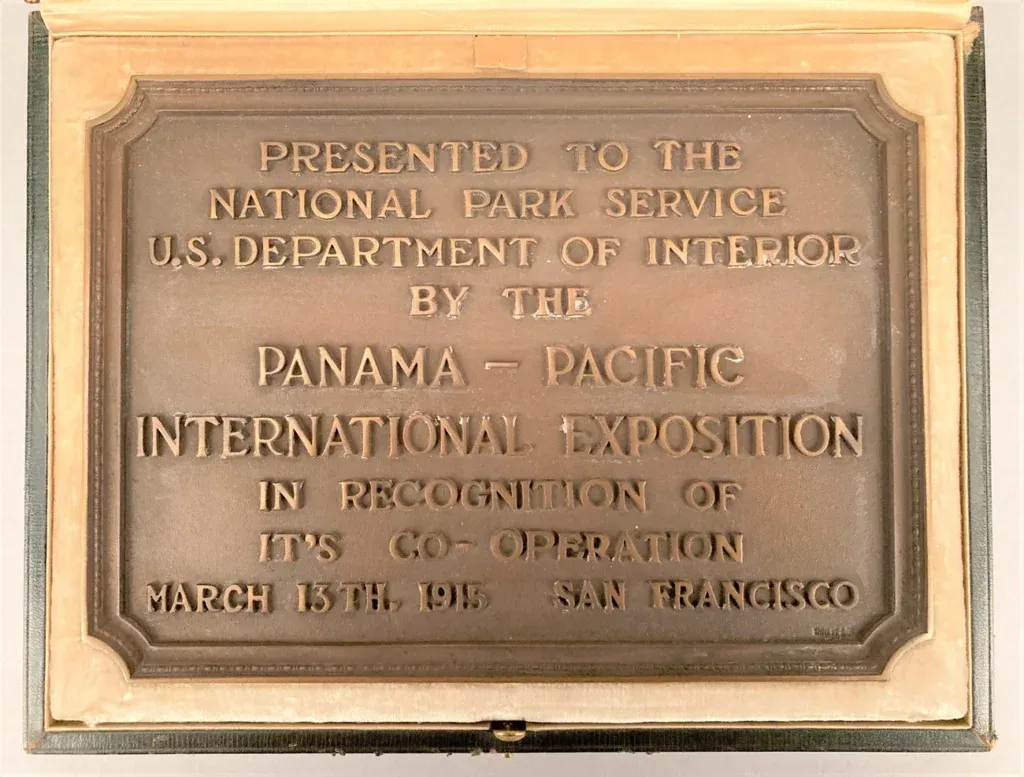
We already know that the NPS was created in 1916 — but a year prior, a plaque was given to the Department of the Interior’s “National Park Service” at San Francisco’s Panama-Pacific International Exposition. The event, which was held partly in honor of the opening of the Panama Canal in 1914 and drew over 18 million attendees during its nearly yearlong run, included an exhibition spotlighting Yosemite and Mount Rainier that helped to bolster national parks’ popularity as a whole.
The exposition awarded three bronze medals to the NPS along with the plaque, which was given “in recognition of its cooperation.” But why did the expo recognize a bureau that didn’t yet exist? According to the NPS, it may have been part of a lobbying push to designate an agency for national parks that had been ongoing since 1908, efforts that were “seemingly willing the NPS into existence.”
Two Lesser-Known Individuals Shaped the NPS
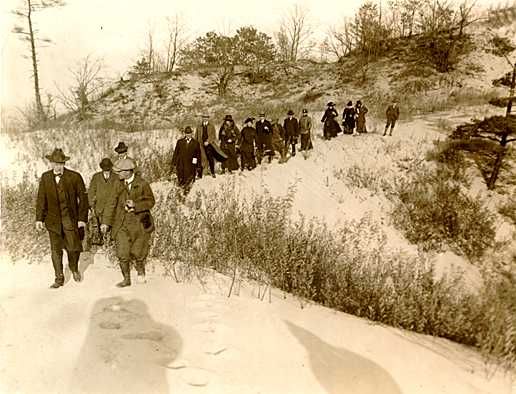
Behind the early growth of the NPS were two lesser-known figures: Stephen Tyng Mather, the first director, and Isabelle F. Story, secretary to the first acting director. After visiting Yosemite and Sequoia in 1914, Mather fired off a report to Secretary of the Interior Franklin Lane criticizing their conditions — to which Lane replied, “If you don’t like the way the national parks are run, why don’t you come on down to Washington and run them yourself.”
So Mather, a successful businessman, did just that, becoming Lane’s assistant in 1915. Once appointed the director of the newly formed NPS a year later, he kickstarted efforts to popularize the parks, improve infrastructure, establish an effective team of rangers, and more. By 1917, however, he was unable to perform his duties due to mental illness, so his assistant, Horace Albright, stepped in.
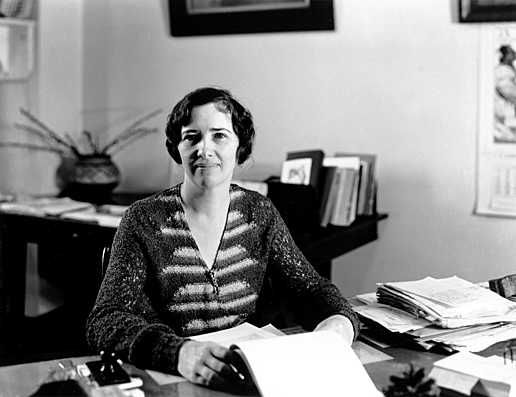
Story, who became Albright’s secretary just weeks before the NPS was created, would often write correspondence for her boss to approve. By 1926, she was promoted to assistant editor, and in 1930, she became chief of the Division of Publications, the first woman to hold the title. Four years later, she made history again as the first editor-in-chief of the NPS. Story ultimately served in the federal government for 45 years, and in 1955, she became the first NPS woman to receive the DOI Distinguished Service Award.
Employees Used Secret Codes to Communicate
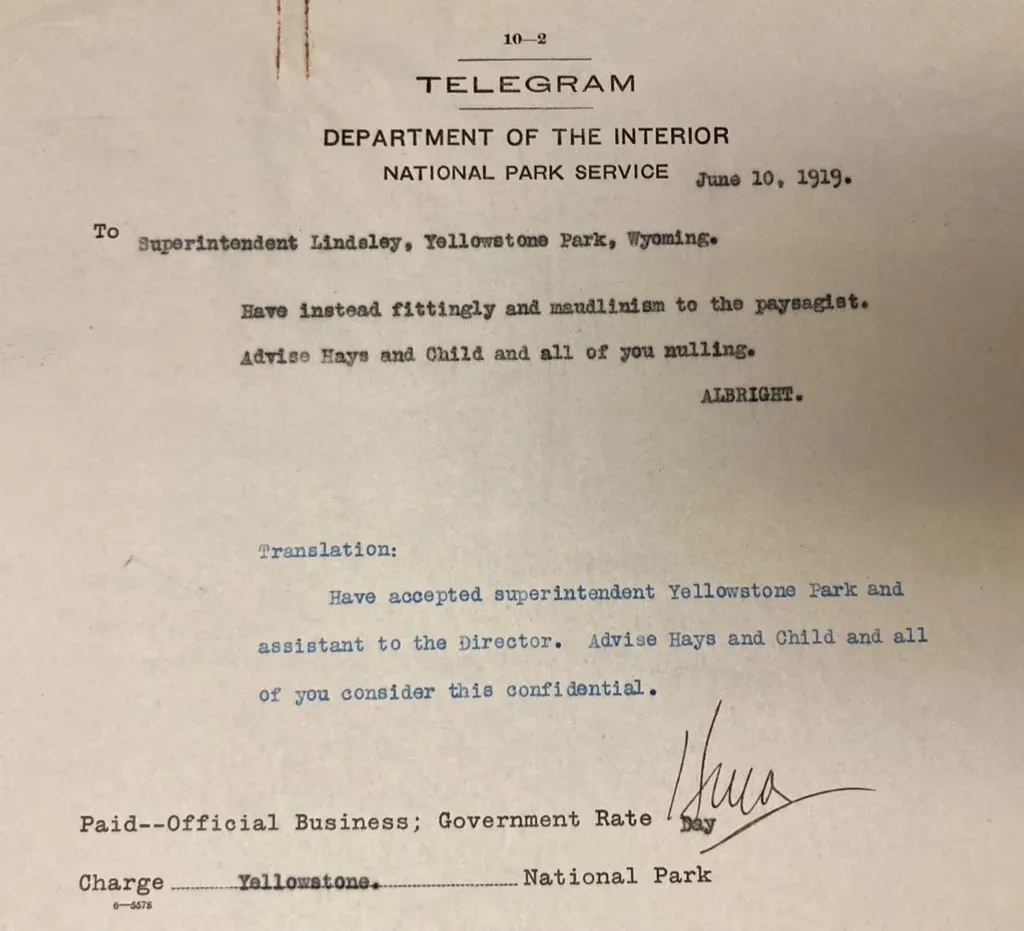
Back in the day, NPS employees weren’t exactly going full incognito like real spies, but they did have confidential information they had to protect. And before computers took over data management, the org’s sensitive material was primarily transmitted via letters and telegrams — hence the need for a secret communication code, aka a secure encryption system.
In the 1910s and ’20s, the NPS relied on a codebook that replaced certain words with substitutes, either real or invented. For instance, “toadflax” meant “park,” and “paysagist” meant “director.” In this 1919 telegram, Albright is telling Charles A. Lindsley, Yellowstone’s superintendent at the time, that he was taking over his role (Lindsley was then demoted to assistant superintendent). According to the NPS, Albright likely encrypted this message to protect it from the media and any potential national political intervention.
The NPS Had a Chief Scientific Illustrator
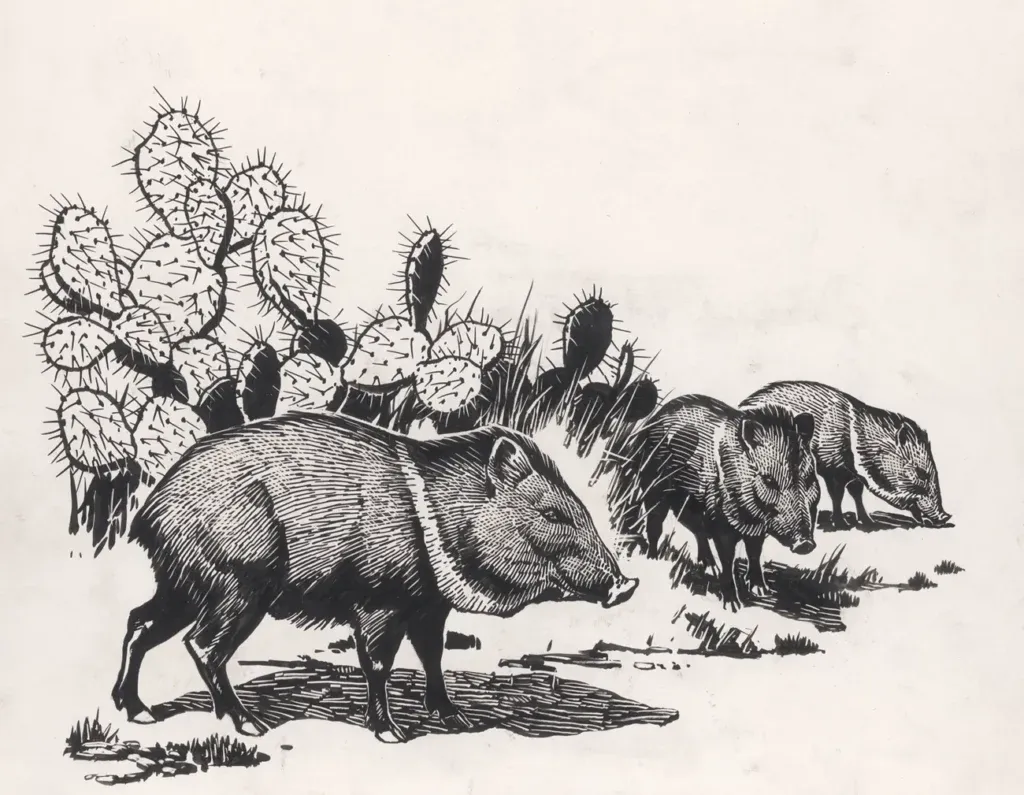
File this under coolest jobs — in 1937, Walter A. Weber was appointed chief scientific illustrator of the NPS Museum Division. His role, which he performed until 1942, involved creating artwork to educate the public about endangered wildlife. Weber’s most significant contributions were to two books called Fading Trails: The Story of Endangered American Wildlife and Meeting the Mammals, the latter of which featured his drawings of 52 animal species.
“His work isn’t just technically accurate,” the NPS shared. “As these examples from the NPS History Collection demonstrate, it is expressive and embodies the characters, habitats, and movements of the animals.”
Weber went on to travel the world as an illustrator for the National Geographic Society, but still referred to his days at the NPS as some of his most enjoyable. “Even though we were poor at the time, I think the couple of years I spent making the paintings for Fading Trails were the most pleasant years I spent in my life,” he said. “I was all by myself. I was pretty well hidden. Nobody told me, ‘Now we want it painted this way.’ And that’s the big contrast to most of the artwork I’ve done in my life.”
Craving more fascinating tidbits about U.S. public lands? Keep exploring with this list from National Geographic, packed with fun facts about 59 of America’s national parks.