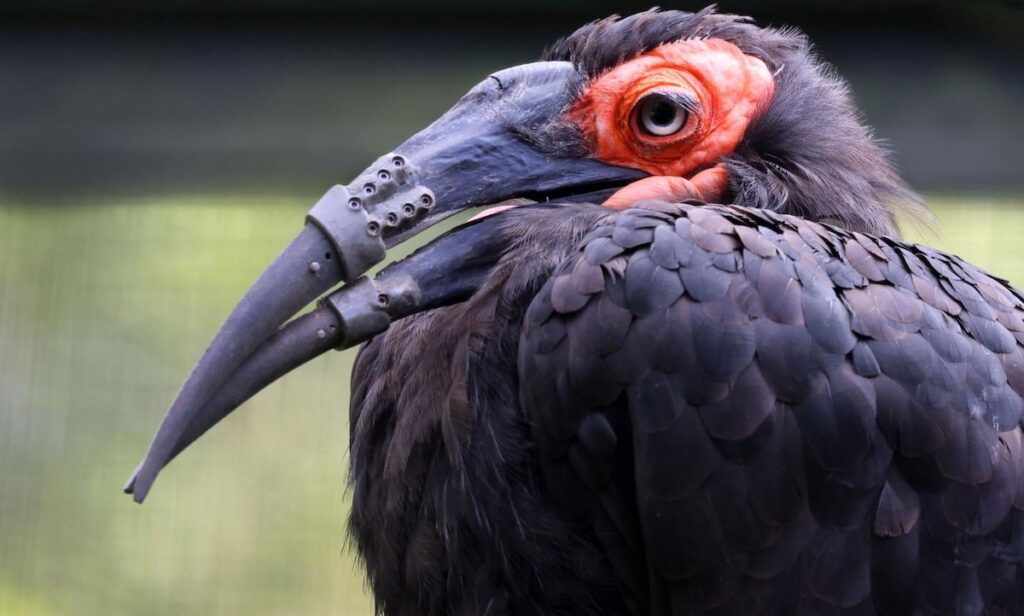
Life is a little easier now for a southern ground hornbill in the Netherlands, thanks to 3D-printed prostheses for his upper and lower beak. The turkey-sized bird at the ARTIS Amsterdam Royal Zoo suffered a severe injury that broke both sections of his bill and left him with two stumps, making it difficult for him to pick up food and groom himself.
“He managed reasonably well with them, but he could no longer do everything a hornbill naturally does,” ARTIS veterinarian Martine van Zijll Langhout said in a press release. To improve his well-being, the team perfected custom prostheses that are “virtually identical” to his original beak.
“A bird uses its beak all day long, to pick up food and, for example, to preen its plumage. Especially with a young bird that can still live to a very old age, we felt it was important to see if we could improve its quality of life,” van Zijll Langhout added.
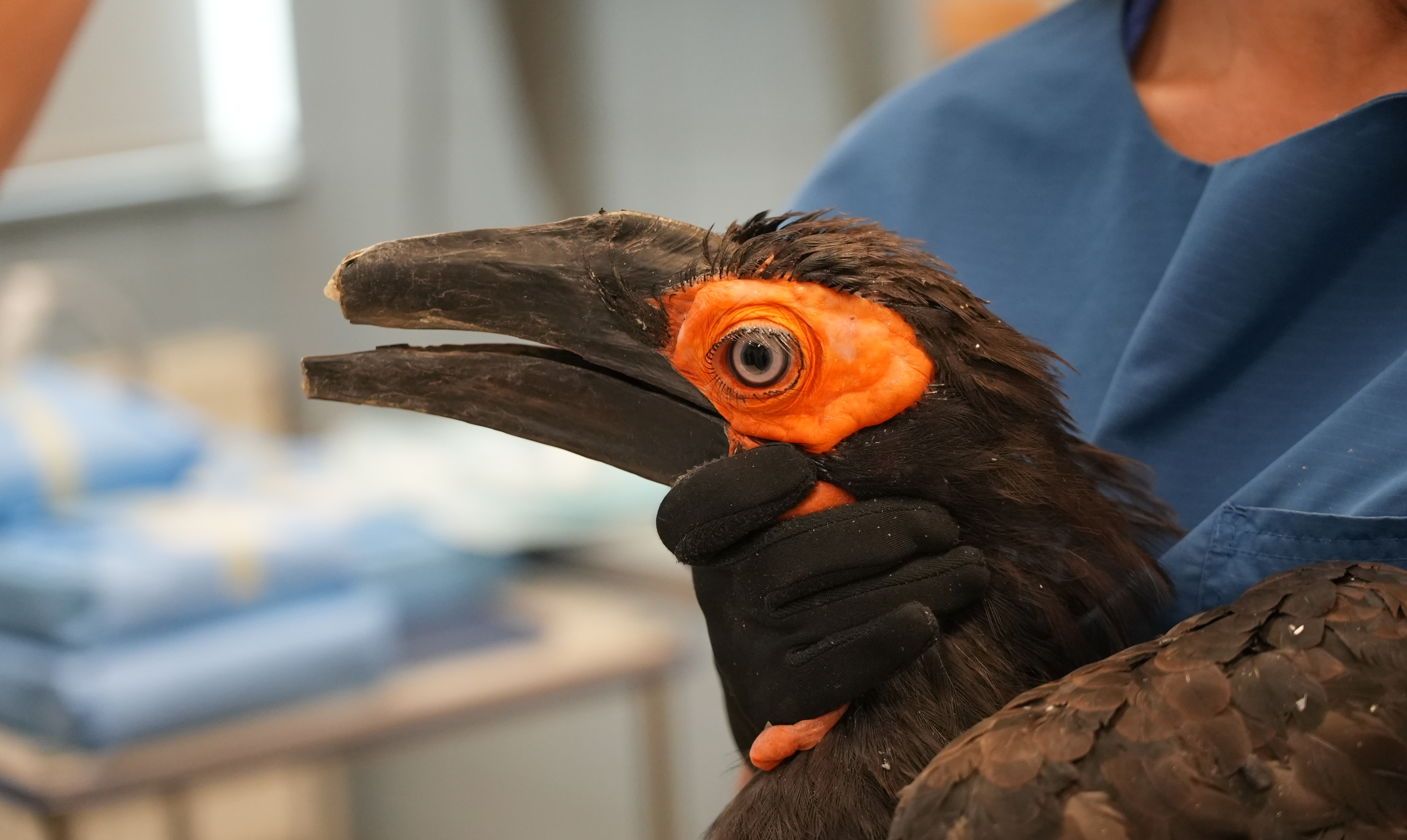
Although several birds have been fitted with artificial beaks, this hornbill is believed to be the first to receive replacements for both the upper and lower beak. Should the beak parts continue to function well for the long-term, the team plans to publish a scientific paper detailing exactly how they created the prostheses, so veterinarians around the world can help similar patients.
The process is technically complex, as every bird has a unique beak that perfectly aligns to its skull and other anatomy. If the shape isn’t exactly right for either part of the bill, the animal will struggle to use the prosthesis.
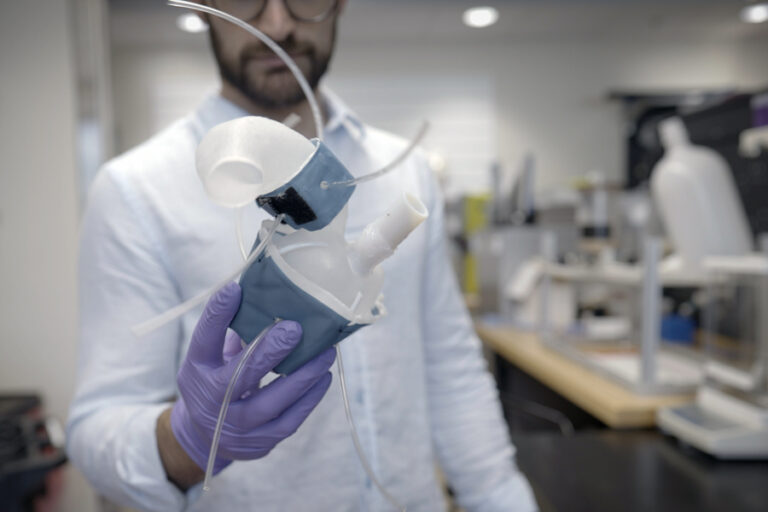
To ensure their creation would be a success, van Zijll Langhout and her colleagues performed a CT scan of the bird’s head as well as the broken beak pieces. The prostheses were then 3D-printed from plastic, and orthopedic surgeons meticulously attached them using titanium components.
One of the biggest risks with a procedure like this is that the bird will reject the new beak, which could result in the animal refusing to eat. The zoo staff planned for that possibility and were prepared to have the prostheses removed if need be — but so far, all is going well: The team reported the bird settled in right away after the beak attachment operation and even appeared to be “smiling” afterward. And the day following the surgery, he began eating independently.
“That was an incredibly important moment for us,” said van Zijll Langhout. “He understood that he could use his beak and began to discover for himself what was possible with it.”
RELATED: From a Dolphin’s Tail to a Bird’s Beak: 7 Innovative Prosthetics That Have Helped Animals