The word “wellness” may conjure images of lavish spa treatments and high-end retreats, but you don’t have to book a luxury getaway to increase your vitality — everyday activities and small, intentional habits can be equally restorative.
Different cultures around the world have long developed unique techniques to promote health, happiness, and overall well-being, from the Turkish concept of savoring idle pleasure to “forest bathing” in Japan. Join us as we explore 10 wellness traditions you can adopt to infuse more peace and balance into our often-overwhelming world.
1. Schemeren | The Netherlands

If you struggle to unwind after a long day, the Dutch concept of “dusking,” or “schemeren,” may be just what you’re looking for. The practice is remarkably effortless: Simply pull up a chair and pause for a while to watch the day turn into night. “Noticing twilight requires a persistent kind of attention. It’s like a shy, rare animal. You have to take your time. Stay focused,” author Marjolijn van Heemstra told the BBC, adding that it’s an important opportunity to reconnect with the world around us. “If you don’t know a tree, even if it’s in front of your house, because you never take the time to look at it, you don’t mind it being cut,” she said. “So, it’s about seeing things and trying to establish a relationship with them and then maybe caring for them.”
2. La Passeggiata | Italy
Another evening ritual — la passeggiata — is a bit more active. In Italy, many people take an after-dinner stroll around town, which offers a way to connect with neighbors, reduce stress, and improve digestion, per the BBC. Although walking is widely recommended as an accessible and effective exercise, la passeggiata is more about relaxation and social bonds than fitness.
3. Hygge | Denmark

Scandinavian winters tend to be long and dark, but the Danish tradition of hygge can make the season more enjoyable. Stemming from an Old Norse word meaning “protected from the outside world,” hygge centers on creating a cozy, comfortable environment, with an emphasis on self-care, relaxation, and spending time with loved ones. While it’s often associated with tangible things like warm drinks and soft blankets, it’s also a mindset focused on making small moments feel more meaningful.
4. Ubuntu | Southern Africa
In certain sub-Saharan African cultures, including the Zulu and Xhosa, the philosophy and practice of ubuntu emphasize the importance of community and interconnectedness. Although it goes by many different names, ubuntu is apparent throughout societies across the continent, according to The Open University. At its core, it emphasizes the role individuals play in contributing to the greater good through intentional connection, mutual support, and a shared commitment to equality, equity, and fairness. In daily life, this can look like sharing resources and checking in on neighbors.
As a whole, it’s about recognizing the humanity in everyone you meet. And the benefits may extend beyond your community: Research suggests that being kind to others can help your own well-being, too.
5. Sobremesa | Spain and Latin America
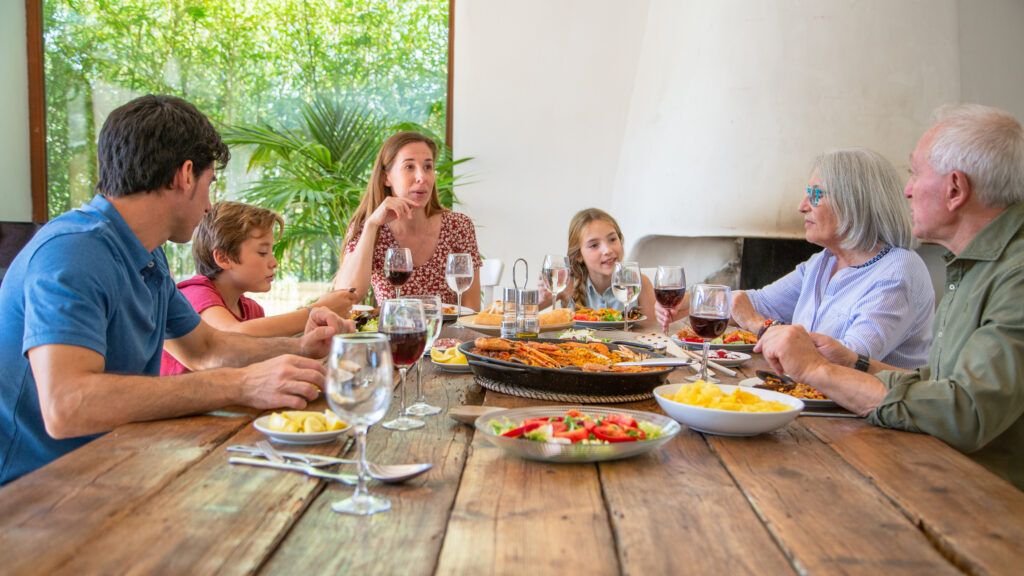
Another custom grounded in community is “sobremesa,” which means “upon the table.” Popular in Spain and throughout Latin America, the centuries-old way of life involves lingering after a meal to relax, savor the moment, and chat — sometimes for hours. “It’s about an interchange of experiences, knowledge, and laughs. It encourages you to be present, not worrying about your troubles, and appreciate the simple moments in life,” Mexico City restaurateur Lorea Olavarri told Food & Wine.
6. Keyif | Turkey
Turkey is famous for its hammam spas, but one of its perhaps lesser-known wellness traditions can be embraced anywhere. Keyif, “an ancient art of meaningful idleness,” is a state of mind focused on finding quiet joy in simple pleasures, per Eastern Turkey Tours. Unlike simply unwinding, keyif involves being fully present and savoring the more subdued moments, from sipping your first cup of coffee in the morning while watching the sun rise to gazing out the window and listening to the birds.
7. Dadirri | Australia

In Australia’s First Nations communities, the art of deep, intentional listening — often called dadirri — is an integral part of cultural preservation, community cohesion, and individual well-being. The ancient practice encourages people to connect with one another and the natural world, according to Aboriginal learning platform Creative Spirits. But it also extends beyond that to encompass self-reflection, contemplation, and an awareness of your origins, purpose, and place in the world. “It does wonders for a person to just be still and listen to someone else talk about their life and how they probably came through things,” late Aboriginal singer-songwriter Archie Roach once said about the importance of mindful listening, per the platform, adding: “You never know what you’ll learn.”
8. Shinrin-Yoku | Japan
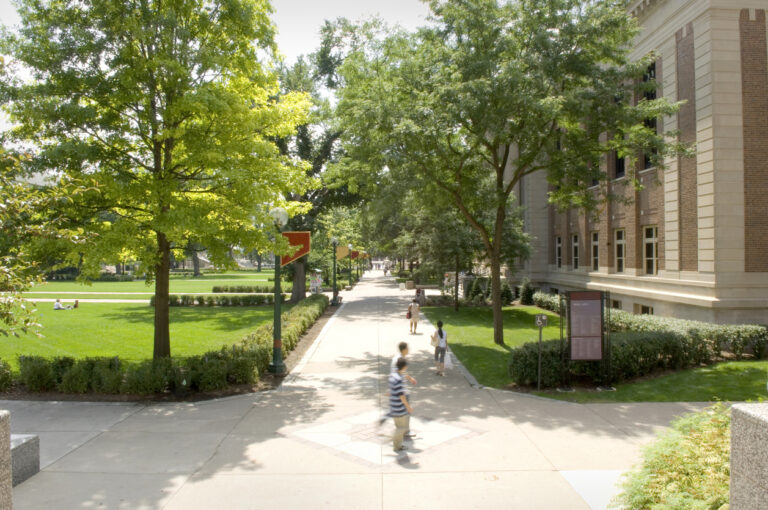
Ample research points to the mental and physical benefits of spending time in nature, and the Japanese tradition of shinrin-yoku, or forest bathing, can help you reap them. Despite the name, there are no bathtubs involved, and even the forest is optional. All it takes is spending some time in a green space and using your senses to take it all in, whether at a botanical garden, city park, or lush woodland. Touch the soft moss, breathe in the fresh air, and listen to the birds as you gaze at the trees. “Forest therapy [can help us] see the truth that we are interconnected and interdependent. It offers us intentional time to be with ourselves, each other, and the natural world,” Regan Stacey, founder of The Forest Therapy School, told Vogue.
9. Friluftsliv | Norway
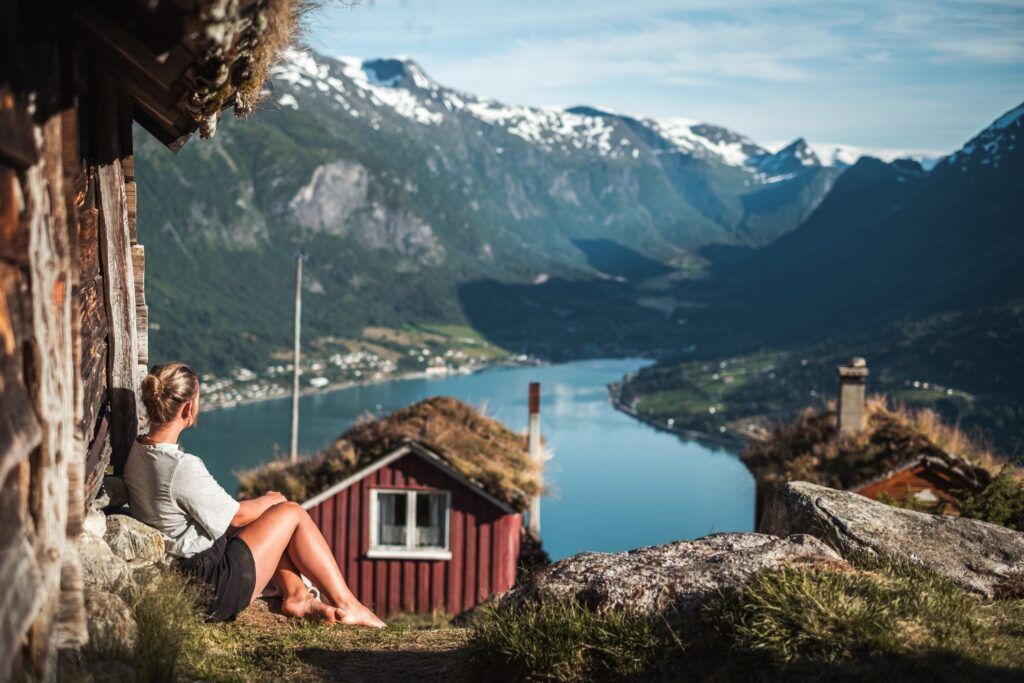
Meaning “open-air living,” this philosophy focuses on connecting with nature year-round, regardless of the weather. Popularized in the 1850s by Norwegian playwright Henrik Ibsen, friluftsliv remains a cultural mainstay throughout Scandinavia, according to the BBC. In fact, many employers in the region build outdoor recreation time into the workday. Although a Monday morning hike may not be realistic for everyone, we can all embrace friluftsliv by setting aside time to venture outside as often as we can.
10. Rhythmic Movement and Dance | Various African Cultures
While not a singular tradition, dance is central to numerous cultures across the African continent and its diasporas. Although often ritualistic or ceremonial, moving one’s body rhythmically to music is also an integral part of everyday life that can foster both community and individual well-being. “Dancing is a full-body workout that benefits both the mind and body,” Liza Osagie-Clouard, orthopedic surgeon and founder of Solice Health in London, England, told British Vogue.
“It improves cardiovascular health, increases flexibility, strengthens muscles, and enhances coordination,” she added. Moreover, listening to music — including the rhythmic drumming that often accompanies traditional dances — can stimulate the release of chemicals like dopamine and serotonin in the brain, helping to alleviate anxiety, enhance mood, and facilitate emotional release.
RELATED: A Connection to Nature Fuels Well‑Being Worldwide, According to a Study of 38,000 People