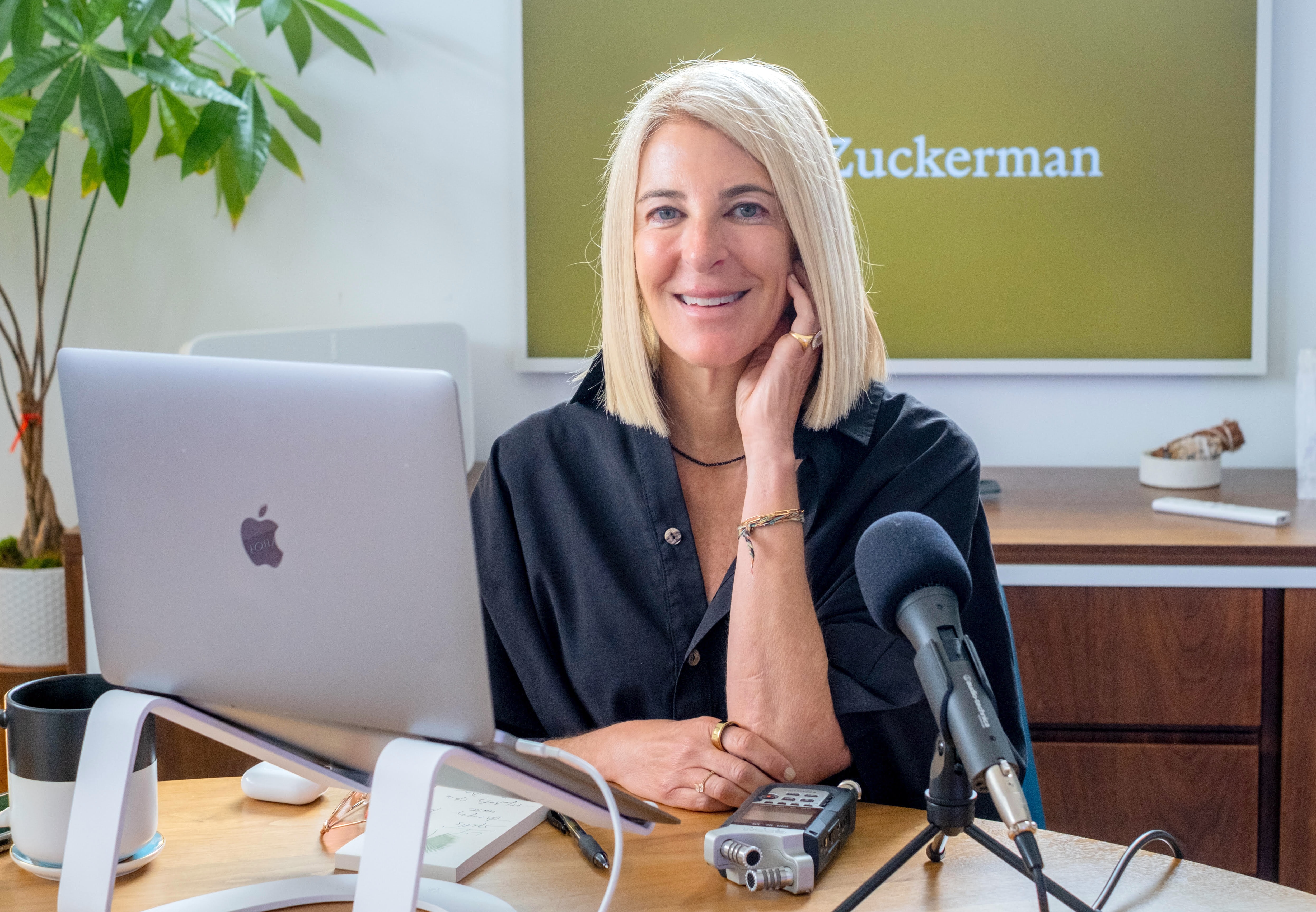
Women’s medicine has long been understudied and underfunded, resulting in a dearth of knowledge around effective treatments for all kinds of symptoms, not least in the realm of menstrual health. Neuroscientist Emilė Radytė confronted this inequity while working with brain stimulation for patients with depression, recognizing that it could also be applied for PMS symptoms — but wasn’t.
“I realized that women had been left behind,” she told Nice News in an email. “The technology being offered to them had been around for more than 50 years. Why couldn’t modern neurostimulation be used for cyclical mood and pain, too?”
So Radytė, who holds degrees from Oxford and Harvard, co-founded Samphire Neuroscience in 2021 to focus on how non-invasive neurotechnology can treat women’s health issues. In 2024, she and Samphire co-founder Alex Cook were named to Forbes 30 Under 30 Europe in science and health care.
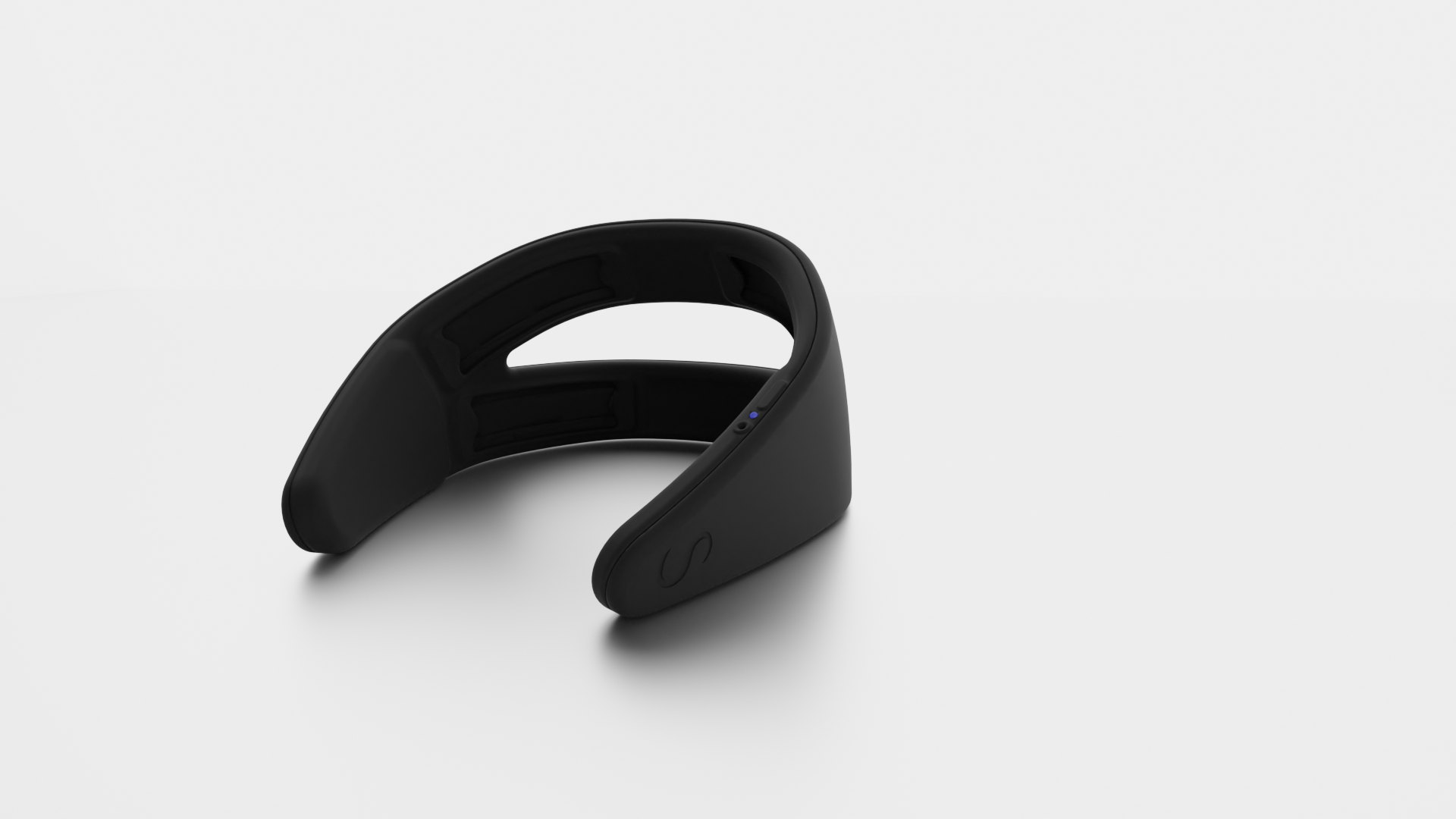
The company’s flagship U.S. product is a drug-free, hormone-free wearable device (think: high-tech headband) designed to be worn for 20 minutes a day. Called Lutea, it delivers gentle transcranial stimulation to support regions of the brain linked to mood, pain, and focus.
“My goal was to create something accessible and routine-ready, and to redefine what serious deep medtech for women can look and feel like,” Radytė said.
Through direct, weak electrical currents, the device targets the prefrontal cortex and motor cortex. The prefrontal cortex is behind the forehead and plays a role in mood, decision-making, and emotional control, while the motor cortex is closer to the middle of the head and involved with how the body experiences pain and physical tension.
The Lutea is meant to be worn in the days leading up to the user’s period or during mid-cycle energy dips. “Most people don’t think of the menstrual cycle as a brain experience … but it is!” Radytė explained, adding: “Hormonal shifts can disrupt how the brain regulates emotions and pain, which is why symptoms like discomfort show up during PMS, menstruation, and perimenopause.”
In the U.K. and EU, Samphire sells a similar wearable under the name Nettle, a medical device approved for the treatment of PMS-related pain and mood swings. In the U.S., Lutea is marketed as a “wellness” product because the regulatory arena is different here. “It is wellness because it is not FDA-approved,” Radytė told Forbes, noting that, for now, “premenstrual syndrome is not a regulated category.”