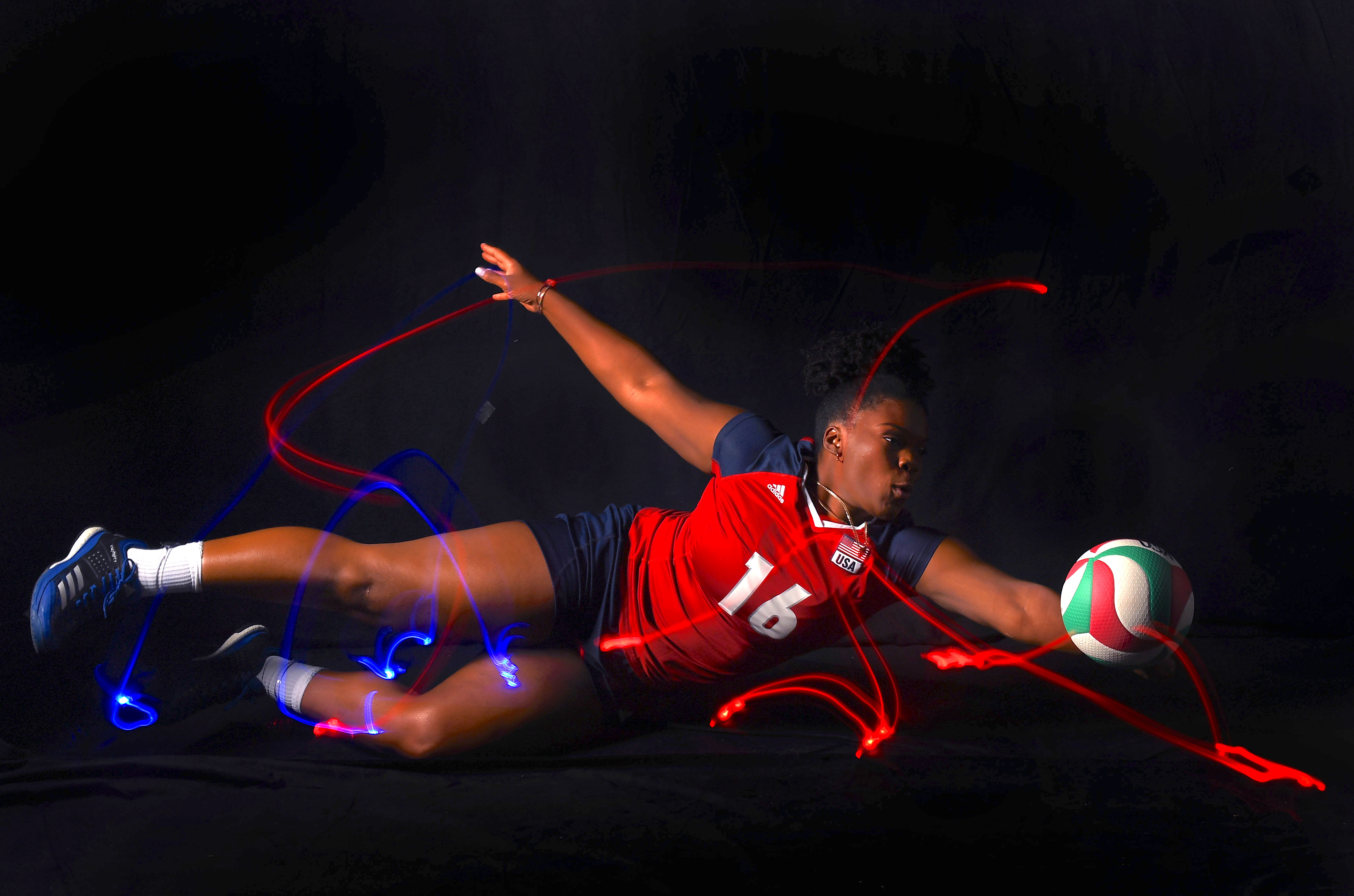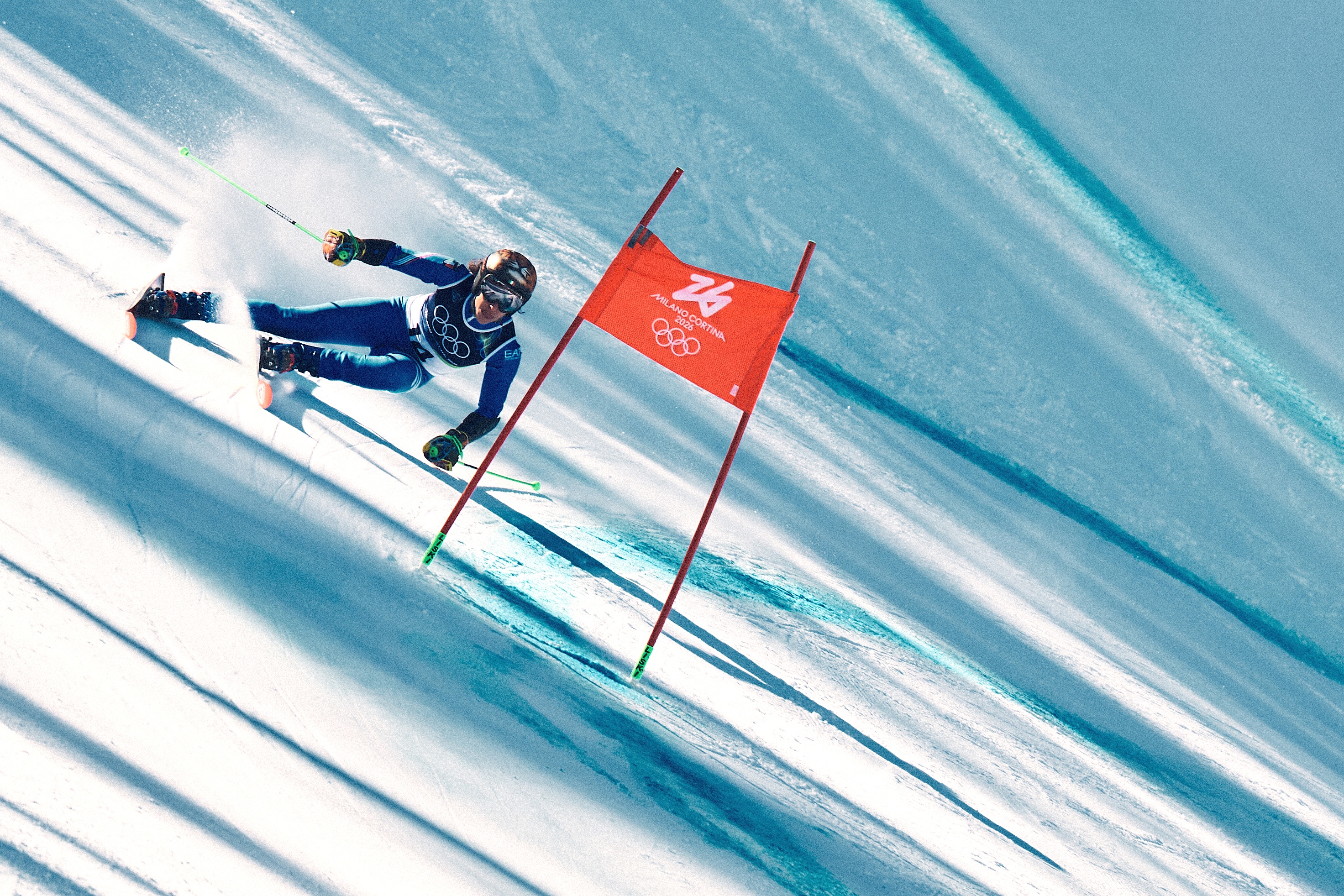
The Winter Olympics in Milano-Cortina were a whirlwind of extraordinary and inspiring stories. From Norway’s overall dominance to Team USA figure skater Ilia Malinin demonstrating remarkable resilience following a devastating defeat and Italy’s Federica Brignone becoming the oldest Alpine skier to win gold (twice) less than a year after a traumatic crash.
Though most of us may not have the genetics required to compete at a world-class level, sport is an incredible mirror for life — and there is so much we can learn from the mindsets, habits, and practices of elite athletes.
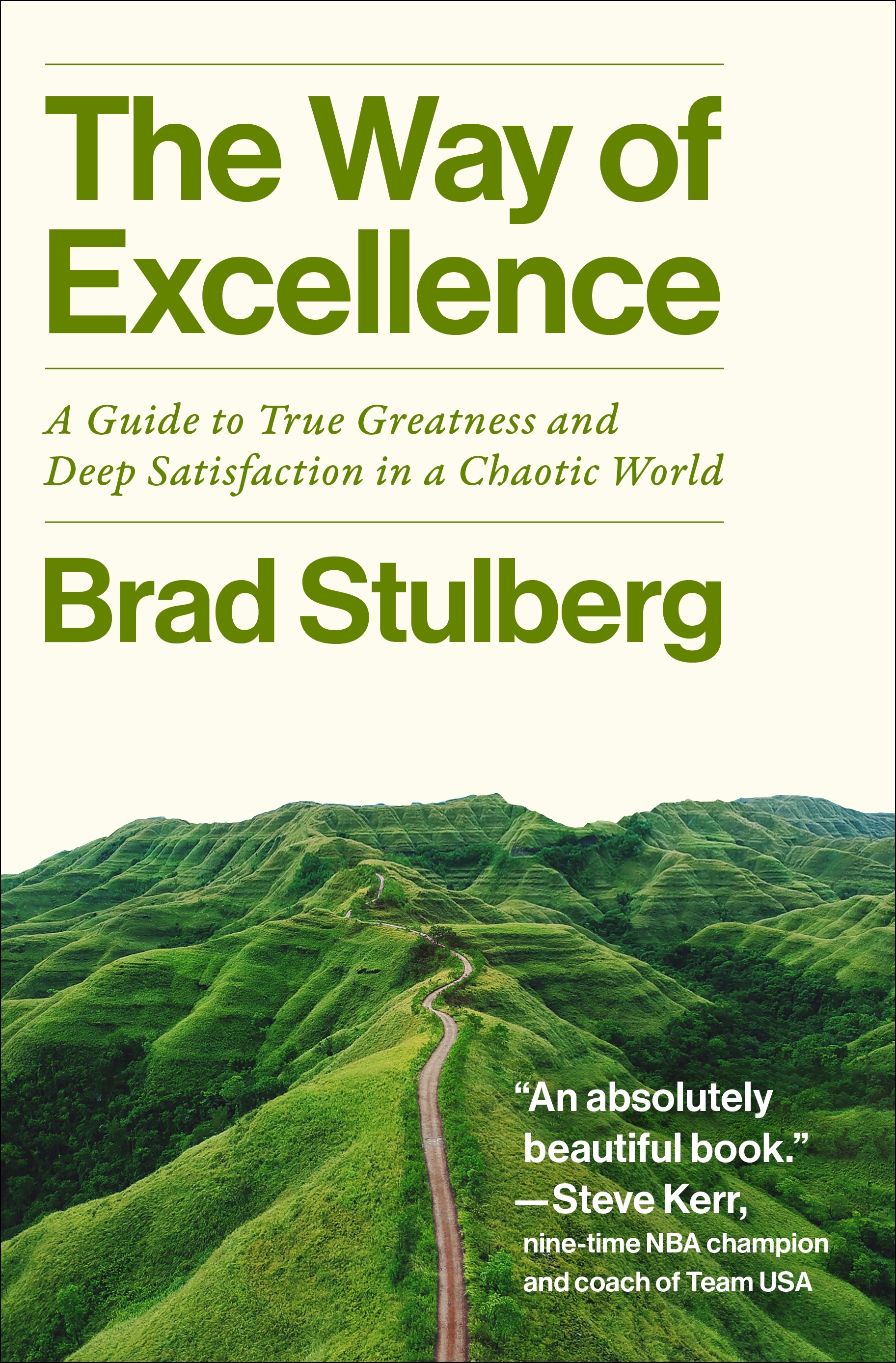
To shed some light, we turned to Brad Stulberg, performance coach and author of the new bestselling book The Way of Excellence. Below, he shares six of the best lessons and mindsets from the book that each of us can apply to our own life, Olympian or not.
– the Nice News team
1. There is no greater illusion than thinking the accomplishment of some goal will change your life. What will change your life is who you become in the process of going for it.
Psychologists call it the arrival fallacy. It describes the fact that even though we convince ourselves otherwise, no outward achievement ever leads to lasting fulfillment. There’s always another mountain to climb, always another goal to chase. It means that we must learn to find satisfaction in the process of chasing our big goals — in the training, effort, and relationships we forge along the way.
When you listen to interviews with athletes who win medals, they almost never reflect on the medal itself. Rather, they speak about the road they traveled to get there, and all they learned along the way.
RELATED: “Excellence Is for Everyone”: Author Brad Stulberg’s New Book Is a Blueprint for Being a Better You
It’s not to say that winning doesn’t matter (it does) or that you shouldn’t want to win (you should). It’s simply that fulfillment is not something that happens on the top of the mountain. It happens on the sides.
2. Caring is cool. You are not going to be the best at anything — including the best version of yourself — with an attitude of nonchalance.
Everyone remembers the kid in school who was too cool to try. In reality, that kid likely lived in a combination of fear and insecurity. Many adults have yet to outgrow this tendency, and that’s a tragedy. Doing big things, let alone living a big life, requires trying hard, risking failure, and caring deeply.
When you hold yourself back because you fear failure or looking “uncool,” you sacrifice growth and potential for safety and comfort. But it’s a trap. A big part of the reason we admire Olympians is because they care so deeply. They risk heartbreak. They step into the arena and lay it on the line. We can strive to do the same in our own lives.
3. Confidence comes from evidence.
Arrogance is loud and comes from insecurity. You’ve got to hem and haw to convince everyone (including yourself) that you belong. Confidence, on the other hand, is quiet. It comes from evidence. If you put in the work and do the training, then when you’re at the start line of a race — be it figurative or literal — you can trust your training.
When I asked several Olympians about confidence, they all told me some version of the same thing: The way to gain confidence is by doing the work to earn it.
4. Consistency is more important than intensity.
Anyone can crush themselves and have a heroic day, a heroic week, or maybe even a heroic month. But that’s not the goal. The goal is to generate a heroic body of work.
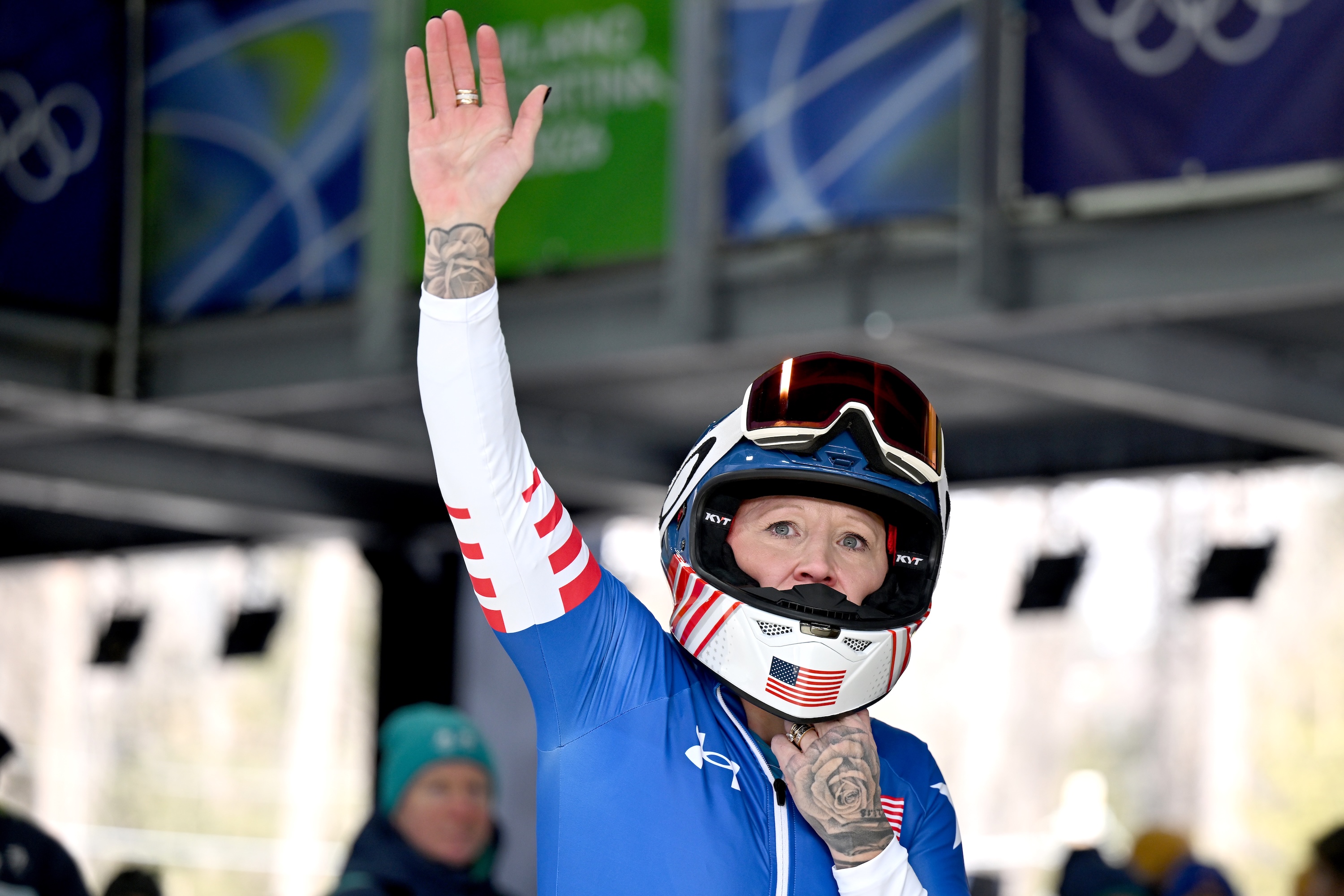
American bobsledder Kaillie Humphries competed in her fifth Olympic games, and added another bronze medal (at age 40!) to her three golds. When I asked her about the key to her longevity, she simply told me, “the bigger the goal, the smaller the steps. I take a four-year training cycle and break it down into years, quarters, months, weeks, and then days. So the key to winning a medal is executing my workout today.”
It’s what a process mindset is all about, and it’s relevant for everyone regardless of our goals: Set a big goal. Break it down into its component parts. Then largely forget about the big goal and focus on nailing the parts. Do that, and the goal takes care of itself.
5. Mental toughness is not about always feeling good. It’s about showing up and giving yourself a chance regardless.
Studies show that Olympians feel the same nerves as all of us. They just get really good at taking them along for the ride and stepping into the arena no less. British World Championship figure skater Lilah Fear told me, “Of course I feel nerves before stepping on the ice. If I didn’t, something would be wrong.”
The lesson for us all: You can feel anxious and still perform at your best; you can feel down and still support a loved one; you can feel insecure and still step into the arena. Your brain is plastic. Your mind is adaptive. You are not fixed. Every time you sit with discomfort, approach challenges, and return after setbacks, you’re building capacity, you’re building mental toughness.
Researchers use a term called self-efficacy: an evidence-based belief that you are capable of showing up, working through challenges, and excelling in highly-charged circumstances. Decades of research shows that individuals who score high in self-efficacy are better able to work through life’s inevitable obstacles.
Here are some ways to practice mental toughness:
- Stay calm in difficult conversations.
- Show up and get started even when you don’t feel like it.
- Face the initial resistance when you sit down to do meaningful work.
- Train for a marathon, powerlifting meet, or some other physical challenge.
- Step into the arena even when you know you could fail.
- Support people during hard times.
- Don’t freak out when things don’t go as you planned.
6. Excellence is not a destination; it’s a process of becoming.
When you pursue excellence, when you give your all to worthwhile pursuits, the real reward isn’t the result. It’s not a bigger deadlift, a faster mile, or a sturdier table. The real reward is that you become a better version of yourself.
If you’re feeling inspired by the Olympic Games, great. Harness that inspiration and use it. The world doesn’t need more mediocrity or going through the motions. The world needs more people putting themselves out there, giving it their all, and pursuing their own versions of excellence. You’ll feel more alive, spread good energy, and contribute to the world.
The Way of Excellence was released Jan. 27. Get your copy here.
When you buy books through our links, Nice News may earn a commission, which helps keep our content free.