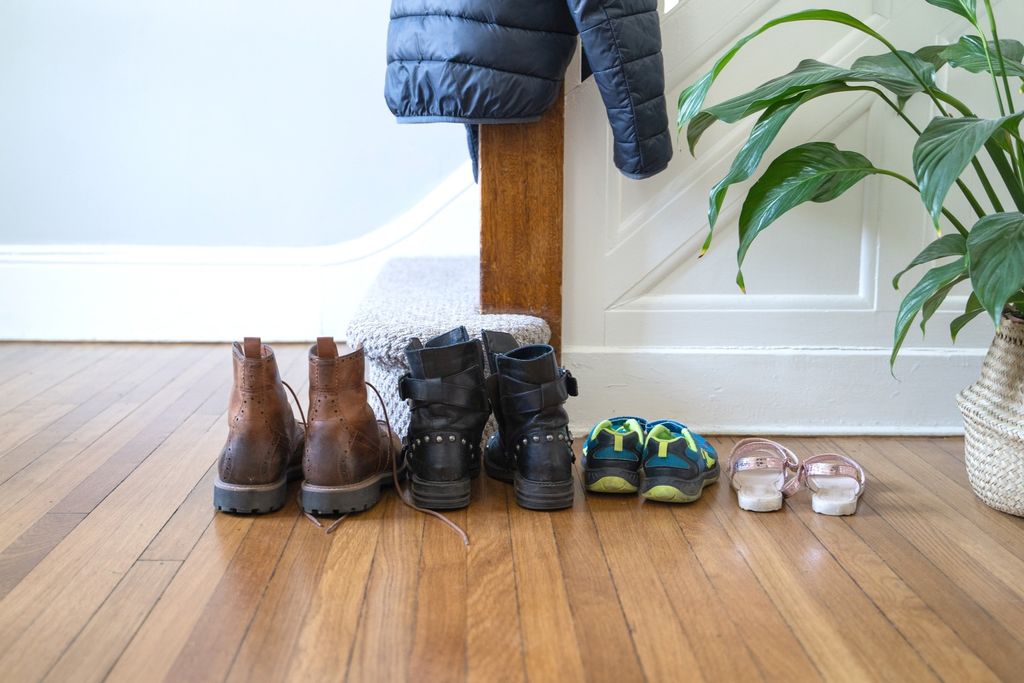
I’m in the habit of kicking my shoes off when I come home, and I respectfully oblige when directed to do so at another person’s house. But I’ve always felt a minor flash of panic in the latter circumstance — as I’m caught wondering whether I’m wearing my good socks or the ones with only a couple miles left on them. For that reason, I don’t require my own guests to leave their shoes at the door.
But recently, after hearing tell of what can hitch a ride on the average shoe, I started wondering if my policy (or lack thereof) deserved to be revisited. So when Nice News’ Managing Editor Natalie Stone pitched a piece to investigate the issue, I jumped in feet first. The thought of a clean home trampled through with outdoor filth certainly doesn’t sound nice, but still, I wasn’t sure whether the practice is actually unhealthy.
I decided to reach out to experts to dig into the science behind the topic. Take a walk with me through my findings — they might surprise you.
What’s on Our Shoes?
You already know this isn’t going to be pretty, but get prepared for some serious ick. “It depends on what you’ve been stepping in, but data indicates that shoes can carry millions of bacteria on them,” Karen Duus, a professor at Touro University Nevada who holds a doctorate in microbiology, explained to Nice News.
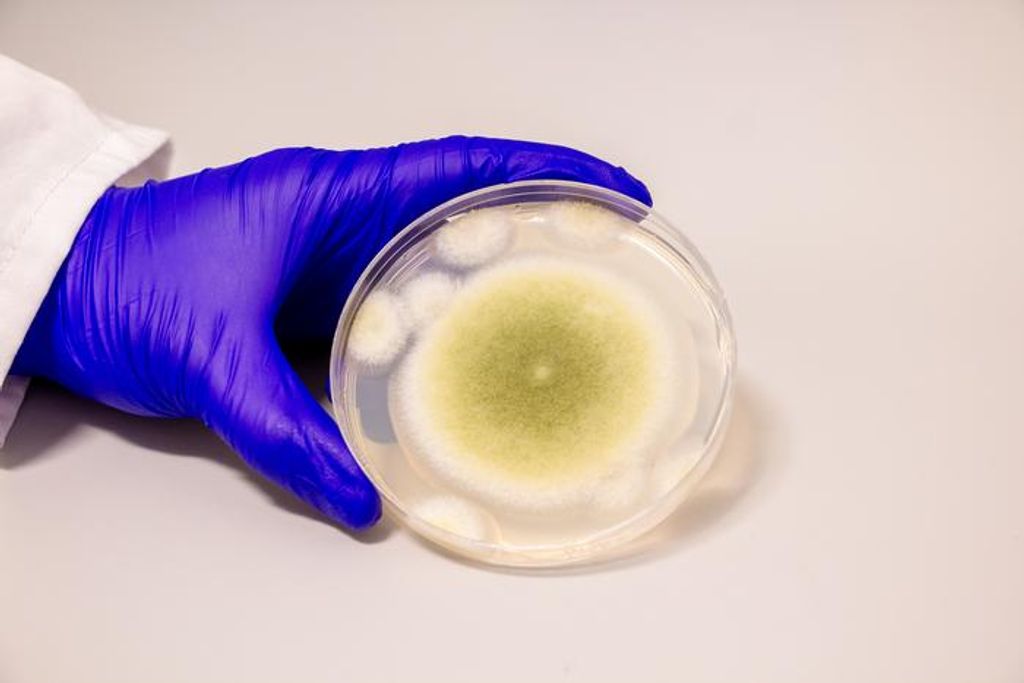
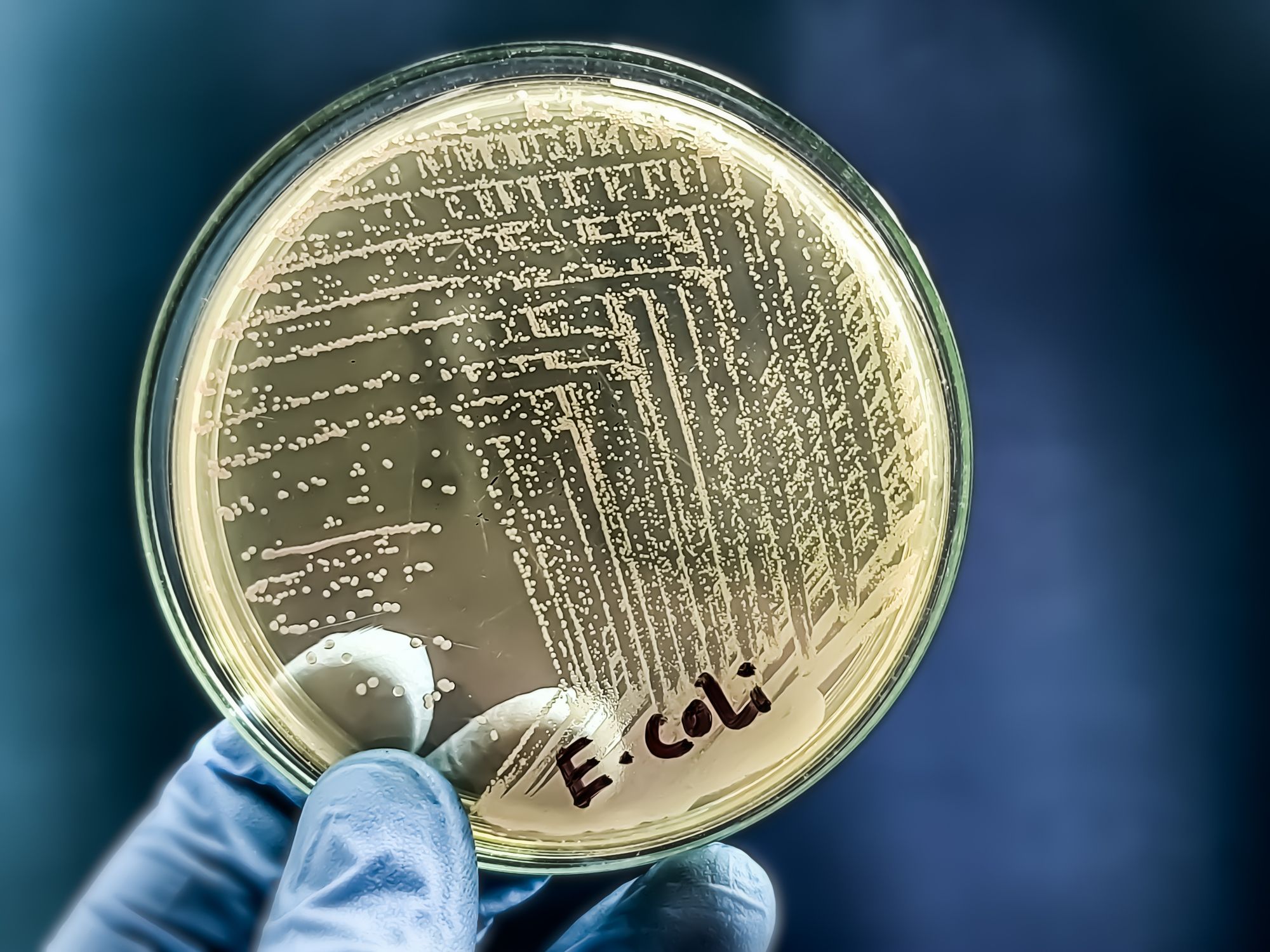
What kinds of bacteria? Well, methicillin-resistant Staphylococcus aureus (MRSA), Clostridioides difficile (C. diff), Klebsiella pneumonia, and Escherichia coli (E. coli), to name a few. In fact, in an oft-cited 2008 study out of the University of Arizona, that last one was found to be present on 27% of the 10 participants’ shoe soles, while coliforms, a bacteria found in soil and in the digestive tracts of animals, showed up on 96%.
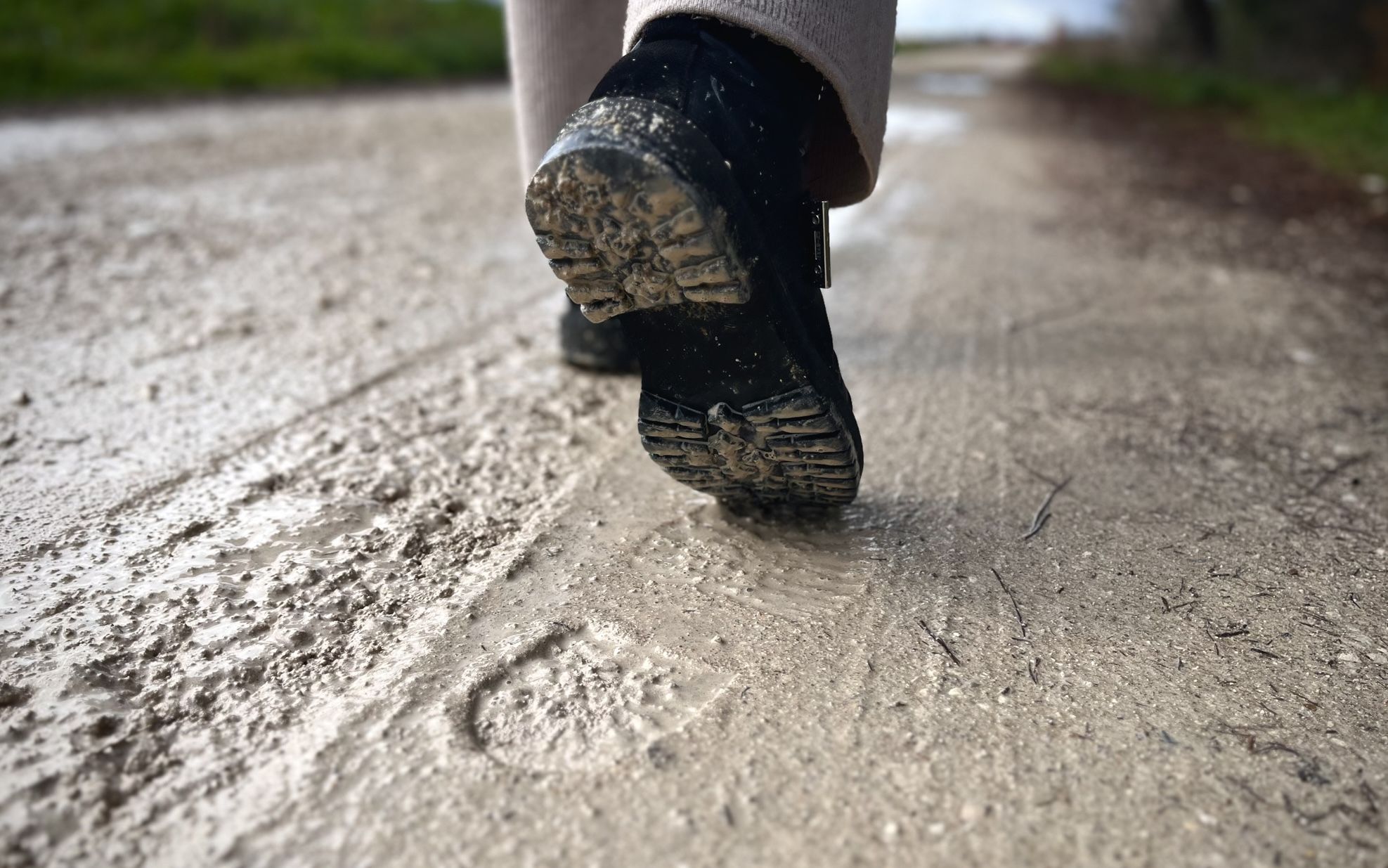
Additionally, a 2016 review identified 13 studies whose conclusions supported the hypothesis that “shoe soles are a vector for infectious pathogens.” Yikes!
And it’s not just germs. “Studies have shown that in urban areas where there are older homes, lead in dust can be tracked into the home on the surface of shoes,” Jill Litt, a professor of environmental studies at the University of Colorado, Boulder, told CNN. “Other studies have shown that you can bring in pesticide residues from gardens via shoes.”
But Can These Trespassers Actually Make Us Sick?
Perhaps you’re thinking, “That all sounds pretty horrifying, but it’s not like I’m eating my meals off the floor.” Here’s the thing: Germs can move around, so what starts under your feet may not stay there. So, since these pathogens can travel and linger, doesn’t that mean they can make their way inside our bodies? While the answer is yes, according to Geny Augustine, a family medicine physician at Solace Health — in this case, it’s all about quantity.
“I remind my patients that despite the bacterial content our shoes can carry, from E. coli to C. difficile, the real issue is not what’s there: It’s how likely it is to make you sick,” she told Nice News. “And for the vast majority of healthy households, that risk is vanishingly small. The average shoe picks up the sorts of microorganisms any kitchen floor or doorknob would, and for those to make you sick, they would need to reach your mouth or an open wound in sufficient quantity, and that almost never happens.”
Jack Gilbert, a professor of pediatrics at the University of California, San Diego, and director of the institution’s Microbiome and Metagenomics Center, shares the same line of thought.
“There is absolutely no evidence that links wearing shoes indoors to worse health outcomes in the occupant population,” he explained in an email. “That does not necessarily mean that you cannot find rare anecdotal stories where someone tracked a bad bug into a house and that resulted in an isolated infection (although I have never been able to find one that could definitely prove the causation). But basically, the reason to take off your shoes is to stop getting your floors dirty, because cleaning is a pain.”
In fact, he noted there may even be a good reason to keep those sneaks on your feet: “The alternative hypothesis is that shoes indoors tracks good microbial exposure into the home, and we do have some evidence that this occurs,” Gilbert said, “but [it’s] still hard to prove causation.”
Gilbert and Augustine’s take is also the expert consensus in a 2019 New York Times article. Lisa A. Cuchara, a professor of biomedical sciences, stressed to the outlet that when it comes to E. coli — borne from, ahem, fecal matter — on shoes, “for most healthy adults, this level of contamination is more of a gross reaction than a health threat.”
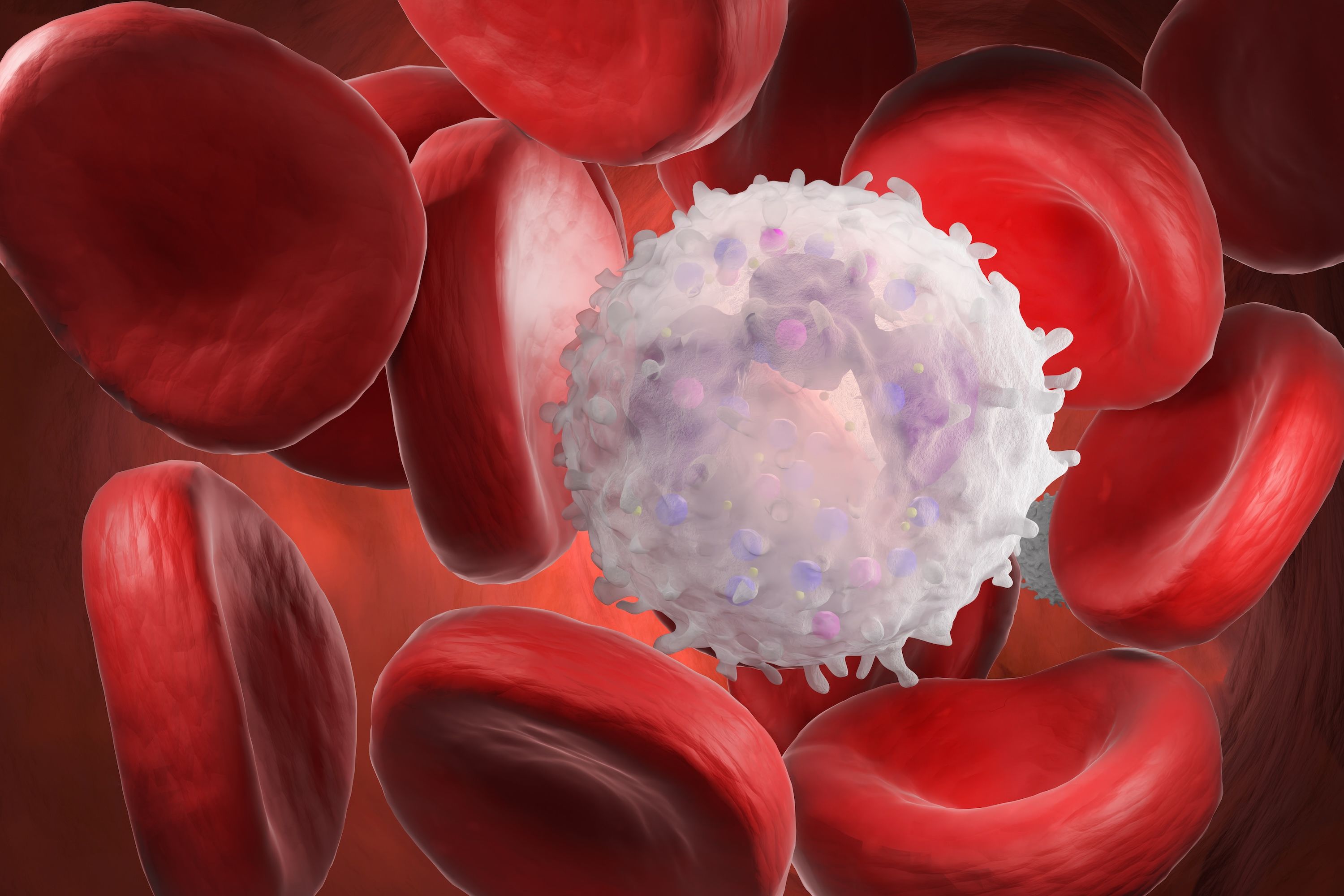
A digital rendering of red and white blood cells
The phrase “for most healthy adults” is key, though. And no one knows this better than Duus, who, in addition to teaching immunology, is herself immunocompromised due to a past stem cell transplant. The procedure left her extremely vulnerable to infection, and opened her eyes about the risks all around her.
She acknowledged that those with regularly functioning immune systems likely won’t catch anything by allowing guests to wear shoes indoors — and may even benefit from the small levels of microbial exposure, as Gilbert suggested. But it stands to reason that those who are immunocompromised could be susceptible to such small amounts.
“And that’s a lot of people when you start to think about it, right?” Duus said, pointing out the many individuals who are going through cancer treatment, have had a major organ transplant, or are living with a disease like HIV, for example.
Additionally, those prone to allergies may also want to play it safe — shoes can track in things like pollen, which can easily get kicked up and moved around.
What About Kids?
This is where it gets into more of a gray area. “For little ones, hand to mouth is one of the primary ways children get exposed to toxic substances and infectious disease agents,” Litt told CNN. But is that exposure to what’s on the bottom of our shoes always a bad thing?
“We know from something called the hygiene hypothesis that the more sterile the environment — the cleaner the environment the child is raised in — the more likely they are as adults and adolescents to get autoimmune diseases, allergic diseases, things like asthma, eczema,” Amesh Adalja, senior scholar at the John Hopkins Center for Health Security, previously explained to Vice.
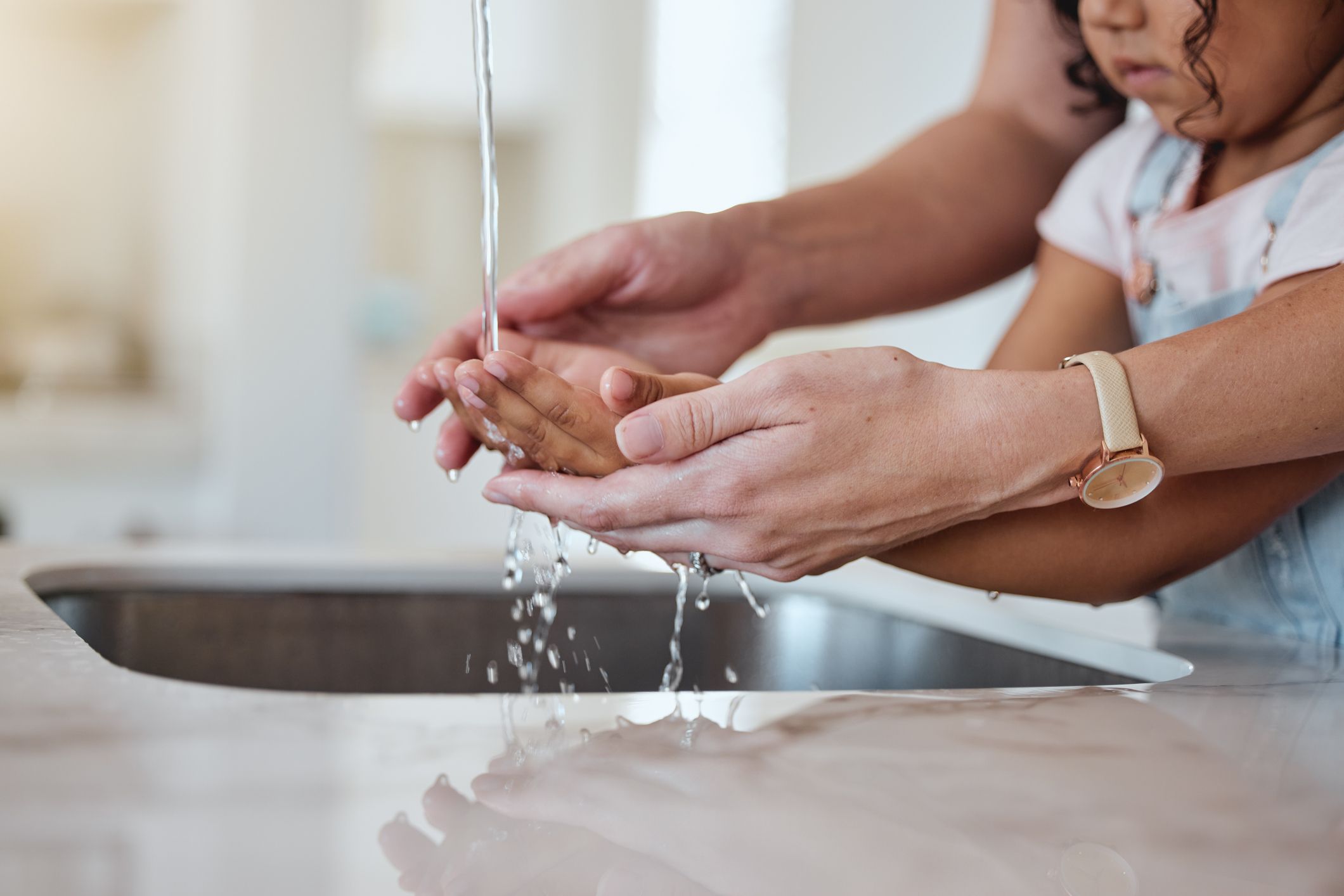
But ideas on the hygiene hypothesis, which was first developed decades ago, are changing (as is often the case with science), so it’s critical to teach your children about proper handwashing and consult your pediatrician before making any decisions about what’s healthy or unhealthy for them.
For her part, Augustine told Nice News she recommends that families with little ones follow a no-shoes indoors rule.
Final Thoughts
The issue of whether you should ask guests to remove their shoes in your home seemingly comes down to four main factors: whether or not you have kids; whether or not there are allergy-prone or immunocompromised family members; how often you feel like cleaning; and how high your “yuck” threshold goes.
As for my own personal policy? I plan to continue to let my guests do as they please with their footwear, but will mop my floors after shindigs — and maybe buy some new pairs of socks.