In December, we went back in time to learn how skiwear has evolved over the years — and when it comes to the history of Winter Olympics fashion, you may notice some common threads. Athletes today tend to don designer ’fits, with the 2026 Team USA crop sporting opening and closing ceremony uniforms from Ralph Lauren. But much like with general skiwear in decades prior, Olympic styles of choice were far more muted and less practical for advanced maneuvers.
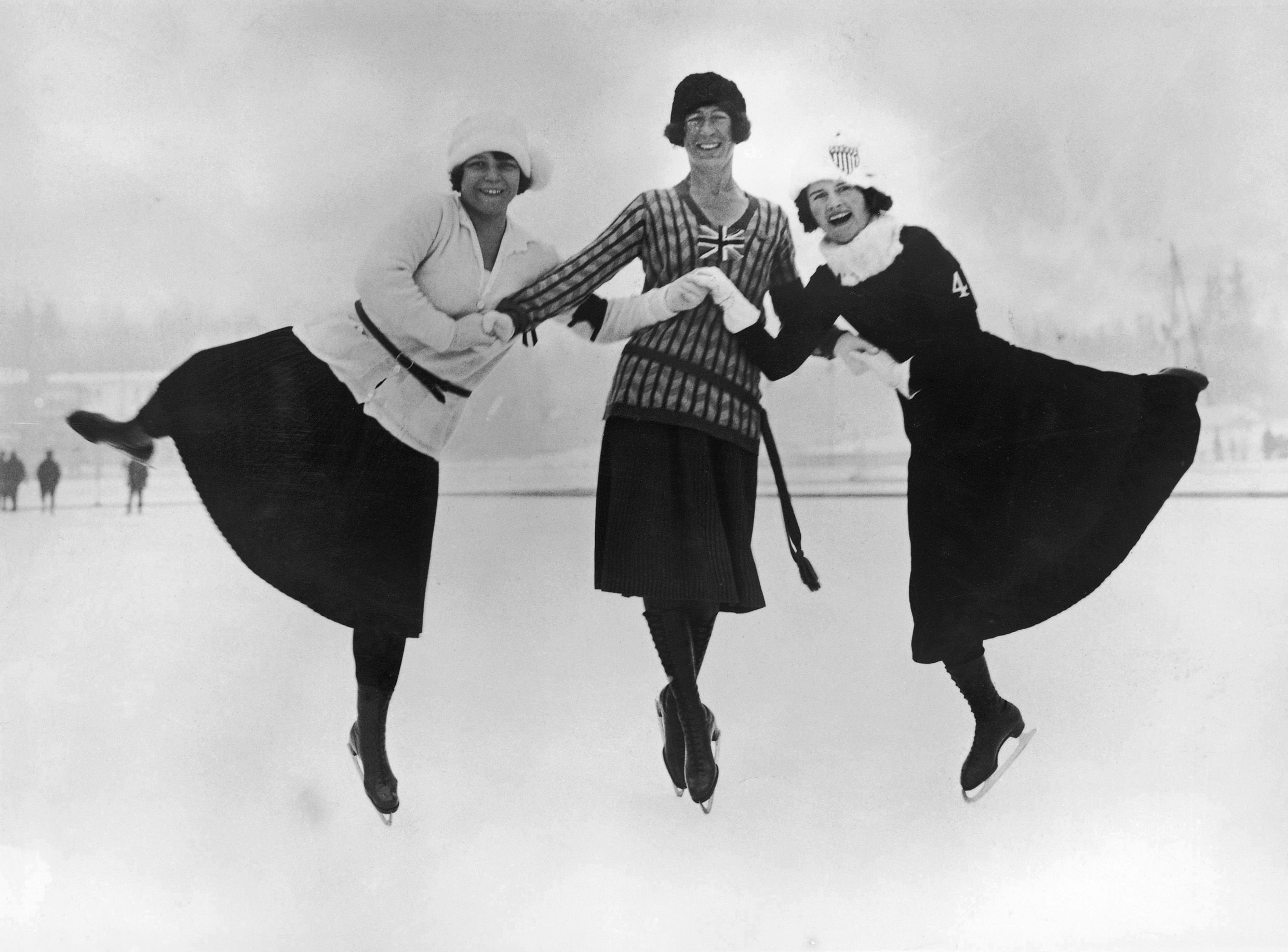
Figure skaters at the 1924 Winter Olympics
In fact, many of them were remarkably similar to everyday clothes. The first Winter Games, held in 1924, saw British curlers wearing sweaters and jackets with ties and caps; bobsledders in wool cable-knit sweaters; and the first ski jumper to win a gold medal decked in loose trousers tucked into socks. While some pieces displayed an athlete’s country or colors, few uniforms offered obvious markers of nationality — many simply showed their representation through badges.
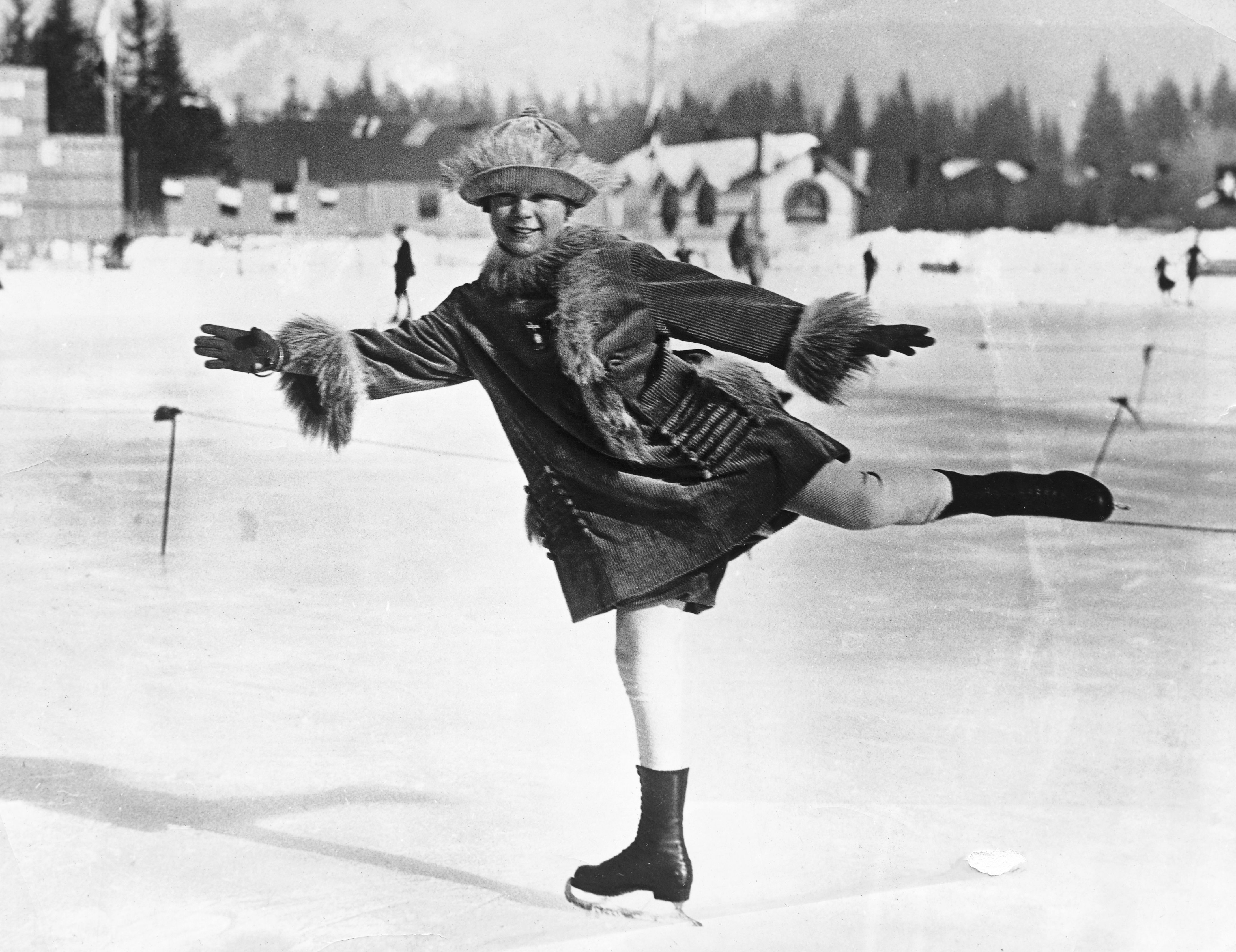
Sonja Henie
However, a trendsetter emerged during the 1928 Winter Games: At 15 years old, Norway’s Sonja Henie became the youngest Olympic ice skating gold medalist, but she’s also credited as the first Olympian to wear above-the-knee skirts for ease of movement. She paired them with white skating boots, a trend that’s continued to this day.
Fast forward to the ’40s and ’50s, and outfits became a whole lot more stylish. In 1948, American speed skaters displayed their nationality prominently in Switzerland by wearing sweaters that said “U.S.A.” in big letters. Then in 1956, Team USA showed off designer outfits for the Winter Games’ Parade of Nations in Melbourne, which included Bonnie Cashin wool coats for women and Pendleton Woolen Mills jackets and shorts for men. In an article from the time, Women’s Wear Daily even noted that “the uniform gave the American team an edge in the competition.” Norway, on the other hand, debuted its first winter team sweater from Dale of Norway that year, featuring the country’s flag.
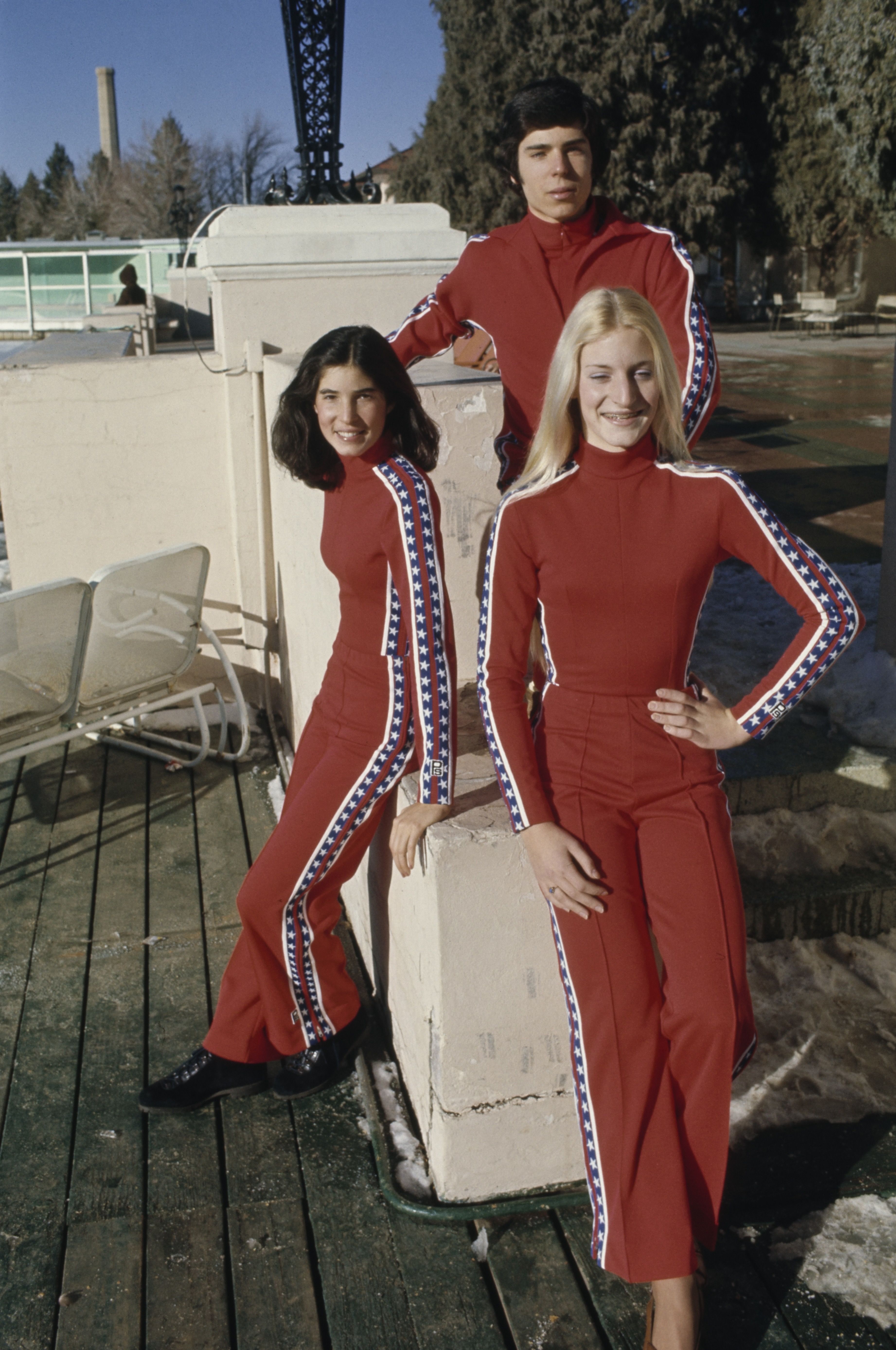
Figure skaters at the 1976 Winter Olympics
Designers began to pounce on the opportunity to spotlight and license their brands, showcasing brighter colors, more fitted apparel, and more practical materials. The American looks for the 1976 Games in Colorado Springs, Colorado, were created by none other than Halston, an iconic designer associated with the glamour of Studio 54. While they were more toned down than some might have liked, they still featured flared pants and red leisure suits with fitted tops for figure skaters — which, Halston told Women’s Wear Daily that year, “would bring the members from the hamburger stand to a black-tie party.”
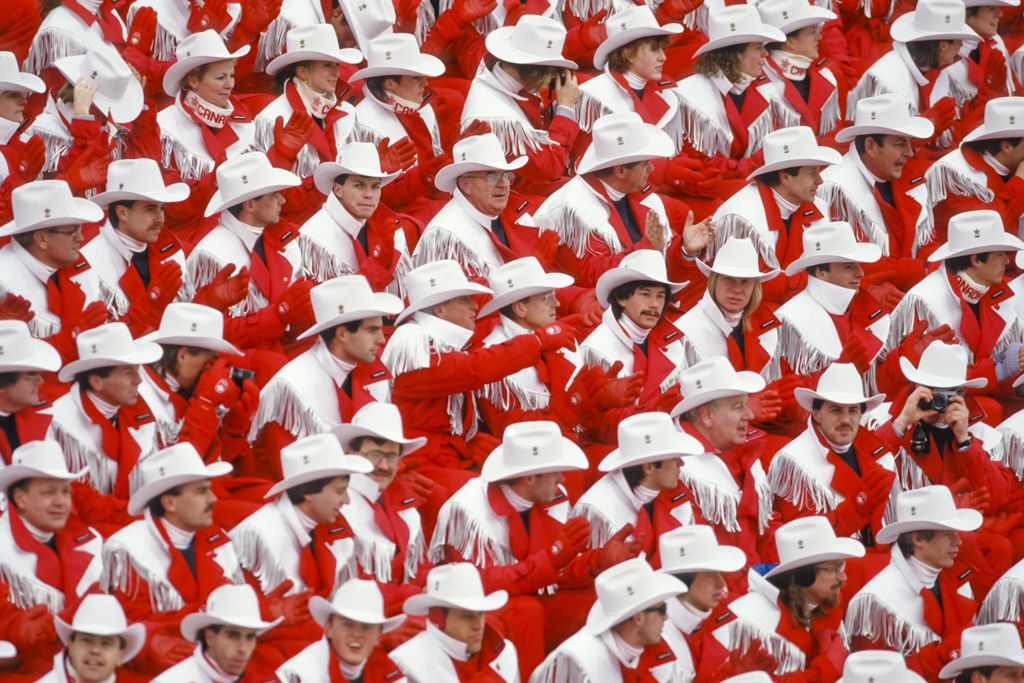
Things took a turn when Levi Strauss & Co. dressed the athletes up for the 1980 and 1984 Winter Olympics. The American team flaunted cowboy boots, white cowboy hats, jeans (of course), sheepskin jackets, and other western-style pieces. Soon after, for the 1988 Games, Canadians also embraced frontier-inspired fashion by donning fringed coats and white Smithbilt cowboy hats, a symbol of hospitality in Calgary. Americans, however, switched things up: They sported athletic ensembles from Adidas, a trend that continued in 1992 with designs from Reebok.
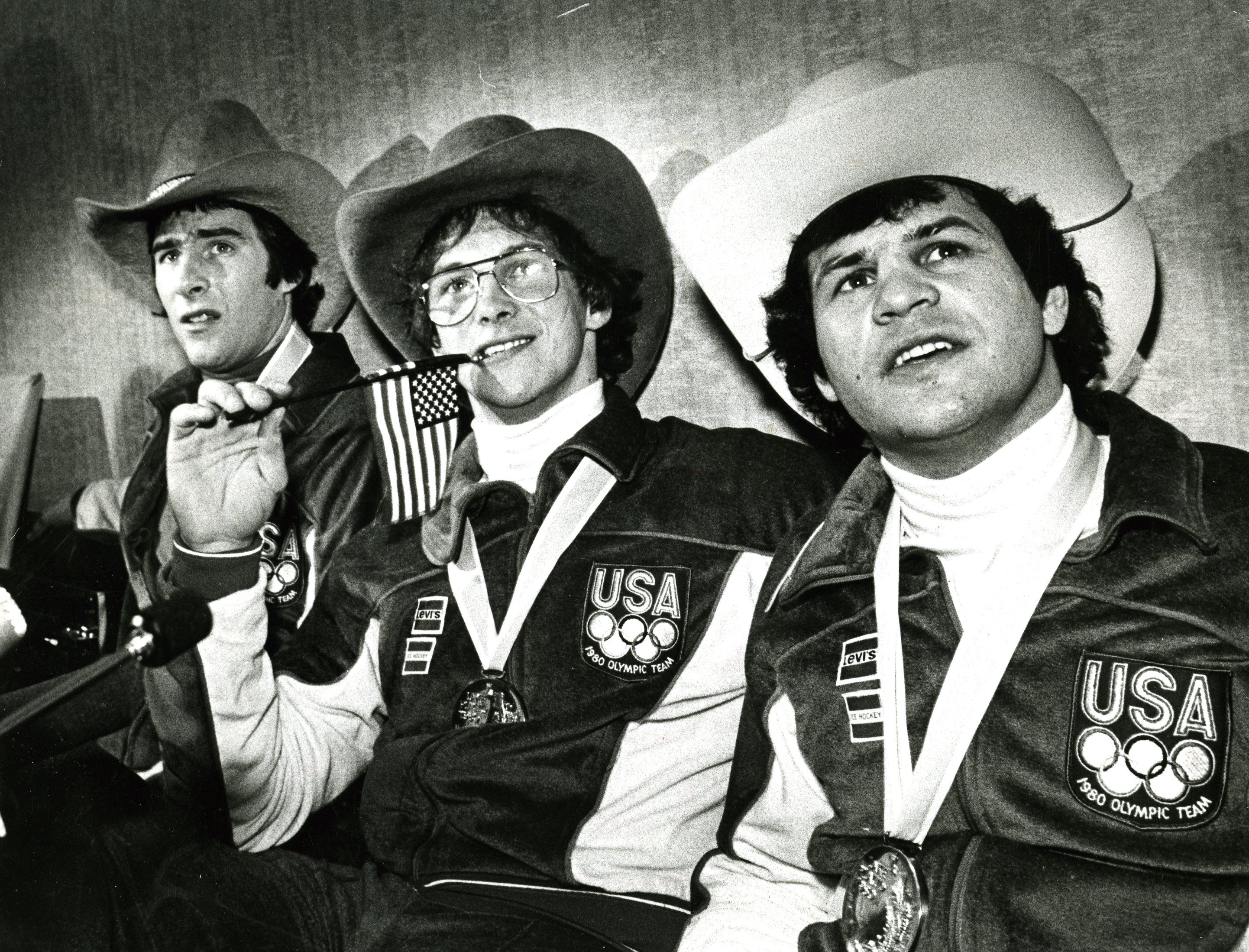
Team USA hockey players after the 1980 Winter Olympics
It was for the 2008 Beijing Summer Games, however, that Ralph Lauren first teamed up with the United States Olympic Committee to create the looks for its athletes — a partnership that has endured ever since. Ten years later, the label created a groundbreaking parka for the 2018 Winter Games that used a heating system to provide 11 hours of warmth to athletes. Now the official outfitter of the U.S. Olympic and Paralympic teams, the brand celebrated 10 consecutive Games and nearly 20 years of dressing Team USA in 2025.
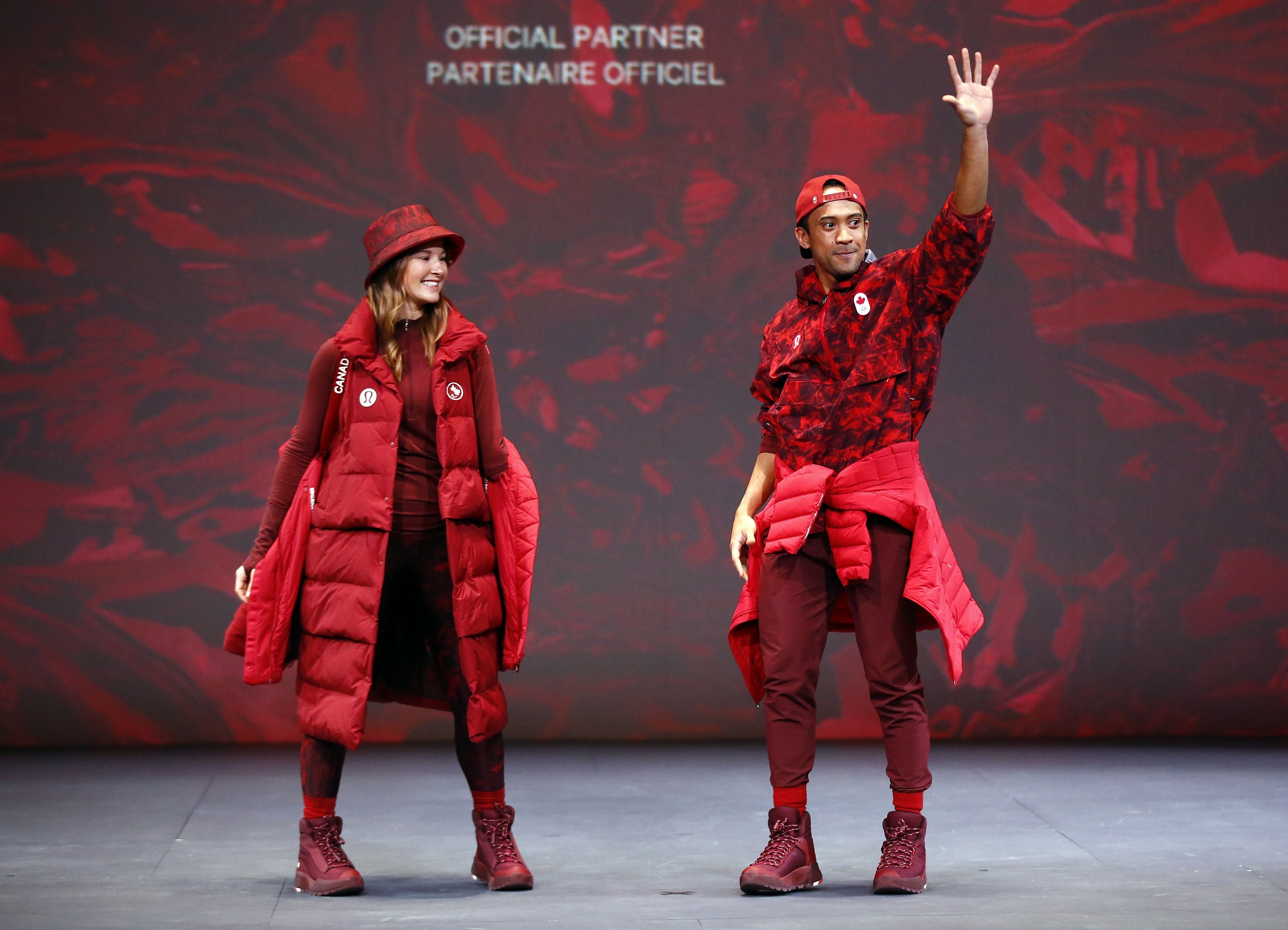
Team Canada in Lululemon ahead of the 2022 Winter Olympics
As for other countries, many of their 2026 outfitters are similarly recognizable. Lululemon is dressing Team Canada for its third Games in a row, Adidas is partnering with Team Great Britain, and Armani is working with Team Italy.
The 2026 Games are guaranteed to feature some incredible moments, with 2,900 athletes competing in 16 sports across 116 medal events. But make sure to keep an eye on the outfits, too — per the Olympics official Facebook page, this year’s competition could be “the most stylish Games” yet.
RELATED: New Materials, Old Physics — The Science Behind How Your Winter Jacket Keeps You Warm