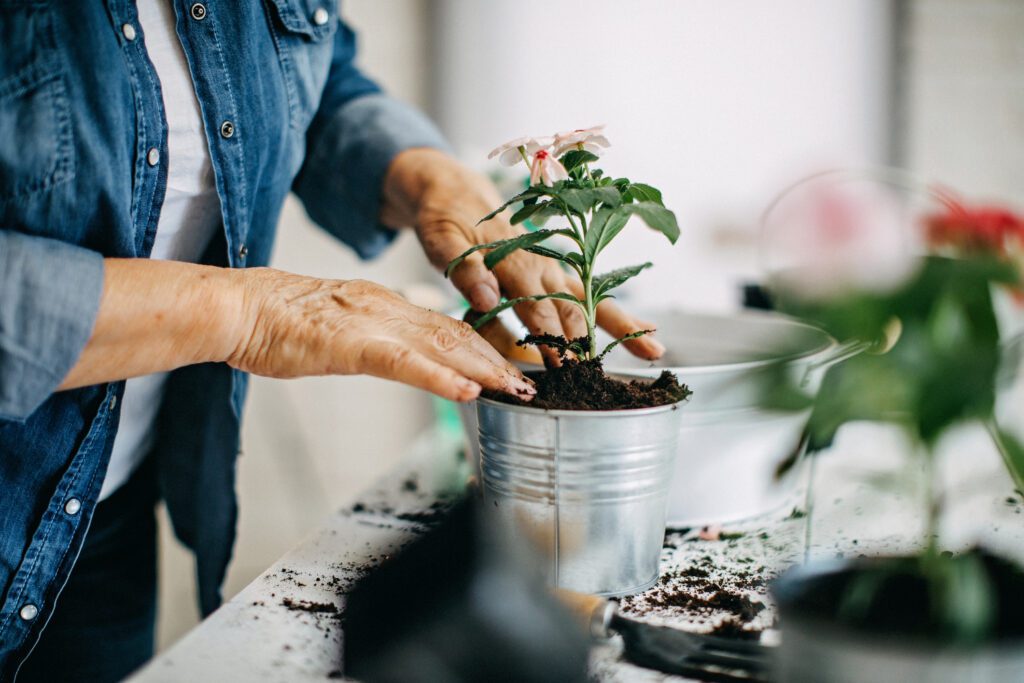
What do your Monday mornings look like? Whether you hop out of bed 15 minutes before your first meeting and chug a cup of coffee, or rise with the sun to exercise and complete a 10-step skin care regimen, chances are you have some kind of routine in the a.m.
Many of these steps — like brushing your teeth and gratitude journaling — are beneficial to well-being. “Routines can help us care for family members and pets, support exercise and nutritious meals, connect us socially, and set us up for productive days,” Megan Edgelow, an associate professor in health sciences at Queen’s University in Canada, told Nice News. “Including important and enjoyable activities in routines can ensure that we regularly do leisure and social activities, which are strongly linked to overall well-being.”
But routines themselves can actually boost mental health as well. Join us as we share Edgelow’s tips for constructing your ideal regimen and unpack the mental health benefits of creating some structure in your day. And if you identify more as the spontaneous type, there’s room for you here too — she also offered some sage advice on how to craft routines that are helpful without being restrictive.
Maintaining Consistent Routines May …
Reduce Stress
Routines can bolster our mental health by “reducing the stress that can be associated with daily activities, making regular tasks habitual and easier to complete,” Edgelow said, adding, “When tasks are routinized, we may worry less about remembering to complete them or how we will fit them into our schedules.”
Research backs this up: A study conducted on the effects of the COVID-19 pandemic found that maintaining routines may lead to higher emotional well-being in children and lower anxiety in parents. Edgelow also noted a way that keeping daily patterns can help those with or without kids: “At the end of the day, preparing for the next day by planning our schedules, doing meal prep, and choosing clothing can reduce anxiety about the next morning.”

And benefits seemingly extend back to our earliest days — one study found that 1-month-old babies with regular routines showed reduced anxiety levels during their school-age years over a decade later. Routines might also help people cope with performance anxiety in both private and public environments, suggested another paper that sang the praises of rituals.
Improve Sleep
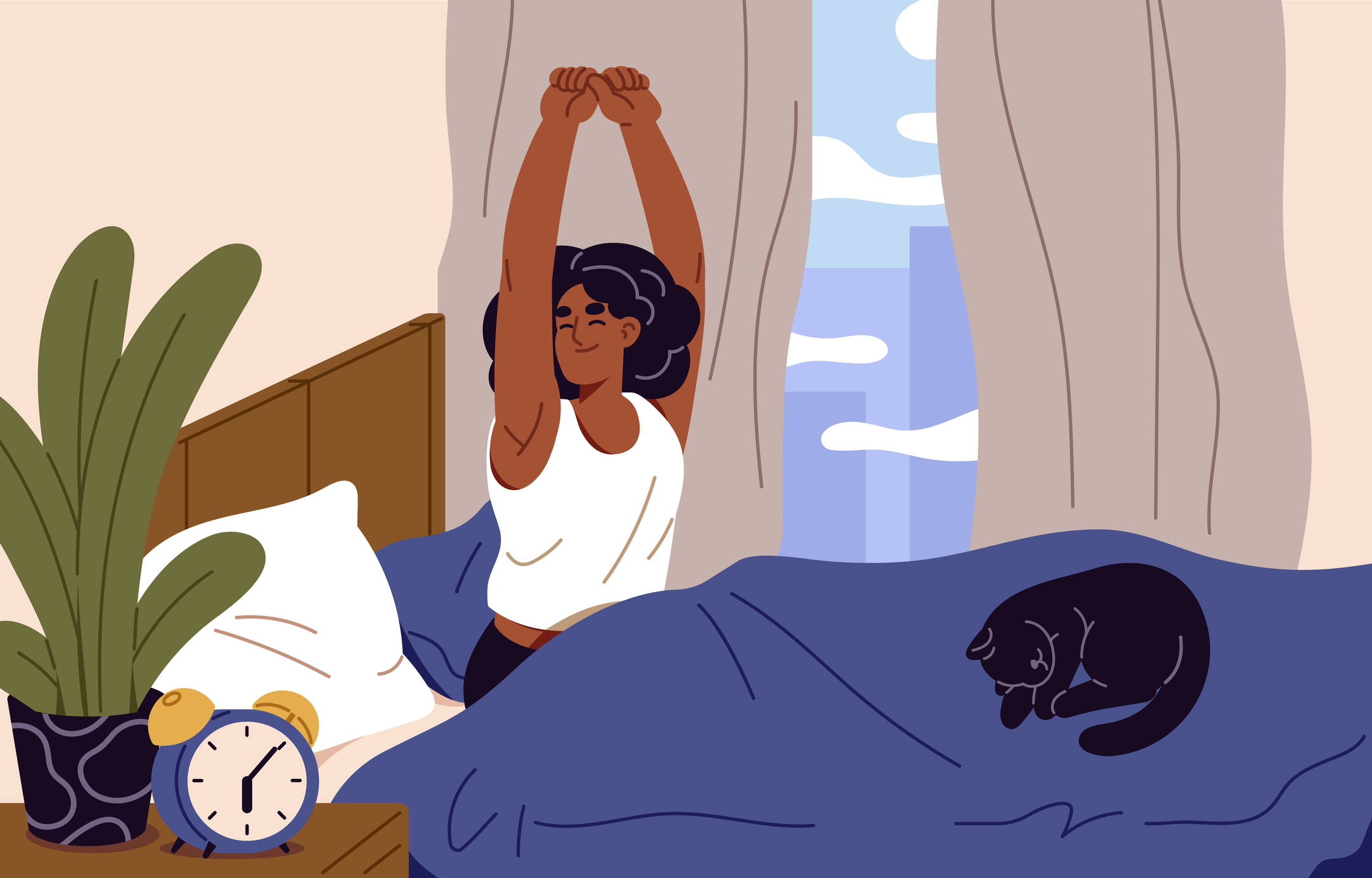
Nighttime regimens that involve activities like taking showers, drinking uncaffeinated tea, and reading in bed may help you fall into a relaxing slumber. But you might be surprised to learn that daytime routines may also positively impact your sleep. They’ve been associated with lower insomnia rates, less time falling asleep, higher sleep efficiency, and improved sleep quality in older adults.
In a study that evaluated participants with similar activity levels, researchers found that compared to solid sleepers, those with insomnia performed their activities with less regularity — suggesting that daily routines can help regulate our biological clocks. And when it comes to our sleep and wake times specifically, a 2025 paper suggests that consistency can improve mental health.
“Going to bed around the same time and getting up around the same time every day is strongly suggested by most sleep experts and health organizations,” Edgelow agreed.
Enhance Cognitive Function
According to research Edgelow cited, following a pre-determined set of tasks may enhance cognitive function by freeing up room in your brain for more creativity — which we already know is good for your mental health. “Having regular habits supports cognitive function by reducing the energy needed for recurring tasks, which can reserve focus and creativity for more complex tasks,” she said.
There’s also some evidence that it may help us become more resilient. Another study analyzing people during the pandemic suggested that maintaining daily routines could benefit cognitive adaptation: our ability to adopt varying problem-solving strategies when different situations arise.
On the flip side, it also found that daily routine disruptions predicted a lower coping ability and a higher risk of anxiety and depression. In an earlier paper, participants whose daily routines were more disrupted reported greater distress when experiencing poor health or negative events than those who favored sticking to their habits.
How to Create Routines That Stick
Release Limiting Beliefs
If you want to reap these mental health benefits, but doing the same daily activities sounds like a drag, don’t toss out the idea of routines entirely: Edgelow explained that they’re not one-size-fits-all. “The beauty of a routine is that everyone gets to design their own and consider what is most important to them,” she said. “If unexpected life events or seasonal changes to activities derail routines, they can always be adjusted as needed.”

She advised organizing tasks based on which type of day you’re having — for instance, workday habits might differ from weekends. “Personally, on weekdays I get up early to exercise, because I know I won’t have the time or motivation to do that once the business of my workday hits,” Edgelow said, adding, “However, on Saturdays, I like to have a slower start to the day and often spend the morning drinking coffee and catching up on reading. And on Sundays, I usually take a long walk with my husband to start the day.”
And for the creative types out there, Edgelow noted that even certain artists work best when sticking to a regular regimen: “Famous writers have often spoken about their writing routines, and although some are less conventional, they often follow a pattern.”
Customize to Your Heart’s Content
When you’re ready to get started, begin by asking yourself some specific questions to home in on your goals. Whether you want to improve sleep, boost physical fitness, become more organized, or spend more time with friends, “each of these goals will require different routines,” Edgelow said.
Then, think about what could hinder you from sticking to it. “Do you need support with some responsibilities so that you have more time available to yourself? Is there equipment or materials that your new hobby or activity will require? Are there times of day that will be better for you to participate in activities [than] others?” Edgelow prompted. “Consider eliminating barriers before you start the routine so that your chances of success are higher.”
Once you’ve nailed it down, start with small, achievable steps, then build on them over time so you don’t get discouraged early on. If your goal is to exercise before work, for example, but you’ve never been a morning person, instead kick it off with a manageable physical activity like a neighborhood walk or bike ride.
“Start once a week and try to build up to a few times a week,” she said. “Invite a friend or loved one to join you or, at the very least, cheer you on. Over time, you might build from this foundation to those gym visits and have a much greater chance of success.”
RELATED: How Positive Self-Talk Boosts Mental Health, and Strategies for Putting It Into Practice