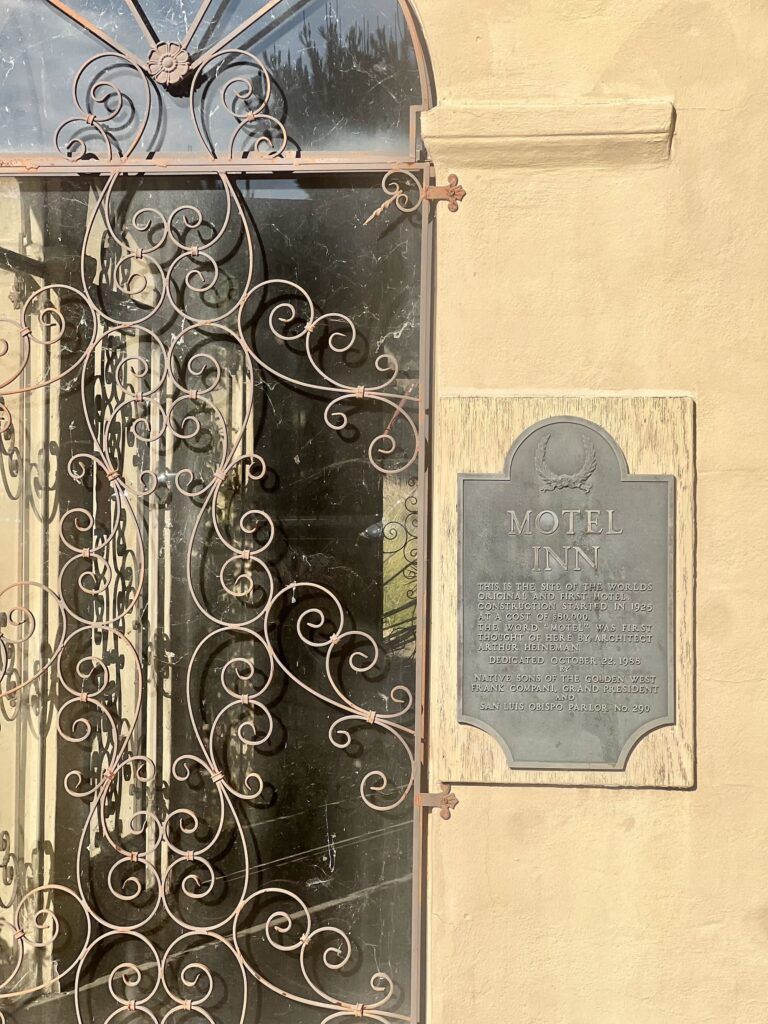
Just off U.S. Highway 101 in San Luis Obispo, California, roughly halfway between Los Angeles and San Francisco, is the site of what’s considered the world’s first motel — and also of what might be the start of something entirely new.
The Milestone Mo-Tel, developed by architect Arthur Heineman and later renamed the Motel Inn, opened in December 1925 as a novel overnight pit stop. Guests could drive right up to their rooms and sleep in a bed for about a buck per night, the equivalent of around $24 today. Legend has it that the original plan was to call it the Milestone Motor Hotel, but a painter couldn’t fit all the letters on the sign, and the word “motel” was born.
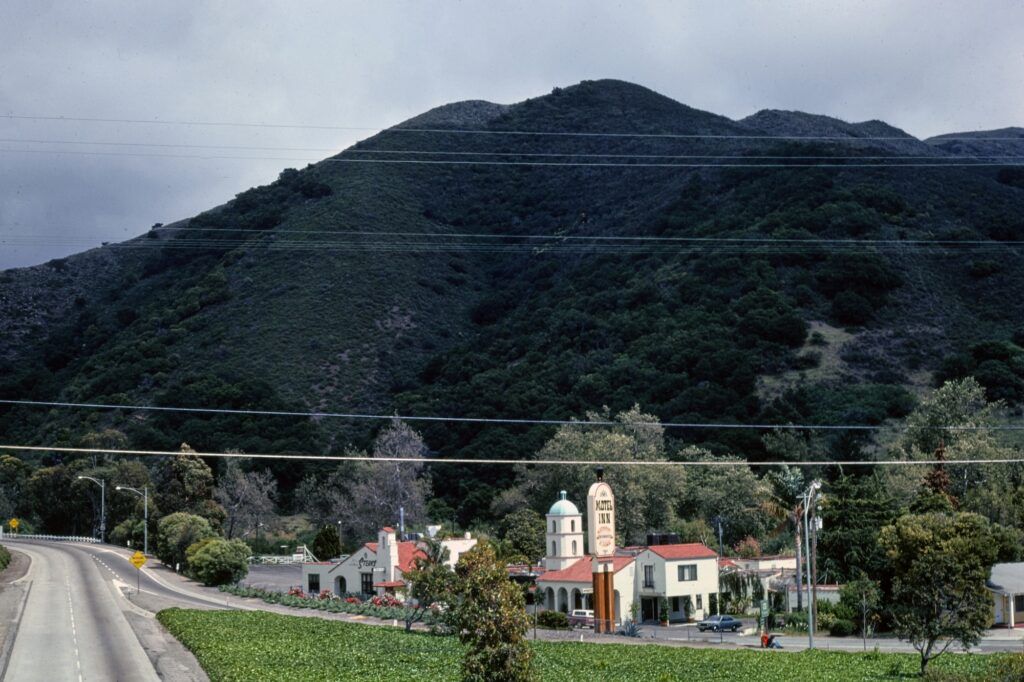
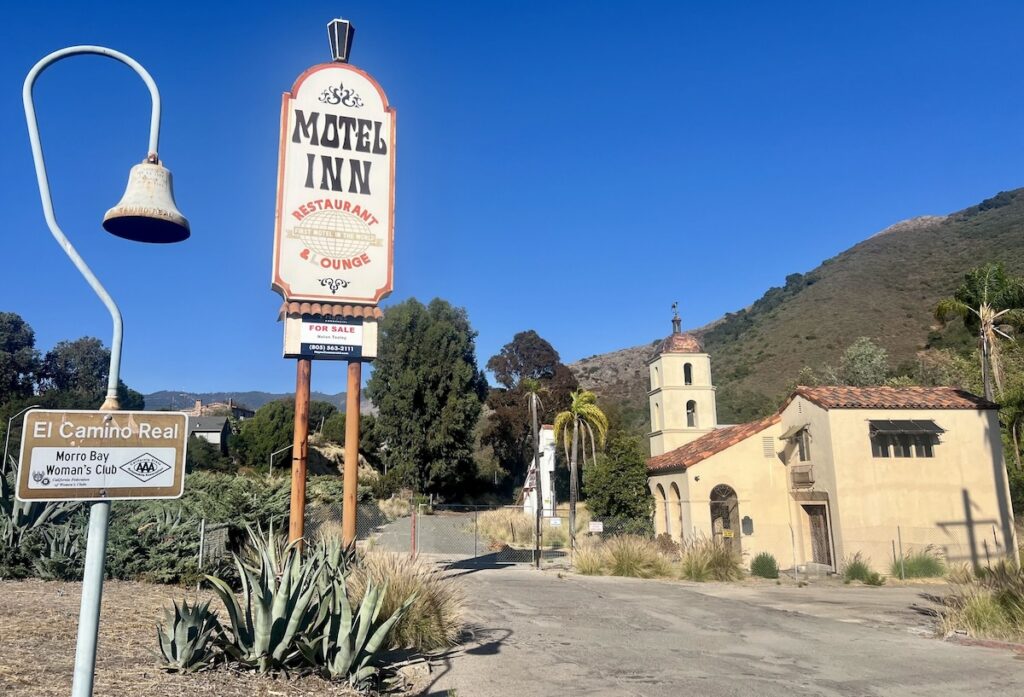
Now, over a century later, this piece of hospitality history is for sale. The 4.2-acre property at 2223 Monterey St. — with an undisclosed asking price — features a Spanish Mission-style bell tower, the original lobby, and an iconic (albeit faded) sign that’s seen decades of American life.
“The Motel Inn was considered very glamorous at the time,” Steve Schmidt, executive director of the History Center of San Luis Obispo County, told NBC affiliate KSBY. “Although they only charged $1.25 a night for a stay, you could pull your car directly up in front of the bungalow. Each bungalow had an orange tree planted in front of it, so you could get up in the morning and pick an orange. Imagine — this is the California dream.”
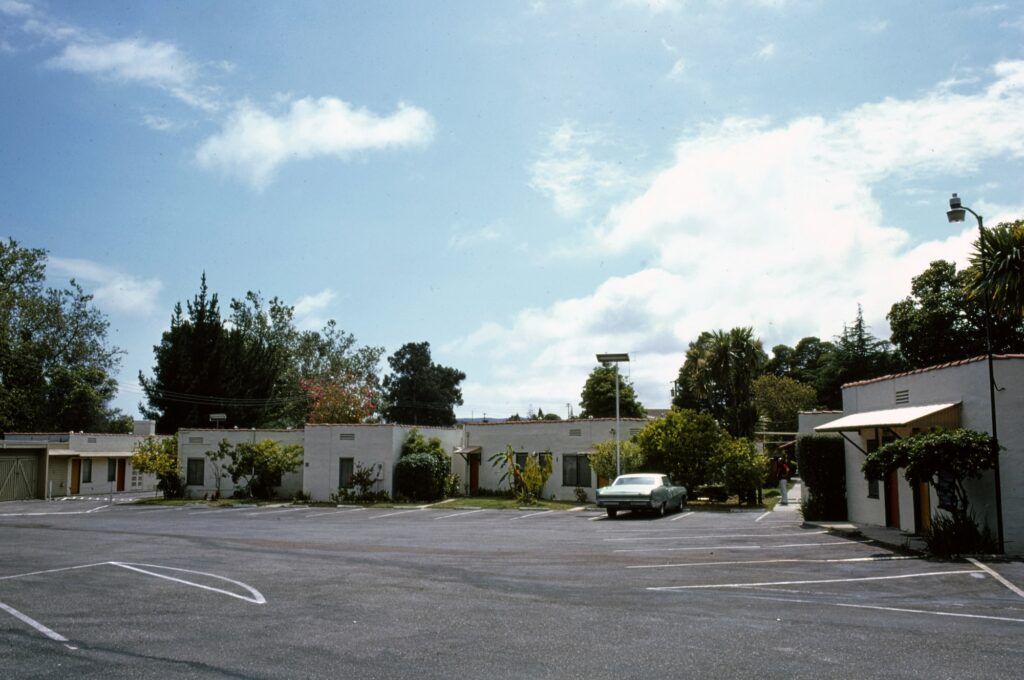
Up to 160 people could stay at the motel at once, in rooms featuring modern conveniences like showers, central heating, and carpet, per the San Luis Obispo Tribune. It was conceived as a more convenient and efficient way to travel while on the road compared to traditional lodging options, such as roadside rest stops and tents.
“The motel plan eliminates a long walk through dark streets in a strange town between a garage and a hotel,” according to a 1926 Los Angeles Times article cited by The New York Times. “The motorist’s car is where he is, ready for an early morning start.”
A 1925 article in the San Luis Obispo Daily Telegram offered a similar pitch: “A traveler arriving at night, or at any other time, need not climb out of his car and go into the office to register. Instead, the man in charge comes out to the car and one may register without leaving the car at all.”
Although the motel closed in 1932 due to the Great Depression, it later experienced a revival, attracting famous guests like Clint Eastwood, Lucille Ball, and Bob Hope, according to PBS SoCal. One of the site’s biggest claims to fame is that Joe DiMaggio and Marilyn Monroe stopped in for lunch in 1954 on their honeymoon. It’s also believed that Ronald Reagan may have visited while campaigning on California’s Central Coast in the 1960s.
Despite its storied past, the motel’s future has been largely uncertain since it permanently shut down in 1991. Redevelopment plans have started and stopped over the years, but pending new owners, that could soon change.
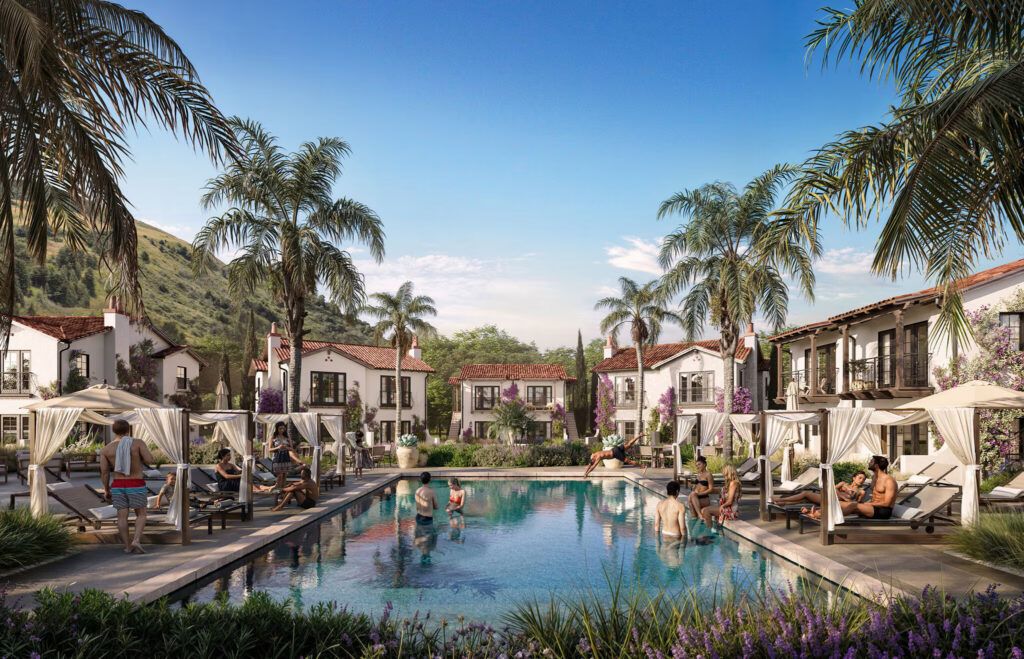
According to Hayes Commercial Group, the brokerage listing the site, the property is “shovel-ready” and approved for an 83-room hotel redevelopment. The property is even being marketed with a construction plan that pays homage to the site’s roots, which can be seen in the rendering pictured above.
“We kind of pulled from the original designs where the rooms were like a bungalow configuration, Spanish revival architecture, and so all of those were kept as design themes in this current design,” Damien Mavis, co-founder of Covelop Collaborative Development, told KSBY.
The former motel could also be a canvas for something entirely new, such as a senior living or long-term care facility. “Someone can come in and build the existing hospitality project, or someone could come in and scrap it to build assisted living,” agent Nolan Tooley told SFGATE. “They could build a four-story, potential several-hundred-room assisted living project. Or it could also become mixed-used, multi-family.”
Time will tell what direction the landmark takes next, but regardless of what it becomes, it’ll surely remain a storied part of California’s history. As the listing notes: “This property carries a story that cannot be replicated.”
RELATED: 13 Unusual Hotels Around the World — From Cliffs to Castles