As much as the winter holidays are about celebration and coming together with family and friends, they’re also the perfect time to pause and reflect on the past 12 months. This often comes in the form of New Year’s resolutions, or identifying what you’d like to do better next year. But in true Nice News fashion, and especially after conducting a deep dive on the benefits of gratitude back in September, we’d like to offer an additional takeaway: all the good that came out of 2025.
Diplomatic pandas, a treatment for Huntington’s disease, and the return of Reading Rainbow were at the heart of some of our favorite stories of the year — read on for the complete list.
2 Panda Ambassadors Made Their Public Debut at the National Zoo

We started the year on a delightfully fuzzy foot. On Jan. 24, two unbearably cute ambassadors — Bao Li and Qing Bao — made their official public debut at the Smithsonian’s National Zoo in Washington, D.C., and folks across the country were able to get in on the panda–monium.
The Giant Panda Cam, which gives animal lovers a front-row seat to the adorable action, began streaming live from 7 a.m. to 7 p.m. ET. At the zoo itself, visitors reveled in a two-week-long celebration of the debut, dubbed the “District of Panda Party.” And even the wider city got caught up in the occasion — restaurants and bars in D.C. offered panda-themed treats and drinks.
“Bao Li and Qing Bao have already won the hearts of our staff and volunteers, and we are excited to welcome panda fans back to the zoo — the only place in the nation where you can see giant pandas for free,” director Brandie Smith said in a statement at the time.
In case you missed it, the bear pair arrived at the zoo in October 2024 after traveling 8,000 miles from China. Since then, they’ve spent time acclimating to their newly renovated home, which is filled with shallow pools, climbing structures, and plenty of bamboo. The bears both turned 4 this year — Bao Li in August and Qing Bao in September — and they celebrated their crossover into teenager territory with panda-friendly fruitsicle cakes (watch Qing Bao’s birthday festivities here).
Heart Attack Deaths Dropped by Nearly 90% Since 1970

Heart disease impacts millions of people every year in the U.S., but in June, we learned some encouraging news: A Stanford study found that not only have heart disease-related deaths plummeted by 66% over five decades, but deaths from heart attacks specifically have decreased by nearly 90% — meaning the latter is no longer the leading cause of mortality in the country.
Using data on adults aged 25 and older from the National Vital Statistics System, researchers examined how these causes of death have changed over time. In addition to the previous figures, they learned that coronary artery disease mortality declined by 81%. “Overall, there’s been significant progress with every decade,” lead author Sara King said in a news release at the time.
Touting it as a “medical miracle,” senior author Latha Palaniappan credited the decrease in heart attack deaths to “the synergistic power of science, medicine, and public health.” On the flip side, the team found that more Americans now die from chronic heart disease, likely in part because people are living longer. “We have so many tools in our toolbox now, but still, there’s a lot more that can be developed and improved,” said King. “I hope the numbers just keep getting better.”
A New Professional Women’s Softball League Launched

When it comes to championing women in sports, the Athletes Unlimited Softball League stepped up to the plate this year. Financially backed by the MLB, the new professional women’s softball league launched June 7, hoping to advance the sport to a “stable summer staple.” Former MLB executive Kim Ng was named commissioner, becoming the first woman to hold the position for a U.S. major league.
The four inaugural teams played 24 games each across 10 cities through July 23, leading up to the AUSL Championship in Alabama. And the championship was a complete shutout: On July 27, the Talons beat the Bandits 1-0 in Game 2 to win in a series sweep. The league was on a barnstorming tour this year, but keep an eye out for some changes in 2026, when the teams will become city-based.
According to the MLB, the sport’s recent “explosive growth in both participation and exposure” has opened the door for the league. Recreational softball participation increased by over 7% last year, and TV viewers are interested too: 2024’s Women’s College World Series finals set a record for the most-watched WCWS title series, with an average of 2 million viewers.
“This is a watershed moment for women’s sports and especially for softball,” Ng said in a July statement. “MLB’s investment will supercharge our efforts to build the sustainable professional league this sport has long deserved and sends a powerful message about the value of female athletes and the importance of creating professional opportunities for them.”
The FDA Took “a Significant Step Toward” Phasing Out Animal Testing
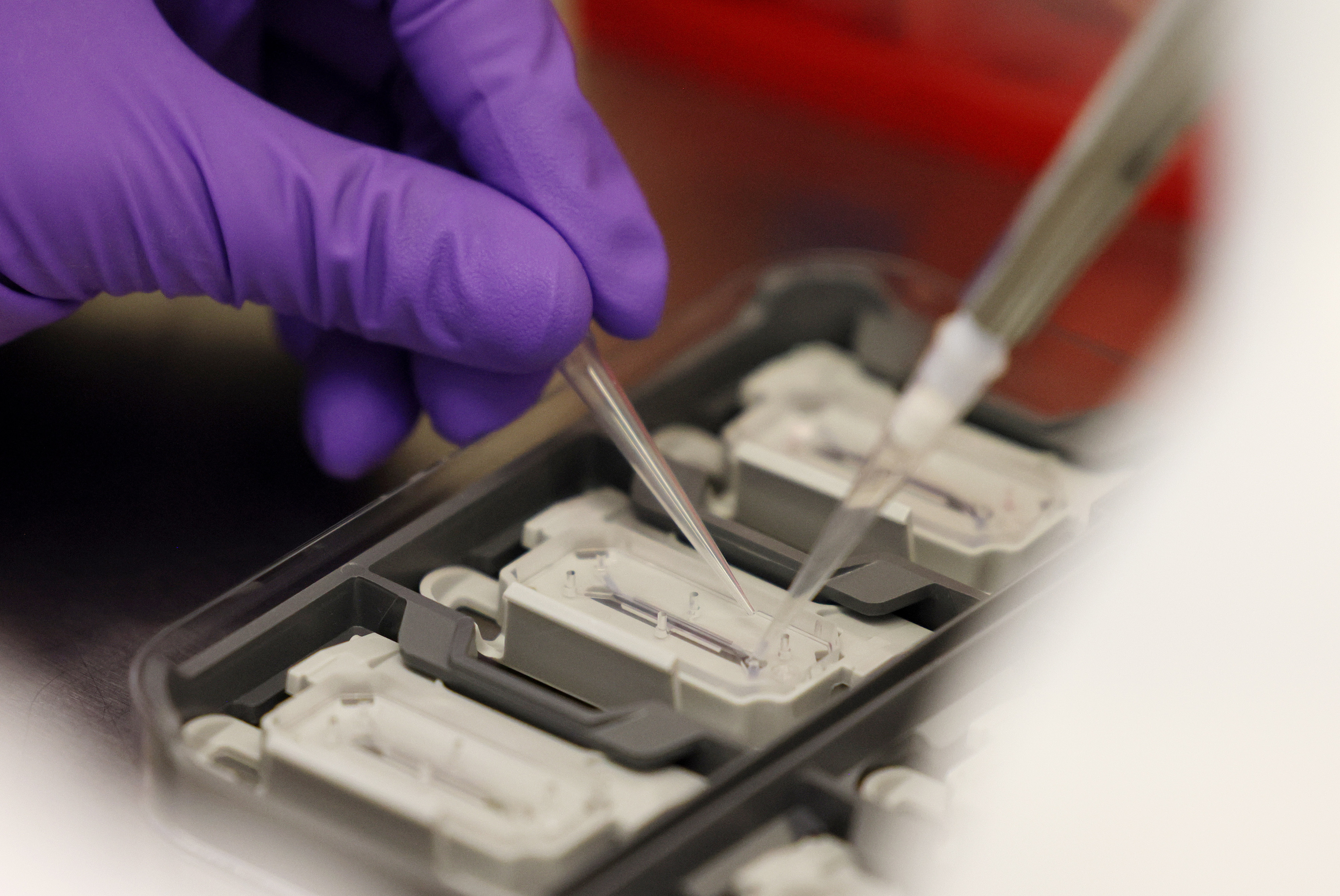
Over the past few years, the Food and Drug Administration has gradually reduced its dependence on animal testing. But on April 10, the agency announced it was going a step further, sharing plans to phase out animal testing requirements and instead facilitate the use of AI-based models and other “more effective, human-relevant” tools to predict a drug’s behavior and possible side effects.
The pilot program allows select developers of monoclonal antibodies and other drugs to use a nonanimal-based strategy, such as computer modeling or organ-on-a-chip systems, rather than having to prove that a new medication or treatment works on animals — the standard practice for decades. Later that month, the National Institutes of Health piggybacked off the program, announcing a new initiative to expand human-based science by deploying innovations in data science and technology.
Beyond addressing ethics concerns, the FDA change could be a win for human health: “This initiative marks a paradigm shift in drug evaluation and holds promise to accelerate cures and meaningful treatments for Americans while reducing animal use,” Commissioner Marty Makary said in an April statement, noting that drug prices could also be reduced.
As for animal rights advocates, it was a move many years in the making. “It’s a significant step toward meeting the agency’s commitment to replace the use of animals,” said senior vice president of PETA Kathy Guillermo.
US Crime Dropped Across Multiple Categories in 2024 and 2025

In a hopeful development for public safety, overall crime in the U.S. declined in 2024, with both violent and property offenses reaching their lowest levels in years. The statistics, published in August in the FBI’s 2024 Reported Crimes in the Nation report, show a decrease in every major category, from homicide to motor vehicle thefts.
Here’s a closer look at the numbers: Violent crime in 2024 decreased 4.5% from 2023, with the steepest decline observed in murder and nonnegligent manslaughter, which fell 14.9% year-over-year. Robbery also saw a notable drop, falling by 8.9%.
Property crime went down 8.1%, the largest reduction recorded since 1961. Motor vehicle thefts declined by 18.6%, reversing the upward trend seen in 2023, when they rose by 12.6% compared to the previous year. Burglary and larceny-theft decreased as well, by 8.6% and 5.5%, respectively.
The month prior, the Council on Criminal Justice had reported more promising statistics: In the first six months of 2025, data from 30 cities showed a 17% decline in homicides compared to the first half of 2024, while violent crimes dropped below pre-pandemic levels. Baltimore, specifically, experienced a significant reduction in crime this year. The city saw a 22% decrease in homicides compared to 2024 and just five homicides in April, the fewest of any month on record for the city in 55 years.
The Fight Against Colon Cancer Made Progress

In 2018, the American Cancer Society lowered the recommended age for colon cancer screenings from 50 to 45. Seven years later, a study released in August suggests this change is already making a difference, with earlier detection giving patients a vital head start in treating the disease when it’s most manageable — often before symptoms even appear.
Here are the stats: From 2019 to 2023, screenings increased by 62% among U.S. adults aged 45 to 49. And early-stage cancer cases rose by 12% annually between 2019 and 2022 for that same age group, a significant uptick compared to the 1.1% annual bumps seen from 2004 to 2019. The key phrase here is “early-stage”: National Cancer Institute data showed that more than 90% of people treated early on for colorectal cancer were alive five years post-diagnosis.
“The uptick of cases is likely due to first-time screening in the wake of new recommendations for younger average-risk adults to begin testing for colorectal cancer earlier,” lead study author Elizabeth Schafer explained in an August news release, noting this as “promising news.”
Beyond that, there was plenty of research this year that revealed new insights on combating colon cancer. One study presented at the American Society of Clinical Oncology in June suggested that an anti-inflammatory diet helps increase longevity for patients, while another touted the benefits of a specific exercise program for potentially reducing the risk of recurrent or new cancer. And in September, the results of a trial showed that taking a low dose of daily aspirin significantly reduced the chance of some colon cancers returning after surgery.
A Groundbreaking Therapy Slowed Huntington’s Disease for the First Time

Marking a historic medical first, a pioneering gene therapy successfully slowed the progression of Huntington’s disease by 75% in a clinical trial. The breakthrough offered new hope for the tens of thousands living with the devastating hereditary condition, which progressively destroys brain cells and impairs movement, cognition, and behavior — and until the results were announced in September, there was no treatment capable of slowing or halting its advance.
“We never in our wildest dreams would have expected a 75% slowing of clinical progression,” Sarah Tabrizi, the trial co-lead, told the BBC at the time. The study involved 29 patients who underwent a complex 12- to 18-hour surgery to deliver a virus with a specially designed sequence of DNA directly into the brain, targeting (and reducing) the mutated “huntingtin” protein that drives the progression of the disease.
Patients receiving the highest doses of the therapy showed significant improvement on tests of motor and cognitive function, and reported improved day-to-day life experiences — a profound outcome. Fellow lead researcher Ed Wild explained: “There was every chance that we would never see a result like this, so to be living in a world where we know this is not only possible, but the actual magnitude of the effect is breathtaking; it’s very difficult to fully encapsulate the emotion.”
The therapy is currently very costly, but the company developing it plans to seek FDA approval in the U.S. in early 2026 to make it more widely available.
Green Sea Turtles Were Removed From the Endangered Species List

October saw a major triumph for green sea turtles. Per a press release from the International Union for Conservation of Nature, the ocean reptiles are no longer considered an endangered species. Thanks to decades of conservation efforts, their global population has increased nearly 30% since the ’70s, prompting the organization to elevate their status from Endangered to Least Concern.
The milestone also has positive implications for tropical marine ecosystems, where the turtles are a keystone species. To achieve it, conservationists have worked to protect nesting females and their eggs, and have also increased efforts to curb turtle and egg harvesting for human consumption.
“The ongoing global recovery of the green turtle is a powerful example of what coordinated global conservation over decades can achieve to stabilize and even restore populations of long-lived marine species,” said Roderic Mast, co-chair of IUCN’s Species Survival Commission Marine Turtle Specialist Group, adding, “Sea turtles cannot survive without healthy oceans and coasts, and humans can’t either.”
And green sea turtles weren’t the only species to get a status upgrade this year. Several animals were promoted to Least Concern from higher-risk categories, including the golden bandicoot, a marsupial found in northern Australia; the olive-sided flycatcher, a singing bird that dwells in North America; and the carpenter seabream, a fish endemic to southern Africa.
California Passed Historic School Meal Legislation

Also in October, California became the first state in the nation to pass a law that phases out — and eventually bans — ultraprocessed foods from public school meals.
The historic legislation, Assembly Bill 1264, aims to reduce “ultraprocessed foods of concern” in school-provided breakfasts and lunches by 2029, and eliminate them entirely by 2035. As for what makes something ultraprocessed, the new law covered that too, defining the category as food and beverages that contain one or more additives (e.g., stabilizers, thickeners, colorings, or nonnutritive sweeteners), as well as high levels of saturated fat, salt, or added sugar.
“It’s a movement that should unite all of us, regardless of political stripes,” Gov. Gavin Newsom said of the bill, which passed with bipartisan support at a signing ceremony in Los Angeles, per NBC News.
“There’s really a growing awareness, particularly among millennial parents like myself, about how what we feed our kids is not important just to their physical health, but also so deeply connected to their mental health and their emotional well-being,” state Assembly member Jesse Gabriel, who introduced the legislation, told the outlet. “We have a lot of parents like me in the Legislature, and it turns out that whether they’re Democrat or Republicans or conservative or progressive, parents want the same thing.”
Reading Rainbow Returned
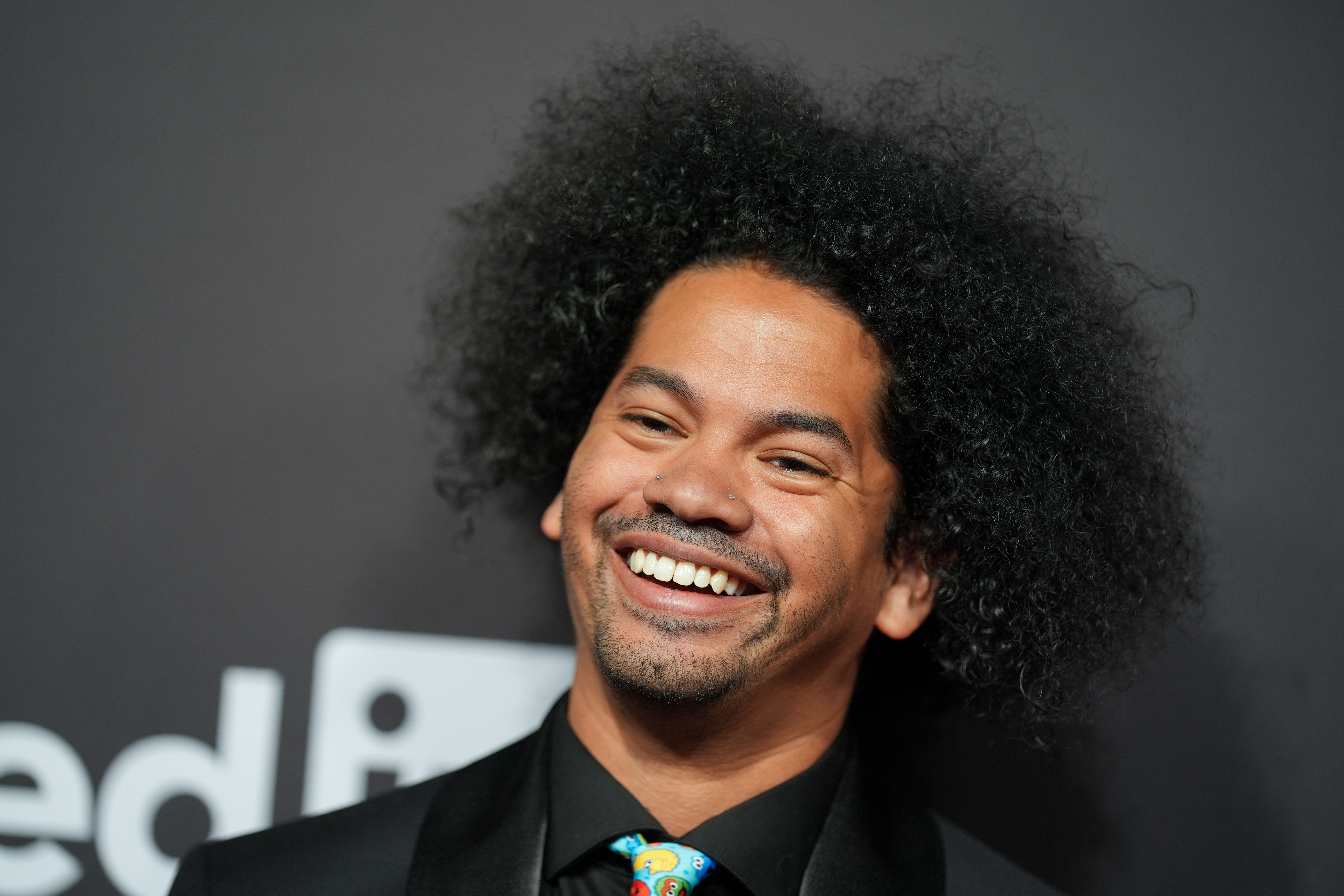
It was a good year to be a book lover! After nearly 20 years off the air, Reading Rainbow returned to our screens. Mychal Threets, aka Mychal the Librarian, served as host, aiming to spark a new generation’s love for stories, imagination, and all things reading.
If you’re not familiar with Threets, he’s a librarian and social media star from Fairfield, California, who’s spent years sharing the powerful message that everyone belongs in the library. But his passion for reading goes back much further than his librarian career. In 2024, he told USA Today he “was practically raised by libraries,” crediting the spaces for shaping his homeschooled education and sense of self.
Last year, Threets became the resident librarian at PBS, a gig that unfolded perfectly into his next chapter at the helm of Reading Rainbow, which ran on the network from 1983 to 2006 with LeVar Burton as host. But instead of returning to PBS, new episodes of the revamped series were shared Oct. 4-25 via Kidzuko, an educational YouTube channel from Sony Pictures Television.
The star-studded guest lineup included John Legend, Chrissy Teigen, Adam DeVine, Gabrielle Union, and many more (catch the first episode here).
RELATED: Nice News’ “Nice List”: 20 Products Our Team Bought and Loved This Year