This article was originally written by James Connolly and Alastair Dalton for SWNS — the U.K.’s largest independent news agency, providing globally relevant original, verified, and engaging content to the world’s leading media outlets.
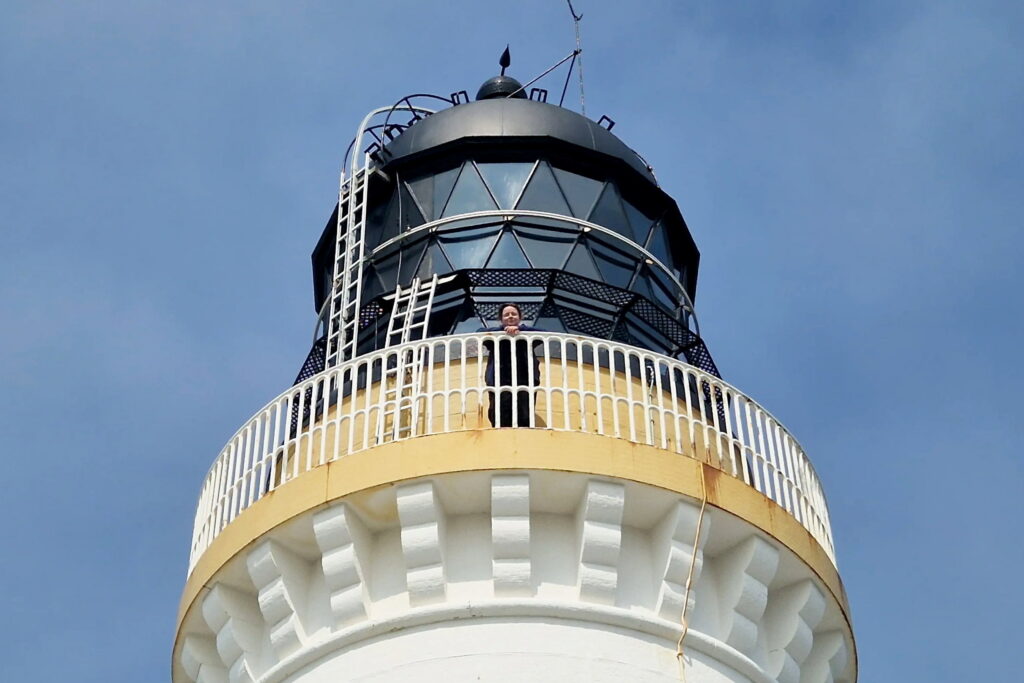
For Jeri Cormack, climbing towering spiral staircases and braving howling storms are all in a day’s work.
The 28-year-old is the newest and youngest retained lighthouse keeper for the Northern Lighthouse Board, which maintains more than 200 lighthouses across Scotland and the Isle of Man. As such, she’s tasked with looking after three vital maritime landmarks in the north of Scotland: Dunnet Head, built in 1831; Noss Head, built in 1849; and Duncansby Head, built in 1924.
“It’s fantastic. It’s opened a whole new world,” she told The Scotsman. “Lighthouses are something that most people don’t ever get to see inside, so there is an inherent mystery.”
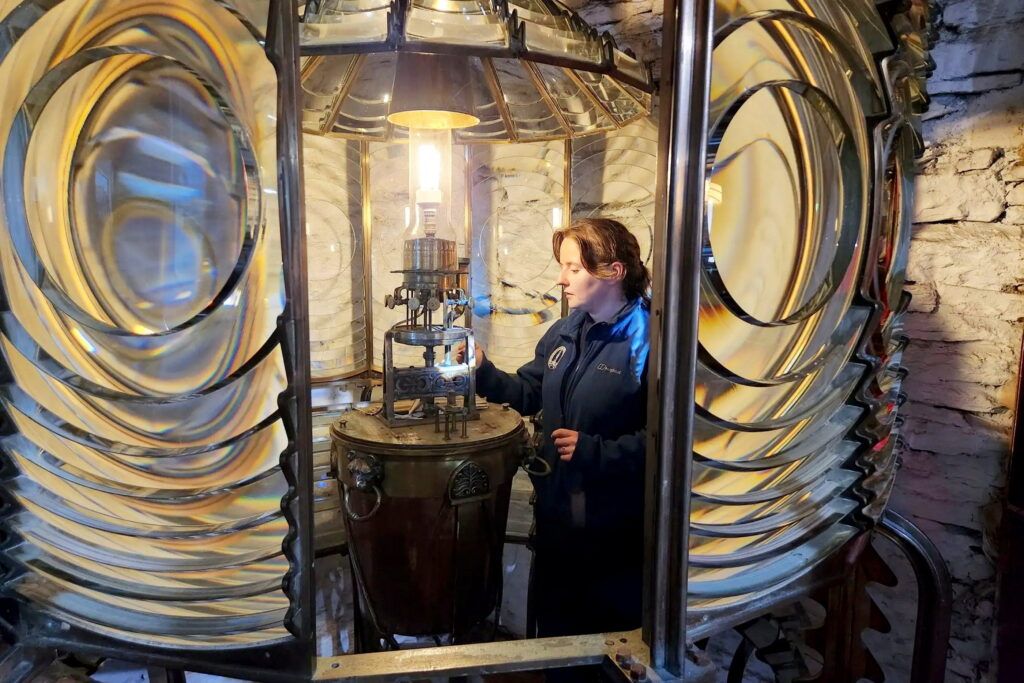
Cormack, who started the role in January, is one of just 17 retained lighthouse keepers employed by the Northern Lighthouse Board — only two of whom are women. In addition to being the freshest face on the board’s roster, she is also believed to be the youngest lighthouse keeper in all of Britain.
Many of her colleagues are former full-time keepers whose jobs disappeared after the U.K.’s lighthouses became fully automated, the last of which made the switch in 1998.
“I actually saw the job on Facebook, and according to the lighthouse board, it was one of their most interacted-with posts ever, so there were a lot of folk attracted to the position,” Cormack explained.
During monthly eight-hour visits to Noss Head Lighthouse, she vacuums the 76-step spiral staircase, cleans the lantern windows, and checks for storm damage. She even rounds up wandering sheep if they’ve forced their way through a gate.
“[The weather] can get quite fierce, especially in this lighthouse. It’s quite an echoey building,” she said, adding that noises are amplified due to the staircase and large lightroom. “Whenever there’s wind, it whistles through the building. It sounds like screeching. It’s quite amazing. We had hail last month in June and I couldn’t believe how loud it was — like thunder.”
Lighthouses have captivated Cormack since her childhood, and it’s a passion that runs in the family. Her great-grandfather helped build Duncansby Head Lighthouse in the 1920s, and his son later installed equipment for the Northern Lighthouse Board. “The family connection was a big draw, continuing this legacy,” she shared, adding that she’s “always been interested in historical buildings.”
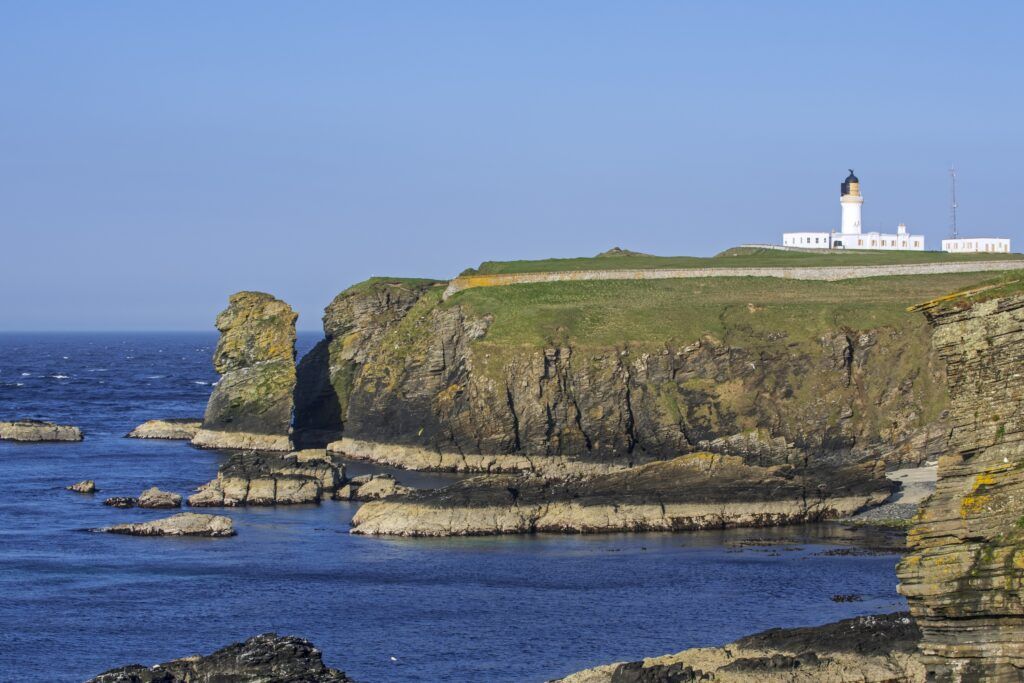
Cormack believes that the drama of the tall, solitary towers is partially to credit for the public’s fascination with the buildings. “Lighthouses are by nature designed to be seen from afar and they’re positioned in the most dramatic, stormy areas — places you usually want to avoid. You certainly wouldn’t want to be building a tall house there, so to put a light there is inherently quite sublime, it’s mental,” she said, noting that they also provide a sense of security. “They can be seen from miles away and they’re something that brings people peace of mind. They save lives at sea as well as just being a landmark.
“These days, the lighthouses are empty most of the year apart from when folk like myself come in. Back in the days of full-time lighthouse keepers, there were just two or three people there, so they are quite mysterious places,” Cormack continued. “So to get to come here and for this to be my office, that’s quite amazing.”