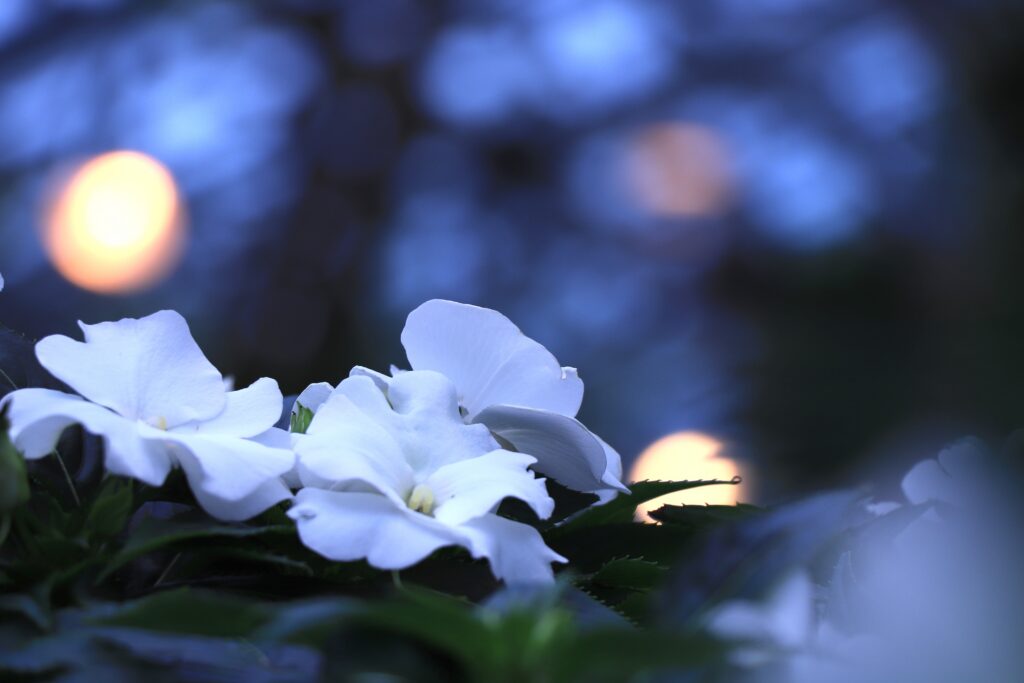
Everything feels a little enchanted under the moonlight, and planting your own moon garden full of night-blooming flowers is a wonderful way to conjure up even more of that magic.
“A moon garden is extremely romantic and an underserved part of garden cultivation,” Amy McCord, certified floral designer and founder of Flower Moxie, told Nice News. “It also makes sense for folks who work during the day to have something actively blooming when they return in the evening.”
While almost all plants rely on sunlight to grow, some have evolved to appeal to nocturnal pollinators — like moths, beetles, and bats — rather than bees and butterflies. That means they soak up and store the sun’s energy during the day, but their flowers don’t open up until the evening.
You’ll notice that many night-blooming flowers are white or pale. That’s because moonlight is far less bright than sunlight, so plants must reflect as much of it as possible to be seen by nighttime critters, explained James Syrett, a former horticulture lecturer who now designs public gardens with cultural consultancy firm Byrga Geniht. He added that while the limited color palette might put some gardeners off, “the magical effect of pale flowers gleaming under a full moon is very good compensation.”
Another trademark feature of these evening beauties? They smell incredible. “Night-blooming flowers tend to have strong, sweet fragrances that carry a long distance,” Syrett said, declaring the scents “worth staying up late for.”
Before You Grow
Night-blooming flowers are found in a wide range of climates, so be sure to verify whether a specific species will grow well in your area, Syrett suggests. He also recommends checking whether your space actually receives direct moonlight before you start planting. And remember that these flowers will attract the nighttime pollinators we mentioned — so be prepared to see a bat or two. Finally, always check whether plants are poisonous to pets and children before adding them to your garden.
7 Night-Blooming Flowers
Moonflower
(Ipomoea alba)
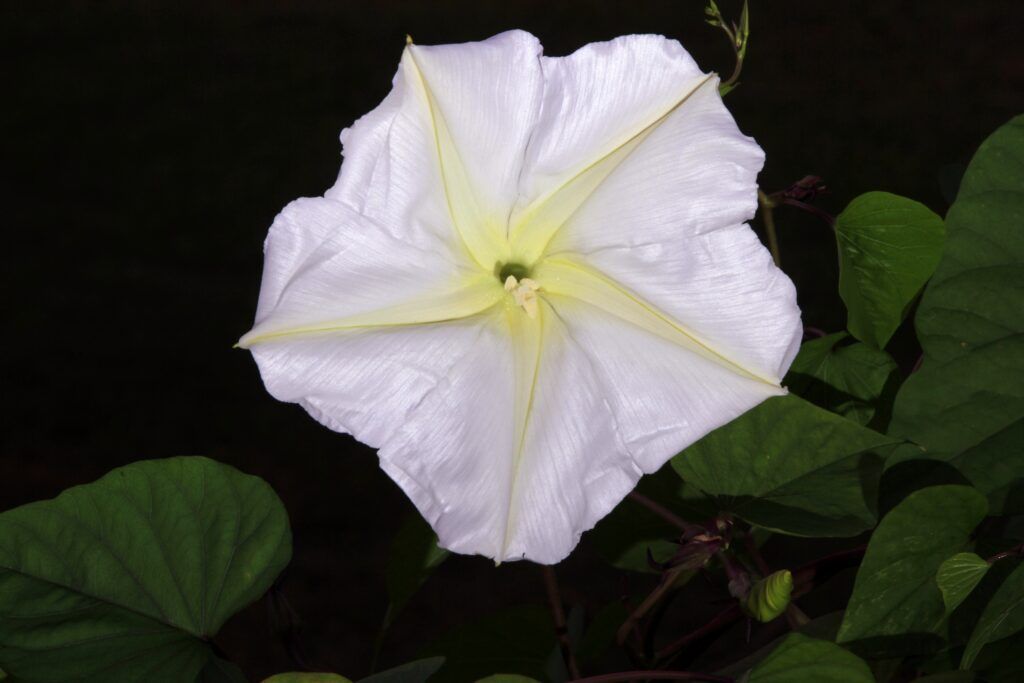
An obvious option for your moon garden is the moonflower, also called night-blooming morning glory. “They are very hardy, fragrant, and large and take little effort once they are established,” McCord said of the perennial vines, whose trumpet-shaped white flowers bloom in the evening from summer to fall. Moonflower requires at least six hours of full sun during the day, so be sure to plant it in a spot that gets a lot of light.
Night-Scented Stock
(Matthiola longipetala)
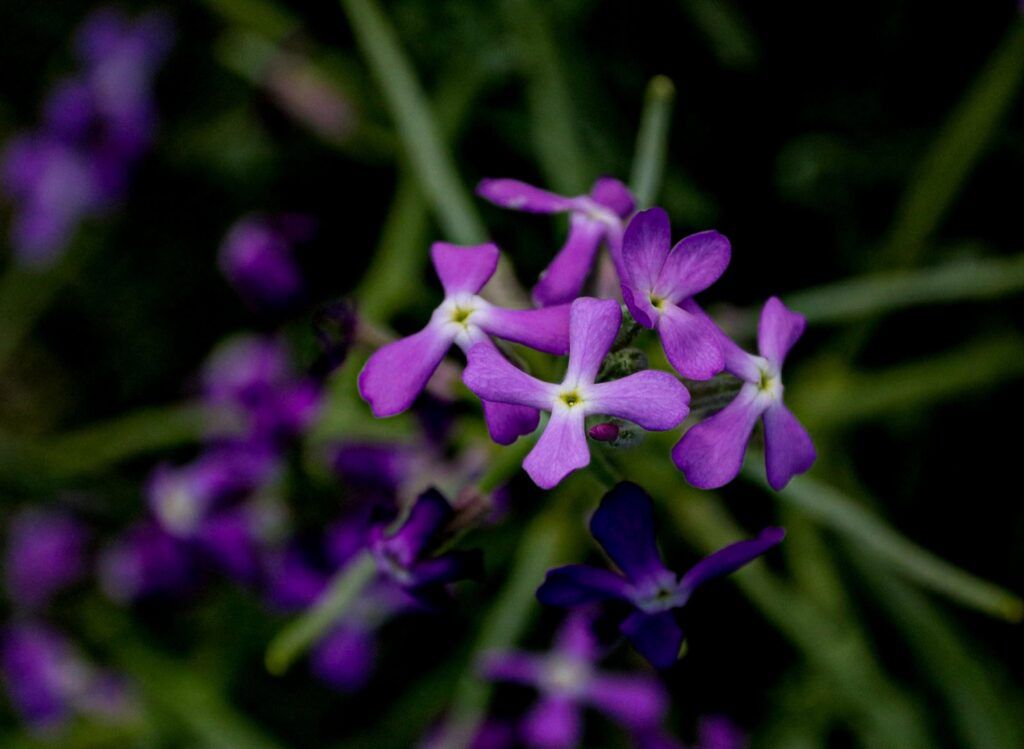
This sturdy annual is an excellent choice for beginner gardeners, as it offers “quick results without breaking the bank,” Syrett said. One of the few on this list with flowers that aren’t necessarily white (they range from shades of pink to lilac and magenta), night-scented stock reaches its peak fragrance at twilight, a heady aroma with notes of vanilla, rose, and spice.
Night-Blooming Jasmine
(Cestrum nocturnum)
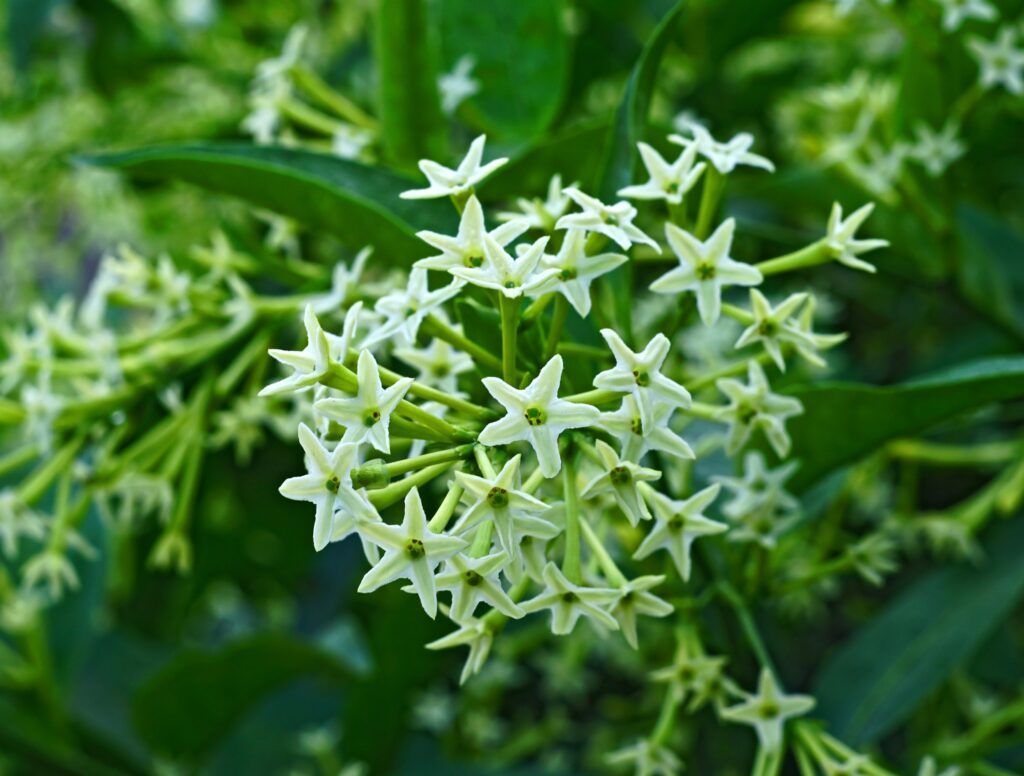
A fast-growing tropical shrub, night-blooming jasmine isn’t true jasmine. It’s actually in the nightshade family, but its greenish-white flowers resemble those of its namesake. The blooms exude a strong scent after sunset that can be “almost overwhelming” if the plant is grown indoors, per the Missouri Botanical Garden, and you can find it used as a heart note in perfumes. “The fragrance is out of this world!” one Reddit user wrote in a post showing off the plant in full bloom.
Angel’s Trumpet
(Brugmansia suaveolens)
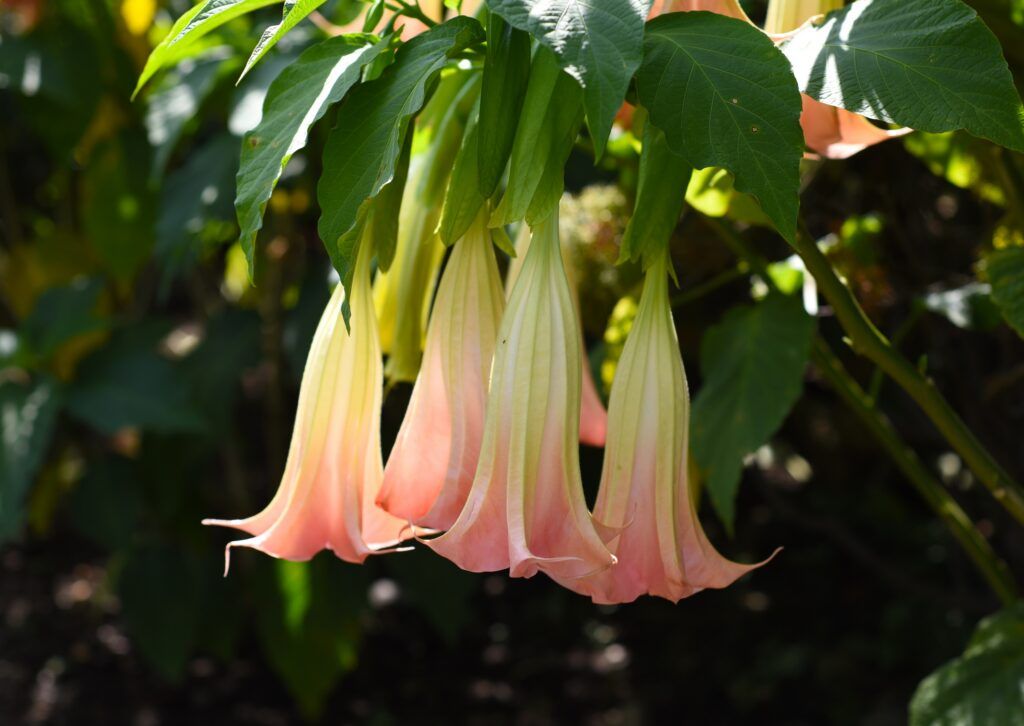
“For a statement piece, nothing beats brugmansia,” Syrett said, “so long as you can protect it from freezing in winter.” There are several species of this plant, but Brugmansia suaveolens — dubbed “angel’s trumpet” for the shape of its huge hanging flowers — can grow over 15 feet tall in the right climate. Native to Brazil, it releases an intoxicating scent after sundown, and different varieties bloom in different colors.
Orchid Cactus
(Epiphyllum oxypetalum)
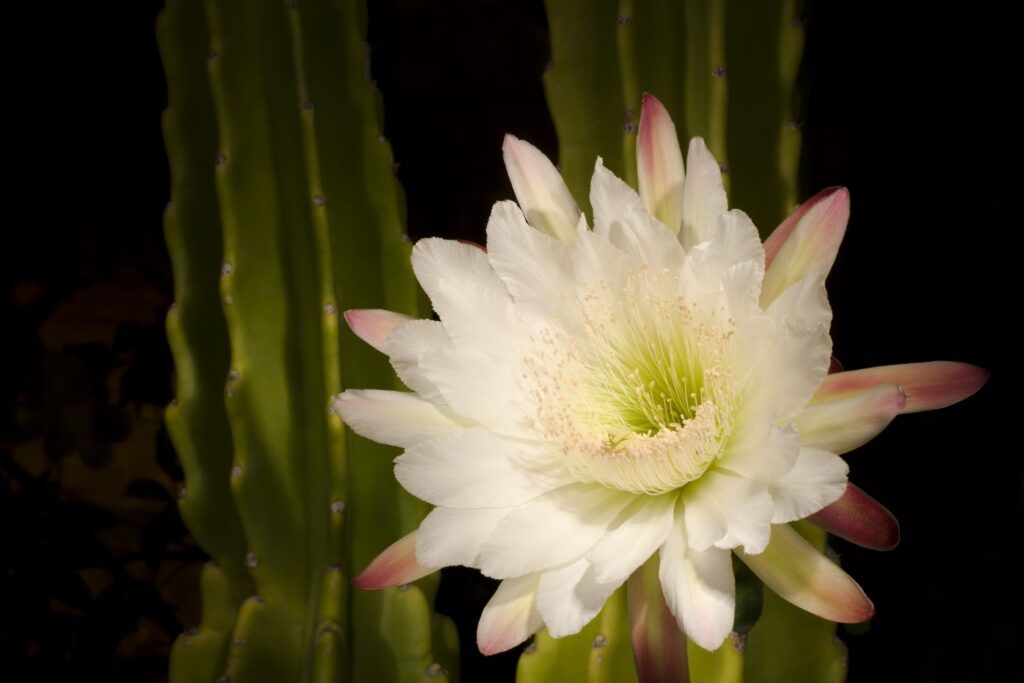
Nicknamed “the queen of the night,” the spineless orchid cactus actually thrives in tropical environments rather than desert landscapes. It does best in bright, indirect sun, and its white flowers bloom in the evening, typically from late spring to early summer, releasing a strong fragrance. In ideal conditions, it can grow around 10 feet tall and 3 feet wide.
Peacock Orchid
(Gladiolus murielae)
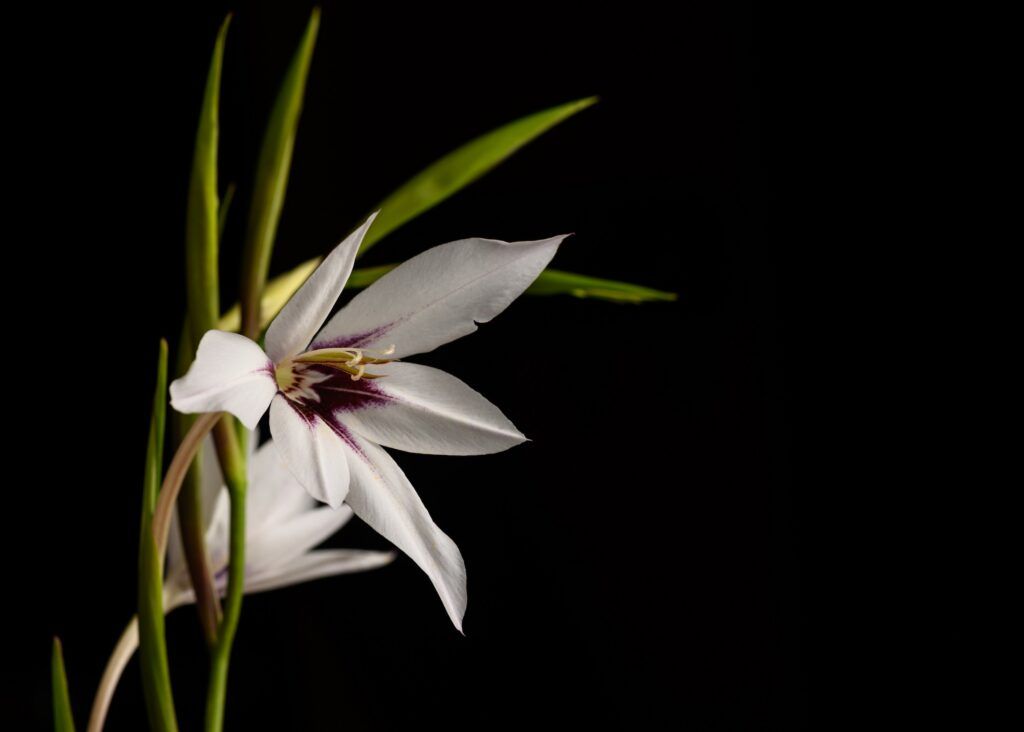
While the peacock orchid isn’t strictly night-blooming, its fragrant, star-shaped flowers look particularly lovely in the moonlight, Syrett said. It does best in full sun and is native to the mountains of East Africa, per the Missouri Botanical Garden. The plant’s genus name, Gladiolus, comes from “gladius,” the Latin word for “sword” — a nod to its long, pointy leaves.
Night-Scented Phlox
(Zaluzianskya ovata)
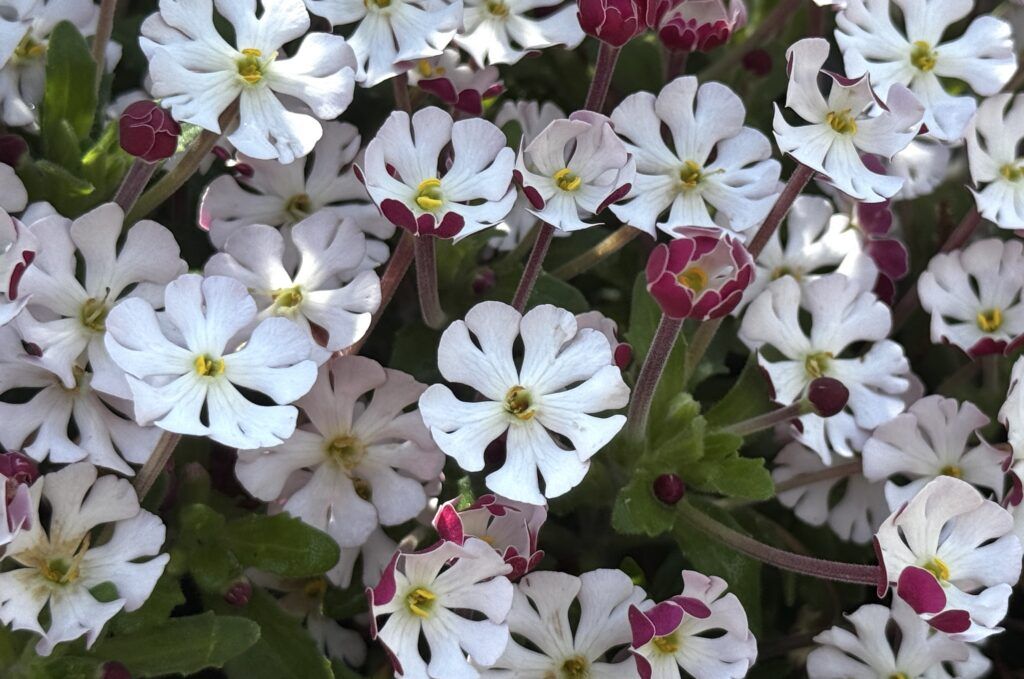
This dainty plant is called “midnight candy,” and its red buds bloom in shades of white, purple, and maroon, producing a sweet, vanilla-like fragrance. An evergreen perennial with a low growth habit, night-scented phlox is easily started from seeds and prefers well-draining soil in a sunny location.
Don’t Forget the Foliage
Last but not least: the greenery. “Don’t forget to play with foliage in a moon garden,” Syrett advised. “Look for leaves with contrasting shapes to play with silhouettes, and mix in some plants with glossy or silvery leaves to catch the moonlight.”
You might also consider creating a cozy outdoor reading nook with a comfortable chair and a book light for peaceful evenings enjoying your fragrant moon garden.
RELATED: “The Backbone of Ecosystems for Pollinators”: Why You Should Go Wild for Wildflowers This Spring