It’s a common refrain: “I get enough sleep, but I’m still tired.” Or “I work out, but my energy levels are still low.” While many factors play a role in how we feel each day, one element we may not be considering is the way in which we rest — that is, if we’re even truly resting at all.
“Most people don’t realize that rest is more than just cessation activities,” author and internal medicine physician Saundra Dalton-Smith told Nice News, noting that simply sitting quietly or going on vacation isn’t always the answer. “At the very core of it, rest really is about restoration. And sometimes the most restorative thing you can do has an activity component to it.”
Through her practice and personal experience, Dalton-Smith discovered that we often require specific types of restorative activities to address different areas of our lives. “You can be doing something restful, but it doesn’t make you feel any better because it’s not the place where you’re deficient in rest,” she explained.
In her book Sacred Rest: Recover Your Life, Renew Your Energy, Restore Your Sanity, Dalton-Smith details seven types of rest that can help us feel fully restored. By seeking respite in the areas of your life that call for it most, she suggests, you can better address your overall well-being.
What Happens in the Body When We Don’t Truly Rest?
“Rest isn’t a luxury. It’s actually required maintenance,” Julie Landry, a clinical psychologist and co-founder of NeuroSpark Health, emphasized. “If we’re not getting rest, the nervous system just stays in survival mode. So even if nothing is actively wrong, we’re still stimulated all the time.”
Dalton-Smith noted that not resting keeps our cortisol levels elevated, which can affect both our mental health and physical health, as it increases the likelihood of inflammation. “Inflammation’s connected to basically everything. Heart disease, Alzheimer’s — you name it, it’s got an inflammation connection to it,” she said, adding: “So it’s a snowball effect.”
The 7 Types of Rest
Below is a rundown of the different types of rest. Dalton-Smith offers a free quiz on her website to help identify which types may benefit you most.
Physical
We’re starting off with the most self-explanatory: physical rest. The passive form of this type is, of course, sleeping — good sleep is critical for our brain, heart, and respiratory health, as well as our metabolism and immune and endocrine systems.
But there are also “active components” of physical rest, Dalton-Smith pointed out. “That can be anything from yoga to stretching, to red light therapy, to using a foam roller. A leisure walk. I mean, anything that helps your physical body improve lymphatic circulation.”
Mental
We take in a ton of information throughout the day, and many of us subsequently have trouble “turning off” our brains, as it were. We might lie down at night and immediately start going over events from the previous day or rehearsing things happening later in the week.
To mentally rest, look for activities that put the mind in a relaxed state — things like meditation and listening to white noise or sound machines with repetitive patterns that the brain can latch onto.

Working out can also count as mental rest. “For a lot of people, when they do high-intensity exercise, because of the demand on the body, it forces them to focus their attention on how they’re breathing, and that kind of single focus acts as a mindfulness practice,” said Dalton-Smith.
Emotional
Everyone needs emotional rest, but those with jobs or relationships that require a great deal of emotional labor — the act of constantly managing or controlling our emotions — may have a particular deficit. How to address it, though, can vary from person to person.
“What I need for emotional rest may not be what you need for emotional rest,” Landry said. Talking to a therapist, friend, or loved one, “somebody [with whom] you feel like you can really process your emotions without fear of judgment,” can be beneficial, as can journaling, something she recommends to nearly all of her patients.
Dalton-Smith pointed out that creative outlets may also be a way for certain people to experience emotional rest. For example, “I’m stressed, I’m upset, I sit down to knit. I go and I paint, or I play an instrument,” she said. “All of those allow me to emote without speaking.”
Social
While how to get social rest may seem obvious — holing up at home and putting your phone on silent — it’s not the whole story.

“Social rest has a withdrawal component because yes, people can be exhausting, but it also has a pouring-in component, which is also restorative,” Dalton-Smith explained. “Part of social rest is identifying people in your life who are life-giving. Being around them actually makes you feel better. You know, the friend that always makes you laugh or the person who you just have fun with when you’re together.”
Sensory
This is a big one these days, as most of us have continuous sensory stimulation right in our pockets. “If we think about social media, constant news streams — we even have news alerts that pop up on our phone,” said Landry. “So even if we’re being good, we’re disengaged from our phone and not looking, it tells us that there’s something to look at.”
Getting rest in this area doesn’t have to involve sitting in a sensory deprivation tank. If you work in a noisy environment, for example, it can be as simple as choosing to drive home in silence rather than putting on music or a podcast. Meditation is another way to find sensory rest, as is disconnecting from your devices and spending time in nature, Landry said.
Creative
Anyone who expends a lot of creative energy — whether through artistic activities, creative problem-solving at work, or keeping kids entertained all day as a stay-at-home parent — may benefit from this type of rest.
“At the heart of creative rest is you allow yourself to appreciate what’s already been created,” Dalton-Smith explained. “Maybe you have a favorite type of music or artist, and hearing that awakens creativity inside of you. Or it could be something like going outside and looking at the birds or appreciating the flowers or seeing what the sunset looks like that day.” She added that viewing beautiful architecture, going to an art museum, or seeing a show can all qualify as creative rest.
Spiritual
This last one is all about looking beyond our individual experiences and, in doing so, letting go of the anxieties and tensions that can result from an ego-driven existence. “Spiritual rest is the type of rest that allows us to really connect to something bigger than ourselves,” Dalton-Smith explained, adding: “Every person has a need for belonging and acceptance and a feeling of contribution.”
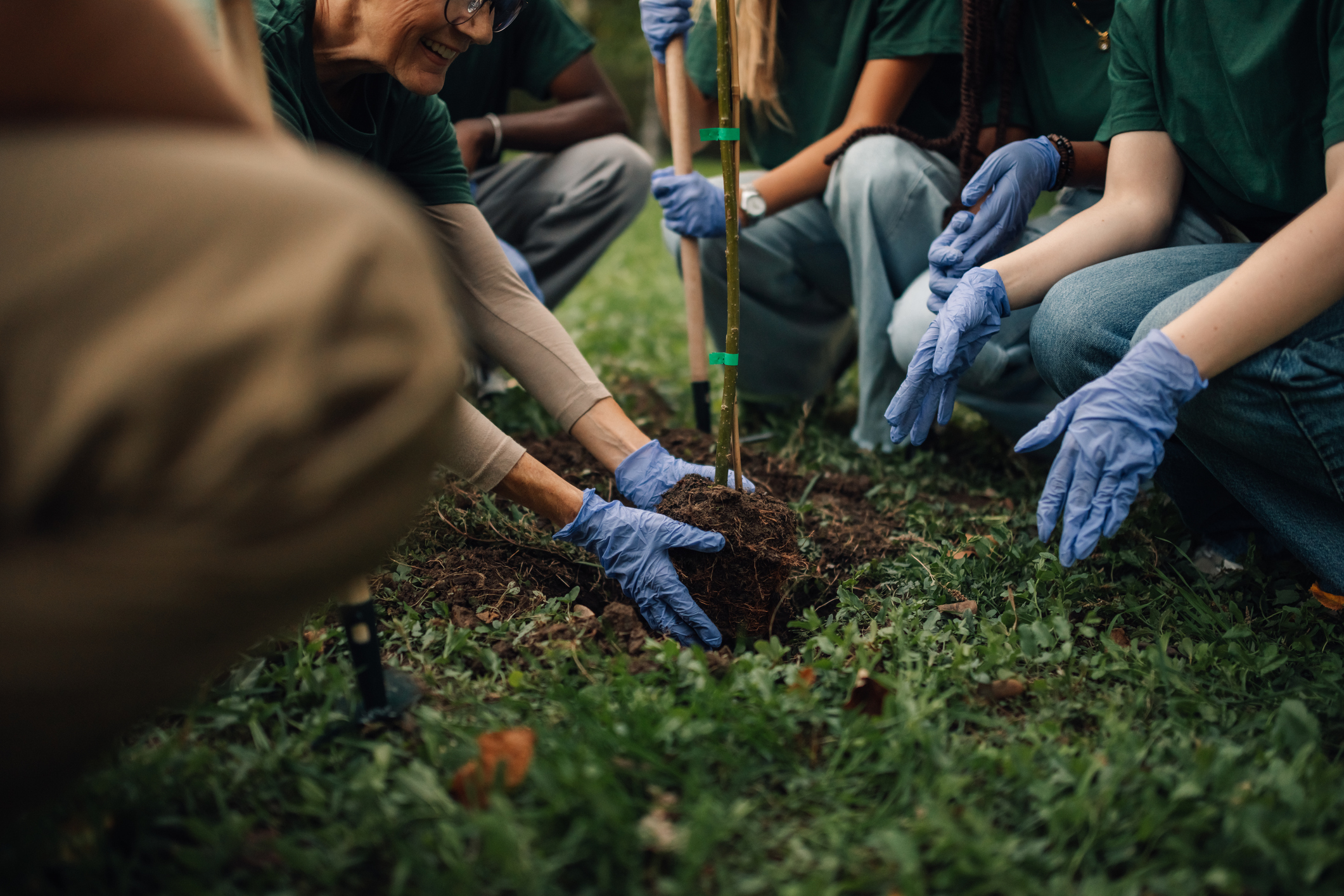
For some, this means embracing a faith-based mindset, she said, while others may experience spiritual rest through volunteering or contributing to causes they care about deeply.
How to Weave Rest Into Your Day
If you’re thinking, OK, but when and how am I supposed to get all this respite in? — we’re with you. The solution isn’t scheduling a yearlong sabbatical (but don’t let us stop you); it’s taking “micro rest breaks,” per Dalton-Smith.
“The key to it really is integrating rest and restorative practice in the middle of your busy day,” she said, by “taking a look to see if there are ways to stack a restorative process onto something you already do so that it then just becomes a part of your routine.”
Landry agreed, noting that “very small increments” of rest, like taking a few deep breaths or pausing to listen to birds singing, are generally easier for people to accomplish. “So part of your morning ritual includes a couple of minutes of meditation or drinking your coffee outside if the weather is nice,” she suggested. “Those can all make a big difference.”
When you buy books through our links, Nice News may earn a commission, which helps keep our content free.