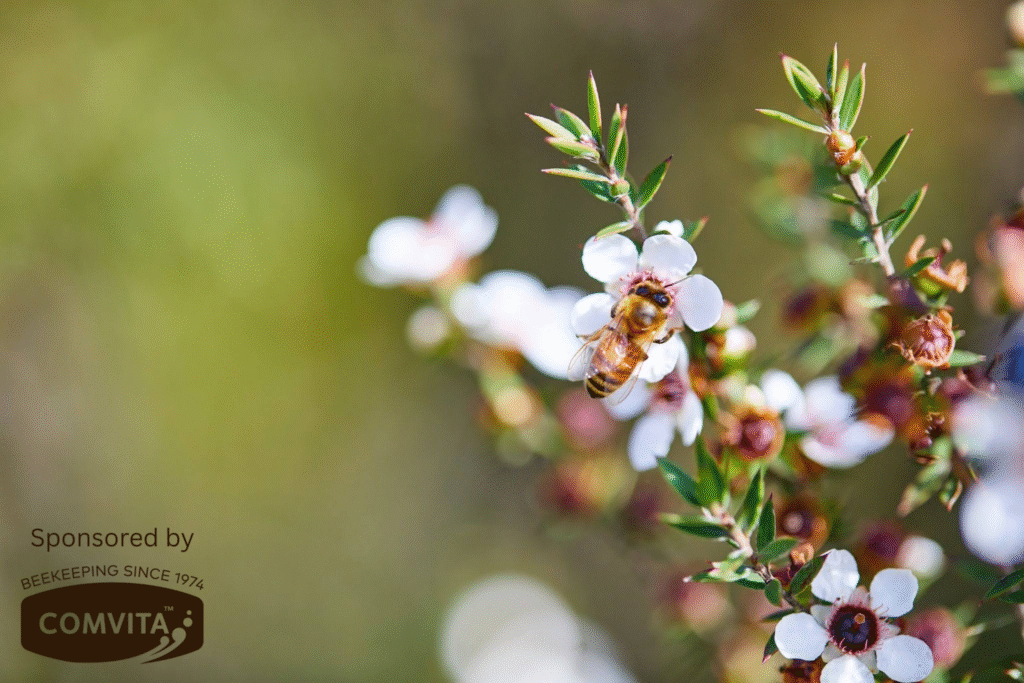
The article was written in partnership with Comvita.
There’s something quietly powerful about a single flower. Plant one in a sunny corner of your yard, tuck a few seeds into a window box, or scatter a wildflower mix along a fence line, and you’ve done more than add a splash of color to your day. You’ve opened a tiny restaurant for bees.
Habitat loss, climate shifts, and the slow disappearance of the meadows and wildflower patches they depend on have made it harder for bees to find food and shelter. Thankfully, we all have the power to help change that. When enough yards, balconies, and curbside planters bloom together, local bees can enjoy a continuous trail of food across neighborhoods that might otherwise feel like dead ends.
Getting Started
The good news is that contributing to this network doesn’t require a sprawling garden or a green thumb — you just need some well-chosen plants and a place to put them. Native wildflowers are a good place to start. They evolved alongside local bees, so they offer exactly the kind of nectar and pollen the neighborhood needs.
Bee balm, coneflowers, black-eyed Susans, lavender, borage, and clover are all reliable pollinator favorites in North America, but be sure to research what’s native to your neck of the woods before planting. And if you have room for an herb pot on a balcony, even better: Rosemary, thyme, and oregano in bloom are bee magnets.
When to Plant
Timing matters, too. Bees emerge hungry in early spring and forage well into fall, so a mix of plants that flower across the seasons keeps the buffet open longer. Consider kicking things off with crocuses and snowdrops in March, then closing out the season with sedum, asters, and goldenrod in October. Those bookend months are when food can be hardest to find.
Taking things from the flower bed to the yard, leaving a patch of your lawn unmowed for a few weeks in early spring lets clover and dandelions bloom, both of which bees adore. Skipping pesticides, especially during this flowering time, protects the bees that visit. If you really want to go all out, a shallow dish of water with a few pebbles for landing pads gives them a place to drink.
As the weather turns chilly in the fall, letting fallen leaves linger in a corner of the yard provides shelter for native bees, some of which nest in the ground or in hollow plant stems. None of this requires you to memorize Latin plant names or follow a meticulous schedule. It just requires paying a little more attention to what’s blooming (and what’s buzzing).
Making a Difference
Companies that work closely with bees know how much these small acts matter. Comvita, a New Zealand-based honey brand built around the careful stewardship of bees and the manuka trees they pollinate, has spent decades studying what healthy bee populations need to thrive. Its beekeepers tend hives in remote forests and bush-clad hills, and they’ve seen firsthand that bees do best when the landscape around them does, too.
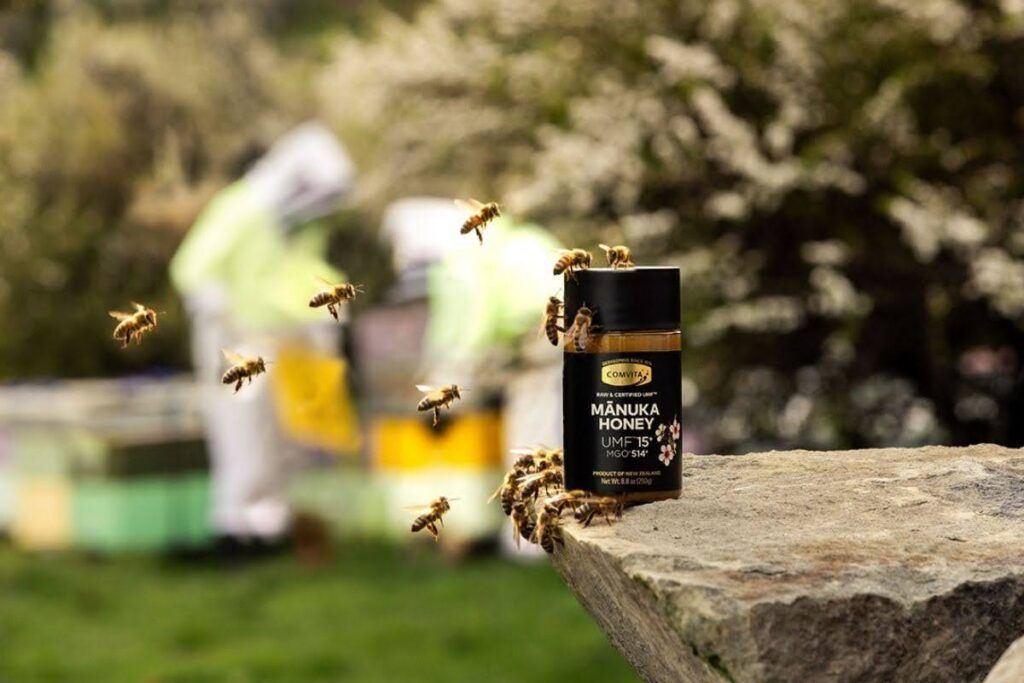
“The honeybee is a wonderful creature. They’re industrious, they are great at building community, they’re great communicators,” Comvita co-founder Alan Bougen said in 2020. “They dance and celebrate, they source beautiful products from nature. We can learn so much from [them].”
Bougen and fellow co-founder Claude Stratford started Comvita in 1974 with a simple idea: Bees, and their honey, could inspire healthier ways of living. More than 50 years later, that same vision continues to shape how the company operates. Comvita tends more than 20,000 hives, researches the natural compounds in the honey it harvests, and works to leave the land a little better than it found it.
But you don’t have to be a beekeeper in New Zealand to make a difference. Your care can live on your front step, in a planter you pass every morning. The flowers you plant won’t solve every problem bees are facing, but they’ll feed a few. And a few well-fed bees will pollinate the gardens, orchards, and wild places that feed the rest of us. That’s a lot of good packed into a single bloom.
Learn more about what Comvita is doing for the bees.
RELATED: “The Backbone of Ecosystems for Pollinators”: Why You Should Go Wild for Wildflowers This Spring