Thomas Edison, Alexander Graham Bell, Steve Jobs — not only do you likely recognize these names, but you also probably associate them with the inventions that made them famous. But what about the other, often overlooked designers whose ingenuity has significantly improved our lives?
Many innovators throughout history aren’t household names, so in honor of National Inventors’ Day tomorrow, we’re spotlighting a few lesser-known — but no less bright — minds. Each of their revolutionary designs sparked a progression in technology and carries a story of creativity and persistence that may just inspire you to come up with your own fresh idea.
Josephine Cochrane: The First Modern Dishwasher
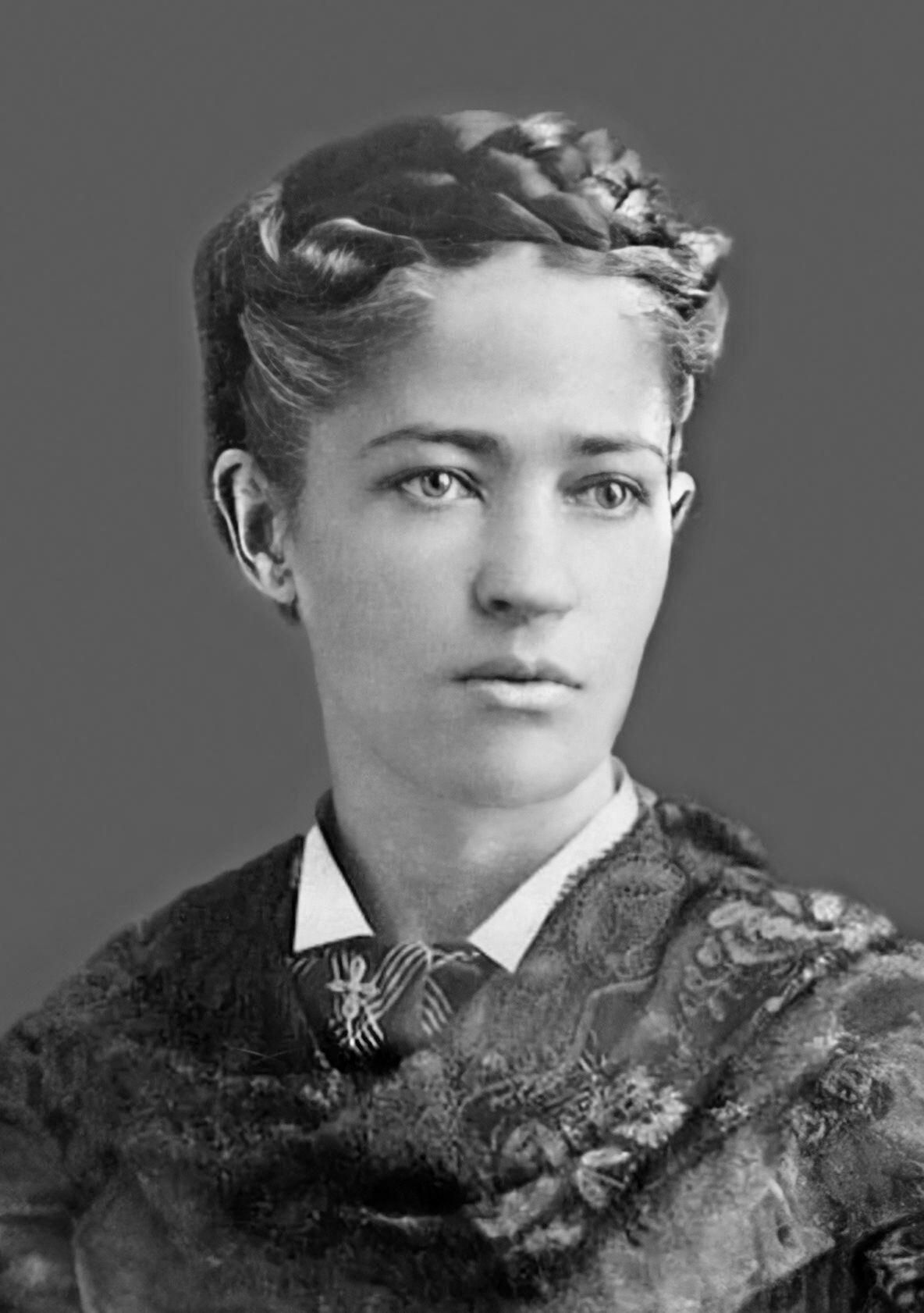
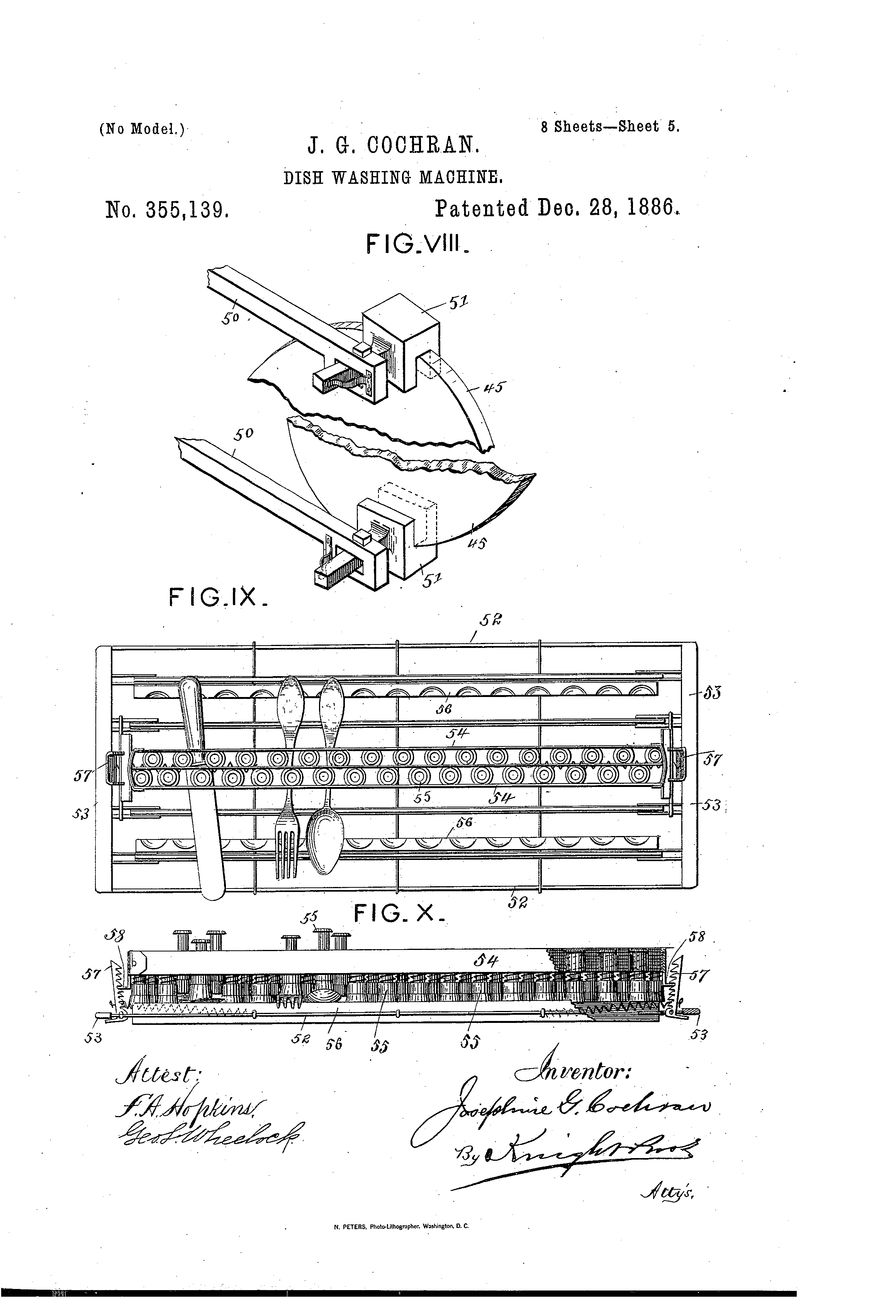
If it weren’t for Josephine Cochrane, we might still be washing all our dishes by hand. Cochrane created the first commercially viable dishwasher in the late 1800s, patented her design for the aptly named “Dish Washing Machine” in 1886, and won an award for design and durability in 1893 after presenting it at the Chicago World’s Fair.
Born in 1839, Cochrane faced limited higher education opportunities as a woman in that era, but that didn’t prevent her from putting her entrepreneurial drive into practice. While living as a socialite after getting married at 19, she found handwashing cumbersome and discovered that it would chip her fine china. “If nobody else is going to invent a dishwashing machine, I’ll do it myself,” she proclaimed, according to the U.S. Patent and Trademark Office, or USPTO.
Cochrane fashioned a design that included water jets, a dishrack, wire interior compartments, and a motor-powered wheel that released soapy water. While she found it difficult to secure help — men “insisted on having their own way with my invention until they convinced themselves my way was the better,” she said — a mechanic named George Butters eventually built the prototype in 1886.
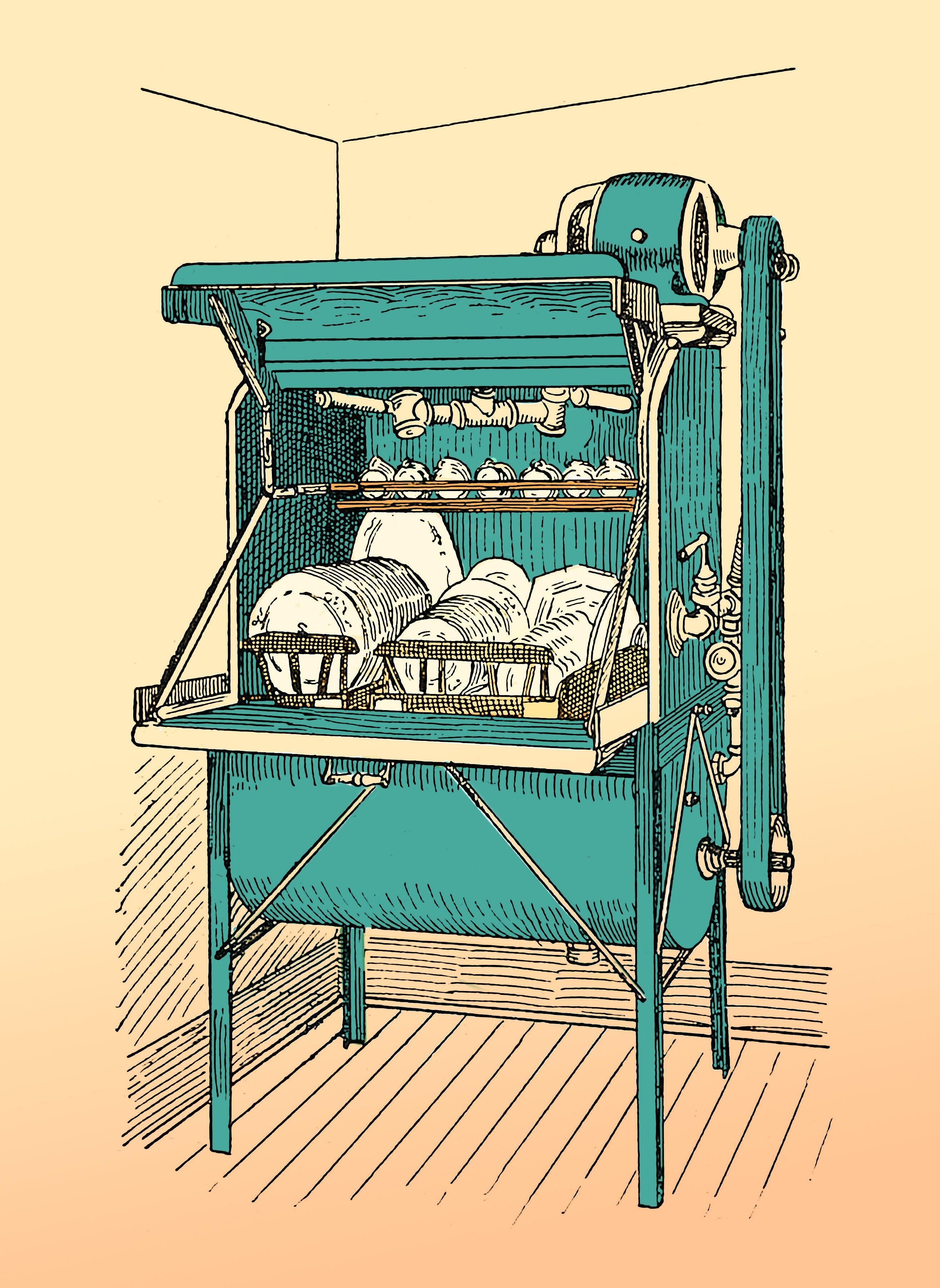
The machine took off in 1893, when institutions like restaurants and hospitals discovered that the large-sized version could wash and dry 240 dishes in just two minutes. About five years later, Cochrane launched Cochran’s Crescent Washing Machine Company along with a factory, but it wasn’t until the 1960s, over 40 years after she died, that an updated model of her invention became a household staple.
Charles R. Drew: New Blood Preservation Methods
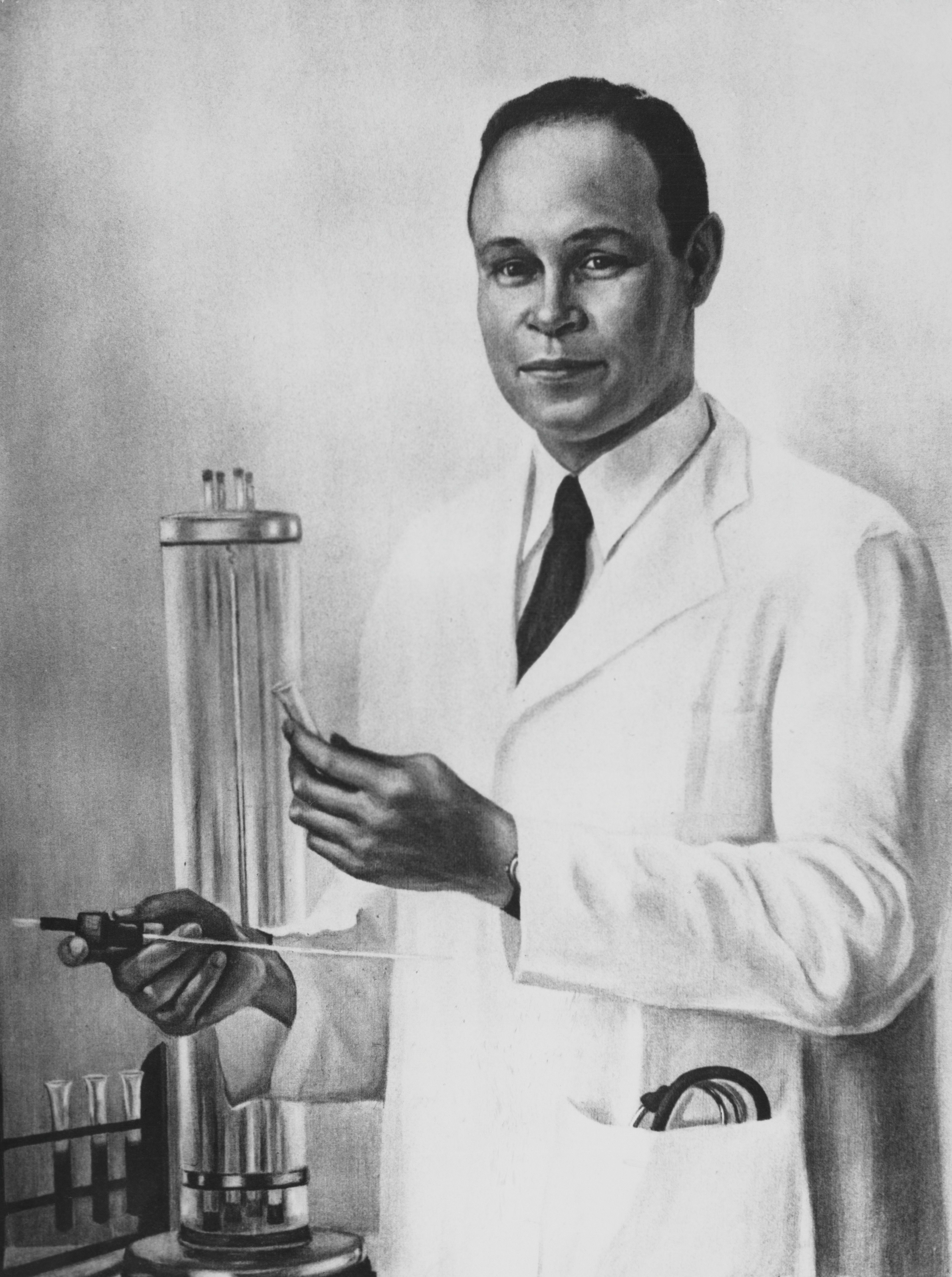
Another pioneer who overcame prejudices of their era, Charles R. Drew and his contributions have saved millions of lives. Now called the “Father of the Blood Bank,” Drew invented new techniques for processing and storing blood in the 1930s and 1940s, allowing donated blood to be preserved longer and help more people.
Drew’s motto was “Excellence of performance will transcend artificial barriers created by man,” per the USPTO — and it’s evident in his many academic achievements. He was one of 13 Black students attending Amherst College in Massachusetts in 1922. After graduating from medical school, his dissertation on blood preservation at Columbia University elevated him to expert status in the field and helped him become the first African American to earn a doctor of science in medicine degree.
While at Columbia, Drew discovered that plasma, the liquid part of our blood, can be extracted, refrigerated, and used for transfusions up to a week later, regardless of blood type. He and his team also designed innovative methods for shipping large quantities of plasma, which were used to save the lives of soldiers in Britain during World War II. Then in 1941, he invented bloodmobiles: refrigerated trucks that enabled people to easily stop by and donate.
The next year, Drew resigned from his position as director of the American Red Cross Blood Bank in the wake of the organization’s decision to refuse blood plasma donations from Black Americans. “It is unfortunate that such a worthwhile and scientific bit of work should have been hampered by such stupidity,” Drew said in a speech when receiving the NAACP 1943 Spingarn Medal, adding, “It is imperative therefore that we meet this new form [of discrimination] and smash it as we must smash all the others.” The Red Cross reversed its decision in 1950, validating the criticism Drew had raised years earlier.
Ching Wan Tang: OLEDs and Other Organic Technology
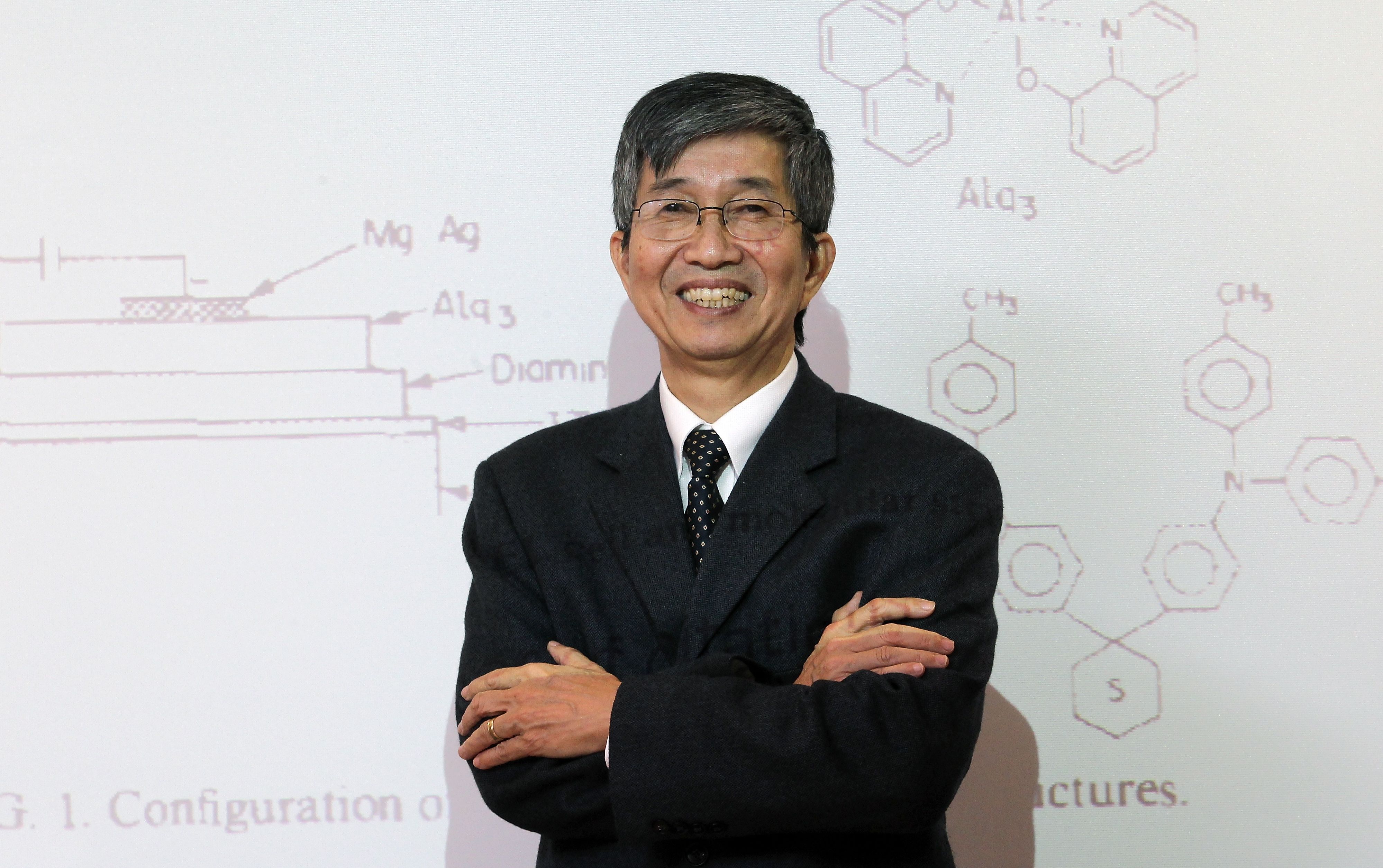
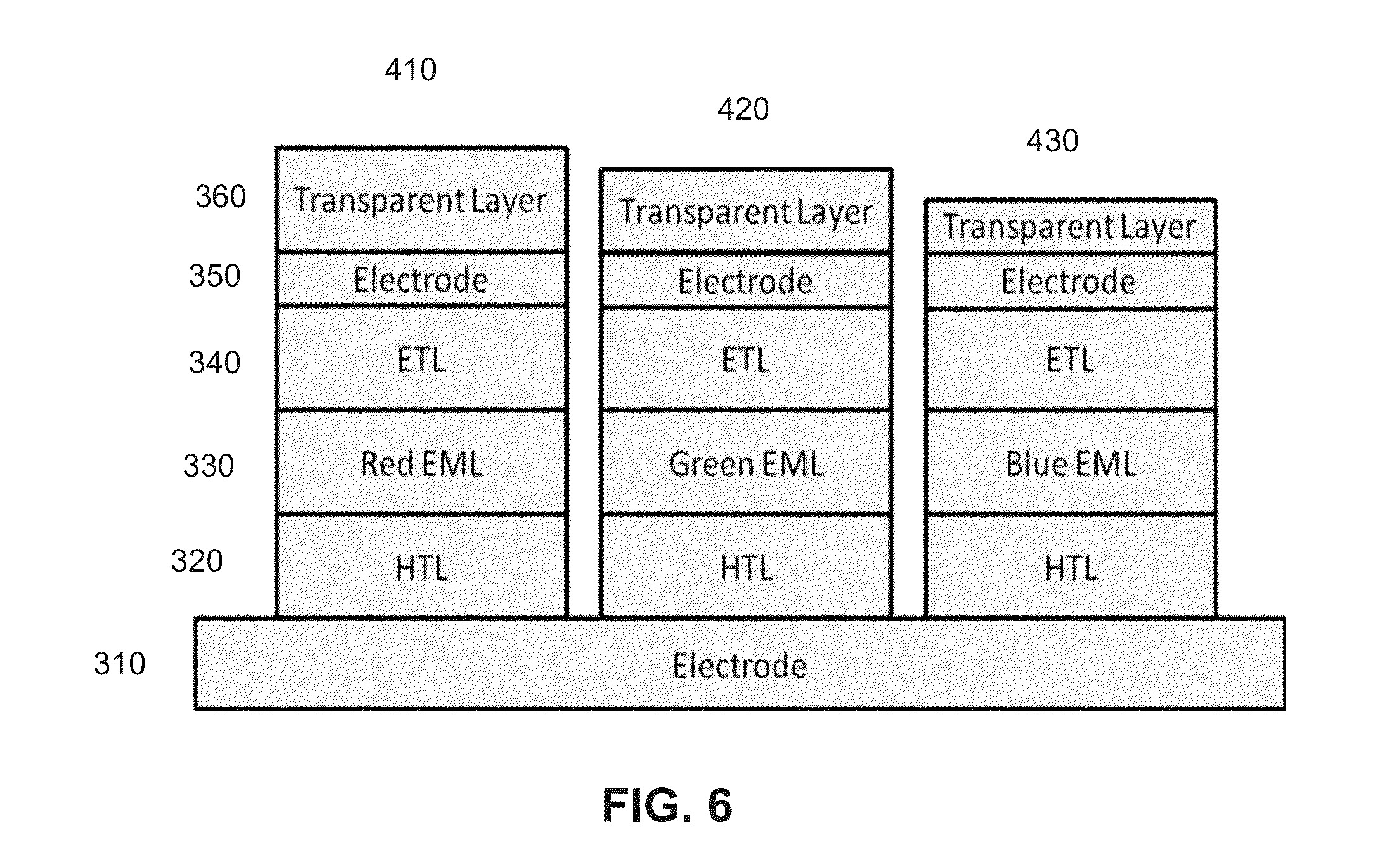
You may not know his name, but if you’ve ever used a smartphone or modern TV, you’ve definitely seen Ching Wan Tang’s ingenuity in action. Along with chemist Steven Van Slyke, he developed organic light emitting diodes, or OLEDs, in the 1990s: thin, flexible, energy-efficient panels that don’t require a backlight but provide bright, colorful light displays in an array of technological devices.
Growing up in Hong Kong, Tang became an inventor at a young age, fashioning a tool for more efficient weeding in wet rice fields. After earning a doctorate in chemistry from Cornell University in 1975, he began working at Kodak, where he and Van Slyke found a compound in the company’s chemical library that wound up being “the beginning of the practical OLED,” Tang told the National Inventors Hall of Fame.
The first product to use the new tech was a car stereo in 1997, and by 2008, Sony had launched a TV with an OLED display. In 2025, Precedence Research predicted that the global OLED market will grow from $68.27 billion to $385.91 billion by 2035.
But Tang’s influence goes far beyond that: He’s now named on over 80 patents related to organic tech and luminescent materials and has won a plethora of awards, including the Wolf Prize in Chemistry and Eduard Rhein Technology Award.
As a pro inventor for decades, he offered some words of wisdom for aspiring innovators: “What’s most important is that you always experiment with ideas,” he said, adding, “Usually, you don’t discover something that’s totally unexpected. You must be thinking about the problem all the time, even in your sleep. You just try mentally, one way or another, or in the lab, one way or another, and you keep thinking about it. And somehow, the door cracks open, and that’s discovery.”
Ready to open the door to your own unique idea? After all, the USPTO says “anyone can be an inventor.” Check out this guide to get started.
RELATED: The Woman Who Warmed Up Our Winter Driving Woes: How Margaret A. Wilcox Invented the Car Heater