This winter, Nice News is partnering with Cure Blindness for our Cause of the Season — a quarterly fundraising initiative spotlighting nonprofits making the world a better place. Click here to donate, and read on to learn about the essential work the organization is doing.
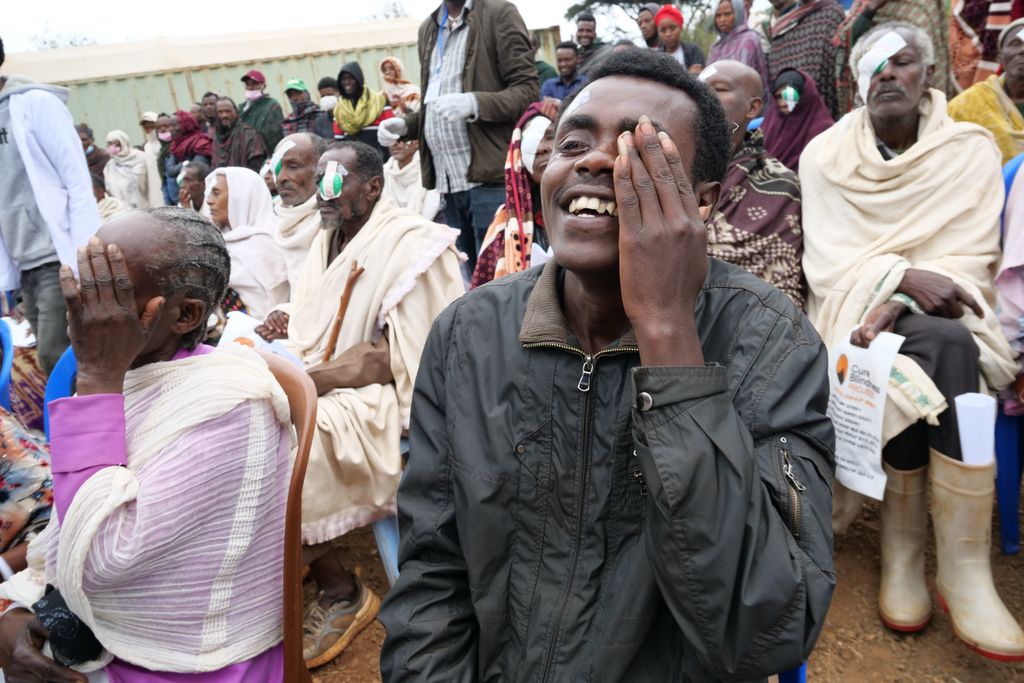
It’s impossible not to smile when watching someone get their bandages removed after cataract surgery. It’s a moment of pure human joy — “magic,” as Dr. Matt Oliva described it.
“When I take the patches off, there’s this sort of amazing moment that you can share with another human being when they start to realize, ‘Oh my gosh, I can see again,’” Oliva, an ophthalmologist and board chair of the Cure Blindness Project, told Nice News.
K-T Overbey, the CEO of the nonprofit, echoed that sentiment, recalling the story of a woman who hadn’t been able to see her grandchildren until her sight was restored. “It’s one of these situations where you realize that humans are humans, no matter where they happened to be born,” she said.
In 2025, the organization facilitated more than 306,000 sight-restoring surgeries across 26 nations — its most impactful year to date since its beginning in 1995. Initially focused on Nepal and called the Himalayan Cataract Project, Cure Blindness was founded to create a world where no one is needlessly blind. It’s still working toward that goal today, but now does so in dozens of countries, largely in South Asia and sub-Saharan Africa.
Blindness affects an estimated 43 million people around the world, but 80% of those cases are treatable or preventable. Cure Blindness is on the ground doing the treating and prevention.
That involves conducting cataract surgeries, addressing nutritional deficiencies that can lead to vision loss, and providing primary care for minor eye injuries that can turn into blindness if left untreated.
Training local medical providers to do this work is a cornerstone of the mission — in early March, Cure Blindness will open the Cape Coast Teaching Hospital in Ghana, which will serve as an eye care center in addition to hosting the country’s third residency program for ophthalmologists.
“We still bring over fantastic doctors and nurses from the U.S., the U.K., other places, and they help to teach and things like that. But that’s not a sustainable solution,” explained Overbey. “You have to really be able to build up the system locally so that you’ve got doctors and nurses who are serving their own communities and are there for the long term.”
Oliva, who’s been working with Cure Blindness for nearly three decades, has seen those systems being built firsthand — in 2008 in Ethiopia, he said he knew of maybe 10 cataract surgeons that could do high-quality surgery. Today, there are several hundred. “If we want to solve world blindness, we need to teach these techniques and then empower the local teams to be able to go out and find the blind patients and take care of them,” he said.
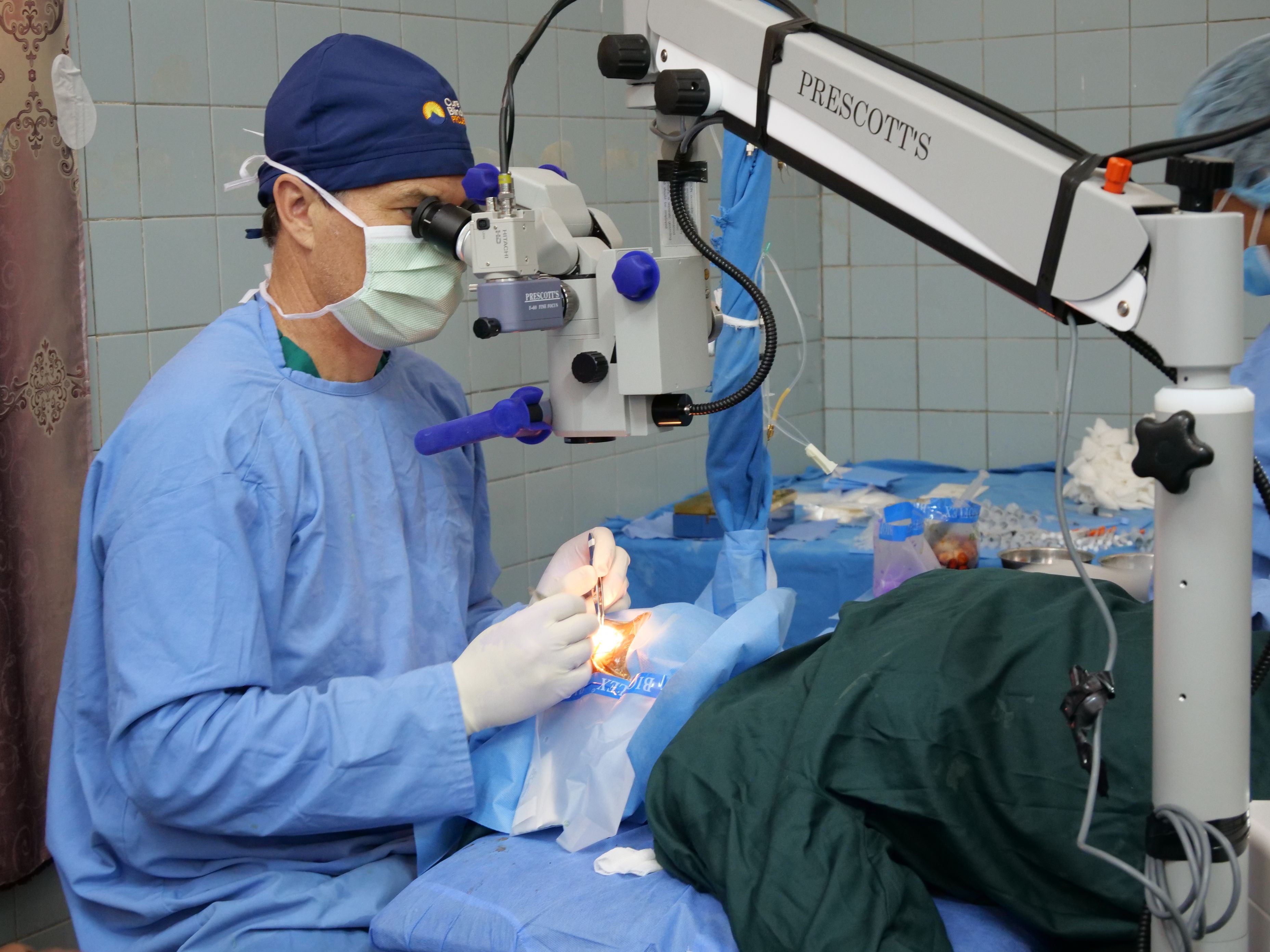
Cataract blindness, which accounts for the bulk of treatable blindness cases, occurs when the eye’s normally clear lens becomes clouded. An estimated 17 million people are blind in both eyes from this — but the operation to fix it can be as quick as three minutes and the materials to complete the operation cost just $25.
That’s a small price to pay for not just changing one person’s life, but creating a ripple effect that can uplift an entire community. Part of that uplifting is financial: The return-on-investment for cataract surgery is $20 for every $1 spent, “one of the highest of any public health intervention in the world,” Overbey said.
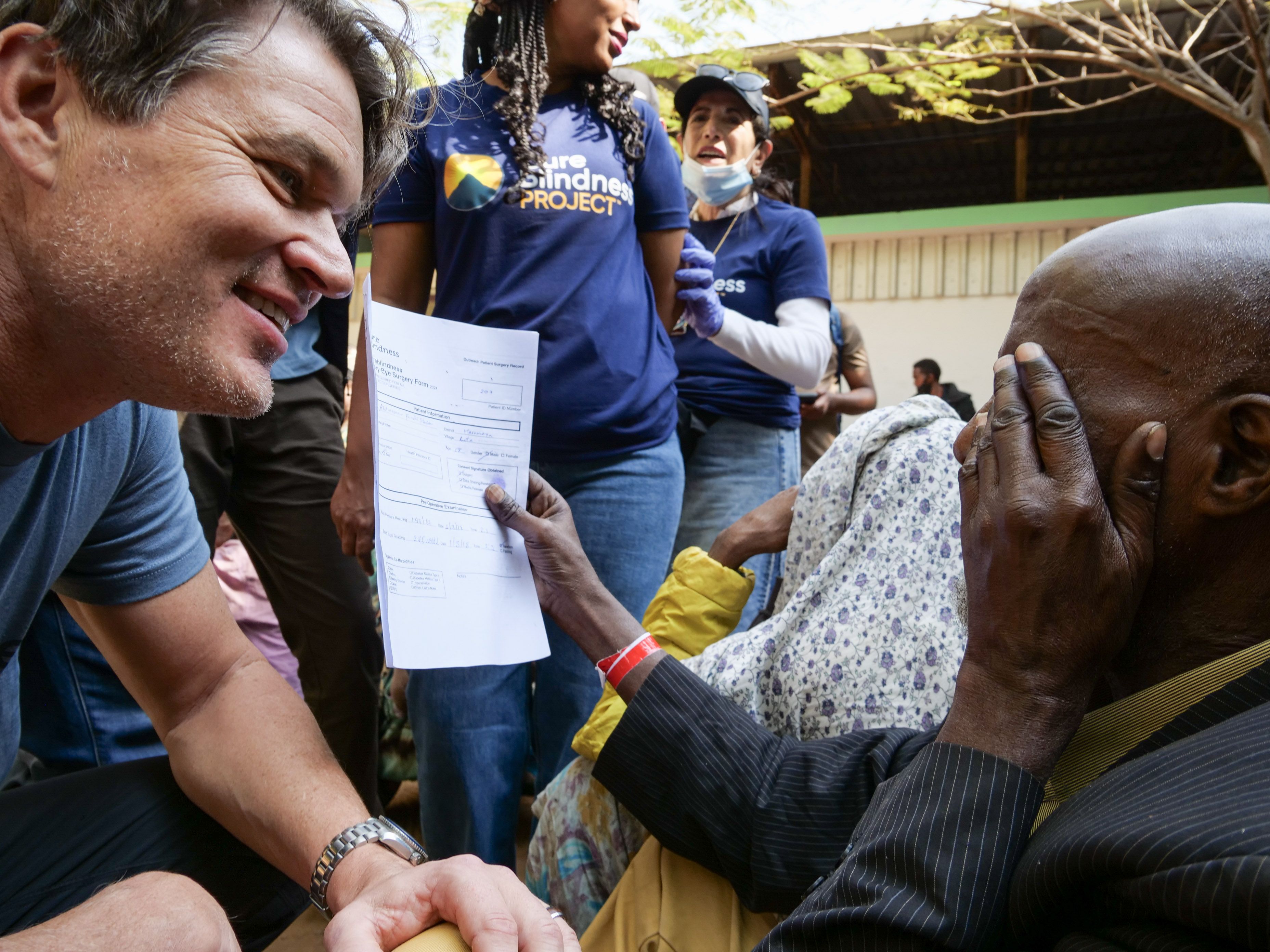
It goes beyond that, though. Caregivers, many of them young women, often have to drop out of school or the workforce to look after a blind family member. When that person can see again, it transforms the everyday life of the caregiver as well.
Oliva recalled the case of a 10-year-old boy who had been taking care of his blind mother for most of his life. After her successful cataract surgery, “he was probably the happiest person around.”
“I could just see that he knew his life had changed when his mom had her vision back,” Oliva recalled, adding, “It has a ripple effect, not just for the individual’s happiness, but for the family’s happiness and the community’s happiness, too.”