If you’re looking at the social media feed for #softlife, you might assume the trend is solely focused on curating aesthetic peaceful experiences: With nearly 200 million views on TikTok, the hashtag is populated with videos of people enjoying things like candlelit baths and working by the gently lapping ocean. But truly embracing a soft life has nothing to do with appearances.
Though it began popping up on social media in the early 2020s thanks to the Nigerian influencer community, its roots go back much further: to a movement that focuses on carving out “spaces of softness, rest, and healing” for Black people, especially Black women, author Rachel Cargle wrote for the Los Angeles Times in 2023. She added: “This conversation spans generations of thought leaders who either hint at or loudly insist that we claim gentler ways for Black women to move through the world.”
Its recent surge in popularity is partly a response to the hustle culture of the 2010s, in which the glorification of entrepreneurship and the “girl boss” mentality reigned supreme. And according to Stephanie O’Dea, host of the Slow Living podcast and author of Slow Living: Cultivating a Life of Purpose in a Hustle-Driven World, the increased attention on slowing down can also be credited to the “constant pressure” to optimize every facet of our lives.
“We’re constantly surrounded by messaging (both on and offline) that tells us we should always be doing more, achieving more, and becoming more,” she told Nice News in an email. “No matter what we accomplish, it can feel like it’s still not enough.”
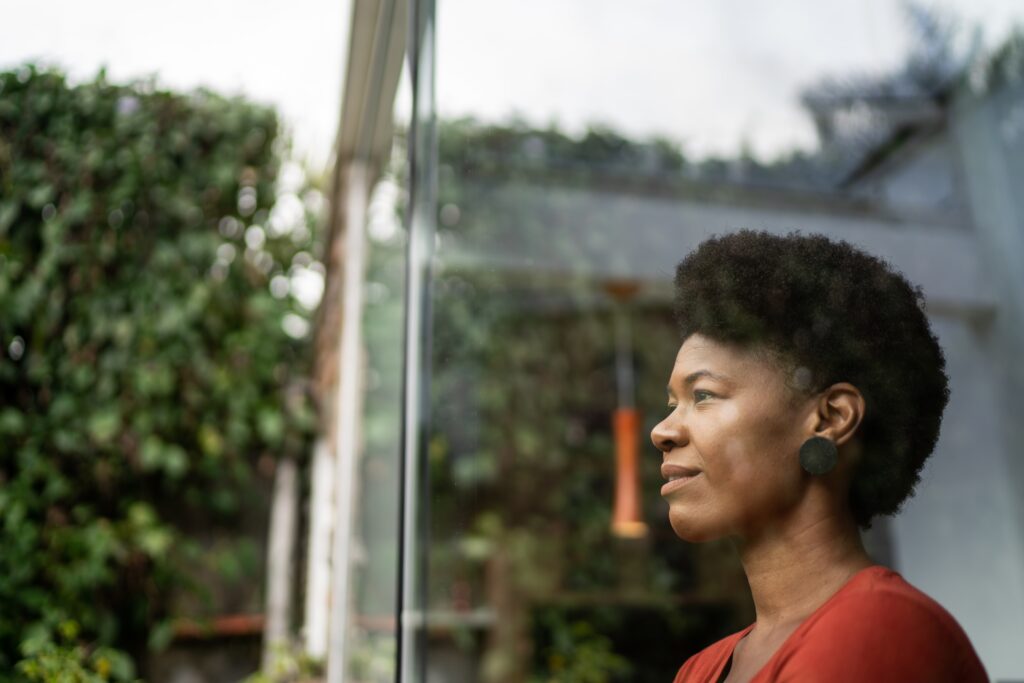
Today, some of us rejecting this “rise and grind” lifestyle do so by indulging in more material luxury. But the core of the soft life philosophy, children’s author Madeline Wilson-Ojo told Stylist, is to use “your agency to create the life you desire.”
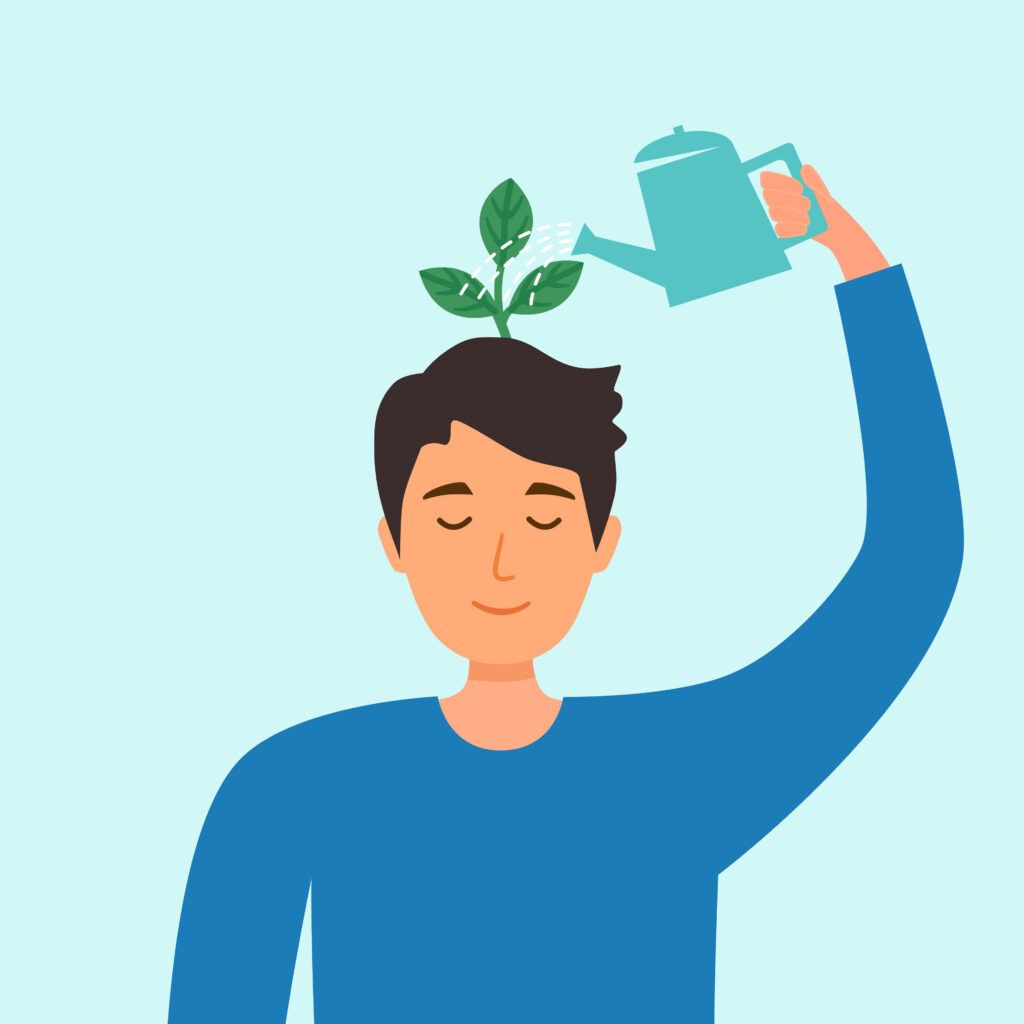
She added: “It’s about having time for myself, creating pockets of joy throughout the day, being in good health physically and mentally, having a good support system, and doing things I enjoy. I believe if more people embraced this definition, the soft life would become more accessible.”
A Soft Life vs. Slow Living
O’Dea explained that the two terms, a soft life and slow living, have different meanings: The former is reactive and the latter proactive.
“They come from slightly different places,” she said. “Soft living is often a reaction and a retreat due to burnout, exhaustion, or overwhelm. Slow living helps set you up to keep this burnout from occurring in the first place. Instead of simply recovering from a stressful lifestyle, slow living focuses on intentionally designing a life that you don’t feel you need to escape from.”
Activities that fall under the soft life umbrella tend to have shorter-lived effects — a massage may make you feel relaxed for the rest of the day, for instance, and working outdoors might make your afternoon more enjoyable. But slow living dives even deeper.
“It encourages people to step back and ask what actually matters to them rather than constantly trying to meet someone else’s definition of success,” O’Dea said. “For many people, it’s a way to create a life that feels calmer, more stable, and more aligned with their values.”
How to Slow Down
Step Back Intentionally
According to O’Dea, the first step to releasing yourself from the chaos of everyday life is to take a temporary break. “I sometimes describe it as doing a small ‘factory reset,’” she shared. “That might mean spending time outside in nature, unplugging from media, or simply sitting still in a quiet space away from the constant stream of information and expectations.”
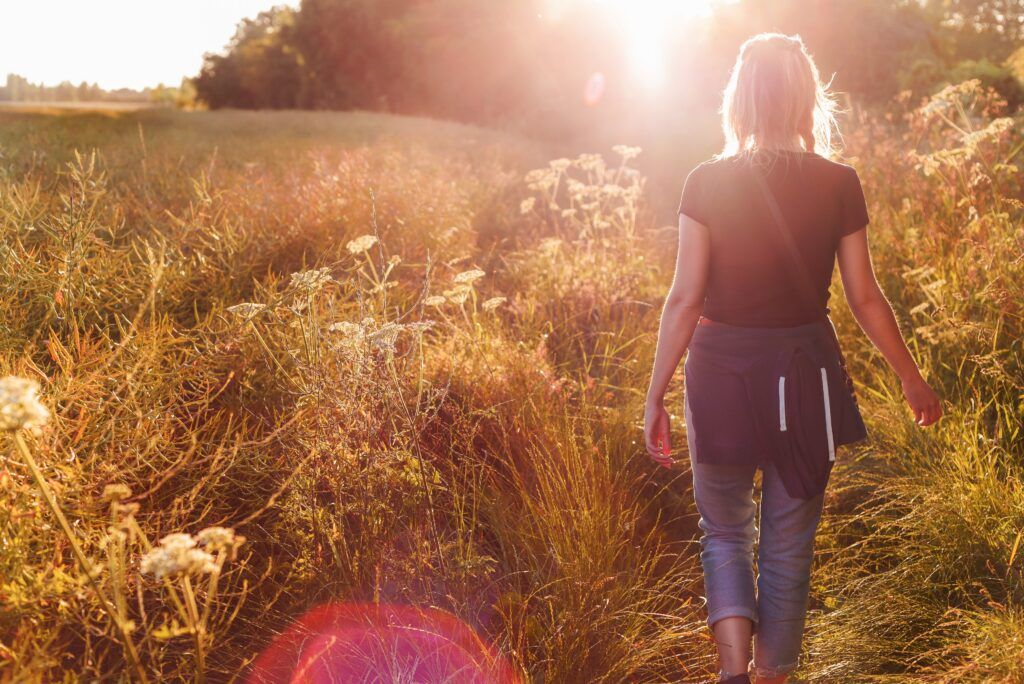
To keep the break productive, though, determine its timeframe beforehand. “It could be something as simple as a 20-minute walk without your phone, or it might be a full weekend where you disconnect and reset,” O’Dea said. “Setting a clear boundary helps the break feel restorative rather than drifting into avoidance or isolation (such as bed rotting).”
Prioritize Quality Over Quantity
Hustle culture dictates we fill our schedules to the brim, but a maxxed-out calendar can often leave us feeling depleted. Instead, use your factory reset to identify what matters most to you. “One aspect of slow living is that it helps you evaluate what is important and what offers the greatest pleasure, and what you should consider giving up,” Laura Malloy, a director at the Benson-Henry Institute for Mind Body Medicine, said in an interview with Harvard Health Publishing.
For Wilson-Ojo, this meant taking inventory of her day-to-day life after struggling to juggle too many responsibilities, and making changes to align it with her values. “The truth is I was failing at everything and I knew something had to give,” she told Stylist, adding, “Now my time is largely spent raising my son and writing my second children’s book — these are the things that make me happy.”
Incorporate Mindfulness
While you’re considering larger changes, making a smaller adjustment can have a big impact as well: practicing mindfulness. This doesn’t necessarily require setting aside dedicated time to meditate (although it can certainly be beneficial). Living in the present also means simply staying engaged moment to moment while walking, eating, cleaning, and going about our other daily activities.
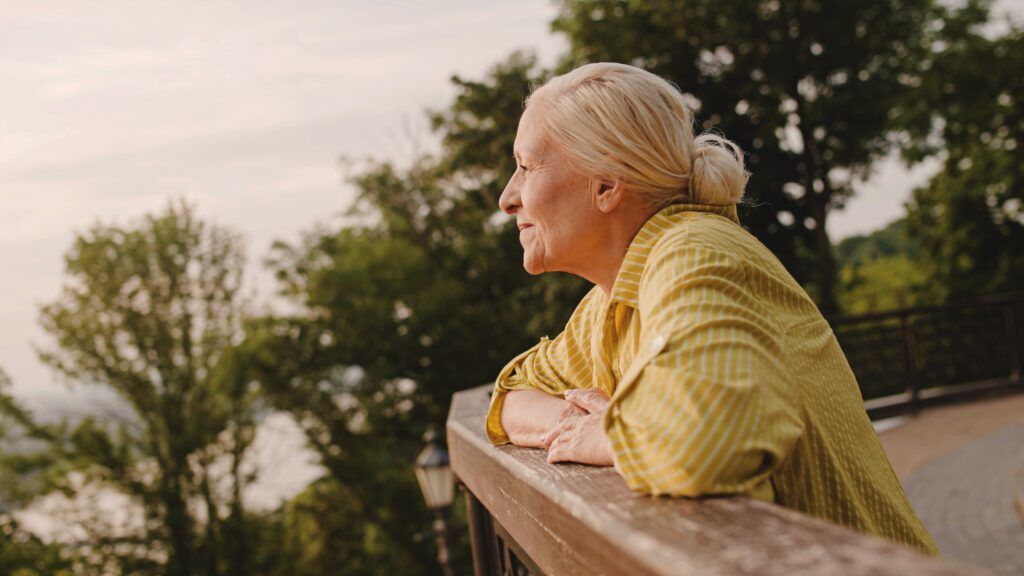
“Don’t focus on rushing from point A to point B,” Malloy told Harvard Health Publishing. “Instead, pay attention to your surroundings and use all your senses. Notice the scenery, the sounds of birds, the smell of the air, how the sun feel[s] against your skin.”
Rethink Rest
Another way to slow down is to make more room for rest. According to community organizer Tricia Hersey, rest is a form of resistance against the pressure to constantly produce. “To not rest is really being violent towards your body,” she said in a 2020 episode of the podcast For The Wild. “To align yourself with a system that says ‘Your body doesn’t belong to you, keep working, you are simply a tool for our production’ — to align yourself with that is a slow spiritual death as well.”
While rest can certainly include napping more (and indeed, Hersey founded an organization called The Nap Ministry that encourages doing just that), it can also involve spending more time outdoors and in your community. Perhaps you bike or walk somewhere instead of driving, visit a farmers market instead of a grocery store, or go to your local library instead of ordering a book from Amazon.
For Cargle, it involves finding “the tiny joys in living.” She wrote for the LA Times: “It also includes having a renewed relationship with food, land, and nature through things such as growing my own tomatoes, hiking with friends, and bird-watching in the springtime as an act of joy.”
RELATED: “It’s Required Maintenance”: The 7 Types of Rest That Can Help You Feel Restored