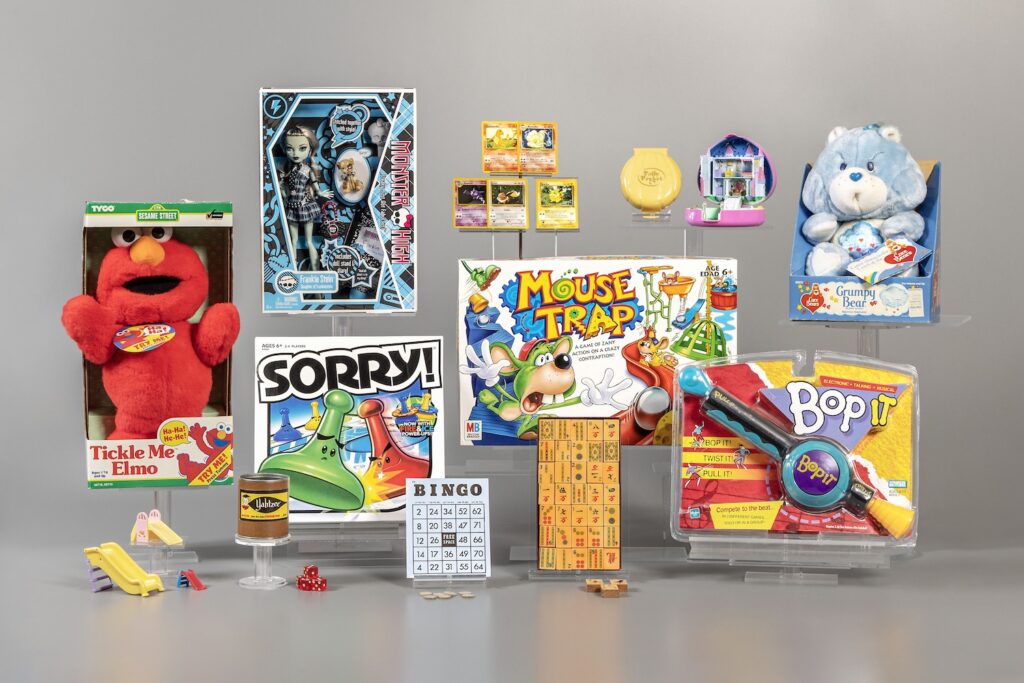
The 2026 crop of National Toy Hall of Fame finalists has something for everyone: baby boomers who grew up with Mouse Trap, ’80s kids who collected Care Bears, and veteran and newcomer mah-jongg club members alike.
Announced today by The Strong National Museum of Play in Rochester, New York, 12 contenders are vying for induction, and the public is invited to join in on the selection process. (The finalists themselves were selected out of thousands of nominations from fans.)
The three toys that receive the most votes on the Player’s Choice ballot — open through Sept. 23 — will join the top three picks from the museum’s 22-member selection committee. The overall winners will be decided based on total ballots and announced in early November. Typically, three toys make the cut, but that’s “not 100% set in stone,” a museum rep told Nice News.
“It’s debating season, and this year’s finalists give everyone plenty to talk about — from classic games to plush icons and other toys that have shaped generations of play,” senior curator Michelle Parnett-Dwyer said in a news release. “The debate is part of the fun because every toy sparks different memories and makes its own case for why it matters.”
The Hall of Fame was launched in 1998 and “recognizes toys that have engaged and delighted multiple generations,” per the release, with induction criteria including longevity, innovation, and “icon-status.” A total of 90 toys have been honored so far, from American Girl dolls and baseball cards to Silly Putty and the bicycle.
Scroll down to see the 12 finalists and their “bios,” courtesy of The Strong, and then head to ToyHallofFame.org to cast your vote.
Bingo
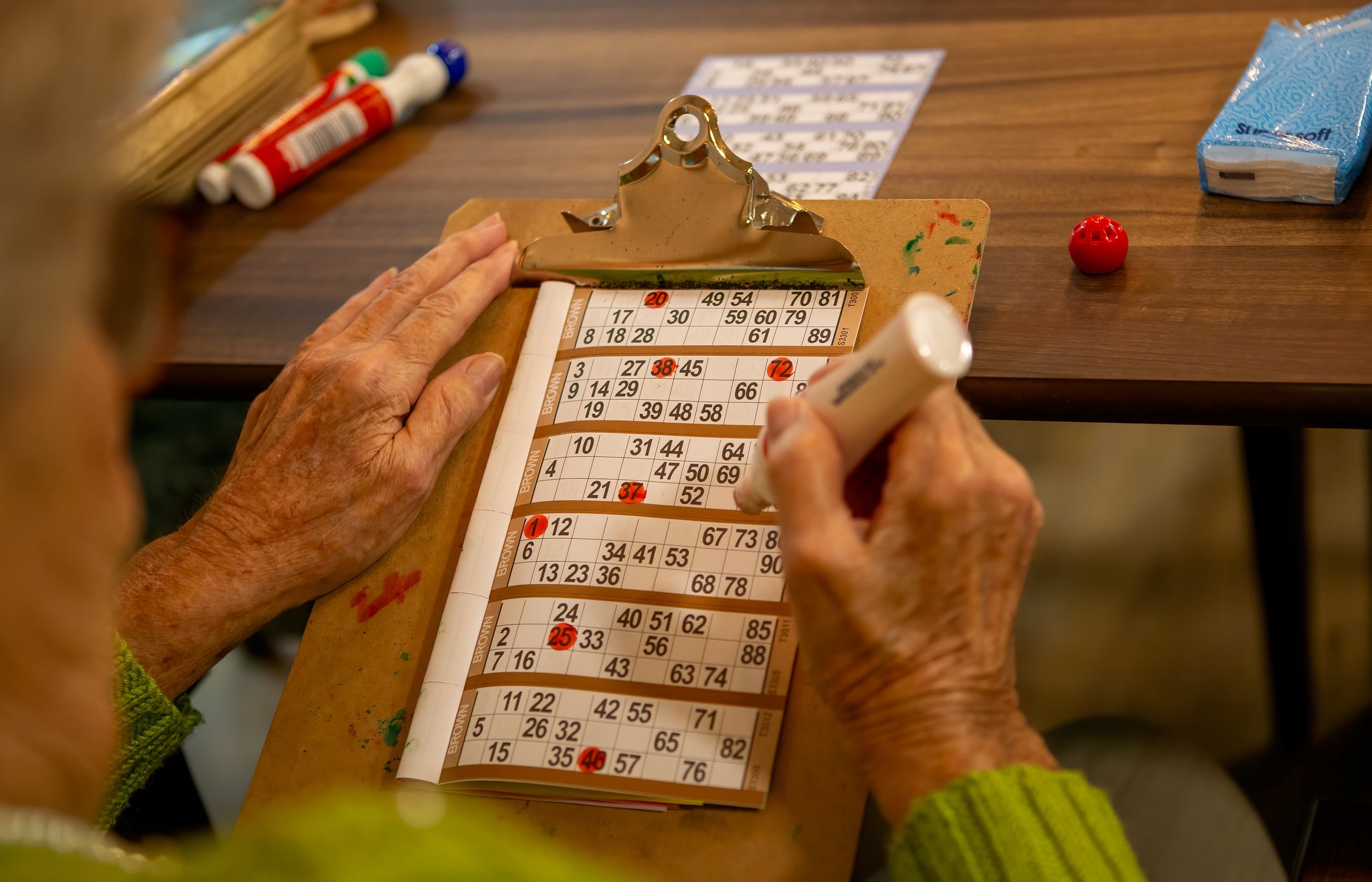
American bingo is descended from a lottery game first played in Italy around 1530. The game came to be known as lotto and was played in France and in Germany as a teaching tool. A marketer copied the 1920s American carnival game beano and changed its name to bingo, and the game has become a staple of adult play and fundraisers for churches and charity organizations. Games like bingo are played worldwide. One such game, Loteria, is especially popular in Mexico.
Bop It!
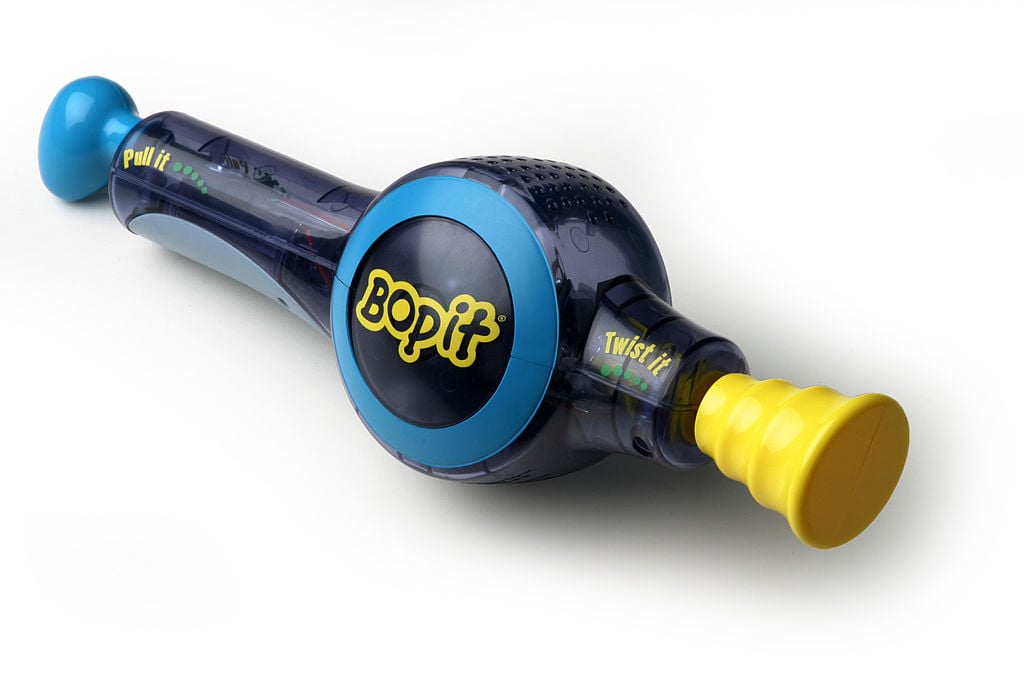
Bop It! debuted in 1996 and combined electronic game processes with free play and physical elements in an innovative way. The handheld game challenges players to follow voice-recorded commands and press the large button, or pull a handle, or twist a lever, depending on the instruction. Experts claim the game helps with hand-eye coordination, focus and attention, and sensorimotor integration — on top of being fun!
Care Bears
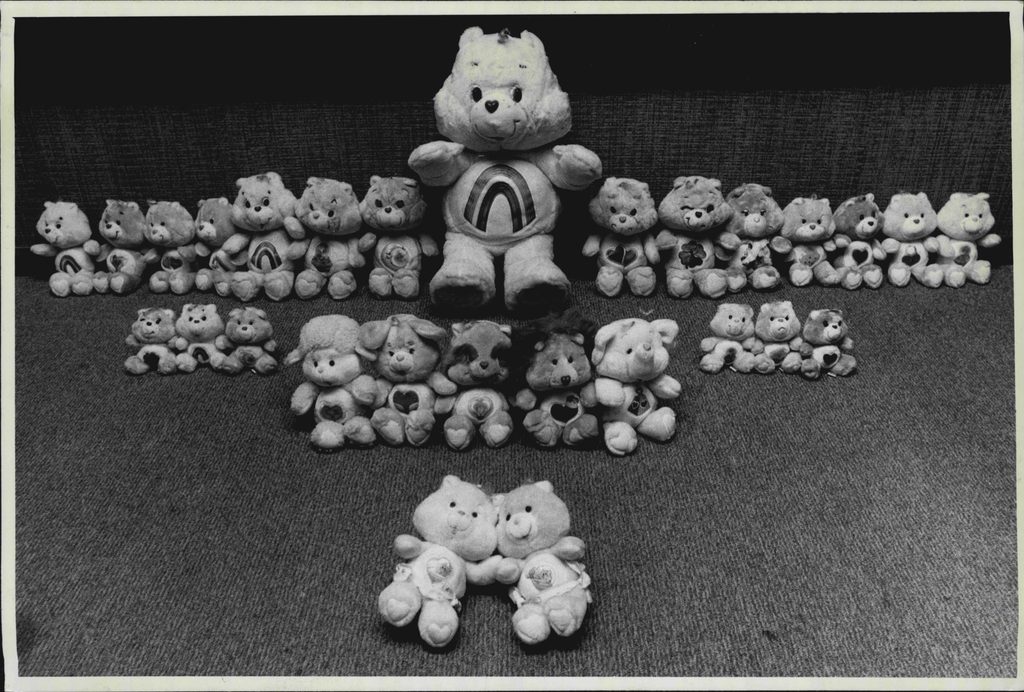
Soft and sweet, cute and cuddly, Care Bears have been teaching youngsters compassion, kindness, and consideration for others since the early 1980s. Stars of storybooks, television shows, movies, games, toys, and home decorations, Care Bears fuel kids’ sense of fantasy and adventure even as they mature emotionally.
Mah-Jongg
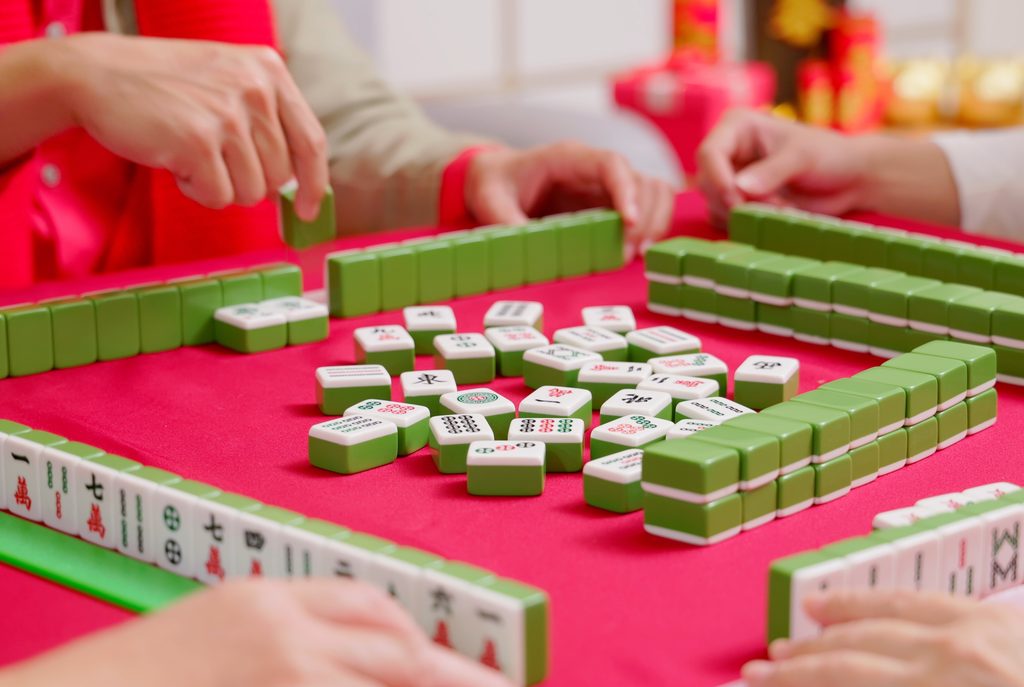
Mah-jongg evolved from 18th- and 19th-century gambling card games in China. Variations spread to Korea, Japan, and other areas of Asia before becoming popular in the United States in the 1920s. As played in the U.S., mah-jongg played like gin rummy but was changed in the 1930s when the National Mah Jongg League established more formal and limited rules. In recent years, the game is experiencing what NPR called a “surge in interest” and increased popularity among a new generation of players.
Monster High
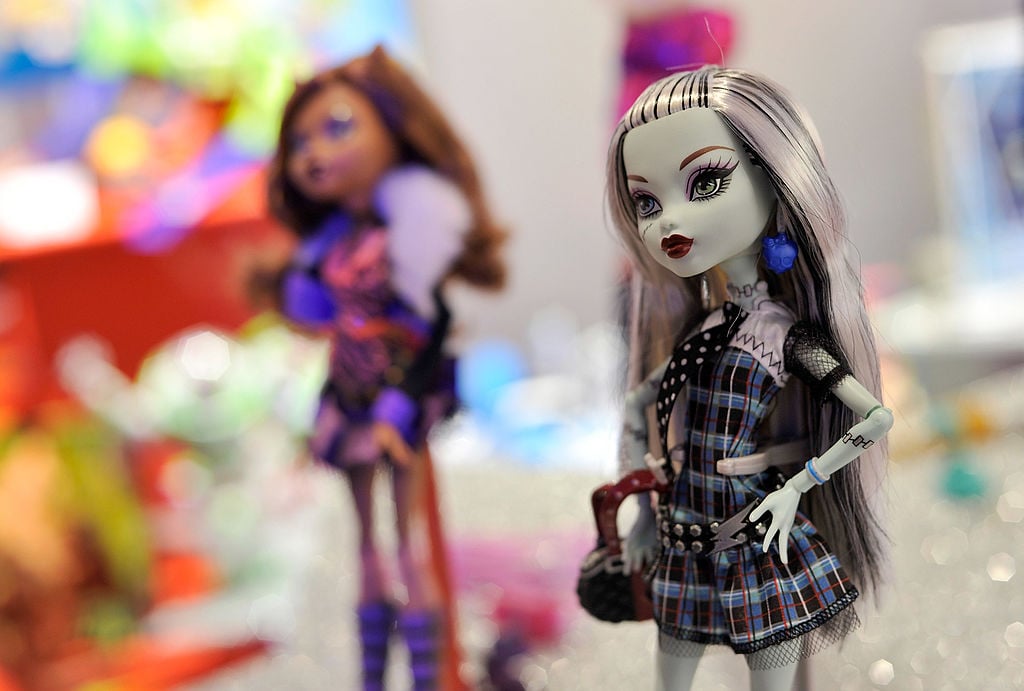
Monster High hit the fashion doll scene in 2010. The first line included Frankie Stein, Clawdeen Wolf, Lagoona Blue, and Cleo de Nile. These were not just the children of vampires, mummies, werewolves, and sea creations, but complicated characters with backstories packaged in small diaries. Since their launch, Monster High dolls have defied traditional beauty standards, encouraged self-love and inclusivity, and broken the mold in the doll aisle. Monster High dolls also encourage imaginative play for children and adult collectors and inspire community.
Mouse Trap
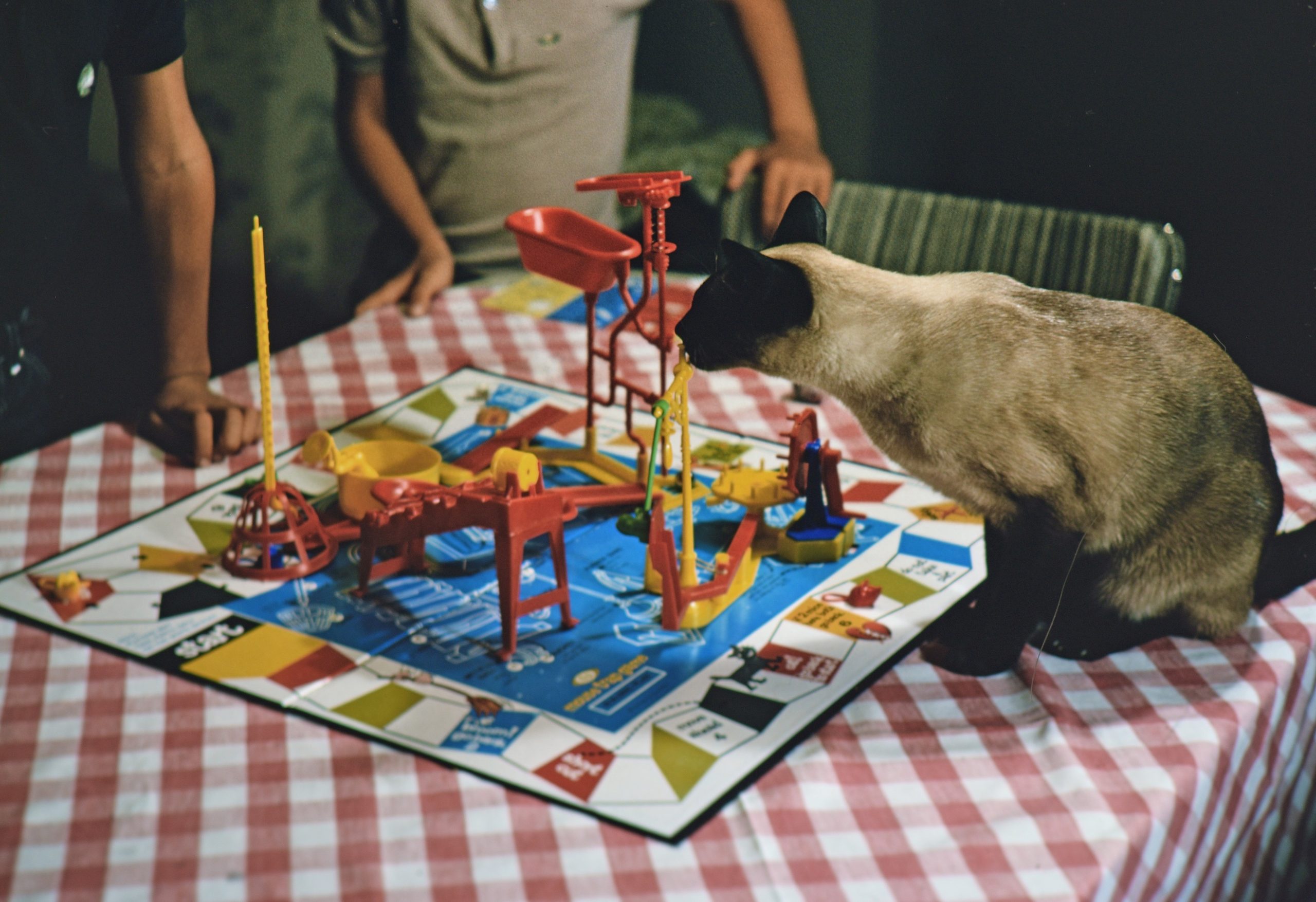
When Mouse Trap debuted in 1963, no game in the world looked quite like it. It used injection-molded plastic to create a Rube Goldberg-esque contraption at the board’s center and blurred the line between board games and toys. Players construct the titular trap piece by piece, hoping to capture each other’s mice. Initially rejected by both Milton Bradley and Parker Brothers, it ultimately became a massive success under the Ideal Toy Corp. (now owned by Hasbro) and inspired other action board games with three-dimensional plastic pieces, such as Hungry Hungry Hippos.
Pokémon Trading Card Game
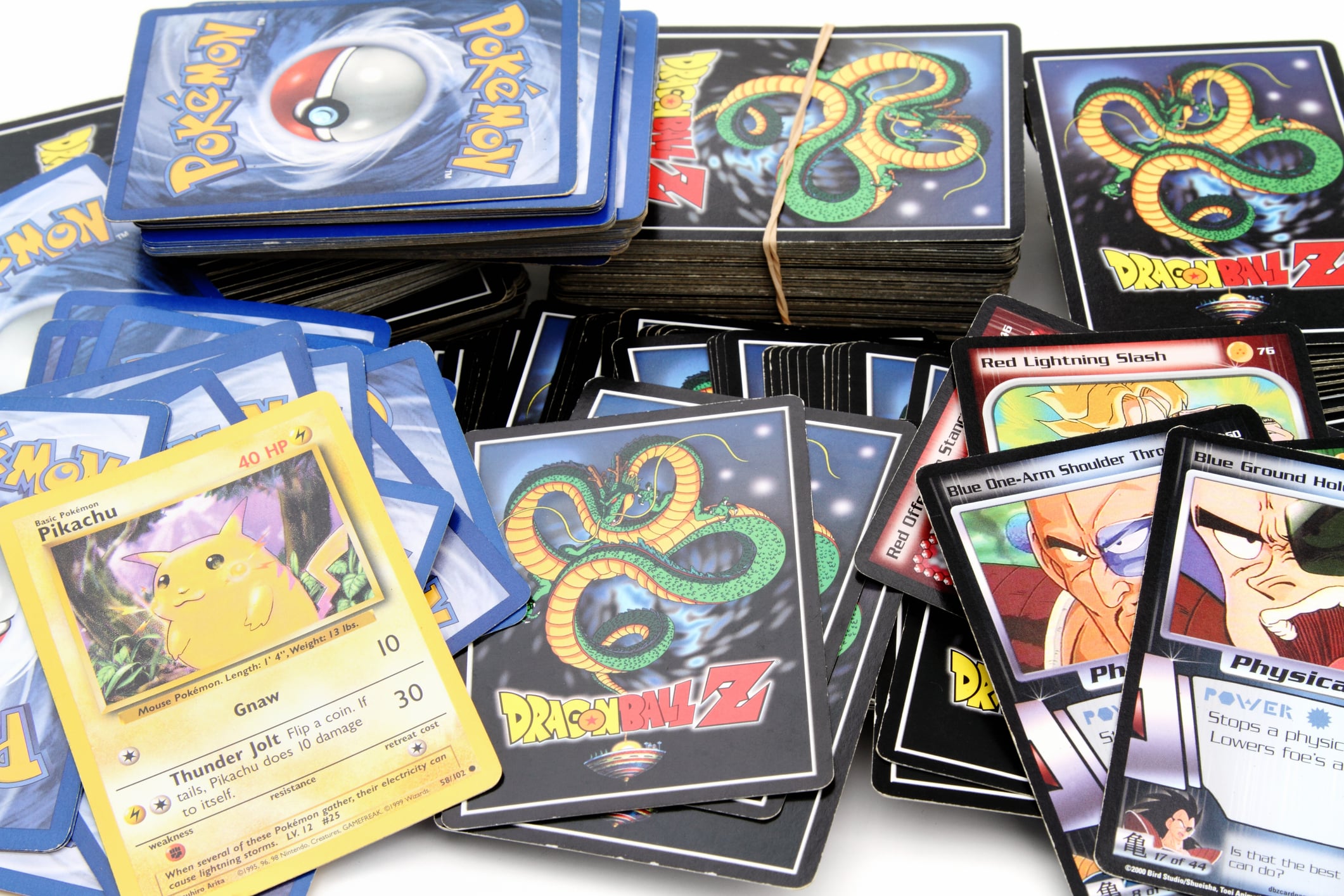
Pokémon Trading Card Game has impacted trading card games throughout the world, with billions of cards produced since it debuted in 1996. The game’s mechanics are straightforward and can be grasped within a single game. Supported by a dedicated community of anime enthusiasts, manga readers, and video game players, the Pokémon TCG is renowned for its accessibility, making it an attractive option for players of diverse ages and backgrounds.
Polly Pocket
Since 1989, Polly Pocket has proven that good things come in small packages. The first Polly Pocket playsets consisted of a pastel-colored clamshell case that opened to reveal an entire world with molded spaces such as a beach, café, or country cottage, giving kids a sanctuary to hold in their hands and fostering creative play. Polly Pocket was a simple concept rooted in whimsy and escape and executed in a dazzling, intricate, and portable design.
Slide

While the origins of the first slide for play and recreation are debated, many scholars believe they have existed for centuries. Slides are both a means for thrill-seeking and exercise. Although the apparatus has changed over time, the benefits of playing with a slide remain the same. Slides help kids to develop motor skills, encourage exploration, and promote risky play. And many grown-ups agree that riding down a slide is invigorating.
Sorry!
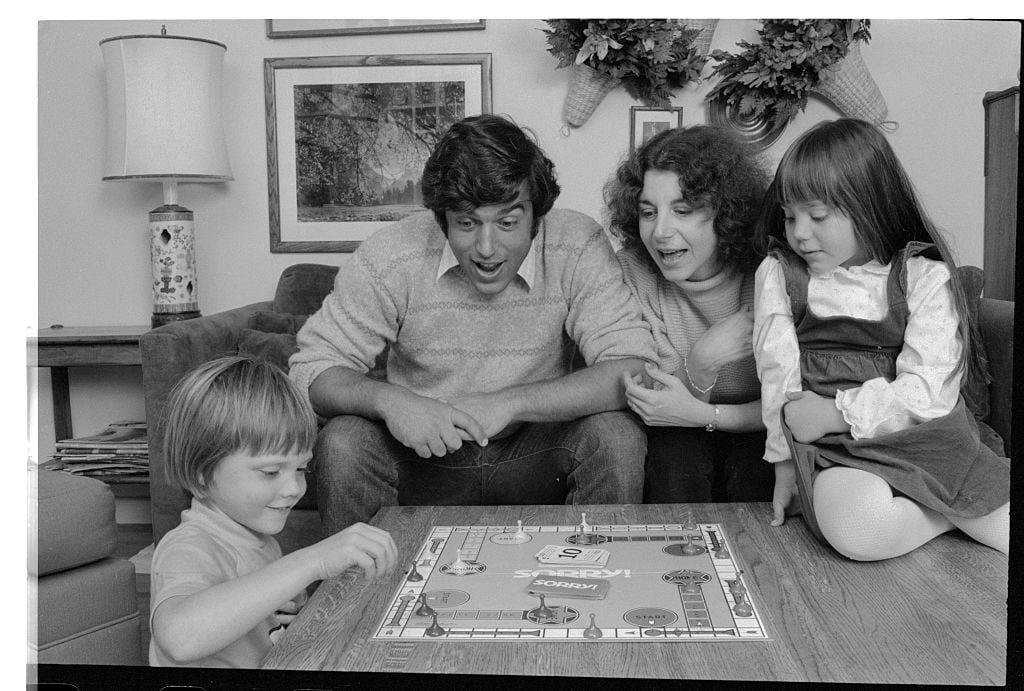
The Sorry! board game is one of many variants descended from the ancient Indian cross-and-circle game pachisi, commonly known and branded as Parcheesi in the United States. Instead of traditional dice, players draw cards that control the movement of their four pawns from start to home, on a board that resembles a modern, modified pachisi board. Sorry! has lasted because its gameplay is so random that it prompts good-natured (and devious) gotcha! fun. Even young players can claim victory over adults if they draw the right cards.
Tickle Me Elmo
Tickle Me Elmo combined the appeal of Sesame Street’s standout character with a novel design and became the must-have toy of the 1996 holiday season. Putting electronics into a plush-type toy had been done before but Tickle Me Elmo took it to the next level and allowed the toy to emulate the experience of being tickled. Laughter is emotional and physical — it’s fun, but also a little uncomfortable. When Elmo was tickled, he laughed, then he laughed some more and shook with glee. Tickle Me Elmo relates to basic play elements, such as anticipation, surprise, and pleasure.
Yahtzee
When playing Yahtzee, each player takes a turn rolling the dice in a cup to try to match the combination of the number values with a list of predetermined combinations to score points. Simplicity, speed, and luck-based competition make the fast-paced game a perennial favorite among adults and children.
RELATED: 40 Years of American Girl: Take a Look Back at the Nostalgic Brand’s History