In 1998, Claire Wiegand-Beckmann sold a card table for — wait for it — a whopping $541,500. A New York antique dealer bought it at Sotheby’s for such a pretty penny because of its makers: John and Thomas Seymour, a renowned father and son duo who crafted furniture in the late 1700s and mid-1800s. And not only did Wiegand-Beckmann reap a hefty sum, but the retired teacher also collected an impressive profit — she’d purchased the table over 30 years earlier at a garage sale for $25.
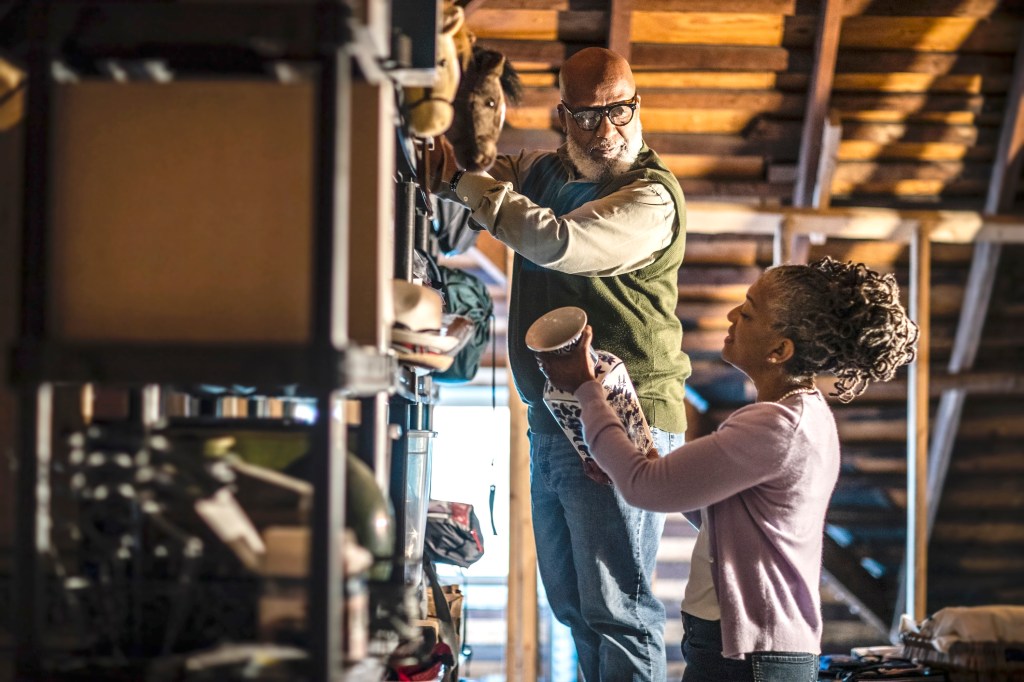
Perhaps you’ve been considering getting rid of some of your own no-longer-needed items. And if Wiegand-Beckmann’s story is any indication, that “clutter” that’s been racking up dust in the corners of your house for years may very well be worth a second glance — and possibly even a windfall as lofty as her half-million-dollar pot.
Read on to learn which items to scour your house for first, and how to kick off the process of assessing their value.
Check Your House for …
Jewelry
Maybe that vintage ring you snagged at a flea market no longer fits your style, but it could be worth more than you bought it for. One of the first things you should look for is a hallmark: a tiny marking that tells you information about the piece’s metal content (e.g., “24K” for a gold piece), designer, maker, or country of origin.
You can also try the magnet test at home. Hold a strong magnet next to your jewelry — alloys, or mixed metals, will attract the magnet, while genuine gold and sterling silver will repel it. Keep in mind that the clasp of a necklace, for instance, may consist of a different material than the chain or pendant, so be sure to check your item in multiple spots. While these assessments won’t give you an exact value, they can help arm you with a general idea of what you’re dealing with before you request a professional valuation.
Print Media
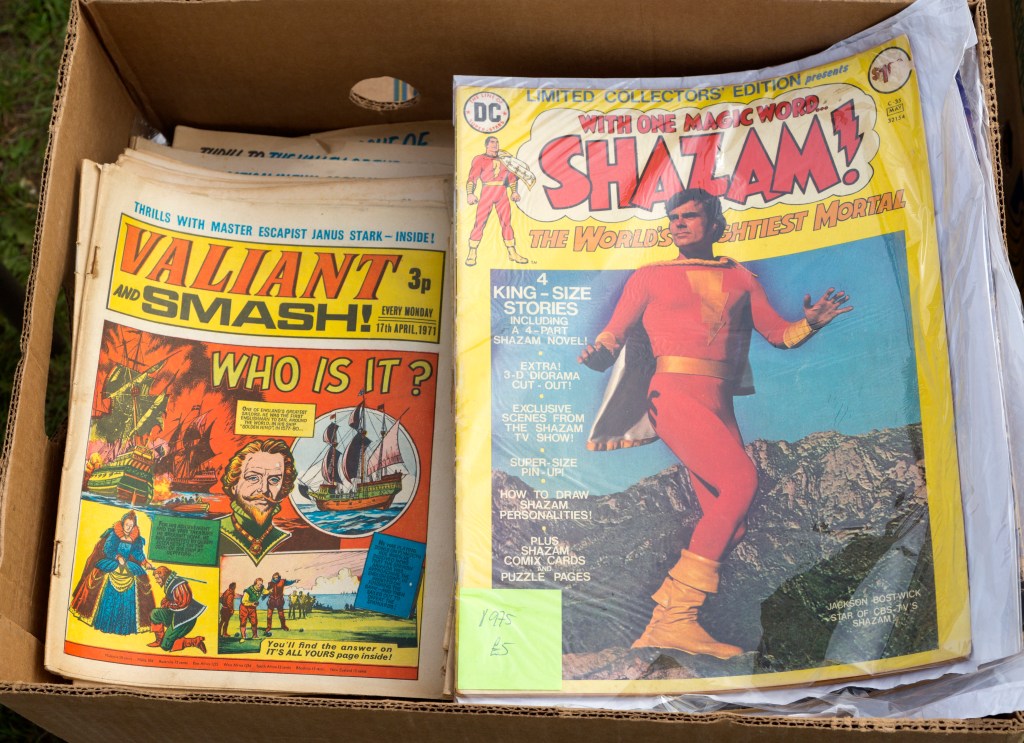
Dusty magazines or newspapers piling up in your attic may look like nothing special, but it’s possible that the value of one of them has quietly skyrocketed over the years. While you may not bank hundreds of thousands for a single ’zine, issues that document important dates or historical events — such as the Apollo 11 mission or JFK and Jackie Kennedy’s wedding — could rake in an unexpected ransom on websites like eBay. Case in point: This 1977 newspaper chronicling Elvis Presley’s death sold for $750 last year.
When it comes to old books, you’ll want to search for first editions of classic or famous works of literature. One such copy of Mark Twain’s Adventures of Huckleberry Finn, for instance, sold for $18,500 in 2020, while some first edition Harry Potter books have been valued at more than $200,000. Luckily, there’s an easy way to begin evaluating your book’s worth at home: Compare it to others currently for sale on websites like AbeBooks or PangoBooks.
Collectibles
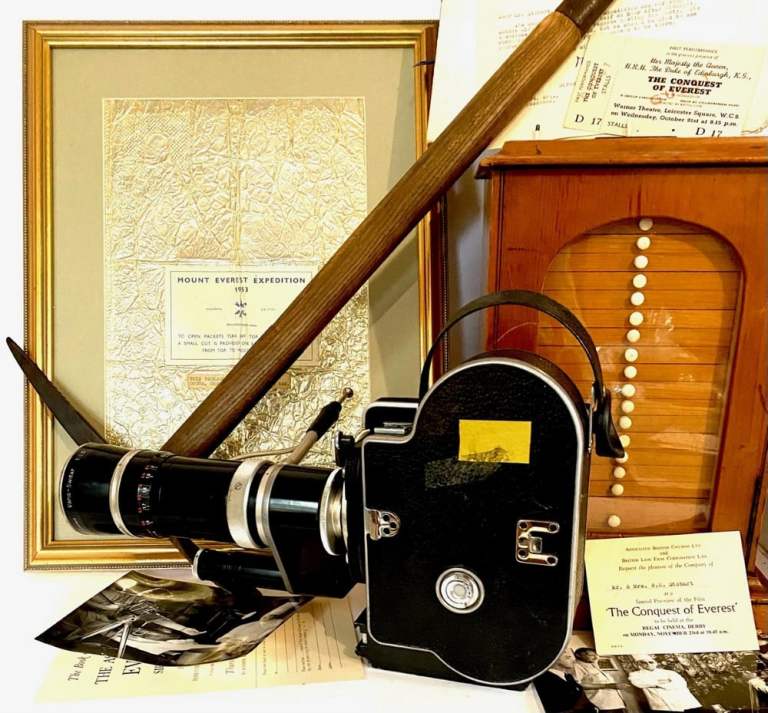
We realize this is a broad category, but that’s because myriad items can apply here. Think rare baseball cards, stamps, paintings, vinyl records, postcards, ticket stubs, and even hard-to-find foodie items like old McDonald’s Happy Meal toys and Kellogg’s Corn Flakes boxes — any one of these could be diamonds in the rough.
If you have a hunch that your item is worth something, here’s how to maybe turn that inkling into dollar signs: Check for markings that’ll give you an idea as to its age, maker, and material, as well as the condition it’s in. Next, do some digging into its history. Perhaps only 100 of those cards you’re curious about were ever made, or your figurine was once owned by royalty (hey, you never know).
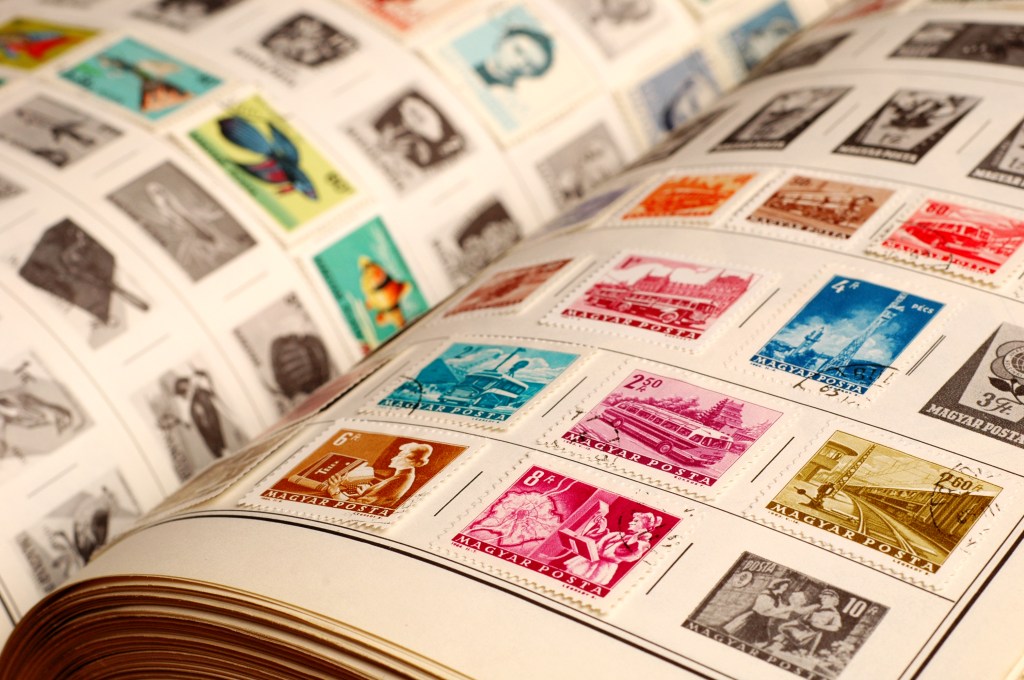
Then, just like with books, try to find listings with similar items on online platforms so that you can get an idea of how in-demand yours is, keeping in mind that value often ebbs and flows. A professional appraisal may then be needed, but at least aim to verify the authenticity of your item, either through your own records or with the help of a specialized service.
Household Items
Circling back to the triumphant Sotheby’s sale mentioned earlier, those mundane domestic goods that you’re ready to toss definitely deserve a second look. Vintage furniture made by renowned designers (like Wiegand-Beckmann’s card table) is likely to have increased in value, particularly well-made, mid-century modern pieces. Old mirrors may also garner a nice sum, especially if they’re from a specific design period like the Victorian Era.
But your potential payday could also come from smaller pieces — certain kitchen items, like vintage Pyrex or antique Jadeite cookware, may be highly sought after. And, as with previously mentioned artifacts, you’ll want to verify their age, maker, and authenticity.
Clothing
Those garments you swore you’d never wear again could be worth reselling, so start by searching your closet for certain types of vintage clothing. You’ll obviously want to flag any pieces from big names like Chanel and Gucci, but ones with historical or cultural significance — band T-shirts, military jackets, sports jerseys — may also be considered desirable by collectors.
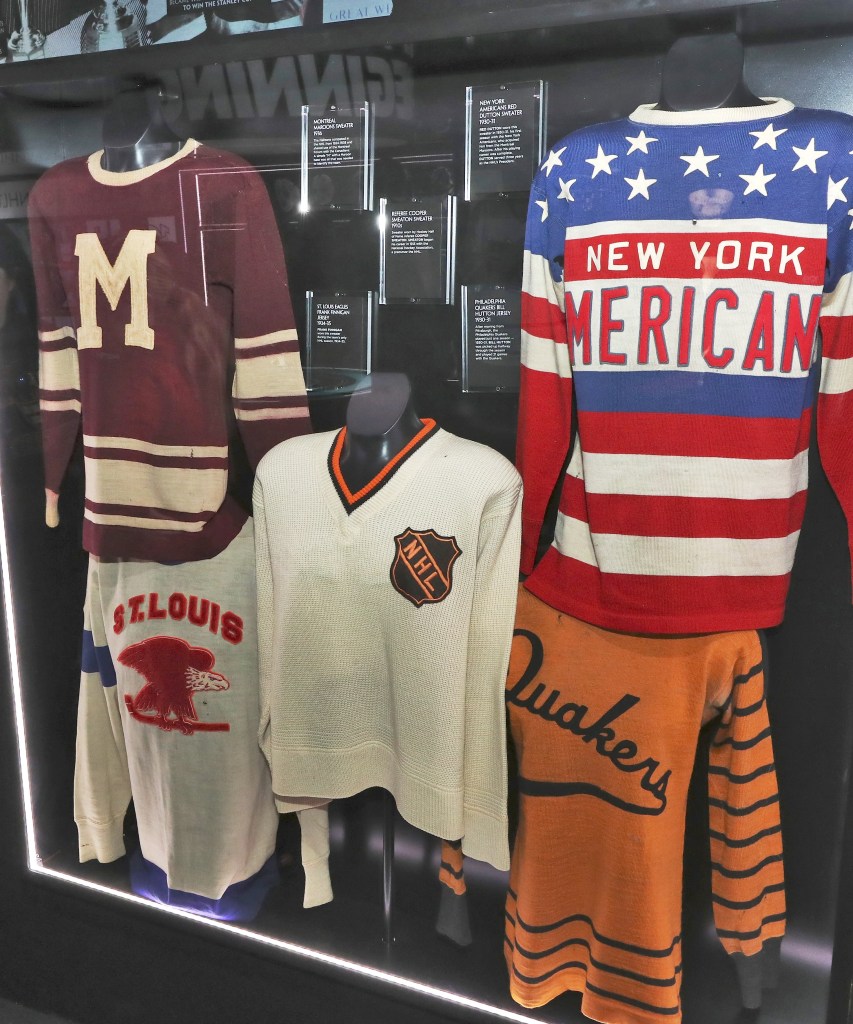
Another approach is to take advantage of fashion’s cyclical nature by keeping your pulse on what’s currently in style. While brands like Levi’s and L.L.Bean are more affordable than high-end designers, buyers might be willing to invest in trendy vintage 501 jeans and wool sweaters (like this made-in-Norway one selling for $195 on eBay). As with many of the other items on this list, labels verifying your clothing’s authenticity will be a key part of your listing.
On the hunt for even more hidden treasures in your home? Scroll through this roundup of 75 items to watch for.
RELATED: Full-Time Thrifter Encourages Secondhand Shopping by Posting Local Treasures on Social Media