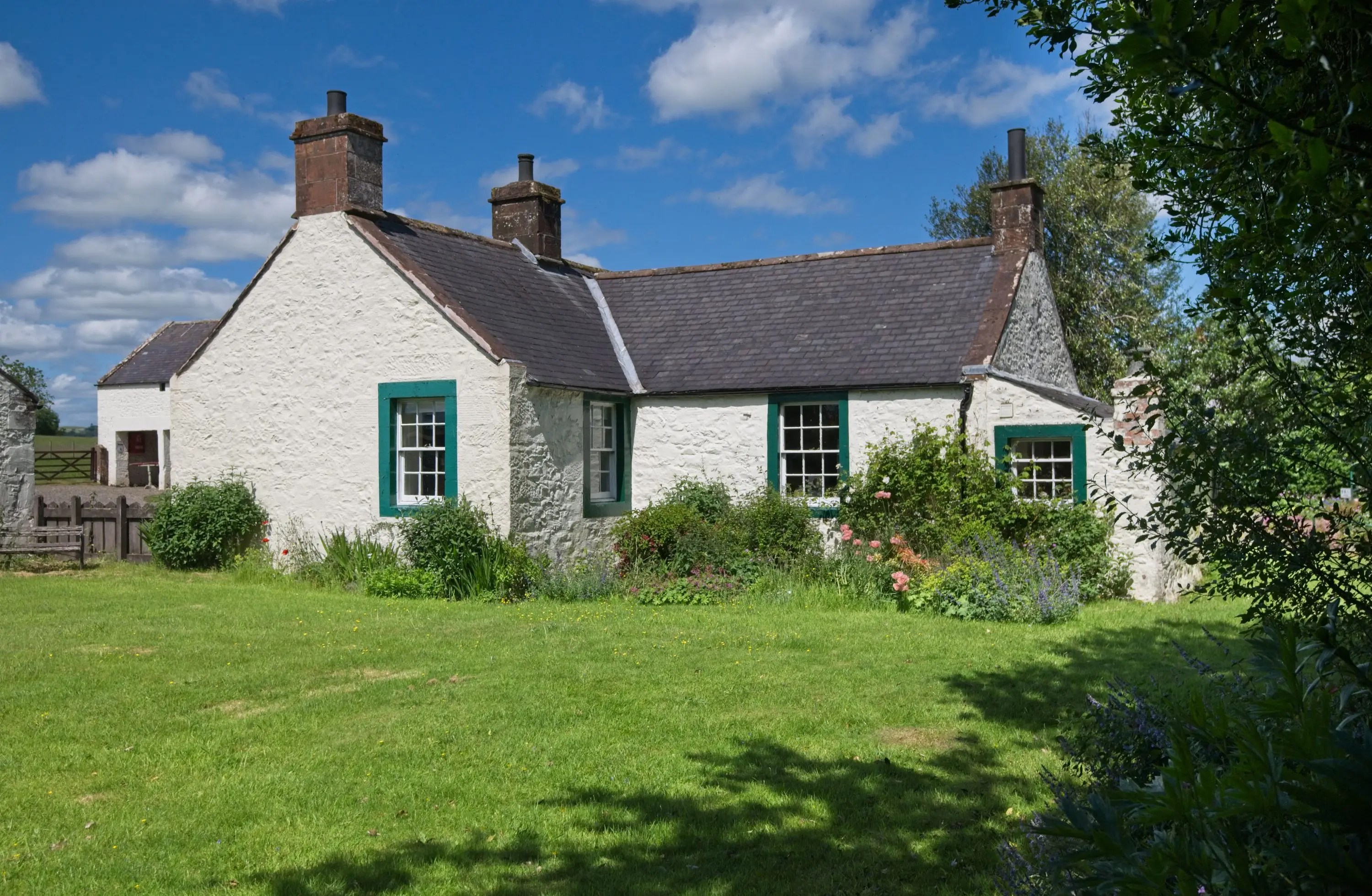
It rings in our ears every New Year’s, yet somehow “Auld Lang Syne” never feels overplayed. Now, however, the question of whether auld acquaintance should be forgot is not just a thought-provoking lyric but a timely issue, as volunteers strive to save the historic Scottish farm where poet Robert Burns wrote down the words to the beloved tune in 1788.
Announced in late November, the Saving the Home of “Auld Lang Syne” campaign seeks to raise over $16 million to restore Ellisland Farm in Dumfriesshire and develop a public cultural destination on the site.
“Ellisland has that same potential to become both a national landmark and a source of enduring inspiration,” Duncan Dornan, chair of the Robert Burns Ellisland Trust, said in a news release. “This is our opportunity to preserve the home where the world’s most famous song was born and ensure it thrives for generations to come.”
The poet, born in 1759, was open about the fact that the words and melody to “Auld Lang Syne” came not from his imagination but from a variety of sources, including traditional Scottish folk music. Literary historian Murray Pittock previously told The Washington Post: “Burns denied he wrote it because he didn’t. He edited it, though how much we don’t know.” (Learn more about the song’s history here.)
Burns died from a heart condition at age 37, but the tune was carried across continents by Scottish emigrants in the 19th century. By the early 20th century, it had become enmeshed in American culture specifically as a New Year’s Eve favorite after Canadian bandleader Guy Lombardo first performed it over the radio in 1929.
Besides the famous song, the writer composed over a quarter of his entire oeuvre on the farm — about 130 of his best-known works. Burns’ most famous compositions include the poems “Tam O Shanter” and “Address to a Haggis,” about his passion for the Scottish savory pudding.
The restoration campaign is the latest effort to raise awareness for the site. Since the Trust’s inception in 2020, it has re-created Ellisland in the game Minecraft; opened a holiday cottage on the property where visitors can stay; and restored the “Burns Family Flute” so the instrument could continue to be played “after centuries of silence.” In 2023, the farm received official museum accreditation. The following year, The National Lottery Heritage Fund granted the Trust over $650,000 to continue its work.
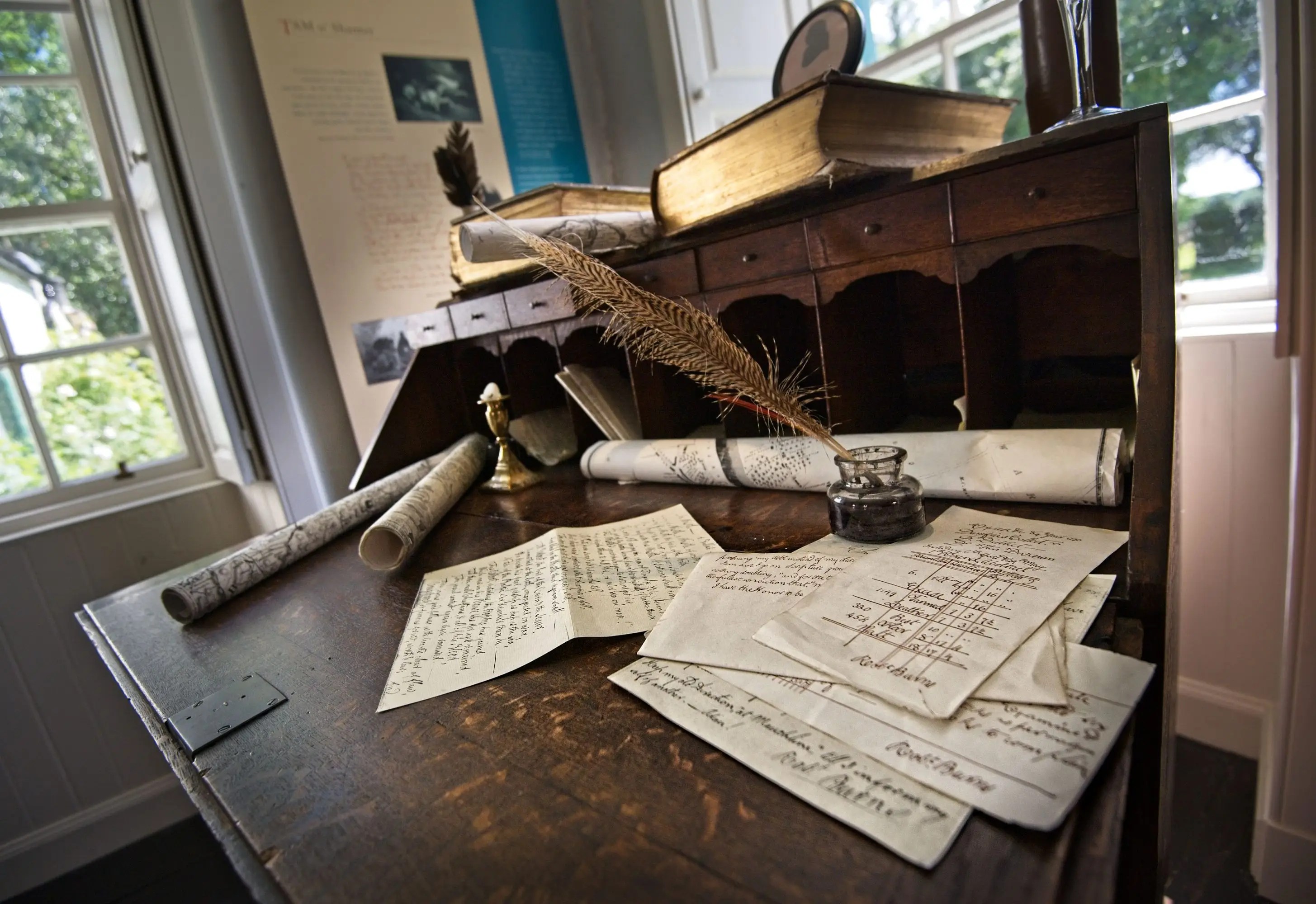
With the current fundraiser, the Trust is aiming to re-create the farmhouse, the family home that Burns built at age 29, exactly as it was when he lived there — matching details from 1788 shopping lists that describe the house’s contents. It will also transform the threshing barn into a center for song and an educational resource and create small hermitages across the estate where artists and writers can work. Completed designs are expected to be revealed in early 2026.
“This site has immense potential as both a cultural destination and an engine for regional economic regeneration,” said project director Joan McAlpine, a former member of the Scottish Parliament. “We’re building a place where today’s artists and musicians can find inspiration in the same surroundings that gave us ‘Auld Lang Syne,’ while creating sustainable opportunities for our local community and visitors from around the world.”